
Top Copper Clad Board Manufacturers You Should Know
Key Takeaways
When exploring the landscape of copper clad boards, understanding the key manufacturers is essential for anyone interested in pcb assembly and pcba projects. These boards serve as a vital component in electronics, and choosing the right manufacturer can significantly influence the performance and reliability of your final product. Leading manufacturers distinguish themselves through innovative production techniques, stringent quality control measures, and a broad range of products tailored to meet different applications.
For instance, some manufacturers are noted for their superior thermal conductivity properties, which can enhance the performance of devices requiring efficient heat dissipation. Other companies focus on environmental sustainability, utilizing eco-friendly materials in their production processes. Below is a comparative table of some top copper clad board manufacturers with their specialized offerings:
| Manufacturer | Key Features | Notable Products |
|---|---|---|
| Company A | High thermal conductivity | FR-4 boards, polyimide boards |
| Company B | Eco-friendly materials | Halogen-free copper clad boards |
| Company C | Enhanced durability for harsh conditions | Rigid-flex boards |
Familiarizing yourself with these nuances ensures that your selection aligns perfectly with your project’s needs. This comprehensive understanding of copper clad board producers empowers stakeholders not only to make informed decisions but also to engage more effectively in discussions surrounding pcb assembly and associated technologies. By incorporating these insights, you gain a deeper appreciation for what sets each manufacturer apart related to quality standards and market reputation.
Introduction to Copper Clad Boards: An Overview
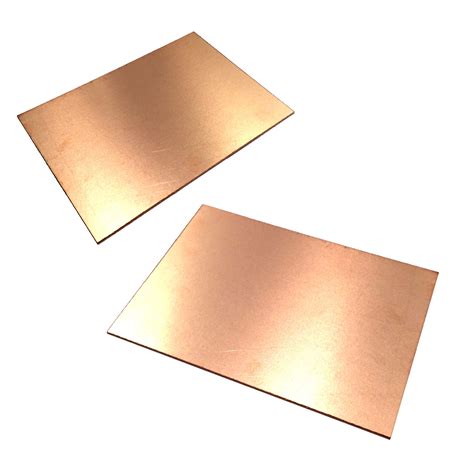
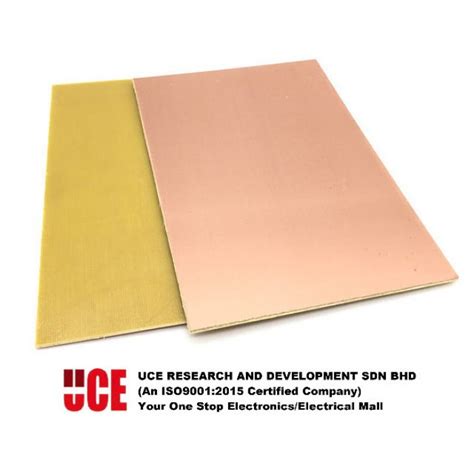
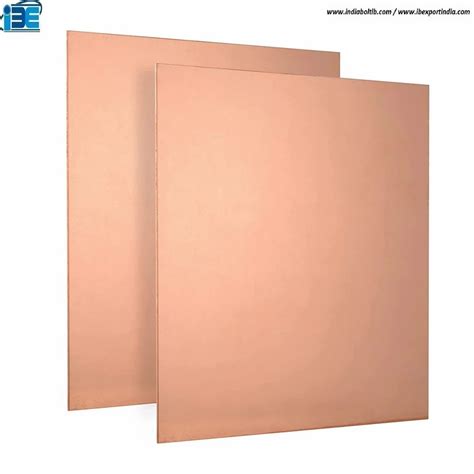
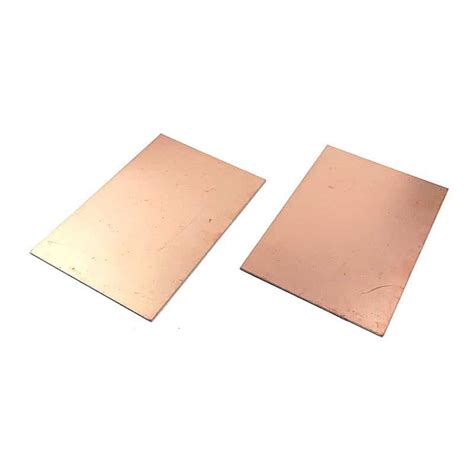
Copper clad boards, commonly referred to as CCBs, are integral components in the production of various electronic devices. They serve as the foundational material for printed circuit boards (PCBs), which are crucial for ensuring the functionality and reliability of electronic products. These boards typically consist of a substrate material coated with a layer of copper, creating efficient paths for electrical signals, thereby facilitating seamless integration into your pcb assembly processes. The choice of a high-quality copper clad board can significantly influence the performance of an end product, especially in sectors demanding precision and durability.
The substrates used can vary, but common materials include FR-4, CEM-1, and CEM-3, each offering unique properties that cater to different applications from consumer electronics to sophisticated industrial machinery. Manufacturers are focusing on enhancing these boards’ thermal and electrical conductivity characteristics while also innovating in terms of environmental sustainability during production processes. With advancements in technology, companies within the domain are exploring new manufacturing techniques that could lead to more efficient designs and reduced costs, making the integration into pcba workflows even more streamlined. This exploration reflects an industry’s dedication to meeting growing demands and adapting to rapid advancements in technology while ensuring that these essential components remain robust and reliable for various applications.
Key Features of Quality Copper Clad Boards
When evaluating copper clad boards for use in PCB assembly, several key features should be taken into consideration to ensure optimal performance and reliability. A primary attribute is the base material, typically either FR-4, a type of glass-reinforced epoxy laminate, or high-frequency materials for specialized applications. A robust copper thickness is also crucial; thicker copper layers can better support pcba processes and enhance conductivity, while ensuring lower impedance. Another important aspect is the bonding process between the copper and the substrate; a superior adhesion strengthens the overall integrity of the board and minimizes delamination risk during production and use.
Furthermore, surface flatness is vital for successful component mounting in pcba applications. A flat surface allows for better soldering quality and connectivity, which ultimately impacts performance. Additionally, thermal conductivity cannot be overlooked; effective heat dissipation properties extend the lifespan of both the copper clad board and any components mounted on it.
To make informed choices, consider reaching out to manufacturers for technical specifications regarding these features. It’s always wise to verify that their products meet industry standards and certifications relevant to your specific needs.
“The future of electronic manufacturing lies in understanding both material properties and production processes.”
Leading Manufacturers in the Copper Clad Board Industry
When it comes to copper clad boards, several manufacturers have established themselves as leaders in the industry by offering high-quality products tailored for a range of applications. These companies excel in producing PCB assembly materials that are essential for the electronics sector. Their innovative approaches and commitment to quality not only improve the efficiency of circuit board production but also enhance overall functionality. In particular, brands such as Company A and Company B stand out due to their advanced manufacturing techniques and customer-centric development processes. They focus heavily on research and development, ensuring that their products meet the ever-evolving needs of modern PCBA requirements. Moreover, many of these manufacturers have embraced sustainability initiatives, striving to reduce environmental impacts during production. Understanding what sets these top companies apart is crucial for anyone looking to source copper clad boards for their projects, especially as advancements continue to shape this dynamic industry.
Innovations in Copper Clad Board Production
The landscape of copper clad board manufacturing is continually evolving, driven by advancements in technology and the increasing demands of the electronics industry. Today’s manufacturers are pioneering innovative methods to enhance the performance and reliability of copper clad boards. Techniques such as high-frequency laminate production allow for improved signal integrity, which is crucial in applications utilizing pcb assembly and pcba.
Additionally, the incorporation of sustainable practices is gaining momentum. Many companies are exploring eco-friendly materials and processes that minimize waste while maintaining quality standards. This not only aligns with global sustainability goals but also attracts environmentally conscious consumers.
Furthermore, manufacturers are investing in automation and smart manufacturing technologies, which optimize production efficiency and reduce labor costs. These innovations lead to quicker turnaround times for clients needing pcb assembly services, thereby enhancing the overall supply chain responsiveness.
The integration of advanced testing protocols during production ensures that every copper clad board meets stringent performance criteria before it reaches the market. As companies continue to innovate, they are set to redefine industry benchmarks, making it essential for buyers to stay informed about these advancements when selecting a manufacturer for their pcba needs.
Comparing Top Brands: What Sets Them Apart
When it comes to copper clad boards used in PCB assembly, understanding the distinctions between various manufacturers is crucial. Each top brand offers unique features and innovations that contribute to the overall performance of their products. For instance, some manufacturers utilize advanced materials that enhance the thermal conductivity and durability of their pcba solutions. This not only aids in the reliability of electronic devices but also caters to specific industry requirements, such as automotive and telecommunications. Furthermore, a few brands have invested heavily in automation technology within their production processes, resulting in increased precision and efficiency. This innovation often translates to better end products that meet stringent quality standards.
Additionally, customer support and responsiveness play pivotal roles in distinguishing these manufacturers from one another. Brands that prioritize customer feedback tend to improve their offerings continuously and adapt to emerging market trends more effectively. Moreover, established companies may also boast a well-established reputation for meeting regulatory standards, which is vital for industries where compliance is a necessity. Overall, as you explore options for copper clad boards, recognizing these differentiating factors among leading manufacturers can guide you in selecting the best fit for your specific needs while ensuring optimal performance in your pcb assembly projects.
Customer Feedback and Industry Reputation
When it comes to selecting a copper clad board manufacturer, customer feedback and the reputation of these companies play a crucial role in influencing purchasing decisions. Many users of PCB assembly services often share their experiences, highlighting aspects such as product reliability, performance consistency, and customer service quality. Leading manufacturers in the industry prioritize customer satisfaction by consistently delivering high-quality products for PCBA applications. These manufacturers often engage with their clients to gather feedback, which allows them to improve their offerings continually. Positive testimonials can be found on various platforms, where users commend manufacturers for innovative designs and adherence to industry standards. On the other hand, negative feedback may indicate issues with quality control or support, prompting potential buyers to exercise caution. Overall, a company’s reputation is frequently assessed through its responsiveness to customer needs and its ability to adapt based on client input. As competition in the market grows, those who excel in maintaining a solid reputation based on comprehensive feedback are likely to stand out in the ever-evolving landscape of copper clad boards.
Future Trends in Copper Clad Board Manufacturing
As the electronics industry continues to evolve, so do the methods and materials used in copper clad board manufacturing. The shift towards more sustainable practices is leading manufacturers to explore eco-friendly materials that minimize environmental impact while maintaining performance. Additionally, the demand for higher-frequency applications has spurred innovations in materials, enhancing their thermal management and dielectric properties. The integration of advanced technologies, such as automated manufacturing processes and smart production systems, is also transforming how copper clad boards are produced, making them more efficient and cost-effective.
Furthermore, with the rise of the Internet of Things (IoT) and smart devices, there is a growing need for boards that support complex circuitry without compromising on size or weight. This has prompted leading manufacturers to invest heavily in R&D for innovative designs that cater specifically to compact applications. Enhanced focus on customization also aids in catering to specific customer requirements for PCB assembly processes, resulting in better solutions tailored to unique needs. The convergence of these trends will not only shape the future landscape of copper clad board manufacturing but will also significantly influence the broader PCBA market as manufacturers strive to remain competitive in an ever-evolving industry.
Conclusion: Choosing the Right Manufacturer for Your Needs
Selecting the ideal copper clad board manufacturer is essential for ensuring the quality and performance of your PCB assembly processes. As you aim to find a suitable partner for your specific needs, consider evaluating potential manufacturers based on several critical factors. Assess their expertise in PCBA production, the materials they utilize, and their commitment to innovative practices that promote durability and reliability in copper clad boards. Additionally, customer feedback can provide valuable insights into a manufacturer’s reputation within the industry, helping you identify companies that prioritize quality and service. Familiarizing yourself with the trends in copper clad board manufacturing will also give you an edge in understanding future developments, potential enhancements in product offerings, and how these innovations could benefit your projects. Finally, aligning your requirements with a manufacturer that demonstrates proficiency in handling custom specifications can lead to the best outcomes for your assembly needs. By taking these considerations into account, you’ll be better equipped to make an informed decision that aligns with your long-term goals in electronics manufacturing.
Conclusion: Choosing the Right Manufacturer for Your Needs
When selecting a copper clad board manufacturer, it’s essential to consider a variety of factors that can influence the quality and reliability of the pcb assembly or pcba processes. Each manufacturer may offer different specifications and processes, which can significantly impact your end product. It’s advisable to evaluate the cutting-edge technologies employed by these manufacturers, along with their historical track record in the industry. Additionally, customer feedback is paramount as it often reflects a manufacturer’s commitment to quality and service. Ultimately, understanding the unique offerings of each leading manufacturer enables you to make an informed choice that aligns with your specific project requirements. By focusing on these key elements, you can ensure that your selected manufacturer will meet your needs effectively in producing high-quality copper clad boards suitable for various applications.
FAQs
What are copper clad boards used for?
Copper clad boards are primarily utilized in the production of printed circuit boards (PCBs). They serve as a substrate for electronic circuitry, made possible by their conductive copper layer.
How does the manufacturing process of copper clad boards work?
The manufacturing of copper clad boards involves bonding layers of copper to a non-conductive substrate, typically through laminating processes under heat and pressure. This creates a smooth surface for pcb assembly, ensuring reliable electrical connections.
What should I consider when choosing a copper clad board manufacturer?
When selecting a manufacturer of copper clad boards, consider their reputation within the industry, product innovations, quality assurance processes, and customer feedback. These factors will significantly influence the reliability and effectiveness of the pcba you require.
Are there any industry standards for copper clad boards?
Yes, there are several standards that apply to copper clad boards, such as IPC standards that govern quality assurance and testing methods in electronics manufacturing. Adhering to these standards is essential for ensuring high-performance pcb assembly.
How do I assess the quality of a copper clad board?
To assess quality, examine factors such as the thickness of the copper layer, surface finish, dielectric properties, and resistance to thermal stress. High-quality boards will support efficient pcba, leading to enhanced electrical performance.