
Advancements in SMT Assembly for Modern Electronics Production
Key Takeaways
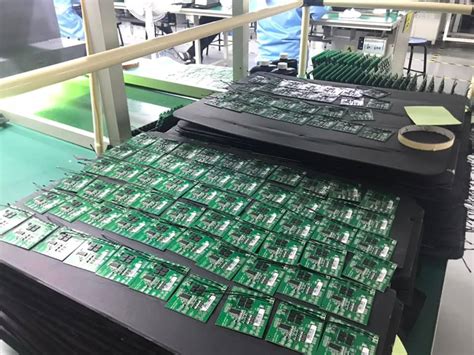
The advancements in SMT assembly signal a transformative evolution in the realm of electronics production, particularly affecting PCB assembly processes. Organizations are increasingly adopting sophisticated techniques that significantly enhance both efficiency and accuracy in manufacturing. For example, innovative solder paste application methods have reduced waste and improved the consistency of quality in PCBA. Automation has emerged as a pivotal player, enabling real-time monitoring and adjustments during the SMT assembly process, which contributes to enhanced speed without sacrificing the precision that is critical for ensuring product reliability. Moreover, these cutting-edge technologies are pushing the boundaries of design complexity, allowing for more compact and functional electronic products than ever before. As these trends continue to evolve, they collectively create a more agile and responsive manufacturing landscape that stands to benefit both producers and consumers alike. Ultimately, the integration of these advancements is not only shaping current practices but also laying a strong foundation for the future of technology manufacturing.
Introduction to SMT Assembly: The Backbone of Modern Electronics Production
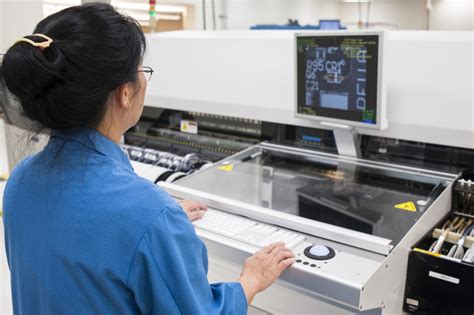
Surface Mount Technology (SMT) assembly has evolved into a crucial aspect of pcb assembly as the demand for compact, efficient, and high-performance electronic devices continues to rise. At the core of this advancement lies a fundamental shift towards embracing pcba processes that maximize reliability and minimize production time. As manufacturers strive to meet the challenges posed by modern electronics production, innovations in SMT techniques have become indispensable. These innovations help in achieving unparalleled accuracy, facilitating the placement of components directly onto the surface of printed circuit boards (PCBs), which remarkably reduces assembly time compared to traditional through-hole methods.
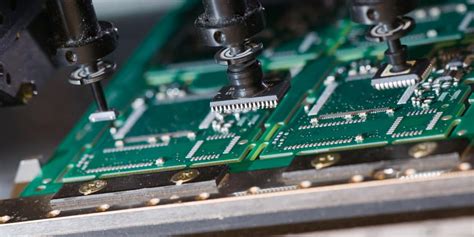
As components get smaller and more complex, maintaining precision during the assembly process is vital. Consequently, advancements such as laser-driven pick-and-place machines and advanced soldering techniques have emerged, allowing for faster speeds without compromising quality. The integration of automated inspection systems has also enhanced accuracy by ensuring every unit is thoroughly examined for defects, ultimately reinforcing consumer trust in end products.
To illustrate these advancements effectively, consider the following table summarizing key innovations and their impact on SMT assembly:
| Innovation | Description | Impact on Production |
|---|---|---|
| Laser-driven Pick-and-Place | Uses lasers for precise component placement | Increases speed and accuracy |
| Automated Inspection Systems | High-resolution cameras check assemblies automatically | Reduces errors and enhances reliability |
| Advanced Soldering Techniques | Utilizes new materials for soldering | Improves durability of connections |
In conclusion, as we explore more about these developments in subsequent sections, it becomes evident that SMT assembly will continue to play a pivotal role in shaping modern electronics production by enhancing efficiency, upholding quality, and accommodating the ever-increasing expectations within the tech industry. Thus, understanding these dynamics is essential for anyone engaged with manufacturing or technology sectors.
Key Innovations in SMT Technology: Enhancing Efficiency and Accuracy
The field of Surface Mount Technology (SMT) has undergone significant transformations, driven by the increasing demand for precision in pcb assembly processes. One of the most noteworthy innovations is the integration of advanced inspection systems, which utilize machine vision to detect defects at every stage of pcba production. This technology not only enhances overall accuracy but also contributes to a marked increase in production speed by minimizing the need for manual inspections. Furthermore, adaptive software systems are now capable of optimizing placement strategies in real-time, ensuring that components are positioned correctly on the circuit boards with precision. The implementation of automated pick-and-place machines has also revolutionized the workflow, allowing for higher throughput and reducing human error. These advancements illustrate how innovative techniques can significantly improve operations within SMT assembly lines, ultimately shaping the landscape of modern electronics manufacturing. With each enhancement, the industry moves closer to achieving unprecedented levels of efficiency and accuracy, paving the way for future developments that will redefine standards in pcb assembly practices globally.
Techniques to Improve Speed in SMT Assembly Processes
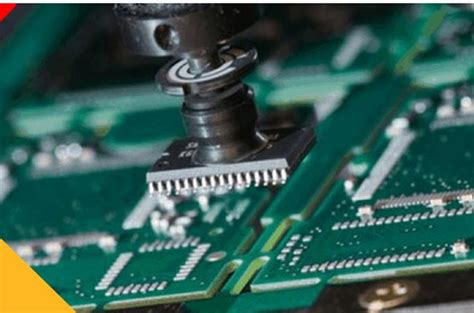
In the realm of SMT (Surface Mount Technology) assembly, improving speed is crucial for keeping pace with the high demands of the electronics market. One effective technique to enhance production speed is through the use of advanced pcb assembly machines equipped with high-speed placement capabilities. These machines are designed to handle multiple components simultaneously, significantly reducing the time required for assembly. Furthermore, optimizing the pcba (Printed Circuit Board Assembly) workflow by streamlining processes—such as incorporating automated optical inspection systems—can help identify defects early in the production cycle, thereby minimizing rework and downtime.
Additionally, implementing a cohesive inventory management system that utilizes real-time tracking technology can drastically cut down on material handling time. By ensuring that components are readily available and organized efficiently, operators can navigate their workstations more swiftly.
“Efficiency is not just about speed; it’s about being smart with processes.”
Moreover, adopting flexible manufacturing systems that enable quick changeovers between different product lines can also propel speed enhancements in SMT assembly. By reducing setup times and optimizing machine utilization, manufacturers can respond rapidly to changes in demand while ensuring quality remains a priority.
In summary, leveraging state-of-the-art machinery alongside intelligent process management not only accelerates SMT assembly operations but also ensures that manufacturers remain competitive in an ever-evolving tech landscape. Emphasizing continuous improvement through these techniques will pave the way for more efficient and faster production cycles.
The Impact of Automation on SMT Assembly Efficiency
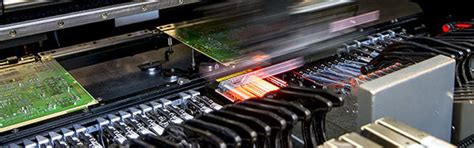
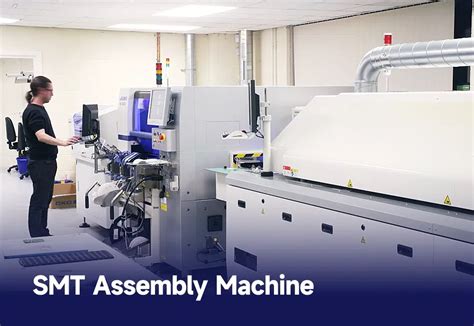
The integration of automation into SMT assembly processes has led to significant improvements in efficiency and productivity. By leveraging advanced robotics and intelligent systems, manufacturers can streamline the pcb assembly workflow, reducing human intervention and minimizing potential errors. Automated systems excel at performing repetitive tasks with high precision, which is particularly crucial in pcba where accuracy is paramount to ensure product reliability. As automated solutions become increasingly sophisticated, they can handle a wider range of components and configurations, allowing for more flexible production lines. Moreover, the ability to quickly adjust settings and processes in response to real-time data enhances the overall responsiveness of manufacturing operations. This shift not only improves throughput but also contributes to cost reductions, as automated systems often require less maintenance compared to traditional methods. The combination of speed and accuracy driven by automation is setting a new standard in the production landscape, empowering manufacturers to meet the growing demand for advanced electronic devices while maintaining high quality in their SMT assembly practices. This evolution underscores how automation is not just a trend but a fundamental shift toward greater efficiency within the modern electronics production sphere.
Sustainability in SMT Assembly: Eco-Friendly Practices in Electronics Production
In recent years, the push for sustainability in SMT assembly has led to the adoption of eco-friendly practices that benefit both the environment and manufacturers. The integration of sustainable materials in PCB assembly processes not only reduces waste but also enhances the overall efficiency of electronic devices. Companies are increasingly focusing on minimizing their carbon footprint through innovative recycling methods, ensuring that materials used during PCBA are recyclable and sourced responsibly. For instance, adopting lead-free soldering practices not only complies with environmental regulations but also improves the quality and durability of the final product. Furthermore, advancements in smt technology allow for reduced energy consumption during manufacturing, contributing to a greener production line. Emphasizing energy-efficient machinery and optimizing operational workflows serve as additional strategies to lower environmental impact while maintaining productivity and reducing costs. As more industry stakeholders recognize the importance of eco-conscious practices, the future of SMT assembly is poised to embrace sustainability as a core principle, ultimately reshaping manufacturing approaches across the tech sector.
Emerging Trends in SMT Assembly: What the Future Holds
As the landscape of SMT assembly evolves, several emerging trends are shaping the future of pcb assembly and influencing the overall manufacturing processes within the tech industry. One significant advancement is the integration of advanced inspection technologies, such as automated optical inspection (AOI) systems, which enhance accuracy by identifying defects earlier in the production process. This not only reduces waste but also improves overall yield rates. Furthermore, the rise of artificial intelligence and machine learning algorithms in pcba processes is facilitating real-time data analytics, allowing manufacturers to adapt quickly to production challenges and optimize their operations for greater efficiency.
A noteworthy trend is also seen in additive manufacturing techniques, which are increasingly being utilized for creating complex component geometries that were previously unattainable with traditional methods. This innovation broadens design possibilities while addressing sustainability challenges through reduced material usage. The integration of green practices within SMT assembly processes reflects a commitment to eco-friendly production methods, emphasizing a balance between technological advancement and environmental responsibility.
Lastly, with the accelerating pace of technological change, collaboration among industry players through partnerships and shared innovation initiatives is becoming more common. These collaborations foster knowledge exchange that propels advancements in pcb assembly, ultimately leading to a more agile manufacturing ecosystem primed for responding to consumer demands effectively. As we move forward, it is clear that these trends will redefine our approach to SMT technology, ensuring it remains at the forefront of modern electronics production.
Case Studies: Successful Implementations of Advanced SMT Techniques
The transformation of SMT assembly processes is evident in numerous case studies that showcase the efficacy of advanced techniques and technology. One prominent case involves a leading electronics manufacturer that integrated automation into their pcb assembly line. By utilizing state-of-the-art pick-and-place machines, they significantly improved the accuracy of pcba while reducing production time. This resulted in a remarkable decrease in operational costs and a substantial increase in output. Another compelling example can be seen in a startup studying the application of machine learning algorithms to predict equipment failures. This proactive approach allowed them to schedule maintenance more effectively, minimizing downtime and further enhancing production efficiency. The combination of these cutting-edge innovations highlights not only the potential of SMT assembly to streamline operations but also its critical role in meeting the ever-growing demands of modern electronics manufacturing. By examining these successful implementations, it becomes clear that leveraging advanced techniques is vital for fostering innovation and maintaining competitiveness in an increasingly technological landscape.
Conclusion: The Role of SMT Assembly in Shaping the Future of Tech Manufacturing
As we consider the continuous evolution of SMT assembly, it is clear that this technology plays a pivotal role in the advancement of tech manufacturing. The integration of sophisticated pcb assembly methods and pcba techniques has significantly enhanced productivity and precision across various sectors. These innovations not only streamline the production process but also reduce errors, ensuring high-quality output in electronics production. Furthermore, the adoption of automation technologies within SMT assembly lines is a testament to its influence on operational efficiency. As manufacturers strive for sustainability, modern SMT techniques are evolving to incorporate eco-friendly practices, thereby addressing environmental concerns while maintaining productivity levels. This synergy between efficiency, accuracy, and sustainability is essential for meeting the growing demands of consumers and businesses alike. Ultimately, the future of tech manufacturing will be largely driven by these advancements in SMT assembly, solidifying its essential role in shaping a more efficient and responsible industry.
Conclusion: The Role of SMT Assembly in Shaping the Future of Tech Manufacturing
In the ever-evolving landscape of modern electronics production, SMT assembly serves as a critical pillar that drives advancements in pcb assembly and pcba processes. The innovations in SMT technology not only improve the efficiency and accuracy of manufacturing but also enable faster production cycles, which are essential for meeting the escalating demands of the tech industry. As automation continues to penetrate deeper into SMT assembly, manufacturers have witnessed significant boosts in operational efficiency and cost-effectiveness. Furthermore, a focus on sustainability within these practices is prompting companies to adopt eco-friendly materials and processes, aligning with global trends toward environmentally responsible manufacturing. In exploring emerging trends, it becomes evident that the future of SMT assembly is bright, promising enhancements that will further streamline production workflows while maintaining high standards of quality and precision. Ultimately, the role of SMT assembly will be indispensable in defining the next generation of tech manufacturing solutions, fostering an ecosystem where innovation thrives on enhanced technique and sustainability.
FAQs
What is SMT assembly?
Surface Mount Technology (SMT) assembly refers to the process of mounting electronic components directly onto the surface of printed circuit boards (PCBs). This method has largely replaced traditional through-hole technology, offering numerous advantages in electronic manufacturing.
How does SMT enhance efficiency in electronics production?
SMT enhances efficiency by allowing for the placement of more components in a smaller area, leading to compact designs. Techniques such as automated placement equipment facilitate faster production times and reduced labor costs, ultimately streamlining the pcb assembly process.
What role does automation play in SMT assembly?
Automation significantly boosts SMT assembly efficiency by minimizing human error and increasing the speed at which components are placed on PCBs. Automated systems are capable of handling complex tasks with high precision, which is essential for producing high-quality printed circuit board assemblies (PCBA).
Are there sustainable practices in SMT assembly?
Yes, sustainability is becoming a key focus within SMT assembly, with manufacturers adopting eco-friendly practices such as reducing waste and using recyclable materials. This shift not only contributes to environmental protection but can also reduce production costs over time.
What trends are emerging in SMT technology?
Emerging trends in SMT assembly include advancements in 3D printing for rapid prototyping and smart factories that utilize IoT technology for real-time monitoring and quality control. These innovations are shaping the future of electronics manufacturing and enhancing competitive advantage.