
Essential Guide to Setting Up a PCB Manufacturing Plant
Key Takeaways
When embarking on your journey in pcb manufacturing, it’s crucial to grasp the intricacies of the entire production process. This knowledge sets a solid foundation and ensures that your pcb manufacturing business operates smoothly. Begin with thorough initial planning and market research, as understanding the competitive landscape and customer needs can significantly influence your success. Next, focus on selecting the right equipment; this inevitably impacts both production efficiency and pcb manufacturing cost.
Once you’ve laid out your plans, it’s time to carefully design your manufacturing space; a well-organized environment can enhance workflow and productivity. Implementing robust quality control procedures should be prioritized to ensure that every product meets industry standards, as this is a critical factor in retaining customer trust and minimizing waste. However, don’t overlook the importance of automation techniques in optimizing production cycles; these innovations are being embraced by many pcb manufacturing companies worldwide for their ability to reduce errors and boost output.
As you navigate through these components, remember the significance of budgeting and understanding regulatory compliance in your operations. Adhering to safety standards not only safeguards your employees but also fortifies the reputation of your business in the market. By aligning these practices, you pave the way for a successful venture in the world of pcb manufacturing.
For more detailed insights into enhancing your PCB production capabilities, consider exploring resources available at Andwin PCB.
Understanding the PCB Manufacturing Process
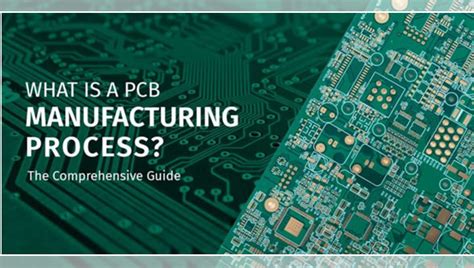
In the world of PCB manufacturing, understanding the intricate processes involved is crucial for anyone looking to establish a successful pcb manufacturing business. At its core, the PCB manufacturing process encompasses several stages, starting from design to final production. You must first collaborate with engineers to finalize your design specifications, ensuring that they meet industry standards and your specific requirements. Once the design is set, the actual production begins with material selection; here, quality is paramount as it directly influences both durability and functionality. The primary materials used are typically copper-clad laminates and various substrates, which can impact your overall pcb manufacturing cost.
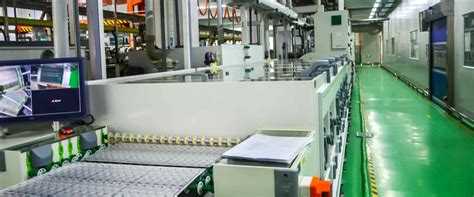
After materials are selected, you’ll move into fabrication. This phase involves etching the circuit patterns into the copper layers and drilling holes for component placement. Precision in this step is vital because any errors can lead to significant challenges later on. As you start producing your PCB, consider partnering with reputable pcb manufacturing companies that can supply high-quality parts efficiently.
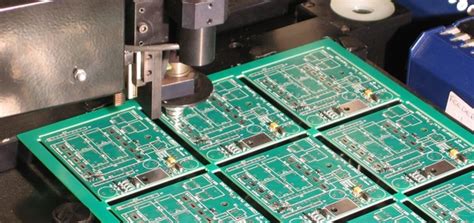
Once fabrication is complete, it’s time for assembly and testing—where components are soldered onto the PCB and rigorously checked for quality assurance. Incorporating state-of-the-art automated processes can enhance efficiency and accuracy during assembly, thus minimizing potential human error while keeping production costs manageable. By mastering these stages of the PCB manufacturing process, you set a solid foundation for your venture while positioning yourself competitively in a growing market space.
Initial Planning and Market Research
When embarking on the journey to establish a pcb manufacturing plant, thorough initial planning and comprehensive market research are vital. You must first assess the demand for pcb manufacturing services in your target area, as understanding market trends will help you identify potential customers and competitors. Consider conducting surveys or interviews with potential clients to gauge their needs and preferences for pcb manufacturing companies. This research phase should also involve analyzing the pcb manufacturing cost to ensure that your business model remains competitive while maintaining profitability.
The next step involves defining your niche within the pcb manufacturing business landscape. Are you focusing on high-volume production or specialized small-batch runs? This decision can significantly impact your equipment selection, operational procedures, and overall marketing strategy. By clearly delineating your target market, you can tailor your offerings to meet specific customer requirements, enhancing your chances of success.
Market Research Table
| Research Activity | Purpose | Outcome |
|---|---|---|
| Competitor Analysis | Understand competition | Identify gaps in the market |
| Customer Surveys | Gauge needs and preferences | Tailor services to customer demand |
| Trend Analysis | Monitor industry changes | Adapt strategies accordingly |
| Regulatory Environment Study | Ensure compliance | Avoid legal issues |
Once you’ve gathered enough data, synthesize it to form a solid business plan that outlines potential challenges along with strategies to overcome them. With a deep understanding of both the pcb manufacturing industry and your target market, you’re poised to create a robust foundation for success in your new venture.
Equipment Selection for Efficient Production
When establishing your pcb manufacturing plant, selecting the right equipment is crucial to ensure efficient production processes. Begin by assessing the specific needs of your pcb manufacturing business based on the types of boards you plan to produce, as different products may require specialized machines. Within the landscape of pcb manufacturing companies, you will find a range of equipment options, including etchers, laminators, and inspection tools. Investing in high-quality machinery not only impacts the quality of your finished products but also significantly influences the overall pcb manufacturing cost. For instance, advanced automated systems can help reduce labor costs and minimize errors during production but may require a higher initial investment. Thus, weighing these factors is essential to make informed decisions that align with your operational needs while keeping efficiency at the forefront. Consider also integrating equipment that allows for scalability as your production demands grow; this foresight will ultimately contribute to a sustainable and productive pcb manufacturing operation.

Setting Up the Manufacturing Space
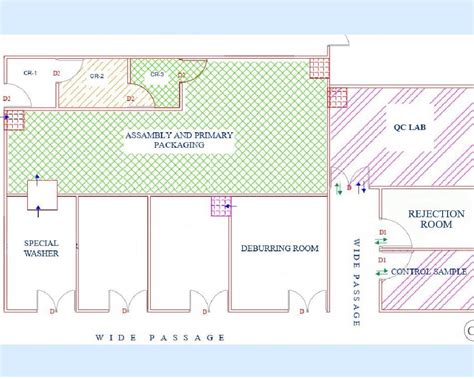
When establishing your pcb manufacturing plant, creating an efficient and well-organized manufacturing space is critical for the success of your pcb manufacturing business. Begin by evaluating the layout to ensure that the workflow is logical and minimizes unnecessary movement. This involves strategically positioning equipment and workstations to enhance productivity and streamline the production process. Within this space, consider allocating distinct areas for various functions, such as assembly, testing, and packaging. Proper ventilation and climate control are also essential to maintain optimal conditions for sensitive electronic components. Investing in quality machinery will significantly affect your pcb manufacturing cost, so selecting equipment from reputable pcb manufacturing companies can lead to long-term savings and reliability. Furthermore, ensure that safety measures are in place—proper labeling, signage, and adequate safety equipment are fundamental in a space where machinery operates at high speeds and heat levels. By prioritizing an organized and safe manufacturing environment, you can facilitate a smoother workflow that contributes to the overall efficiency of your pcb manufacturing process.
Implementing Quality Control Procedures
Ensuring quality in pcb manufacturing is paramount to your business’s reputation and success. To implement effective quality control procedures, start by establishing a comprehensive quality management system that outlines the standards and protocols your team must follow throughout the production process. This includes regular inspection of raw materials, in-process checks, and final product evaluations. It may be beneficial to invest in automated inspection systems which utilize advanced imaging technology to detect defects early in the production line. By doing this, you may significantly reduce pcb manufacturing costs and enhance the overall efficiency of your operations.
Additionally, training your staff on quality standards and methodologies will create a culture of accountability within your pcb manufacturing business. Incorporate regular audits and feedback loops to monitor adherence to these standards—making adjustments as necessary based on performance data. Engaging with reliable pcb manufacturing companies can also provide insights into best practices that have proven effective across the industry.
“Quality is never an accident; it is always the result of intelligent effort.” – John Ruskin
Implementing these suggestions not only helps in maintaining high product quality but also increases customer satisfaction and loyalty, ultimately driving repeat business and establishing a solid foundation for your pcb manufacturing venture. Remember that a strong focus on quality control will set you apart from competitors in this rapidly evolving market.
Automation Techniques for PCB Production
In the realm of PCB manufacturing, automation plays a pivotal role in enhancing efficiency and precision. Embracing advanced automation techniques not only streamlines your production processes but also significantly reduces human error, which is crucial in meeting the high standards demanded by the industry. When establishing your PCB manufacturing business, consider incorporating automated systems such as robotic assembly lines, pick-and-place machines, and advanced inspection systems. These technologies can substantially lower the PCB manufacturing cost by increasing throughput while minimizing waste. Additionally, employing automated software for design and layout verification ensures that your PCBs meet all required specifications before moving into production. As you explore various PCB manufacturing companies, take note of those that prioritize automation in their processes; this approach often translates to higher-quality products and shorter lead times, keeping your operations competitive in a rapidly evolving market. Ultimately, the integration of automation techniques not only optimizes workflow but also positions your business for long-term success in the dynamic landscape of PCB manufacturing.
Budgeting and Financial Planning
To successfully launch your pcb manufacturing plant, effective budgeting and financial planning are crucial components to consider. Start by estimating the pcb manufacturing cost, which encompasses a variety of expenditures, from the procurement of equipment to facility setup and initial operating costs. It’s important to conduct thorough research on potential pcb manufacturing companies that can provide cost-effective solutions without compromising quality. Establishing a clear budget helps in identifying your funding needs and potential sources of capital, such as loans or investors. Moreover, be mindful of ongoing operational expenses—including raw materials, labor, utilities, and maintenance—that will affect your profitability in the long run. Crafting a financial plan that includes projections for revenues and costs can guide your decision-making process as you navigate the complexities of launching a successful pcb manufacturing business. Additionally, staying adaptable to changes in market conditions will enhance your resilience against unexpected financial challenges that may arise in this competitive industry.
Regulatory Compliance and Safety Standards
When establishing your PCB manufacturing plant, understanding regulatory compliance and safety standards is paramount. These regulations are designed to ensure that your operations meet specific quality and safety benchmarks, which not only protect your employees but also enhance the credibility of your pcb manufacturing business. You should familiarize yourself with the various local, national, and international standards applicable to pcb manufacturing companies. This includes environmental regulations concerning waste management and chemical use, as well as workplace safety guidelines that dictate safe handling of materials. Furthermore, ensuring the reliability of your processes through proper documentation aids in maintaining compliance and can influence the overall pcb manufacturing cost by reducing potential fines or shutdowns. Regular audits and employee training programs can further reinforce a culture of safety and adherence to standards, which will contribute positively to your plant’s operational efficiency. Prioritizing these aspects from the outset will help secure a solid foundation for your pcb manufacturing operations while safeguarding the future of your business.
Conclusion
Setting up a PCB manufacturing plant is a multifaceted endeavor that requires careful planning, strategic execution, and adherence to industry standards. As you move forward with your pcb manufacturing business, consider the insights gained throughout this guide. Understanding the landscape of pcb manufacturing companies and analyzing the pcb manufacturing cost will provide you with a solid foundation to make informed decisions. Ensure that your facility is equipped with state-of-the-art machinery to enhance production efficiency and maintain high quality standards. As you implement effective quality control procedures and explore automation techniques, remember that these factors significantly influence your plant’s success in a competitive market. Ultimately, thorough preparation and continuous improvement are key to establishing a thriving PCB manufacturing operation that meets the evolving demands of your customers and the industry as a whole.
FAQs
What factors influence the cost of a PCB manufacturing plant?
The pcb manufacturing cost is influenced by numerous factors, including the choice of machinery, the complexity of designs, material quality, labor wages, and operational efficiency. A well-researched approach to these elements can lead to significant savings and a successful pcb manufacturing business.
How can I choose the right PCB manufacturing companies for my needs?
When selecting pcb manufacturing companies, consider their experience in the industry, the range of services offered, customer reviews, and their ability to meet your specific production requirements. It’s essential to find a partner that aligns with your quality standards and technical capabilities.
What technology should I invest in for my PCB manufacturing plant?
Invest in equipment that enhances productivity and supports scalability. Essential tools for your pcb manufacturing setup may include automatic pick-and-place machines, solder paste printers, and advanced inspection systems. ⚙️ Investing wisely in technology can ensure efficient production processes.
Are there any regulatory considerations when setting up a PCB manufacturing plant?
Yes, adhering to local regulations regarding waste disposal, worker safety standards, and environmental impact is critical when establishing a pcb manufacturing business. Always consult relevant authorities to ensure compliance and avoid potential issues down the road.
For more insights and resources on setting up your PCB manufacturing plant, please click here: Andwin PCB Manufacturing