
Streamlining Prototype PCB Assembly Services for Efficient Designs
Key Takeaways
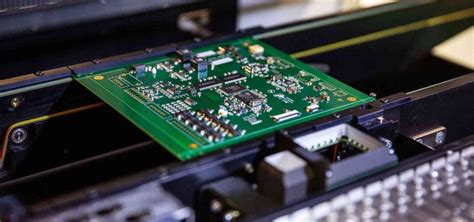
In the realm of electronics, prototype PCB assembly plays a pivotal role in the fast-paced design development cycle. Understanding the significance of pcba in transforming designs into functional products is crucial for engineers and developers. One of the most effective ways to enhance design efficiency is through the adoption of best practices that streamline the entire pcb assembly process. Incorporating advanced tools and technologies can significantly reduce assembly time while improving accuracy. For instance, utilizing automated pick-and-place machines can increase precision and speed in component placement.
Additionally, innovative techniques for rapid prototyping not only help engineers explore creative solutions but also expedite time-to-market for new innovations. A focus on quality assurance throughout the prototype PCB assembly process ensures that high standards are met consistently, thus fostering reliability in subsequent production stages. It can be beneficial to study successful case studies where streamlined processes led to tangible results, providing valuable lessons for future projects.
"Efficiency isn’t just about speed; it’s about attaining high-quality outcomes through optimized processes."
As we look forward to future trends, embracing dynamics such as IoT integration, sustainable materials, and advanced simulations will undoubtedly transform how pcb assembly services are approached. Each aspect discussed reinforces the idea that with careful planning and execution, professionals can achieve remarkable results in their prototype designs while maintaining a focus on quality and efficiency.
Understanding the Importance of Prototype PCB Assembly in Design Development
In the realm of modern electronics, prototype PCB assembly plays a crucial role in the design development process. A well-executed PCB assembly allows designers to test their concepts swiftly and reliably, facilitating innovation in product development. By focusing on efficient techniques during the pcba phase, designers can significantly reduce time-to-market, a paramount factor in today’s competitive landscape.
Moreover, assembling prototypes not only provides an opportunity to identify and rectify design flaws early on but also enhances overall product quality. Rapid iterations during this stage allow teams to gather feedback from initial testing, thus ensuring that any necessary modifications are made promptly. The importance of this cannot be overstated; an effective pcba can lead to cost savings and improved performance in final products.
To illustrate this importance further, consider the following table outlining key benefits associated with effective prototype PCB assembly:
| Benefit | Description |
|---|---|
| Faster Time-to-Market | Accelerates the entire development cycle |
| Cost Efficiency | Minimizes resource wastage through early error detection |
| Improved Product Quality | Facilitates rigorous testing and refinement |
| Flexibility for Iteration | Allows for quick adaptations based on feedback |
By understanding these critical advantages, stakeholders can appreciate the value of investing in high-quality prototype PCB assembly services that not only support initial design implementations but also lay a solid foundation for future innovations.
Best Practices for Efficient Prototype PCB Assembly
In the realm of electronics design, prototype PCB assembly (PCBA) represents a crucial phase that can significantly impact overall efficiency and product quality. To achieve optimal results, one must adhere to several best practices that enhance the assembly process. First and foremost, conducting thorough planning before commencing any assembly work is vital. This involves creating a comprehensive bill of materials (BOM) that accurately reflects all components required for the design. Utilizing high-quality PCB assembly materials not only improves the reliability of prototypes but also minimizes defects during manufacturing.
Furthermore, incorporating automated tools and technologies can streamline the pcba process, enabling quicker turnaround times without sacrificing precision. For instance, automated pick-and-place machines can dramatically reduce manual handling errors while increasing placement speed. It’s also essential to maintain clear communication among team members throughout the project duration to ensure that every aspect of the PCB assembly aligns with design specifications.
Implementing just-in-time inventory practices will minimize excess components and space usage, thus optimizing costs and improving efficiency. Additionally, regular evaluation of production workflows allows teams to identify bottlenecks early and adapt accordingly, ensuring a smooth assembly process. Emphasizing continuous improvement through feedback loops will ultimately lead to higher quality prototypes being produced efficiently, meeting or exceeding client expectations in today’s competitive landscape.
Tools and Technologies Enhancing PCB Assembly Processes
The landscape of PCB assembly has evolved significantly with the introduction of advanced tools and technologies that enhance efficiency and accuracy. One notable advancement is the use of automated assembly equipment, which can significantly reduce assembly time while maintaining high precision. Automated pick-and-place machines facilitate the rapid positioning of components on circuit boards, ensuring consistent quality in each batch produced. Additionally, software solutions for design verification, like Gerber file viewers, help identify potential issues in layouts before physical assembly, saving time and resources.
Another critical aspect is the integration of Internet of Things (IoT) technology into PCBA processes. This allows for real-time monitoring of production lines, enabling manufacturers to promptly address any anomalies that may arise during assembly. Furthermore, innovative soldering techniques, such as laser soldering and reflow soldering, greatly improve the reliability of connections on printed circuit boards.
The rise of additive manufacturing also contributes to enhanced PCB assembly, allowing for the rapid production of prototypes with complex geometries that were previously unfeasible. By utilizing 3D printing methods for creating custom fixtures and components, companies can streamline their workflow in both design and production phases.
In summary, leveraging advanced tools and technologies transforms traditional methods within prototype PCB assembly services into more efficient practices. As manufacturing continues to adapt to these innovations, the overall quality and speed in delivering high-performance prototypes can be significantly enhanced, ensuring designers can successfully meet their specifications in a competitive market landscape.
Innovative Techniques for Rapid Prototyping in PCB Design
In the realm of electronics, prototype PCB assembly has become a vital component in the product development cycle. Rapid prototyping techniques have emerged as powerful methodologies to enhance the pcb assembly process, allowing designers to quickly iterate and refine their concepts. One key approach is utilizing additive manufacturing methods for creating pcba components, which can significantly reduce lead times and costs. Additionally, implementing design for manufacturing (DFM) principles ensures that designs are optimized for ease of assembly, minimizing potential errors during the pcb assembly process. Advanced software tools play a crucial role as well; for instance, simulation tools enable engineers to visualize how their designs will perform under various conditions before physical prototypes are produced. These innovative techniques not only streamline production but also foster collaboration between design and engineering teams, leading to improved communication and faster time-to-market for new products. By harnessing these technologies, companies can stay competitive in a fast-paced landscape where efficiency is paramount in delivering high-quality prototypes effectively.
Quality Assurance in Prototype PCB Assembly: Ensuring High Standards
In the realm of prototype PCB assembly (PCBA), maintaining high standards of quality assurance is paramount to the success of the overall design process. Implementing robust quality control measures not only minimizes production errors but also fosters a culture of excellence that can significantly influence the durability and performance of electronic products. A key component of this process is establishing a rigorous testing framework that examines both the functional and aesthetic attributes of PCBA outputs. By adopting industry-standard testing protocols, such as Automated Optical Inspection (AOI) and In-Circuit Testing (ICT), organizations can swiftly identify anomalies during assembly, thereby reinforcing the integrity of their prototypes. Furthermore, leveraging advanced tools like Statistical Process Control (SPC) facilitates ongoing monitoring, allowing manufacturers to assess production variances in real-time. This proactive approach to quality assurance not only enhances reliability but also builds customer trust, ensuring that each prototype meets or exceeds client expectations. Ultimately, by prioritizing high standards within prototype PCB assembly services, businesses position themselves competitively in an ever-evolving market, ready to deliver innovative designs without compromising on quality.
Case Studies: Successful Implementation of Streamlined PCB Assembly
Examining real-world applications of streamlined prototype PCB assembly services provides valuable insights into how these improvements can enhance overall design effectiveness. Various companies across different industries have adopted innovative strategies to optimize their pcba processes. For instance, one leading electronics manufacturer introduced automated assembly systems that significantly reduced the time required for complex boards. This shift not only minimized human error but also improved production rates, leading to faster turnaround for their pcb assembly projects. Another case involved a startup focused on wearable technology, which implemented a modular approach to their pcba development. By utilizing flexible circuit designs and rapid prototyping techniques, they could adapt swiftly to design changes, ensuring that they remained competitive in a dynamic market. These case studies exemplify the critical nature of integrating advanced tools and methodologies within prototype PCB assembly, showcasing how such efforts not only lead to high-quality outputs but also foster innovation and responsiveness in product development cycles. As industries continue to evolve, embracing these successful implementations will be key in navigating the challenges of modern pcb assembly processes.
Future Trends in Prototype PCB Assembly Services
The landscape of prototype PCB assembly is rapidly evolving, influenced by technological advancements and shifting market needs. One prominent trend is the increasing integration of automation in PCBA processes. Automation not only reduces the chances of human error but also accelerates production timelines, enabling designers to bring their innovations to market faster. Likewise, the adoption of advanced tools such as Artificial Intelligence (AI) and Machine Learning (ML) is transforming assembly services, allowing for real-time adjustments and enhanced workflow efficiency. These technologies empower engineers to analyze data insights for continuous improvement in their pcb assembly procedures. Another trend is the growing emphasis on sustainability; companies are actively seeking eco-friendly materials and processes that minimize waste while maintaining high-quality output. This shift not only aligns with global sustainability goals but also attracts environmentally-conscious consumers. Furthermore, as designs become increasingly complex with 5G and IoT developments, the demand for skilled labor in the PCB assembly field will rise, underscoring the need for continuous professional development and training programs. Overall, keeping an eye on these trends will be essential for businesses aiming to thrive in this dynamic environment while ensuring efficient and reliable pcba services.
Conclusion
In the rapidly evolving landscape of electronics, the significance of effective pcb assembly cannot be overstated. Utilizing modern pcba methods not only enhances the quality and speed of development but also ensures that designs are optimized for functionality and market readiness. As highlighted throughout this article, adopting best practices in prototype PCB assembly enables designers to minimize errors, reduce costs, and shorten development cycles. Furthermore, implementing advanced tools and technologies aids in seamlessly integrating various components into a cohesive unit, paving the way for innovative solutions. The future of prototype PCB assembly services points towards increased automation and precision, allowing for even more complex designs to be rendered efficiently. By focusing on quality assurance measures and drawing from successful case studies, organizations can foster a culture of excellence in their design development processes. Ultimately, embracing these strategies will lead to significant advancements in how prototypes are conceived and manufactured, unlocking new potentials for progress in the field.
FAQs
What is prototype PCB assembly?
Prototype PCB assembly refers to the process of creating and assembling printed circuit boards (PCBs) for testing and development purposes, allowing designers to verify concept designs before moving into full-scale production.
Why is prototype PCB assembly important in design development?
Prototype PCBA plays a crucial role in design development as it helps identify potential issues early in the process, allowing for design iterations and optimizations that can save time and resources in the long run.
What are common practices for efficient prototype PCB assembly?
Common practices include utilizing automated assembly techniques, optimizing component placement, and ensuring clear communication among team members throughout the design and assembly phases.
Which tools are essential for enhancing PCB assembly processes?
Essential tools include CAD software for design, stencil printers for solder paste application, pick-and-place machines for component placement, and reflow ovens for soldering.
How can innovative techniques improve rapid prototyping in PCB design?
Innovative techniques such as additive manufacturing can streamline pcba processes by allowing faster production of complex designs while reducing material waste, thus enhancing overall design efficiency.
What measures are taken to ensure quality assurance in prototype PCB assembly?
Quality assurance measures encompass rigorous testing protocols like functional testing and visual inspections to ensure that each PCB assembly meets specific standards before proceeding to production.
For more insights into PCB Assembly, please click here: Andwin PCB Assembly