
IPC Standards Guideline for Effective PCB Assembly Practices
Key Takeaways
Understanding the intricate processes involved in PCB assembly is crucial for manufacturers aiming to improve quality and efficiency. The IPC standards serve as a foundational framework for ensuring that PCBA (Printed Circuit Board Assembly) adheres to recognized guidelines, which in turn enhances the overall reliability of electronic component integration. The importance of these standards cannot be overstated, as they provide a structured approach to assessing acceptability criteria and ensuring that products meet stringent benchmarks.
Here are some key takeaways:
| Key Aspect | Importance |
|---|---|
| Quality Control | Ensures reliable performance of the PCB |
| Efficiency Optimization | Reduces production time and costs |
| Compliance Guidelines | Minimizes risk of failures due to poor practices |
By implementing best practices within the framework of these standards, manufacturers can better manage common challenges faced during the assembly process. This includes adapting to innovative technologies and materials, contributing not only to improved compliance but also to the development of future trends in PCB assembly. It is essential for participants in the industry to stay up-to-date with these evolving standards, as their adherence is a significant factor in maintaining competitive advantage within the market.
Introduction to IPC Standards in PCB Assembly
The IPC standards serve as a fundamental framework for ensuring high-quality PCB assembly (PCBA). Established by the Institute for Printed Circuits, these standards provide a comprehensive set of guidelines that help manufacturers meet industry expectations and achieve greater efficiency. The core objective of these standards is to facilitate the integration of electronic components, which is crucial for the functionality and reliability of electronic devices. By adhering to these standards, companies can minimize defects, enhance production processes, and ensure that their PCB assembly meets the necessary acceptability criteria for printed circuit boards. Understanding the importance of these guidelines is vital for manufacturers aiming to optimize their operations. Implementing IPC standards fosters not only quality assurance but also promotes consistent practices across various stages of production, ultimately leading to improved customer satisfaction. Embracing these practices paves the way for innovative advancements in PCBA processes while reinforcing the significance of reliability in electronic component integration.
Understanding IPC IPC-A-600: Acceptability of Printed Boards
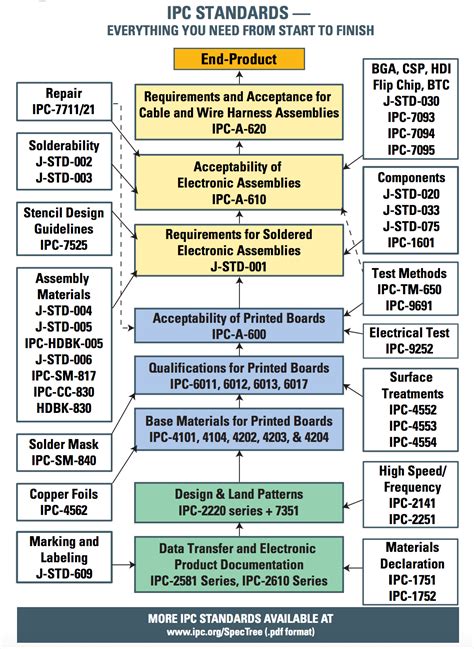
The IPC-A-600 standard is a crucial component in the realm of pcb assembly as it outlines the acceptability criteria for printed circuit boards (PCBs). This standard provides manufacturers with a detailed framework for evaluating the quality and integrity of boards before they are incorporated into electronic devices. By adhering to IPC-A-600, manufacturers can ensure that their pcba processes meet specific quality benchmarks. The standard categorizes PCBs based on various criteria, including surface finish, cleanliness, and plating quality, which are essential for reliable electronic component integration.
Incorporating these guidelines not only elevates the overall production quality but also mitigates potential risks associated with defective boards. One notable aspect of IPC-A-600 is its emphasis on visual inspection criteria. This facilitates easier identification of common defects such as delamination or incomplete solder joints during the manufacturing process.
"Quality assurance begins with understanding acceptable standards and identifying non-conformance early in production."
To achieve this, it is vital for manufacturers to train their personnel in interpreting the standards effectively and implementing them consistently across their pcb assembly processes. Proper documentation and adherence to these guidelines can lead to significant improvements in both product reliability and customer satisfaction, making compliance with IPC-A-600 an invaluable strategy in today’s competitive electronics market.
Key IPC Standards Related to PCB Assembly
When it comes to PCB assembly, understanding the key IPC standards is essential for ensuring a high-quality end product. One of the most significant standards is IPC-A-610, which outlines the acceptability criteria for electronic assemblies. This standard helps manufacturers gauge the quality of their PCBA process by providing detailed requirements that need to be followed for both visible and hidden connections. Another critical standard is IPC-J-STD-001, which focuses on soldering processes and materials, emphasizing techniques that promote reliability in electronic component integration. Adopting these IPC standards not only ensures compliance with industry norms but also enhances operational efficiency and minimizes defects in PCB assembly processes. Furthermore, the comprehensive guidelines provided by these standards serve as a foundation for implementing quality control measures tailored specifically for PCBA, ultimately leading to increased customer satisfaction and market competitiveness. By adhering to these well-established guidelines, manufacturers can streamline their operations and significantly reduce costs associated with faulty assemblies, reinforcing the importance of adhering to IPC standards in today’s fast-paced electronics industry.
Best Practices for Implementing IPC Standards in Manufacturing
Implementing IPC standards in the pcb assembly process is essential for ensuring high-quality, reliable products. Firstly, training employees on these standards is crucial; understanding guidelines like IPC-A-600 helps technicians recognize acceptable and unacceptable conditions in printed circuit boards. Establishing a thorough documentation process that includes assembly instructions, inspection checklists, and quality assurance protocols can greatly enhance pcba efficiency. Utilizing automated tools designed for compliance with IPC standards can also streamline processes and minimize human error during assembly. Regular audits of pcb assembly lines can identify potential discrepancies early, allowing for prompt corrective actions to maintain quality standards. Emphasizing collaboration among different departments—such as manufacturing, engineering, and quality control—will foster a unified approach to problem-solving that aligns with IPC guidelines. Ultimately, a commitment to continuous improvement through the application of these best practices results in enhanced product integrity and operational efficiency in PCB manufacturing.
Enhancing Quality Control through IPC Guidelines
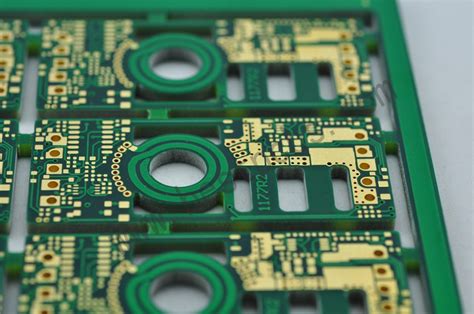
Implementing IPC standards in PCB assembly enhances quality control significantly, ensuring that each printed circuit board (PCBA) meets defined performance and reliability criteria. These guidelines provide a framework for manufacturers to detect potential issues early in the production process. By adhering to the IPC-A-600 standard for acceptability of printed boards, organizations can establish clear benchmarks for assessing the quality of their assemblies. This proactive approach minimizes errors and reduces waste, promoting a cost-effective manufacturing environment. Furthermore, integrating best practices derived from IPC standards encourages personnel engagement and fosters a culture of continuous improvement. The result is an optimized, reliable production line that not only meets but exceeds industry expectations for PCB assembly, ultimately leading to improved product performance and customer satisfaction. Emphasizing training and adherence to these guidelines will ensure that teams are well-equipped to implement rigorous quality control measures throughout the PCBA process.
Overcoming Common Challenges in PCB Assembly
In the realm of PCB assembly, manufacturers often face various challenges that can impact the efficiency and quality of the final product. One significant hurdle is aligning the expectations of PCBA processes with the diverse requirements of different projects. Variability in component types and sizes necessitates a flexible approach to assembly, making it crucial to adhere to established IPC standards that specify acceptable practices and tolerances. Furthermore, managing soldering techniques presents another challenge, as achieving consistent results requires precise control of parameters such as temperature and time. Quality assurance is paramount, and implementing robust testing methods that comply with IPC guidelines can help mitigate issues related to solder joint integrity.
Additionally, effective communication between design and manufacturing teams plays a pivotal role in overcoming obstacles during PCB assembly. Integrating inputs from all stakeholders early in the process ensures that potential problems are identified and addressed proactively. As technology continues to evolve, manufacturers must also stay informed about new materials and techniques that can enhance the PCBA process while adhering to stringent quality standards. By embracing a culture of continuous improvement rooted in IPC standards, manufacturers can not only overcome common challenges but also lay the foundation for successful implementation of innovative solutions, ultimately resulting in more reliable electronic component integration.
The Future of PCB Assembly: Trends and Innovations in Compliance
As the landscape of PCB assembly evolves, the importance of compliance with IPC standards becomes increasingly vital. Innovations in technology, such as automation, are leading to more efficient PCBA processes while adhering to established guidelines. Future trends indicate a shift toward greater integration of artificial intelligence and machine learning in manufacturing practices to enhance precision and reduce human errors in pcb assembly. Furthermore, advances in materials science are resulting in more robust components, which align with IPC-A-600 standards for printed board acceptability. As industries continue to demand higher quality and more reliable electronic component integration, manufacturers must stay updated on the latest developments within the framework of IPC guidelines. Adopting these innovations not only improves production efficiency but also ensures that businesses remain competitive in a rapidly changing market landscape. In this context, a proactive approach toward compliance not only mitigates risks but also fosters a culture of continuous improvement within pcba operations.
Conclusion: The Importance of Adhering to IPC Standards
In the realm of PCB assembly or PCBA, adherence to IPC standards is crucial for ensuring high-quality outcomes and operational efficiency. These standards serve as a comprehensive framework that guides manufacturers in achieving optimal results throughout the manufacturing process. By following these established guidelines, organizations can minimize defects and ensure that electronic components are integrated effectively, which is paramount in today’s complex technological landscape. Furthermore, the benefits of aligning with IPC standards extend beyond mere compliance; they can lead to improved customer satisfaction and enhanced market competitiveness. Embracing these principles fosters a culture of continuous improvement where quality control remains pivotal. As the industry evolves, integrating the latest IPC guidelines will not only facilitate smoother manufacturing practices but also drive innovation within pcb assembly processes, ultimately ensuring that products meet the rigorous demands of performance and reliability. Thus, maintaining a steadfast commitment to these standards is indispensable for any organization striving for excellence in PCBA.
Conclusion: The Importance of Adhering to IPC Standards
In the realm of PCB assembly (often referred to as PCBA), the adherence to IPC standards is crucial for ensuring high-quality and reliable manufacturing processes. These standards serve as a benchmark, guiding manufacturers in various aspects of production, such as material selection, design considerations, and assembly techniques. By implementing IPC guidelines, organizations can significantly enhance their production efficiency while minimizing defects, which leads to cost savings in the long run. Moreover, respecting these standards fosters a culture of quality within the manufacturing environment, ensuring that electronic components are integrated reliably and effectively. As technology evolves and demands for more complex assemblies increase, the role of IPC standards becomes even more vital in maintaining compatibility and performance in electronic systems. Thus, embracing these practices not only contributes to immediate benefits but also positions manufacturers favorably within an increasingly competitive market landscape. Adhering to established requirements empowers companies to produce superior PCB assemblies, ultimately leading to greater customer satisfaction and long-term success in the industry.
FAQs
What is PCB assembly?
PCB assembly, often referred to as PCBA, is the process of attaching electronic components to a printed circuit board (PCB) to create a functional electronic circuit.
What IPC standards apply to PCB assembly?
The IPC standards important for PCB assembly include IPC-A-600, IPC-A-610, and IPC-7711/7721. These standards provide essential guidelines for the acceptability of printed boards, workmanship requirements, and repair/rework procedures.
Why are IPC standards important in PCB assembly?
Adhering to IPC standards ensures high-quality production processes, improves efficiency, minimizes defects, and enhances customer satisfaction by ensuring that the final product meets the industry’s best practices.
How can I implement IPC standards in my manufacturing process?
To implement IPC standards, conduct training sessions for your team, develop internal quality control procedures aligned with the IPC guidelines, and regularly evaluate processes against these standards.
What challenges might I face when following IPC guidelines?
Common challenges include resistance to change among staff, lack of sufficient training on the latest technologies or methods specified by the IPC guidelines, and ensuring consistent monitoring and compliance during all stages of production.
For more information on effective PCB assembly, please click here: Andwin PCB Assembly