
Custom LED PCB Manufacturing for Energy-Saving Lighting Solutions
Key Takeaways
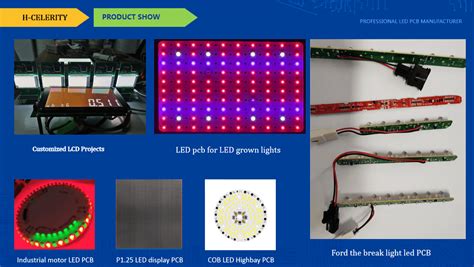
When exploring custom LED PCB manufacturing, you’ll discover how specialized PCB manufacturing companies create energy-efficient solutions tailored to modern lighting needs. By optimizing circuit designs, these manufacturers ensure PCB manufacturing cost remains competitive while delivering high-performance boards for industrial and consumer applications. For instance, thermal management techniques like copper-core substrates or heat sinks enhance durability, a critical factor for long-lasting LED systems.
PCB manufacturing business practices now prioritize sustainability, reducing power consumption through efficient layouts and materials. Here’s a quick comparison of traditional vs. advanced approaches:
| Aspect | Traditional PCBs | Advanced LED PCBs |
|---|---|---|
| Energy Efficiency | Moderate | High |
| Thermal Management | Basic heat dissipation | Integrated cooling solutions |
| Cost Efficiency | Lower initial cost | Long-term savings |
To achieve optimal results, partner with a reputable manufacturer that balances design flexibility with PCB manufacturing expertise. Their ability to integrate miniaturized components and high-density interconnects ensures your lighting solutions meet both performance and energy-saving goals.
When evaluating PCB manufacturing cost, consider factors like material selection, layer count, and production volume. For example, aluminum-backed boards might raise initial expenses but lower long-term maintenance costs. By focusing on durability and scalability, you’ll maximize ROI while contributing to greener lighting systems.
Understanding LED PCB Technology and Energy Efficiency
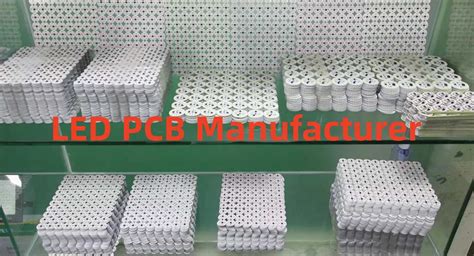
LED PCBs (Printed Circuit Boards) form the backbone of modern energy-efficient lighting systems, combining compact design with high durability. At their core, these boards integrate LEDs (Light-Emitting Diodes) onto specialized circuits that minimize power consumption while maximizing brightness and longevity. The success of such systems hinges on PCB manufacturing techniques tailored to handle heat dissipation, electrical stability, and material efficiency. For instance, PCB manufacturing companies often use aluminum substrates or thermally conductive materials to manage heat, ensuring LEDs operate at optimal temperatures for extended lifespans.
When designing energy-saving solutions, thermal management and circuit layout precision are critical. Poor heat distribution can degrade performance, while inefficient layouts may increase PCB manufacturing cost due to wasted materials or rework. By partnering with experienced PCB manufacturing businesses, you gain access to advanced processes like automated optical inspection (AOI) and precision etching, which reduce errors and enhance reliability.
Tip: Always verify that your manufacturer employs rigorous testing protocols for thermal and electrical performance—this ensures your LED PCB design aligns with energy-efficiency goals.
Energy efficiency in LED PCBs isn’t just about reducing wattage; it’s about optimizing every component. For example, using high-reflectivity solder masks or low-resistance copper traces minimizes energy loss. Innovations in PCB manufacturing, such as embedded components or flexible substrates, further enable slimmer designs without compromising durability. These advancements make LED PCBs ideal for both industrial settings, where ruggedness is key, and consumer applications like smart home lighting, where aesthetics and efficiency matter equally.
Ultimately, understanding the interplay between PCB manufacturing practices and energy-saving outcomes helps you select solutions that balance cost, performance, and sustainability. Whether upgrading existing systems or developing new ones, prioritizing technical expertise in PCB manufacturing companies ensures your lighting solutions meet today’s demands while preparing for tomorrow’s innovations.
Key Design Considerations for Custom LED Circuit Boards
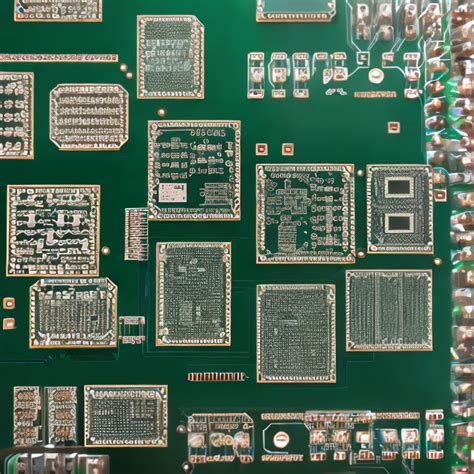
When developing custom LED PCBs for energy-saving lighting solutions, balancing performance, durability, and PCB manufacturing cost requires strategic planning. Start by prioritizing thermal management, as LEDs generate significant heat during operation. Opt for materials like aluminum-core or copper-based substrates to enhance heat dissipation, ensuring long-term reliability. Partnering with experienced PCB manufacturing companies ensures access to advanced thermal vias or heat sinks, which prevent overheating and maintain optimal brightness.
Next, consider trace layout and component placement. Narrow traces or improper spacing can lead to voltage drops or signal interference, reducing efficiency. Work with your manufacturer to design compact yet functional layouts that minimize PCB manufacturing complexity while supporting high-current pathways. Additionally, selecting the right solder mask and surface finish improves corrosion resistance—a critical factor for industrial applications exposed to harsh environments.
Material selection also impacts both performance and PCB manufacturing business scalability. For high-power LED arrays, metal-core PCBs (MCPCBs) offer superior thermal conductivity compared to standard FR-4 boards. However, if cost sensitivity is a priority, hybrid designs combining FR-4 with localized metal substrates might strike a balance. Always verify that your chosen PCB manufacturing partner can accommodate material-specific fabrication techniques without compromising turnaround times.
Finally, factor in electrical testing and quality control. Rigorous testing protocols, such as automated optical inspection (AOI) or thermal cycling, help identify defects early, reducing rework costs. By aligning your design goals with the capabilities of trusted PCB manufacturing companies, you can achieve energy-efficient lighting systems that meet both technical specifications and budgetary constraints.

Industrial and Consumer Applications of Energy-Saving LED Solutions
Custom LED PCB manufacturing plays a critical role in enabling energy-efficient lighting systems across industrial and consumer markets. In industrial settings, PCB manufacturing companies design circuits that withstand harsh environments while delivering consistent performance. For example, high-power LED arrays used in factory lighting or warehouse illumination rely on robust thermal management and compact layouts to ensure longevity. These solutions reduce PCB manufacturing cost over time by minimizing maintenance needs and energy consumption. Similarly, smart streetlights leverage custom PCBs to integrate motion sensors and adaptive dimming, cutting power usage by up to 60% compared to traditional systems.
On the consumer side, PCB manufacturing business innovations enable sleek, cost-effective designs for residential lighting, portable gadgets, and wearable tech. Think of LED strips for home ambiance or ultra-thin backlighting for televisions—both require precise circuit layouts to balance brightness and efficiency. Advanced thermal dissipation techniques, such as metal-core PCBs, prevent overheating in confined spaces, extending product lifespans. For IoT-enabled smart bulbs, manufacturers optimize power distribution networks to support wireless connectivity without compromising energy savings.
Choosing the right LED PCB manufacturer ensures your designs meet specific application demands. Industrial projects often prioritize durability and scalability, while consumer products focus on aesthetics and cost-efficiency. By collaborating with experienced PCB manufacturing companies, you can tailor materials, layer counts, and component placements to achieve optimal performance. Whether you’re retrofitting a factory or launching a consumer gadget, investing in high-quality PCB manufacturing translates to reliable, energy-saving solutions that align with sustainability goals.
Innovations Driving Performance in LED PCB Manufacturing
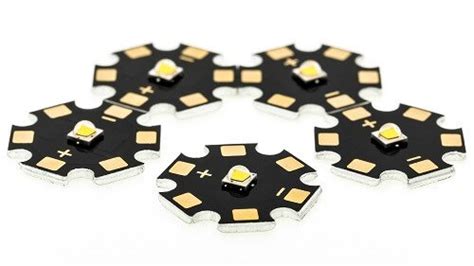
Advancements in PCB manufacturing are reshaping how energy-efficient lighting systems are designed and produced. Modern PCB manufacturing companies leverage cutting-edge technologies to create compact, high-performance LED circuits that meet the demands of both industrial and consumer applications. By integrating thermally conductive substrates like ceramic or metal-core materials, manufacturers enhance heat dissipation, ensuring longevity and reliability even in high-power environments. Innovations such as automated optical inspection (AOI) and laser drilling enable precise component placement, minimizing PCB manufacturing cost while maintaining strict quality standards.
The shift toward scalable production methods allows PCB manufacturing businesses to deliver customized solutions without compromising efficiency. For instance, advanced surface-mount technology (SMT) streamlines assembly, reducing material waste and energy consumption during fabrication. Additionally, the use of high-reflectance soldermask layers improves light output efficiency, a critical factor for energy-saving designs. These innovations not only optimize thermal management and electrical performance but also support thinner, lighter PCB profiles—ideal for space-constrained applications like automotive lighting or smart home systems.
Sustainability is further amplified through recyclable materials and lead-free processes, aligning with global eco-friendly initiatives. By partnering with a forward-thinking PCB manufacturing partner, you gain access to expertise in balancing performance metrics with cost-effectiveness, ensuring your LED solutions remain competitive in a rapidly evolving market.
Sustainability Benefits of Advanced LED Lighting Systems
By integrating advanced PCB manufacturing techniques, custom LED lighting systems deliver significant environmental advantages. These energy-efficient designs minimize power consumption while maintaining high brightness levels, directly contributing to reduced carbon footprints. Specialized PCB manufacturing companies prioritize materials and processes that enhance durability, ensuring longer product lifespans and less frequent replacements. This approach not only lowers resource waste but also aligns with global sustainability goals.
Optimized PCB manufacturing cost structures enable the production of compact, lightweight circuits that require fewer raw materials without compromising performance. For instance, precision-engineered boards improve heat dissipation, reducing the need for additional cooling components and further cutting energy use. When selecting a PCB manufacturing business, you benefit from scalable solutions tailored to industrial or consumer applications—whether for smart streetlights, commercial signage, or residential fixtures.
Innovations like recyclable substrates and lead-free soldering in PCB manufacturing processes further amplify eco-friendly outcomes. By leveraging these advancements, businesses can meet stringent environmental regulations while offering end-users cost-effective, long-term lighting solutions. The synergy between efficient design and responsible manufacturing ensures that advanced LED systems remain a cornerstone of sustainable infrastructure development.
Choosing a Reliable LED PCB Manufacturer for Optimal Results
When selecting a PCB manufacturing partner for custom LED solutions, prioritize companies with proven expertise in designing and producing energy-efficient circuits. High-quality PCB manufacturing companies combine advanced fabrication techniques with rigorous testing to ensure your LED boards meet performance and durability standards. Look for suppliers that specialize in LED PCB manufacturing, as they understand the unique thermal and electrical demands of energy-saving lighting systems.
Evaluate their capabilities in minimizing PCB manufacturing cost without compromising quality. Reputable providers optimize material selection, layer stacking, and assembly processes to reduce waste and lower expenses. For instance, using cost-effective yet reliable substrates like aluminum-backed PCBs can enhance heat dissipation while keeping production budgets manageable. However, avoid sacrificing critical features like precision trace routing or thermal vias purely to cut costs—these elements are vital for long-term reliability.
A trustworthy PCB manufacturing business will also offer design support to address challenges such as thermal management and component density. Ask about their experience with high-power LED applications and whether they provide prototyping services to validate designs before full-scale production. Certifications like ISO 9001 or UL listing further indicate adherence to industry standards, ensuring your boards perform consistently in both industrial and consumer environments.
Finally, consider scalability. Partnering with a manufacturer capable of scaling production seamlessly ensures you can meet fluctuating demand without delays. Transparent communication about timelines, PCB manufacturing cost structures, and quality control processes helps build a collaborative relationship, ultimately delivering LED solutions that balance efficiency, durability, and affordability.
Thermal Management Strategies for Durable LED PCB Designs
Effective thermal management is critical for ensuring the longevity and reliability of LED PCB designs, especially in high-performance lighting systems. Since LEDs generate heat during operation, poor thermal dissipation can lead to premature failure, color shifts, or reduced brightness. To address this, PCB manufacturing companies prioritize strategies like using metal-core substrates (e.g., aluminum or copper) that offer superior heat conductivity compared to traditional FR4 materials. These substrates act as heat spreaders, transferring excess thermal energy away from sensitive components.
Another key approach involves optimizing PCB manufacturing processes to integrate thermal vias—small holes filled with conductive material—that channel heat from the top layer to the bottom or inner layers. Combining this with high-quality solder masks and adhesives ensures components remain securely bonded even under thermal stress. For applications requiring extreme durability, PCB manufacturing businesses may also recommend adding heat sinks or active cooling solutions like fans, which work synergistically with the board’s design to maintain stable temperatures.
Designers must also consider component placement and trace routing to minimize localized hotspots. For example, spacing high-power LEDs farther apart and using wider traces reduces resistance and heat buildup. Advanced simulation tools allow PCB manufacturing teams to model thermal behavior during the design phase, identifying potential issues before production. While these strategies may slightly increase PCB manufacturing cost, they significantly enhance product lifespan, reducing long-term maintenance and replacement expenses.
Ultimately, partnering with experienced PCB manufacturing companies ensures your LED solutions balance performance, durability, and energy efficiency. By leveraging specialized materials, intelligent layouts, and rigorous testing protocols, you can achieve lighting systems that thrive in demanding industrial or consumer environments.
Future Trends in Customized LED Circuit Board Development
As demand grows for smarter, more efficient lighting systems, PCB manufacturing is evolving to meet the unique needs of next-generation LED applications. You’ll see a stronger focus on miniaturization and modular designs, enabling compact yet high-output lighting solutions for space-constrained environments. Leading PCB manufacturing companies are integrating advanced materials like flexible substrates and thermally conductive ceramics, which enhance durability while addressing heat dissipation challenges inherent to high-density LED arrays.
Emerging trends also emphasize IoT-enabled connectivity, where custom LED PCBs are designed with embedded sensors and wireless controls. This shift allows you to create lighting systems that adapt dynamically to user behavior or environmental conditions, optimizing energy savings. Innovations in PCB manufacturing cost reduction—such as automated assembly processes and standardized modular templates—are making customized solutions more accessible for both industrial and consumer projects.
Another critical development is the use of AI-driven design tools to accelerate prototyping. These tools analyze thermal performance, power distribution, and component placement to ensure reliability without compromising on energy efficiency. For businesses in the PCB manufacturing business, adopting eco-friendly practices—like lead-free finishes and recyclable materials—will become a competitive differentiator as sustainability regulations tighten globally.
Finally, expect hybrid designs that combine traditional rigid PCBs with flexible circuits, enabling unconventional form factors for architectural or wearable lighting. By partnering with forward-thinking PCB manufacturing companies, you can leverage these trends to deliver lighting solutions that balance performance, longevity, and cost-effectiveness in an increasingly energy-conscious market.
Conclusion
When seeking custom LED PCB manufacturing for energy-saving lighting solutions, partnering with specialized PCB manufacturing companies ensures you receive circuits tailored to optimize performance while minimizing PCB manufacturing cost. These providers leverage advanced techniques to design compact, durable boards that meet industrial and consumer demands, balancing efficiency with long-term reliability. By prioritizing thermal management and material selection, they address heat dissipation challenges inherent in high-power LED applications, extending product lifespans and reducing maintenance needs.
The PCB manufacturing business thrives on innovation, integrating technologies like automated testing and precision etching to enhance circuit accuracy and scalability. This focus on quality not only supports energy-efficient lighting systems but also aligns with global sustainability goals by lowering power consumption and waste. When evaluating suppliers, consider their expertise in minimizing PCB manufacturing cost without compromising on features like impedance control or layered designs, which are critical for complex lighting configurations.
Ultimately, the right PCB manufacturing partner will deliver solutions that adapt to evolving industry standards, ensuring your LED applications remain competitive in a market increasingly driven by smart lighting and IoT integration. By prioritizing collaboration with experienced manufacturers, you secure a foundation for scalable, future-ready energy-saving systems.
FAQs
What are the benefits of custom LED PCB manufacturing for energy-efficient lighting?
Custom PCB manufacturing allows you to design compact, high-performance circuits tailored to specific lighting needs. These boards optimize thermal management and power distribution, reducing energy consumption while enhancing durability for industrial or residential applications.
How do PCB manufacturing companies ensure quality in LED circuit boards?
Reputable PCB manufacturing companies use advanced materials like high-thermal-conductivity substrates and automated testing processes. This ensures consistent performance, longevity, and compliance with industry standards for energy-saving lighting systems.
Does custom PCB manufacturing cost more than standard solutions?
While PCB manufacturing cost may initially seem higher for custom designs, they often lead to long-term savings. Efficient layouts minimize material waste, and optimized circuits reduce power usage, lowering operational expenses over time.
What factors influence the durability of LED PCBs in harsh environments?
Durability depends on design choices like copper thickness, solder mask quality, and thermal management strategies. Partnering with experienced PCB manufacturing providers ensures robust boards capable of withstanding temperature fluctuations and mechanical stress.
How can a PCB manufacturing business support sustainable lighting solutions?
A forward-thinking PCB manufacturing business prioritizes eco-friendly practices, such as lead-free finishes and recyclable materials. They also design boards that extend product lifespans, reducing electronic waste and supporting energy-efficient initiatives.
Why is thermal management critical in LED PCB design?
LEDs generate heat during operation, which can degrade performance. Effective thermal management—through heat sinks or thermal vias—ensures stable operation and prolongs the lifespan of energy-saving lighting systems.
Ready to Optimize Your Lighting Solutions?
Explore how custom PCB manufacturing can elevate your energy-efficient projects. Click here to connect with experts who specialize in high-performance LED circuit boards tailored to your needs.