
EMS PCB: Printed Circuit Board in Electronic Manufacturing Services
Introduction
Printed circuit boards (PCBs) are a vital component in the production of modern electronic products. With the continuous advancement of technology, the complexity and functionality of electronic products are constantly improving, which puts higher requirements on the design and manufacture of PCBs. As an important link in PCB production and assembly, electronic manufacturing services (EMS) are gradually becoming an indispensable part of the electronic industry chain. This article will explore the concept, development history, manufacturing process, market status and future trends of EMS PCB in depth.
1.Definition of EMS and PCB
1.1 Definition of EMS
Electronic manufacturing services (EMS) refer to comprehensive services that provide design, manufacturing, assembly, testing and after-sales services for electronic products. EMS companies usually work with original equipment manufacturers (OEMs) to help them reduce production costs, shorten time to market, and improve product quality.
1.2 Definition of PCB
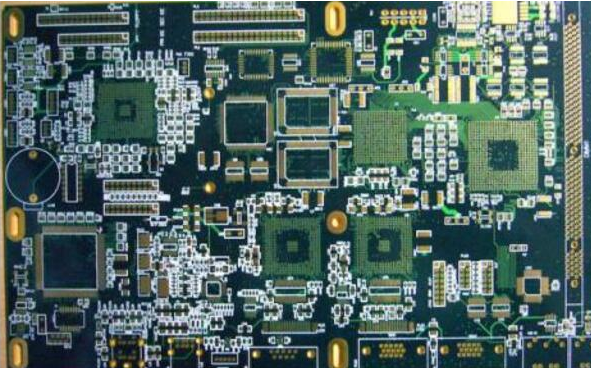
Printed circuit boards (PCBs) are infrastructure structures used to support and connect electronic components. PCBs connect electronic components together through conductive lines to form circuits. The design and manufacture of PCBs directly affect the performance and reliability of electronic products.
2.Development History of EMS PCB
2.1 Early Development
The history of PCB can be traced back to the early 20th century, but the real industrial production began in the 1950s. With the popularization of electronic products, the demand for PCB has continued to increase, which has promoted the development of its manufacturing technology.
2.2 The Rise of EMS
In the 1980s, with the acceleration of globalization, many OEMs chose to outsource production to EMS companies to reduce costs and increase flexibility. This trend has led to the rapid development of the EMS industry and has become an important force in global electronic manufacturing.
2.3 Technological Progress
Entering the 21st century, with the rapid development of electronic technology, the manufacturing process of EMS PCB has been continuously upgraded. The emergence of new technologies such as high-density interconnect (HDI), flexible circuit boards (FPC) and multi-layer PCBs has made the design of PCBs more complex and the functions more diverse.
3.Manufacturing Process of EMS PCB
3.1 PCB Design
The design of PCB is the first step in the entire manufacturing process, usually using computer-aided design (CAD) software. Designers need to consider factors such as circuit layout, signal integrity, and heat dissipation to ensure the performance of PCBs in actual applications.
3.2 Material Selection
The material selection of PCBs is crucial to their performance. Common PCB materials include FR-4, CEM-1, and aluminum substrates. Different materials have different electrical properties, thermal conductivity, and mechanical strength. Designers need to choose the right material according to the specific application.
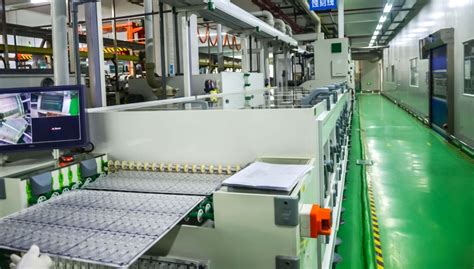
3.3 Manufacturing Process
The manufacturing process of PCBs usually includes the following steps:
Printing circuit pattern: Transferring the circuit pattern to the substrate through photolithography.
Etching: Removing excess copper layers to form conductive lines.
Drilling: Drilling holes in the PCB for mounting components and making electrical connections.
Electroplating: Plating a layer of metal on the hole wall to improve conductivity.
Surface treatment: Treating the surface of the PCB to improve welding performance and corrosion resistance.
3.4 Assembly
After the PCB is manufactured, the EMS company will assemble it. The assembly process includes the mounting, welding, and testing of components. Modern EMS companies usually use automated equipment for patch and welding to improve production efficiency and product quality.
4. Market status of EMS PCB
4.1 Market size
According to data from market research institutions, the global EMS market size has continued to grow in the past few years and is expected to maintain steady growth in the next few years. Especially in the fields of consumer electronics, automotive electronics and industrial automation, the demand for EMS PCB continues to increase.
4.2 Competitive landscape
The EMS industry is highly competitive, and major players include large companies such as Foxconn, Flextronics, and Jabil. These companies have dominated the market with their strong technical strength and production capacity. At the same time, many small and medium-sized EMS companies are also looking for opportunities in specific market segments.
4.3 Continuous innovation
In order to maintain their competitive advantage, EMS companies continue to carry out technological innovation and process improvement. For example, they use advanced automation equipment, intelligent manufacturing technology and data analysis tools to improve production efficiency and product quality.
5.Future Trends of EMS PCB
5.1 Intelligent Manufacturing
With the advancement of Industry 4.0, intelligent manufacturing will become an important development direction of the EMS PCB industry. Through technologies such as the Internet of Things (IoT), big data, and artificial intelligence (AI), EMS companies can achieve real-time monitoring and optimization of the production process and improve production efficiency and flexibility.
5.2 Environmental Protection and Sustainable Development
With the global attention to environmental protection and sustainable development, the EMS PCB industry is also facing new challenges. In the future, companies need to take more environmentally friendly measures in material selection, production processes, and waste disposal to meet market demand and regulatory requirements.
5.3 The Rise of Emerging Markets
With the rapid development of emerging markets, especially in Asia and Africa, the demand for EMS PCB will continue to grow. Companies need to pay attention to changes in these markets and adjust their strategies in a timely manner to seize new business opportunities.
Conclusion
As an important part of electronic manufacturing services, EMS PCB plays an indispensable role in the modern electronics industry. With the continuous advancement of science and technology and changes in market demand, the EMS PCB industry will face new opportunities and challenges. Enterprises need to continue to innovate and improve their technology to adapt to future development trends. By optimizing production processes, improving product quality and strengthening environmental awareness, the EMS PCB industry will usher in a brighter future.