
Expert PCB Fabrication from Prototype to Production
Key Takeaways
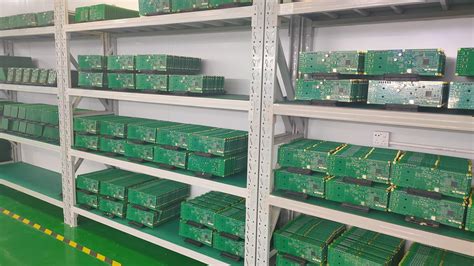
When navigating PCB manufacturing processes, understanding the bridge between prototyping and full-scale production is critical Leading PCB manufacturing companies emphasize design for manufacturability (DFM) reviews to identify potential flaws early, ensuring your design aligns with production capabilities This step not only reduces PCB manufacturing cost but also minimizes delays caused by rework For time-sensitive projects, quick-turn fabrication services enable rapid iteration, allowing you to test and refine prototypes before committing to large batches
Selecting a partner for your PCB manufacturing business requires evaluating their compliance certifications, such as ITAR-compliant options for defense-related projects, and their ability to scale without compromising quality Transparent cost structures—factoring in material choices, layer counts, and finishing options—help avoid unexpected expenses Additionally, precision assembly processes like automated optical inspection (AOI) and X-ray verification ensure consistency across high-volume orders
Transitioning from prototype to production demands scalability planning Reputable manufacturers offer seamless scalability through standardized workflows, ensuring design integrity remains intact even as order volumes grow Prioritize partners with global logistics networks to streamline delivery timelines, especially for complex multilayer boards By balancing PCB manufacturing cost with technical expertise, you can optimize both project timelines and long-term product reliability
PCB Prototyping to Production Solutions
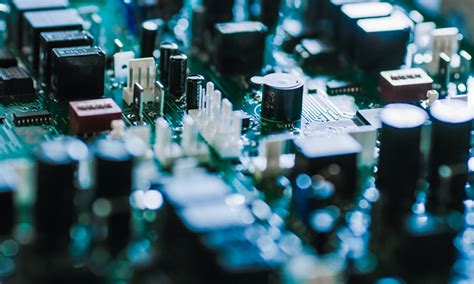
Navigating the journey from PCB manufacturing prototypes to full-scale production requires a strategic approach to balance speed, quality, and scalability Modern PCB manufacturing companies specialize in bridging this gap by offering integrated workflows that maintain design integrity while optimizing PCB manufacturing cost structures When evaluating partners, prioritize those with robust prototyping capabilities—such as 24-hour turnaround options—paired with production-grade infrastructure to ensure seamless transition as your project scales
A critical factor in this process is design for manufacturability (DFM) analysis During prototyping, engineers review your design to identify potential assembly challenges, material mismatches, or tolerance issues that could escalate PCB manufacturing business expenses downstream This preemptive step reduces costly redesigns and ensures your final product aligns with industry reliability standards For high-volume orders, advanced manufacturers leverage automated optical inspection (AOI) and impedance testing to maintain consistency across batches
Cost optimization hinges on material selection, layer count, and panelization strategies While prototypes often use standard FR-4 substrates, production-scale PCB manufacturing might require specialized materials like Rogers or polyimide for high-frequency or flexible applications Reputable providers offer transparent pricing models that break down PCB manufacturing cost components, helping you balance performance requirements with budget constraints
Scalability becomes paramount when transitioning from low-volume prototypes to mass production Leading PCB manufacturing companies employ modular production lines that allow simultaneous handling of prototype validation and full-scale output This dual-track approach minimizes lead times while maintaining strict quality controls—a vital consideration for industries like aerospace or medical devices where compliance and traceability are non-negotiable
For projects requiring regulatory adherence, such as ITAR-controlled applications, verify that your chosen partner holds necessary certifications and offers segregated production environments This ensures compliance without compromising the agility of your PCB manufacturing business operations By aligning prototyping and production phases under a single provider, you gain unified accountability, reduced logistical complexity, and accelerated time-to-market for your electronics solutions
Quick-Turn PCB Fabrication Services
When time-sensitive projects demand rapid execution, partnering with pcb manufacturing companies that specialize in quick-turn services becomes critical These providers streamline the fabrication process to deliver functional prototypes or low-volume production batches within days, not weeks By optimizing workflows and leveraging advanced machinery, they reduce pcb manufacturing cost while maintaining adherence to IPC Class 2/3 standards
Key advantages of quick-turn services include:
- Accelerated lead times (24–72 hours for prototypes)
- Real-time design feedback to avoid costly revisions
- Scalability from 10 to 1,000+ units without compromising quality
| Service Tier | Lead Time | Ideal For | Cost per Unit |
|---|---|---|---|
| Standard | 10–14 days | Bulk orders | $–$$ |
| Quick-Turn | 1–3 days | Prototypes | $$–$$$ |
However, not all pcb manufacturing business models prioritize speed equally When evaluating providers, verify their capability to perform automated DFM checks and material traceability For instance, high-frequency RF designs may require specialized substrates like Rogers 4350B, which some rapid-turn shops might not stock Additionally, clarify whether expedited shipping or panelization options are included in the quoted pcb manufacturing cost
To maximize efficiency, share Gerber files with clear layer annotations and specify testing requirements (e.g., flying probe vs AOI) upfront Reputable pcb manufacturing partners will align their processes with your technical needs, whether you’re iterating a medical device prototype or ramping up automotive sensor production Remember: speed should never override precision—ensure your vendor balances both
DFM Review for Reliable PCB Assembly
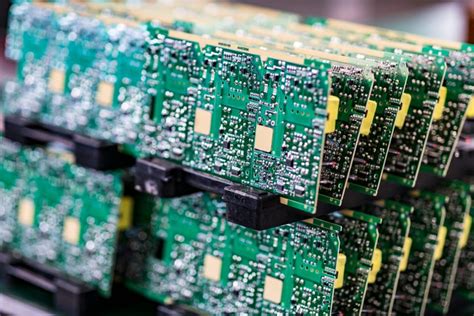
A robust DFM (Design for Manufacturability) review is the backbone of successful PCB manufacturing, ensuring your design transitions smoothly from concept to functional product Even the most innovative circuit layouts can falter if they aren’t optimized for real-world production constraints By collaborating with experienced PCB manufacturing companies, you gain access to engineers who scrutinize your design for potential fabrication pitfalls, from trace spacing inconsistencies to thermal management oversights
"A thorough DFM analysis reduces PCB manufacturing cost by identifying redesign opportunities early—saving you time, materials, and costly post-production fixes."
During the review, experts evaluate factors like material compatibility, layer stack-up feasibility, and component placement efficiency For instance, a design with ultra-thin traces might meet electrical requirements but could increase the risk of breakage during assembly Proactive adjustments at this stage prevent delays and ensure your PCB manufacturing business stays on schedule
Consider how ITAR-compliant options (mentioned earlier) intersect with DFM: designs requiring specialized materials or security protocols undergo additional checks to maintain compliance without sacrificing performance This dual focus on technical and regulatory precision is why global manufacturers prioritize partners offering end-to-end DFM integration
Transitioning to mass production? A rigorous DFM review ensures scalability For example, designs optimized for high-speed automated assembly reduce bottlenecks, allowing PCB manufacturing companies to maintain consistency across large batches Curious how this applies to your project? Connect with a trusted partner to explore tailored solutions
By embedding DFM principles early, you transform theoretical designs into manufacturable realities—balancing innovation with the practical demands of modern PCB manufacturing
ITAR-Compliant PCB Manufacturing Options
When sourcing PCB manufacturing services for defense, aerospace, or other sensitive applications, compliance with International Traffic in Arms Regulations (ITAR) isn’t optional—it’s a legal imperative ITAR-compliant PCB manufacturing companies must adhere to strict controls on technical data, material sourcing, and personnel access to ensure designs related to defense articles remain secure This requires facilities to implement rigorous documentation practices, secure supply chains, and controlled access protocols—factors that directly influence both the PCB manufacturing cost and operational workflows
For projects requiring ITAR compliance, partnering with certified manufacturers is critical These providers typically hold certifications like the Defense Federal Acquisition Regulation Supplement (DFARS) and maintain dedicated teams trained in handling export-controlled designs Key considerations include verifying a supplier’s ability to isolate ITAR-regulated projects from non-compliant workflows, as cross-contamination risks can lead to severe penalties Additionally, PCB manufacturing business models that offer end-to-end traceability—from raw material procurement to final assembly—reduce vulnerabilities in the production chain
While ITAR adherence may increase upfront PCB manufacturing cost due to enhanced security measures and specialized labor, the long-term benefits of avoiding legal repercussions and safeguarding intellectual property far outweigh these expenses When evaluating partners, prioritize transparency in their compliance frameworks, including audit reports and employee screening processes Pro tip: Request a detailed breakdown of how their facility aligns with ITAR’s technical and physical security requirements, such as restricted server access for design files or encrypted communication channels
By selecting PCB manufacturing companies with proven ITAR expertise, you ensure scalability from prototype to full production without compromising regulatory obligations This alignment is especially vital for global manufacturers navigating multi-jurisdictional projects, where even minor oversights in documentation or material sourcing can delay timelines or trigger compliance audits
Trusted Global PCB Manufacturer Partnerships
When scaling your electronics project from prototype to full-scale production, establishing relationships with strategic PCB manufacturing companies becomes critical These partnerships extend beyond transactional interactions, evolving into collaborative frameworks that address complex challenges in PCB manufacturing cost optimization, supply chain resilience, and compliance adherence
Leading PCB manufacturing providers offer more than technical capabilities—they bring localized expertise in regulatory standards, material sourcing, and logistics For instance, partnering with firms that maintain ITAR-compliant facilities ensures sensitive projects meet defense contracting requirements, while those with multi-region production hubs mitigate risks like geopolitical disruptions A well-vetted partner will proactively conduct DFM reviews to identify potential assembly bottlenecks, reducing costly redesigns later
Cost efficiency in the PCB manufacturing business hinges on transparent pricing models and volume flexibility Reputable manufacturers provide tiered pricing for low-volume prototyping and high-volume runs, allowing you to align expenditures with project milestones Some even offer value-added services like component procurement or testing integration, further streamlining your workflow
To build lasting partnerships, prioritize manufacturers with certifications like ISO 9001 or IPC Class 3, which validate consistent quality control Regular audits of their production processes, coupled with real-time order tracking systems, ensure accountability at every stage Case studies from industries like automotive or aerospace can illustrate their ability to maintain precision under stringent timelines
By aligning with global PCB manufacturing experts, you gain access to cross-industry insights that inform better design choices and material selections This collaborative approach not only accelerates time-to-market but also future-proofs your operations against evolving technological and regulatory demands
Precision PCB Assembly Process Guide
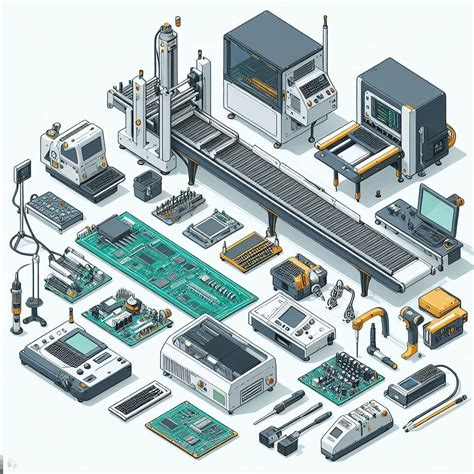
Achieving consistent quality in PCB manufacturing requires meticulous attention to every stage of the assembly process From component placement to final inspection, each step directly impacts performance, reliability, and PCB manufacturing cost Here’s how leading PCB manufacturing companies ensure precision while balancing efficiency and scalability
The process begins with a thorough design-for-manufacturability (DFM) review, where engineers verify component footprints, trace spacing, and material compatibility This proactive step minimizes errors that could escalate costs or delay timelines For high-mix, low-volume projects—common in aerospace or medical device PCB manufacturing business—this review ensures designs align with specialized production capabilities
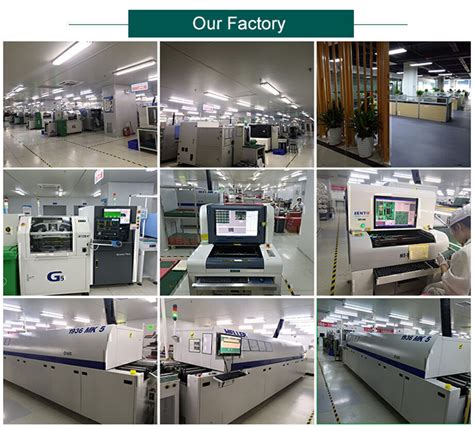
During assembly, automated optical inspection (AOI) systems validate solder paste application accuracy, while pick-and-place machines handle micron-level component positioning Advanced PCB manufacturing companies integrate real-time monitoring to detect deviations, such as tombstoning or skewed parts, before they affect yield rates For mission-critical applications, X-ray inspection further verifies hidden connections like ball grid arrays (BGAs)
Material selection also plays a pivotal role High-Tg laminates or halogen-free substrates might be specified to meet thermal or regulatory demands, directly influencing PCB manufacturing cost structures Partnering with a manufacturer that offers material diversification ensures adaptability without compromising turnaround times
Post-assembly, rigorous testing—including in-circuit (ICT) and functional testing—confirms electrical performance Manufacturers catering to defense or aerospace sectors often combine these tests with ITAR-compliant protocols to safeguard sensitive data, a critical consideration when selecting partners for your PCB manufacturing business
By aligning your project with a manufacturer that prioritizes process transparency and certified quality systems (like ISO 9001 or AS9100), you gain control over both precision and scalability This approach not only streamlines prototyping-to-production transitions but also future-proofs your supply chain against evolving technical requirements
Choosing Quality PCB Manufacturer Criteria
When selecting a PCB manufacturing partner, prioritizing technical expertise and process transparency ensures your project’s success Start by evaluating a company’s capabilities across design, prototyping, and volume production Leading PCB manufacturing companies integrate advanced technologies like laser drilling and multilayer stacking, which directly impact reliability for high-frequency or miniaturized designs
Certifications are non-negotiable Look for ISO 9001 compliance, UL listing, or ITAR registration if your project involves defense or aerospace applications These credentials validate adherence to industry standards and regulatory requirements For instance, ITAR-compliant facilities implement strict data security protocols—critical when handling sensitive projects
PCB manufacturing cost often influences decisions, but balancing affordability with quality is key Request detailed breakdowns that include material grades, surface finishes, and testing fees Some providers offer tiered pricing for bulk orders, but confirm whether scaled production aligns with your timeline A value-driven approach avoids compromises in solderability or thermal performance, which could escalate expenses during assembly
Assess their PCB manufacturing business model for scalability Can they transition prototypes to full-scale production without redesigns? Reliable partners conduct thorough DFM (Design for Manufacturing) reviews early, identifying issues like inadequate trace spacing or improper pad sizing This step minimizes delays and ensures seamless scalability
Quality control processes separate exceptional manufacturers from average ones Inquire about their testing protocols—automated optical inspection (AOI), X-ray imaging, and electrical testing should be standard For high-reliability applications, environmental stress testing (e.g., thermal cycling, vibration resistance) becomes essential
Finally, prioritize communication Transparent partners provide real-time updates on order status and proactively address supply chain risks Whether you’re optimizing PCB manufacturing cost or navigating complex compliance requirements, a collaborative relationship ensures alignment with your technical and operational goals
Seamless PCB Prototype Scalability Tips
When scaling your PCB manufacturing process from prototype to full production, planning for seamless scalability ensures efficiency and cost-effectiveness Start by designing prototypes with modular layouts that allow easy replication This approach minimizes redesign efforts and reduces PCB manufacturing cost when transitioning to higher volumes For instance, aligning component placements with automated assembly standards early on can prevent costly adjustments later
Another key strategy is collaborating with PCB manufacturing companies during the prototyping phase Their expertise in design-for-manufacturability (DFM) reviews helps identify potential bottlenecks, such as trace spacing or material compatibility issues, before they escalate Proactive DFM feedback ensures your design aligns with production-ready specifications, accelerating scalability without compromising quality
Material selection also plays a critical role Opt for substrates and finishes that balance performance and availability Specialty materials might suit prototypes but could strain supply chains during mass production, increasing PCB manufacturing business overhead Partner with suppliers who guarantee consistent material access to avoid delays
To further streamline scalability, implement automated testing protocols at the prototype stage Automated optical inspection (AOI) and functional testing systems can be scaled alongside production volumes, ensuring consistent quality control This reduces manual labor costs and minimizes defects as order sizes grow
Finally, consider flexible order agreements with your manufacturer Many PCB manufacturing partners offer tiered pricing models that adjust with volume changes, allowing you to scale without overcommitting resources By aligning production timelines with market demand, you maintain agility while optimizing PCB manufacturing cost structures
These strategies create a foundation for scaling prototypes into high-volume runs efficiently, ensuring your designs evolve smoothly from concept to market-ready solutions
Conclusion
Selecting the right PCB manufacturing partner is critical to bridging the gap between design innovation and market-ready products As you scale from prototype to full-scale production, the expertise of PCB manufacturing companies becomes evident in their ability to balance speed, quality, and PCB manufacturing cost efficiencies A reliable partner will not only offer quick-turn solutions but also integrate design-for-manufacturability (DFM) insights early in the process, reducing risks of delays or rework
When evaluating options, prioritize firms that demonstrate transparency in supply chain management and flexibility to adapt to evolving technical requirements For businesses handling sensitive applications, verifying ITAR compliance or other regulatory certifications ensures alignment with industry-specific standards Additionally, understanding the PCB manufacturing business model—whether it emphasizes high-mix, low-volume projects or mass production—helps match your needs with a provider’s core competencies
Cost optimization remains a cornerstone of successful partnerships While PCB manufacturing cost varies based on material choices, layer counts, and turnaround times, experienced manufacturers leverage economies of scale without compromising precision They also provide actionable data—such as yield rates and failure analysis—to refine future designs
Ultimately, the goal is to establish a collaborative relationship where technical expertise meets operational agility By aligning your priorities with a manufacturer’s capabilities, you create a foundation for seamless scalability, ensuring each iteration—from initial concept to final product—delivers consistent performance and reliability
Frequently Asked Questions
How does the design complexity affect PCB manufacturing cost?
Design elements like layer count, trace width, and material specifications directly influence costs High-density interconnects or specialized substrates often require advanced PCB manufacturing techniques, increasing production expenses Simplified designs with standardized materials can optimize budgets without compromising quality.
What criteria should I prioritize when selecting PCB manufacturing companies?
Focus on certifications (e.g., ISO, UL), technical expertise in your industry, and scalability for future projects Reliable PCB manufacturing companies provide transparent DFM review processes and offer ITAR-compliant options for sensitive applications Always verify their capacity to handle both prototyping and full-scale production.
Can PCB manufacturing business startups access quick-turn services?
Yes, many manufacturers cater to startups with flexible order sizes and rapid prototyping However, confirm minimum order quantities (MOQs) and whether the PCB manufacturing business offers design support to avoid costly revisions Partnering with a manufacturer that scales with your growth ensures seamless transitions from prototype to mass production.
How do global partnerships impact PCB manufacturing timelines?
Collaborating with geographically diverse PCB manufacturing companies reduces logistical delays and ensures 24/7 production cycles Look for partners with certified shipping protocols and regional warehouses to maintain consistent delivery speeds, even for complex multilayer boards.
What hidden factors influence PCB manufacturing cost estimates?
Beyond material and labor, costs may rise due to testing requirements, surface finishes (e.g., ENIG, HASL), or compliance certifications Always request a detailed breakdown during quoting to avoid surprises Some manufacturers offer cost-saving alternatives without sacrificing reliability.
Ready to Optimize Your PCB Workflow?
Click here to explore tailored PCB manufacturing solutions that align with your project’s unique demands Visit Andwin PCB’s expert services now