
Comprehensive Guide to PCB Inspection: Ensuring Quality and Reliability
Introduction
Printed Circuit Boards (PCBs) are the backbone of modern electronics, serving as the foundation for the interconnection and support of various electronic components. Given their critical role, the quality and reliability of PCBs are paramount. PCB inspection is a crucial step in the manufacturing process, ensuring that the boards meet the required standards and function as intended. This article provides an in-depth exploration of PCB inspection, covering its importance, various inspection methods, and the latest trends in inspection technology.
1. Importance of PCB Inspection
1.1. Ensuring Quality and Reliability
PCB inspection is essential for ensuring the quality and reliability of electronic devices. Defects in PCBs can lead to a range of issues, including electrical failures, reduced performance, and shortened lifespan. By identifying and addressing defects early in the manufacturing process, PCB inspection helps to prevent costly repairs and recalls.
1.2. Compliance with Standards
PCBs must comply with various industry standards and regulations, such as IPC (Association Connecting Electronics Industries) standards. PCB inspection ensures that the boards meet these standards, which cover aspects such as solder joint quality, trace integrity, and component placement.
1.3. Reducing Manufacturing Costs
Early detection of defects through PCB inspection can significantly reduce manufacturing costs. By identifying and addressing issues before they escalate, manufacturers can avoid the expense of rework, scrap, and warranty claims.
1.4. Enhancing Customer Satisfaction
High-quality PCBs lead to reliable and high-performing electronic devices, which in turn enhance customer satisfaction. PCB inspection helps to ensure that the final product meets or exceeds customer expectations.
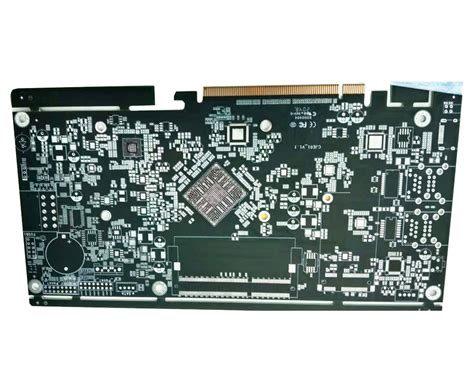
2. Types of PCB Inspection Methods
2.1. Visual Inspection
Visual inspection is the most basic form of PCB inspection, involving a manual or automated examination of the board for visible defects.
- Manual Visual Inspection (MVI): Technicians use magnifying tools, such as microscopes, to inspect the PCB for defects such as solder bridges, misaligned components, and surface scratches.
- Automated Optical Inspection (AOI): AOI systems use cameras and image processing software to automatically inspect PCBs for defects. AOI is faster and more consistent than manual inspection, making it suitable for high-volume production.
2.2. Electrical Testing
Electrical testing involves verifying the electrical functionality of the PCB.
- Continuity Testing: This test checks for open circuits by ensuring that electrical connections are continuous.
- Insulation Resistance Testing: This test measures the resistance between conductive traces to ensure that there are no short circuits.
- In-Circuit Testing (ICT): ICT involves using a bed-of-nails fixture to test individual components and circuits on the PCB. It can detect issues such as incorrect component values, open circuits, and short circuits.
2.3. X-Ray Inspection
X-ray inspection is used to examine the internal structure of the PCB, particularly for hidden defects such as voids in solder joints and misaligned vias.
- 2D X-Ray Inspection: Provides a two-dimensional image of the PCB, useful for inspecting solder joints and vias.
- 3D X-Ray Inspection: Offers a three-dimensional view, allowing for more detailed analysis of complex structures and defects.
2.4. Automated Optical Inspection (AOI)
AOI systems use high-resolution cameras and advanced image processing algorithms to inspect PCBs for defects.
- Component Placement: AOI can verify the correct placement and orientation of components.
- Solder Joint Quality: AOI can detect solder defects such as bridges, insufficient solder, and tombstoning.
- Trace Integrity: AOI can identify issues such as broken traces, shorts, and misaligned pads.
2.5. Functional Testing
Functional testing involves testing the PCB under real-world operating conditions to ensure that it performs as intended.
- Power-On Testing: The PCB is powered on, and its functionality is tested using test scripts and automated test equipment (ATE).
- Boundary Scan Testing: This method uses built-in test circuitry (JTAG) to test the interconnections between components on the PCB.
3. Advanced PCB Inspection Techniques
3.1. Laser Scanning Inspection
Laser scanning inspection uses laser beams to scan the surface of the PCB and detect defects.
- High Precision: Laser scanning offers high precision and can detect minute defects that may be missed by other methods.
- Non-Contact: The non-contact nature of laser scanning reduces the risk of damaging the PCB during inspection.
3.2. Thermal Imaging
Thermal imaging involves using infrared cameras to detect heat patterns on the PCB.
- Hot Spot Detection: Thermal imaging can identify hot spots, which may indicate issues such as short circuits or overheating components.
- Thermal Profiling: This technique is used to analyze the thermal performance of the PCB and ensure that it operates within safe temperature limits.
3.3. Acoustic Microscopy
Acoustic microscopy uses high-frequency sound waves to inspect the internal structure of the PCB.
- Delamination Detection: Acoustic microscopy can detect delamination and voids in the PCB layers.
- Non-Destructive: This method is non-destructive, making it suitable for inspecting finished PCBs.
3.4. Flying Probe Testing
Flying probe testing uses movable probes to test the electrical connections on the PCB.
- Flexibility: Flying probe testing is highly flexible and can be used for prototypes and low-volume production.
- No Fixture Required: Unlike ICT, flying probe testing does not require a custom fixture, reducing setup time and cost.
4. Latest Trends in PCB Inspection Technology
4.1. Artificial Intelligence (AI) and Machine Learning
AI and machine learning are being increasingly integrated into PCB inspection systems.
- Defect Recognition: AI algorithms can improve defect recognition by learning from large datasets of PCB images.
- Predictive Maintenance: Machine learning can be used to predict and prevent defects by analyzing historical inspection data.
4.2. 3D Inspection
3D inspection technologies are becoming more prevalent, offering detailed analysis of PCB structures.
- Enhanced Accuracy: 3D inspection provides enhanced accuracy and can detect complex defects that are difficult to identify with 2D methods.
- Comprehensive Analysis: 3D inspection allows for comprehensive analysis of solder joints, vias, and other critical features.
4.3. In-Line Inspection
In-line inspection systems are being integrated into the production line, enabling real-time inspection and feedback.
- Immediate Feedback: In-line inspection provides immediate feedback, allowing for quick correction of defects.
- Process Optimization: Real-time data from in-line inspection can be used to optimize the manufacturing process and improve yield.
4.4. Automated Defect Classification
Automated defect classification systems use AI to classify and categorize defects, reducing the need for manual intervention.
- Consistency: Automated classification ensures consistent and objective defect categorization.
- Efficiency: This technology improves inspection efficiency by reducing the time required for defect analysis.
5. Conclusion
PCB inspection is a critical step in the manufacturing process, ensuring the quality, reliability, and performance of electronic devices. Various inspection methods, including visual inspection, electrical testing, X-ray inspection, and advanced techniques such as laser scanning and thermal imaging, are used to detect and address defects. The integration of AI, machine learning, and 3D inspection technologies is driving advancements in PCB inspection, enabling more accurate and efficient defect detection. As the electronics industry continues to evolve, PCB inspection will play an increasingly important role in ensuring the production of high-quality and reliable electronic devices. By staying abreast of the latest trends and technologies in PCB inspection, manufacturers can enhance their processes, reduce costs, and deliver superior products to their customers.