
PCB Fabrication Costs: Key Factors and Budgeting Tips
Key Takeaways
Understanding the factors that shape PCB manufacturing cost helps you make informed budgeting decisions. Material selection directly impacts expenses—choosing standard FR-4 over high-frequency laminates, for example, can reduce base material costs by up to 60%. PCB manufacturing companies often price based on layer count, with 2-layer boards costing significantly less than complex 8-layer designs. Lead time also plays a role: expedited orders may add 20–30% to the total, while standard turnaround times keep fees predictable.
When planning your PCB manufacturing business budget, always compare quotes from multiple suppliers. Look beyond per-board pricing—evaluate minimum order quantities (MOQs), tooling fees, and testing inclusions.
Tip: Request design-for-manufacturing (DFM) feedback early. Many suppliers offer free checks to identify cost-driving features like tight tolerances or irregular board shapes.
Optimizing standard specifications—such as using 1 oz copper instead of 2 oz—can trim expenses without compromising functionality. For prototypes, consider panelization to share setup costs across multiple designs. Remember, PCB manufacturing for low-volume runs prioritizes flexibility, while bulk production benefits from economies of scale. Always balance design complexity with practical requirements—every added via or custom finish influences the final quote.
Material Selection Impact on PCB Costs
Your choice of materials significantly influences PCB manufacturing cost, affecting both performance and budget. Substrate type is the primary factor—standard FR-4 is economical for general applications, while high-frequency laminates like Rogers or polyimide drive costs upward due to specialized processing. Copper weight also plays a role: thicker copper layers (2 oz+) improve current handling but require more etching time and material, increasing expenses.
PCB manufacturing companies often adjust pricing based on solder mask and surface finish options. For instance, HASL (Hot Air Solder Leveling) is cost-effective for prototypes, whereas ENIG (Electroless Nickel Immersion Gold) adds 20-30% to the baseline price but enhances durability. Below is a comparison of common material choices and their cost implications:
| Material Feature | Cost Impact (%) | Typical Use Case |
|---|---|---|
| FR-4 Substrate | Baseline | Consumer Electronics |
| High-Frequency Laminate | +40-60% | RF/Aerospace |
| 1 oz Copper | Baseline | Low-Power Circuits |
| 2 oz Copper | +15-25% | Power Electronics |
| HASL Finish | Baseline | Prototyping |
| ENIG Finish | +20-30% | High-Reliability Systems |
When optimizing your PCB manufacturing business expenses, balance performance needs with budget constraints. For example, using mid-grade materials for non-critical layers while reserving premium options for high-stress areas can reduce costs without compromising quality. Always clarify material specifications upfront to avoid over-engineering—this ensures PCB manufacturing partners provide accurate quotes tailored to your project’s requirements.
Layer Count Influence on Fabrication Pricing
The number of layers in your PCB design directly impacts pcb manufacturing cost, as it determines material usage, production time, and technical complexity. Single-layer boards are the most economical, ideal for simple circuits, while multi-layer configurations (4-6 layers) cater to moderate-density designs. High-layer counts (8+), often required for advanced electronics like servers or medical devices, demand precise alignment and specialized equipment, significantly increasing expenses. For example, a 12-layer board may cost 3-5 times more than a 4-layer equivalent due to additional copper, prepreg materials, and extended lamination cycles.
When working with pcb manufacturing companies, you’ll notice pricing tiers based on layer count thresholds. Many suppliers offer volume discounts for standard layer configurations but charge premiums for odd numbers or hybrid stack-ups. To optimize pcb manufacturing business expenses, balance performance needs with layer requirements—using buried vias or staggered layers can sometimes reduce total count without sacrificing functionality. Always clarify whether your design truly needs extra layers or if routing improvements could achieve similar results. This strategic approach ensures you avoid over-engineering while maintaining cost efficiency across prototyping and production phases.
Lead Time Considerations for Budget Planning
When managing PCB manufacturing costs, lead time directly impacts your budget. Expedited production often comes with premium pricing, especially when working with PCB manufacturing companies that prioritize faster turnaround. While shorter lead times might seem appealing for urgent projects, they can inflate your PCB manufacturing business expenses by 20-50% compared to standard timelines. To optimize spending, plan ahead and align your project schedule with suppliers’ standard production windows—typically 5-10 days for basic designs.
For complex orders, clarify timeline expectations early. Some PCB manufacturing providers offer tiered pricing based on urgency, allowing you to balance speed and cost. If deadlines are flexible, consider consolidating multiple prototypes into a single batch to reduce per-unit fees. However, avoid overextending lead times unnecessarily, as delays in prototyping could cascade into downstream production bottlenecks.
Always verify if quoted timelines include ancillary steps like design verification or testing, as hidden delays here might force costly last-minute adjustments. Proactive communication with your manufacturer about scheduling constraints ensures alignment and prevents budget overruns. Remember: balancing lead time and PCB manufacturing cost requires evaluating both immediate needs and long-term project milestones.
Comparing PCB Supplier Quotes Effectively
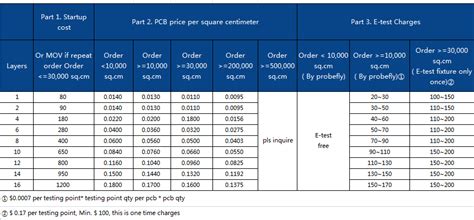
When evaluating quotes from PCB manufacturing companies, start by verifying whether all cost components are clearly itemized. Look beyond the base PCB manufacturing cost and assess line items like tooling fees, testing charges, and shipping terms. Reputable suppliers often provide breakdowns that align with industry benchmarks, while vague quotes may hide unexpected expenses.
Use standardized specifications (e.g., IPC Class 2/3) when requesting bids to ensure apples-to-apples comparisons. For instance, two PCB manufacturing vendors might quote different prices for “4-layer boards,” but one could exclude surface finishes like ENIG or immersion silver. Cross-referencing these details prevents budget overruns and ensures quality consistency.
Leverage online platforms, such as industry directories, to identify suppliers with verified certifications and customer reviews. Prioritize vendors that offer design-for-manufacturability (DFM) feedback, as their insights can reduce PCB manufacturing business risks. If prototyping, confirm whether costs scale predictably for production batches—some providers discount bulk orders but inflate setup fees.
Finally, negotiate lead times strategically. A 5-day turnaround might seem optimal, but opting for 7-10 days could lower costs by 15-20% without impacting project timelines. Always validate contractual terms for revisions or defects to avoid hidden charges post-order.
Standard Specifications Optimization Strategies
When working with PCB manufacturing companies, optimizing standard specifications can significantly reduce your PCB manufacturing cost without compromising quality. Start by reviewing material grades and surface finishes—opting for standard FR-4 substrates instead of high-frequency laminates or choosing HASL (Hot Air Solder Leveling) over ENIG (Electroless Nickel Immersion Gold) can lower expenses. Similarly, adjusting tolerance requirements to industry-standard levels (e.g., ±10% for impedance control) avoids unnecessary precision charges.
Many PCB manufacturing providers offer predefined design rule sets for common applications, which streamline production and minimize errors. For instance, adhering to standard trace/space ratios (e.g., 6/6 mil) reduces the need for specialized equipment. If your project allows, avoid specifying uncommon board thicknesses (like 0.8mm instead of 1.6mm) or exotic solder mask colors, as these often incur premiums.
Collaborate closely with your PCB manufacturing business partner to identify value engineering opportunities. For example, consolidating layer counts or using panelization-friendly designs can leverage bulk pricing. Always cross-reference your specifications with the manufacturer’s standard capabilities—deviating from these defaults typically escalates costs. By aligning your requirements with widely accepted norms, you balance performance and affordability effectively.
Panelization Techniques to Lower Expenses
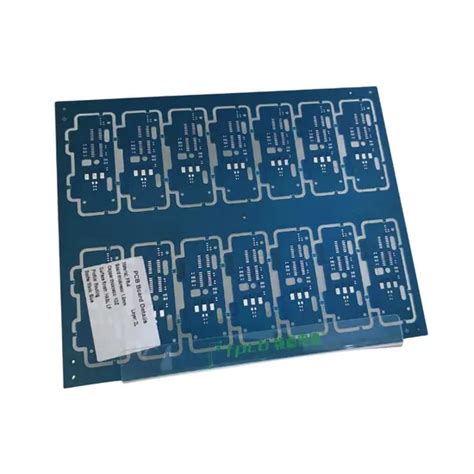
When working with PCB manufacturing companies, optimizing panel layouts is a strategic way to reduce your pcb manufacturing cost without compromising quality. Panelization—the process of arranging multiple circuit boards on a single production panel—maximizes material usage and minimizes waste, directly lowering expenses in the pcb manufacturing business. For instance, grouping smaller designs into standardized panel sizes (like 18" x 24") allows manufacturers to utilize substrates more efficiently, reducing per-unit costs.
However, effective panelization requires balancing design spacing and tooling requirements. Leaving insufficient gaps between boards might lead to routing errors, while overly generous spacing wastes materials. Collaborate with your pcb manufacturing partner to determine optimal breakaway tab placements or V-cut patterns that simplify depanelization post-production. Some suppliers even offer free panelization services for bulk orders, further trimming costs.
Additionally, consider mixed panelization—combining different PCB designs on one panel—if your project involves related prototypes. This approach leverages shared setup fees and accelerates turnaround times. Just ensure designs share similar layer counts and thicknesses to avoid complicating fabrication. By mastering these techniques, you’ll not only streamline expenses but also build stronger partnerships with pcb manufacturing companies focused on cost-efficiency.
Prototyping vs Production Cost Differences
When navigating PCB manufacturing expenses, understanding the cost gap between prototyping and full-scale production is critical. Prototyping typically incurs higher per-unit costs due to setup fees, minimum order requirements, and specialized materials for testing. PCB manufacturing companies often charge premium rates for small batches to cover tooling adjustments and quality validation. However, these upfront investments help identify design flaws early, potentially saving significant costs in mass production.
In contrast, bulk orders leverage economies of scale, reducing per-board pricing. PCB manufacturing cost drops as fixed expenses (like panelization and stencil creation) are distributed across thousands of units. To optimize budgets, align your prototype specs with production-ready parameters—using standard materials and avoiding over-engineered features. For instance, if your final product requires FR-4 substrates, avoid costly high-frequency laminates during prototyping unless absolutely necessary.
Timing also plays a role: rushed prototype orders may incur expedited fees, while planned production runs allow PCB manufacturing business partners to optimize material procurement and scheduling. Always discuss volume thresholds with suppliers—some offer tiered pricing that lowers costs once orders exceed specific quantities. Balancing prototype quality with scalable designs ensures smoother transitions to cost-efficient production phases.
Design Complexity Affects Final Pricing
The intricacy of your PCB design directly influences PCB manufacturing costs, as PCB manufacturing companies factor in labor, equipment precision, and material waste when calculating quotes. Features like trace width, spacing tolerances, and microvia density require advanced machinery and skilled operators, which escalate expenses. For example, designs demanding controlled impedance or blind/buried vias often incur higher charges due to additional testing and specialized fabrication steps.
Balancing functionality with cost-efficiency is critical. While high-density interconnect (HDI) designs enhance performance, they may not align with budget constraints for standard applications. Simplifying layouts—such as reducing the number of unique drill sizes or avoiding non-standard board shapes—can lower PCB manufacturing business overhead. Always clarify design specifications upfront; minor adjustments, like widening trace spacing or standardizing hole diameters, might reduce complexity without compromising quality.
When collaborating with PCB manufacturing partners, prioritize clear communication about design-for-manufacturability (DFM) guidelines. Many providers offer free DFM checks to identify cost drivers early, helping you avoid revisions that delay timelines and inflate budgets. Remember: complexity isn’t inherently negative, but optimizing it ensures you pay only for what your project truly requires.
Conclusion
When navigating PCB manufacturing expenses, understanding the interplay of design choices and production variables is crucial. Your budgeting strategy should account for material selection, layer complexity, and lead time requirements—each directly influencing PCB manufacturing cost. Partnering with reputable PCB manufacturing companies that offer transparent pricing models can help you avoid hidden fees while maintaining quality standards.
To optimize expenses in your PCB manufacturing business, prioritize standard specifications where possible and explore panelization techniques to maximize material usage. Remember that prototyping costs often differ from bulk production, so scaling orders strategically can yield long-term savings. By analyzing quotes with a focus on value (not just upfront price) and maintaining open communication with suppliers, you create opportunities to align technical requirements with budget realities. Ultimately, informed decisions at the design stage combined with collaborative supplier relationships form the foundation of cost-effective PCB fabrication.
Frequently Asked Questions
How does material choice affect pcb manufacturing cost?
Your selection of substrate materials (like FR-4, Rogers, or aluminum) directly impacts pricing. Specialty materials for high-frequency or thermal applications often cost 20-50% more than standard options.
Why do pcb manufacturing companies charge more for multilayered designs?
Each additional layer increases processing time, material usage, and quality control requirements. An 8-layer board typically costs 60-80% more than a 2-layer equivalent due to complex lamination and alignment processes.
Can faster lead times reduce expenses in pcb manufacturing business operations?
Expedited services usually carry 30-100% surcharges. For non-urgent projects, standard 5-10 day turnaround optimizes costs while maintaining reliability.
How do design revisions influence pcb manufacturing budgets?
Late-stage changes trigger re-engineering fees (often $50-$200/hour) and material waste. Using DFM checks during prototyping minimizes these costs.
What’s the cost difference between panelized vs. individual boards?
Panelization can lower per-unit prices by 15-40% through optimized material utilization. Most manufacturers require standardized panel sizes for bulk orders.
Need a Custom Quote for Your Project?
Explore competitive pricing tailored to your specifications. Click here to request instant pricing from Andwin PCB’s manufacturing experts.