
Maximizing Value in PCB Assembly Quote Strategies
Key Takeaways
Effective PCB assembly quote optimization requires balancing cost-efficiency with technical precision. Three core elements dominate pricing strategies: component sourcing, manufacturing complexity, and quality validation protocols.
Pro Tip: Engage suppliers during the design phase to identify PCBA cost drivers early. This collaboration often reveals opportunities for alternative components or panelization adjustments.
| Cost Factor | Impact Level | Optimization Strategy |
|---|---|---|
| Component Availability | High | Prioritize common parts with multiple suppliers |
| Board Complexity | Medium | Simplify layouts without compromising functionality |
| Testing Requirements | Variable | Implement tiered QA checks based on application criticality |
Volume discounts in PCB assembly become significant beyond 500 units, though low-volume prototyping demands flexible pricing models. When comparing PCBA providers, evaluate their value-added services like automated optical inspection (AOI) or X-ray testing—these often justify marginally higher quotes by reducing post-production defects.
A common oversight involves underestimating design-for-manufacturing (DFM) adjustments. Boards requiring specialized soldering techniques or exotic materials can inflate costs by 15–25%. Always cross-reference supplier capabilities with your technical specifications before finalizing quotes.
Understanding PCB Assembly Costs
Accurately estimating expenses in PCB assembly requires analyzing multiple interdependent variables. The foundational cost drivers include material selection, labor intensity, and overhead allocations. PCBA pricing often hinges on component procurement, where specialized integrated circuits or rare connectors can inflate budgets by 15–40% compared to standard parts. Surface-mount technology (SMT) placement rates, testing protocols, and solder mask specifications further influence per-unit calculations.
Manufacturing complexity plays a pivotal role: a 12-layer board with impedance control demands more precise equipment than a 2-layer design, directly impacting machine time costs. Batch sizes introduce economies of scale—prototype runs typically cost 20–35% more per unit than bulk orders due to setup fee amortization. Additionally, certifications like ISO 9001 or UL listing add 8–12% to baseline quotes but mitigate long-term compliance risks.
Geographic factors also contribute, with regions offering lower labor rates sometimes offsetting savings through extended logistics timelines. A balanced PCB assembly strategy evaluates these variables holistically, avoiding isolated cost-cutting that compromises functional reliability in PCBA outcomes. Transparent supplier dialogues about design-for-manufacturability (DFM) adjustments often reveal hidden savings opportunities without sacrificing performance thresholds.
Optimizing Component Sourcing
Efficient PCB assembly begins with strategic procurement of electronic components, a process that directly impacts both cost and reliability. Selecting suppliers with robust supply chain networks ensures access to high-quality parts while minimizing lead times. For PCBA projects, leveraging economies of scale through bulk purchasing or standardized component libraries can reduce per-unit costs by up to 30%. However, balancing price and quality remains critical—opting for obsolete or counterfeit parts risks production delays and post-assembly failures.
To optimize sourcing, consider collaborating with PCB assembly partners that offer vendor-agnostic procurement services. These providers analyze global markets to identify cost-effective alternatives without compromising specifications. For instance, substituting a niche integrated circuit with a functionally equivalent, widely available model can lower material expenses while maintaining performance. Additionally, integrating design-for-manufacturability (DFM) principles early in the process helps avoid last-minute component substitutions that inflate costs.
Another key strategy involves monitoring component lifecycles to preempt shortages. Proactive planning for end-of-life parts or geopolitical supply chain disruptions ensures continuity in PCBA workflows. By aligning sourcing strategies with long-term production forecasts, manufacturers secure favorable pricing and reduce dependency on volatile markets—a critical step in delivering competitive PCB assembly quotes.
Quality Assurance Cost Factors
Implementing robust quality assurance (QA) protocols in PCB assembly processes directly impacts both reliability and cost structures. While automated optical inspection (AOI) and in-circuit testing (ICT) enhance defect detection accuracy, these advanced techniques require specialized equipment and skilled personnel, contributing to PCBA pricing. Balancing thoroughness with efficiency is critical—overly stringent testing protocols may inflate expenses, while insufficient checks risk costly post-production failures.
Material selection also plays a pivotal role: high-tolerance components and premium substrates reduce failure rates but increase initial costs. Conversely, opting for lower-grade materials might lower upfront PCB assembly quote figures but elevate long-term repair or replacement expenses. Additionally, certifications like ISO 9001 or IPC-A-610 compliance often necessitate rigorous documentation and process audits, which add to operational overhead but strengthen manufacturer credibility.
Proactive strategies, such as statistical process control (SPC), help optimize QA expenditures by identifying variability trends early, minimizing rework cycles. Collaborating with suppliers to align quality benchmarks ensures consistency across the electronics manufacturing chain, preventing defects that could escalate costs at later stages. This equilibrium between preventive investments and risk mitigation remains central to maximizing value in QA-driven PCBA projects.

Volume Production Savings Tips
Leveraging PCB assembly volume effectively requires strategic planning to unlock cost efficiencies without compromising quality. Manufacturers often achieve significant savings through bulk purchasing of components, which reduces per-unit pricing for resistors, capacitors, and ICs. However, aligning order quantities with demand forecasts is critical to avoid excess inventory costs. For PCBA projects, optimizing panelization designs—grouping multiple boards onto a single panel—minimizes material waste and accelerates assembly throughput.
Another key strategy involves negotiating long-term supplier agreements for recurring component needs, securing volume-based discounts while stabilizing supply chains. Implementing automated testing protocols (e.g., AOI or X-ray inspection) during PCB assembly reduces manual labor expenses and ensures consistent quality across high-volume batches. Additionally, standardizing designs across product variants simplifies manufacturing workflows, lowering setup and tooling costs.
To maximize savings, consider design-for-manufacturability (DFM) principles early in development. Simplifying board layouts, avoiding exotic materials, and adhering to standard fabrication tolerances can significantly trim PCBA expenses. Finally, partnering with assembly providers offering tiered pricing models ensures scalability, allowing businesses to align costs with production growth seamlessly.
Comparing PCB Assembly Suppliers
Selecting the right PCB assembly partner requires a balanced evaluation of technical capabilities, cost structures, and reliability. While price competitiveness often drives initial decisions, suppliers’ expertise in handling complex PCBA designs, component compatibility checks, and testing protocols can significantly impact long-term project success. Start by analyzing suppliers’ certifications (e.g., ISO, IPC standards) and their ability to source components from vetted distributors—a critical factor in avoiding delays caused by counterfeit parts.
Transparency in pricing models is equally vital. Some providers offer lower base rates but add hidden fees for tooling, setup, or low-volume orders. Compare quotes that break down PCB assembly costs per unit, including solder paste application, pick-and-place automation, and post-assembly inspections. Additionally, assess lead time flexibility: suppliers with streamlined PCBA workflows may offer faster turnaround without compromising quality, which is crucial for scaling production.
Finally, prioritize partners with robust communication channels and a track record of resolving technical challenges. A supplier’s willingness to collaborate on design-for-manufacturing (DFM) adjustments or value engineering can unlock unexpected savings while maintaining performance benchmarks. This strategic alignment ensures your PCB assembly process remains cost-effective and adaptable to evolving project demands.
Cutting PCB Assembly Expenses
Reducing costs in PCB assembly requires a strategic balance between efficiency and quality. One effective approach involves optimizing material selection—choosing standardized components over custom parts can lower PCBA expenses without compromising performance. For instance, working with suppliers to identify cost-equivalent alternatives for non-critical elements often yields immediate savings.
Another key factor is streamlining the design-for-manufacturing (DFM) process. Simplifying board layouts to minimize complex routing or unnecessary layers reduces material waste and accelerates production timelines. Manufacturers offering PCB assembly services often provide DFM analysis, which can preemptively address design flaws that might escalate costs during mass production.
Leveraging volume discounts remains a cornerstone of expense reduction. Consolidating orders or aligning production schedules with supplier lead times ensures better pricing for bulk material purchases. However, avoid overstocking components with short life cycles, as obsolescence risks can negate initial savings.
Finally, adopting automated PCBA processes enhances consistency while reducing labor costs. Automated optical inspection (AOI) systems, for example, detect defects earlier in the assembly cycle, preventing costly rework. Partnering with manufacturers that integrate such technologies ensures competitive pricing models while maintaining rigorous quality benchmarks.
Key PCB Quote Determinants
When evaluating PCB assembly quotes, multiple technical and operational factors converge to shape pricing structures. At the core, component procurement plays a pivotal role: availability, lead times, and supply chain stability directly influence material costs. For instance, specialized components like high-frequency ICs or rare connectors often carry premium pricing, especially in low-volume PCBA projects. Design complexity further impacts costs—features such as multilayer boards, HDI (high-density interconnect) layouts, or tight tolerance requirements escalate production time and resource allocation.
Quality assurance protocols, including automated optical inspection (AOI) and functional testing, add measurable value but also increase initial quotes. Balancing these with project-specific needs—such as IPC-A-610 standards for consumer electronics versus AS9100 compliance for aerospace applications—ensures cost alignment with reliability expectations. Volume remains a critical lever; economies of scale typically reduce per-unit costs, though minimum order quantities (MOQs) may constrain flexibility for prototyping phases.
Lastly, supplier expertise in PCB assembly processes—such as mixed-technology soldering or thermal management solutions—can optimize both cost and performance. Transparent communication about design-for-manufacturability (DFM) adjustments often reveals hidden savings, making collaboration as vital as technical specifications in securing competitive quotes.
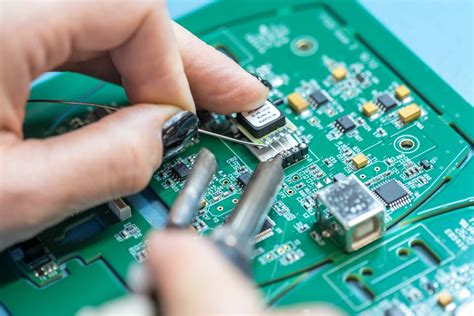
Maximizing Electronics Value
Achieving optimal value in PCB assembly requires balancing cost efficiency with functional reliability. A critical starting point is design optimization—simplifying board layouts to minimize material waste while maintaining performance standards. By standardizing PCBA components where possible, manufacturers can reduce procurement complexity and leverage bulk purchasing advantages. Implementing design for manufacturability (DFM) principles early in the process helps avoid costly redesigns, ensuring smoother transitions from prototyping to mass production.
Another key strategy involves evaluating total lifecycle costs rather than focusing solely on upfront quotes. For instance, selecting higher-grade substrates or surface finishes might increase initial PCB assembly expenses but can extend product durability, reducing long-term maintenance costs. Collaborating with suppliers to identify cost-sharing opportunities—such as shared tooling for PCBA processes—further enhances value without compromising quality.
Finally, integrating automated testing protocols during PCB assembly ensures defects are caught early, preventing expensive rework cycles. By aligning design choices, supplier partnerships, and quality controls, businesses can transform PCBA investments into competitive advantages that deliver sustained value across product lifecycles.
Conclusion
In navigating the complexities of PCB assembly pricing, achieving cost efficiency while maintaining quality hinges on strategic decision-making. By prioritizing informed supplier comparisons and leveraging volume production benefits, manufacturers can unlock significant savings without compromising on PCBA reliability. Critical factors such as component sourcing flexibility and quality assurance protocols remain central to balancing upfront costs with long-term value.
As the electronics manufacturing landscape evolves, adopting a data-driven approach to PCB assembly quote analysis ensures alignment with project-specific requirements. Emphasizing transparent communication with suppliers and investing in design-for-manufacturability principles further refines cost structures. Ultimately, the interplay between technical precision and financial pragmatism defines success in securing PCBA solutions that deliver both performance and affordability.
By staying attuned to emerging technologies and market trends, businesses can continuously refine their strategies, ensuring sustained competitiveness in an industry where value maximization is inseparable from operational excellence.
Frequently Asked Questions
What factors most significantly impact a PCB assembly quote?
The primary cost drivers include component sourcing complexity, board complexity (layer count, size), testing requirements, and order volume. Suppliers may also factor in logistics, certifications, and turnaround time when calculating PCBA costs.
How can design adjustments reduce assembly expenses?
Simplifying layouts, standardizing components, and avoiding ultra-fine pitch parts can lower costs. Design-for-manufacturability (DFM) reviews often identify opportunities to optimize PCB assembly processes without compromising functionality.
Does higher order volume always guarantee better pricing?
While bulk orders typically reduce per-unit costs through economies of scale, this depends on supplier capabilities. Some PCBA providers offer tiered pricing models, but excessively large orders may incur hidden storage or logistics fees.
What quality assurance steps add value to PCB assembly services?
Automated optical inspection (AOI), X-ray testing, and functional testing protocols ensure reliability but may increase initial quotes. However, these measures reduce long-term risks like field failures, making them critical for cost-effective production.
How do I compare quotes from different assembly suppliers effectively?
Evaluate beyond base pricing: examine component traceability, lead time flexibility, and post-production support. A slightly higher PCBA quote might include value-added services like prototyping assistance or component lifecycle management.
Optimize Your Next Project’s Budget Today
For tailored strategies to balance quality and cost in PCB assembly, please click here to explore our end-to-end solutions. Our expertise ensures transparent quotes aligned with your project’s technical and financial requirements.