
Flex PCB Panelization: Enhancing Efficiency and Quality in Flexible Circuit Board Manufacturing
Introduction
Flexible Printed Circuit Boards (Flex PCBs) have become an integral part of modern electronics due to their ability to bend, twist, and fold, making them ideal for applications where space and weight are critical. From consumer electronics like smartphones and wearables to advanced medical devices and aerospace systems, Flex PCBs offer unparalleled design flexibility. However, the manufacturing of Flex PCBs presents unique challenges, particularly when it comes to handling thin, flexible materials during assembly and fabrication. One of the key strategies to address these challenges is panelization, a process that involves arranging multiple Flex PCB designs onto a single panel for manufacturing. This article explores the concept of Flex PCB panelization, its benefits, design considerations, and best practices.
What is Flex PCB Panelization?
Panelization is the process of grouping multiple individual Flex PCB designs onto a single panel to optimize the manufacturing process. This technique is widely used in both rigid and flexible PCB manufacturing to improve efficiency, reduce material waste, and streamline assembly. For Flex PCBs, panelization is particularly important due to the delicate nature of the materials and the need for precise handling during fabrication.
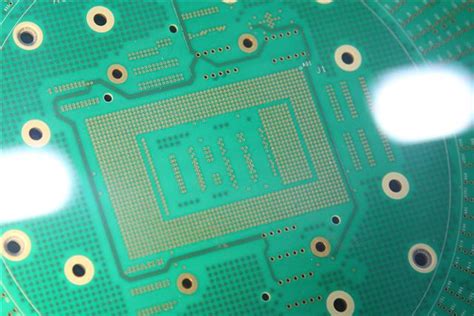
A panelized Flex PCB typically consists of an array of identical or different circuit designs arranged in a grid pattern. The individual boards are connected through breakaway tabs or routing channels, which allow them to be easily separated after assembly. Panelization not only simplifies the manufacturing process but also ensures consistency and quality across multiple boards.
Benefits of Flex PCB Panelization
- Improved Manufacturing Efficiency
Panelization allows manufacturers to process multiple Flex PCBs simultaneously, reducing the time and effort required for handling individual boards. This is especially beneficial for high-volume production, where efficiency is critical. - Reduced Material Waste
By optimizing the layout of Flex PCBs on a panel, manufacturers can minimize material waste. This is particularly important for Flex PCBs, which often use expensive substrates like polyimide. - Enhanced Handling and Stability
Flex PCBs are thin and flexible, making them difficult to handle during assembly. Panelization provides additional rigidity to the boards, preventing warping or damage during fabrication, soldering, and testing. - Cost Savings
Panelization reduces the overall cost of production by maximizing the use of materials and streamlining the assembly process. This cost efficiency is passed on to the customer, making Flex PCBs more affordable. - Consistent Quality
By processing multiple boards in a single panel, manufacturers can ensure consistent quality across all units. This is particularly important for applications requiring high precision and reliability.
Design Considerations for Flex PCB Panelization
Designing a panelized Flex PCB requires careful planning to ensure optimal performance and manufacturability. Below are some key considerations:
- Panel Size and Layout
The size of the panel should be compatible with the manufacturing equipment, such as pick-and-place machines and reflow ovens. The layout of the individual Flex PCBs on the panel should maximize space utilization while maintaining sufficient clearance for routing and breakaway tabs. - Breakaway Tabs and Routing Channels
Breakaway tabs are small bridges of material that connect individual Flex PCBs to the panel. These tabs must be strong enough to hold the boards during assembly but easy to remove afterward. Routing channels, or V-grooves, are another option for separating boards, particularly for thicker materials. - Material Selection
The choice of substrate material is critical for Flex PCB panelization. Polyimide is the most commonly used material due to its excellent thermal and mechanical properties. However, other materials like polyester may be used for less demanding applications. - Stiffeners and Support Structures
Flex PCBs often require stiffeners to provide additional support in areas where components are mounted. These stiffeners must be carefully integrated into the panel design to ensure proper alignment and adhesion. - Tooling Holes and Fiducial Marks
Tooling holes are used to align the panel during manufacturing, while fiducial marks provide reference points for automated assembly equipment. These features must be included in the panel design to ensure accurate placement and soldering of components. - Testing and Inspection
Panelization allows for batch testing and inspection of Flex PCBs, reducing the time and cost associated with quality control. Test points and inspection areas should be incorporated into the panel design to facilitate this process.
Best Practices for Flex PCB Panelization
- Collaborate with Your Manufacturer
Early collaboration with your PCB manufacturer is essential to ensure that the panel design meets their equipment and process requirements. This can help avoid costly redesigns and delays. - Optimize for Automation
Design the panel with automated assembly in mind. This includes ensuring consistent spacing, alignment, and accessibility for pick-and-place machines and other equipment. - Minimize Stress on Flex Areas
Avoid placing breakaway tabs or routing channels in areas where the Flex PCB will be subjected to bending or flexing. This can weaken the material and lead to failure during use. - Use Panel Carriers for Thin Flex PCBs
For extremely thin Flex PCBs, consider using a rigid panel carrier to provide additional support during assembly. The carrier can be removed after the boards are separated. - Test the Panel Design
Before proceeding with full-scale production, test the panel design with a small batch to identify any potential issues. This can help refine the design and improve yield rates.
Challenges in Flex PCB Panelization
While panelization offers numerous benefits, it also presents certain challenges, particularly for Flex PCBs:
- Material Flexibility
The flexible nature of the substrate can make it difficult to maintain alignment and stability during assembly. This requires careful handling and specialized equipment. - Complex Designs
Flex PCBs often feature complex shapes and intricate routing, which can complicate the panelization process. Designers must balance the need for flexibility with the constraints of panelization. - Separation and Deflashing
After assembly, the individual Flex PCBs must be separated from the panel without damaging the circuits. This requires precise control over the breakaway tabs or routing channels. - Thermal Management
Flex PCBs are more susceptible to thermal stress than rigid boards. The panel design must account for heat dissipation during soldering and other high-temperature processes.
Applications of Panelized Flex PCBs
Panelized Flex PCBs are used in a wide range of industries and applications, including:
- Consumer Electronics
Smartphones, tablets, and wearables rely on Flex PCBs for their compact size and lightweight design. Panelization enables high-volume production of these devices. - Medical Devices
Flex PCBs are used in medical devices like pacemakers, hearing aids, and imaging equipment. Panelization ensures the precision and reliability required for these critical applications. - Automotive Systems
Modern vehicles incorporate Flex PCBs for infotainment systems, sensors, and lighting. Panelization supports the high-volume production needed for the automotive industry. - Aerospace and Defense
Flex PCBs are used in avionics, satellites, and military equipment. Panelization helps meet the stringent quality and performance standards of these applications.
Conclusion
Flex PCB panelization is a critical process that enhances the efficiency, quality, and cost-effectiveness of flexible circuit board manufacturing. By carefully designing panels to optimize space, handling, and assembly, manufacturers can overcome the challenges associated with Flex PCBs and deliver high-quality products for a wide range of applications. As the demand for flexible electronics continues to grow, panelization will remain an essential tool for meeting the needs of modern technology. By adhering to best practices and collaborating closely with manufacturers, designers can ensure successful panelization and unlock the full potential of Flex PCBs.