
LED PCB board:core core technologies that light up the future.
Introduction to LED PCB Boards
In the realm of modern electronics, LED PCB boards have emerged as a cornerstone technology, driving advancements in lighting, display, and various other applications. LED, or Light Emitting Diode, technology has revolutionized the way we illuminate our world, offering energy efficiency, longevity, and versatility. At the heart of this revolution lies the LED PCB board, a critical component that ensures the optimal performance of LED systems.
What is an LED PCB Board?
An LED PCB board is a specialized printed circuit board designed to support and connect Light Emitting Diodes (LEDs). Unlike traditional PCBs, LED PCB boards are engineered to handle the unique thermal and electrical requirements of LEDs. These boards are typically made from materials with high thermal conductivity, such as aluminum, to effectively dissipate the heat generated by the LEDs, thereby enhancing their performance and lifespan.
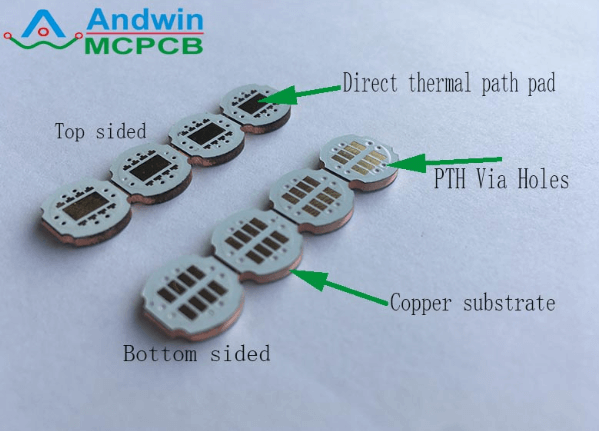
Key Features of LED PCB Boards
- Thermal Management: One of the most critical aspects of LED PCB boards is their ability to manage heat. LEDs generate significant amounts of heat during operation, and if not properly managed, this heat can degrade the performance and longevity of the LEDs. Aluminum-based PCBs are commonly used in LED applications due to their excellent thermal conductivity, which helps in efficiently dissipating heat away from the LEDs.
- Durability: LED PCB boards are designed to be robust and durable, capable of withstanding harsh environmental conditions. This makes them suitable for a wide range of applications, from indoor lighting to outdoor signage and automotive lighting.
- Compact Design: The compact and lightweight nature of LED PCB boards allows for the creation of sleek and efficient lighting solutions. This is particularly important in applications where space is at a premium, such as in consumer electronics and automotive lighting.
- Energy Efficiency: LED PCB boards contribute to the overall energy efficiency of LED systems. By ensuring optimal electrical connectivity and thermal management, these boards help in maximizing the energy efficiency of LEDs, making them an environmentally friendly lighting solution.
Applications of LED PCB Boards
The versatility of LED PCB boards has led to their widespread adoption across various industries. Some of the key applications include:
- General Lighting: LED PCB boards are extensively used in general lighting applications, including residential, commercial, and industrial lighting. Their energy efficiency and long lifespan make them an ideal choice for replacing traditional incandescent and fluorescent lights.
- Automotive Lighting: In the automotive industry, LED PCB boards are used in headlights, tail lights, and interior lighting. Their durability and ability to operate efficiently in a wide range of temperatures make them suitable for the demanding conditions of automotive environments.
- Display Technology: LED PCB boards are integral to the functioning of LED displays, including large outdoor screens, television sets, and digital signage. Their ability to provide high brightness and color accuracy is crucial for delivering high-quality visual content.
- Medical Devices: In the medical field, LED PCB boards are used in various diagnostic and therapeutic devices. Their reliability and precision are essential for ensuring the accuracy and effectiveness of medical equipment.
Conclusion
LED PCB boards have become an indispensable component in the world of modern electronics, enabling the widespread adoption of LED technology across diverse applications. Their ability to efficiently manage heat, coupled with their durability and energy efficiency, makes them a key driver of innovation in lighting and display technologies. As the demand for energy-efficient and sustainable solutions continues to grow, LED PCB boards will undoubtedly play a pivotal role in shaping the future of electronics.