
Industrial PCB Repair: A Comprehensive Guide
Printed Circuit Boards (PCBs) are the backbone of modern industrial electronics. They are found in everything from manufacturing equipment and automation systems to medical devices and aerospace technology. Given their critical role, the failure of a PCB can lead to significant downtime, costly repairs, and even safety hazards. Industrial PCB repair is a specialized field that requires a deep understanding of electronics, soldering techniques, and diagnostic tools. This article delves into the intricacies of industrial PCB repair, covering common issues, diagnostic methods, repair techniques, and best practices.
1. Introduction to Industrial PCBs
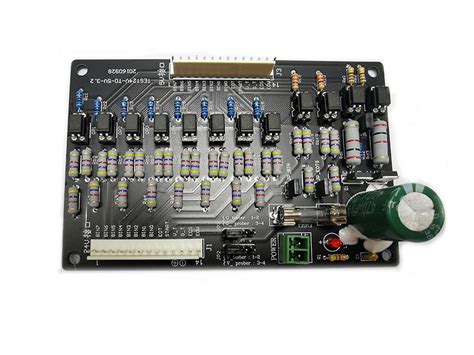
Industrial PCBs are designed to withstand harsh environments, including extreme temperatures, humidity, vibration, and exposure to chemicals. Unlike consumer-grade PCBs, industrial PCBs are often custom-designed for specific applications, making them more complex and expensive. They may include multi-layer designs, high-density interconnects, and specialized components such as power transistors, microcontrollers, and sensors.
Given their complexity and the critical nature of their applications, industrial PCBs require specialized repair techniques. Repairing these boards is not just about fixing a broken component; it involves diagnosing the root cause of the failure, ensuring the repair does not compromise the board’s integrity, and verifying that the board will perform reliably in its intended environment.
2. Common Causes of PCB Failure
Understanding the common causes of PCB failure is the first step in effective repair. Some of the most frequent issues include:
2.1. Component Failure
Components such as capacitors, resistors, and integrated circuits (ICs) can fail due to age, overheating, or electrical stress. Capacitors, in particular, are prone to failure, especially in high-temperature environments.
2.2. Physical Damage
Physical damage can occur due to mishandling, vibration, or impact. This can result in broken traces, cracked solder joints, or damaged components.
2.3. Environmental Factors
Industrial environments often expose PCBs to extreme conditions, such as high humidity, temperature fluctuations, and exposure to corrosive chemicals. These factors can lead to corrosion, oxidation, and delamination of the PCB layers.
2.4. Electrical Overload
Electrical overloads, such as power surges or short circuits, can cause immediate damage to components and traces. This type of failure is often accompanied by visible signs of burning or charring.
2.5. Manufacturing Defects
Although less common, manufacturing defects such as poor soldering, incorrect component placement, or faulty materials can lead to premature PCB failure.
3. Diagnostic Techniques
Effective PCB repair begins with accurate diagnosis. Industrial PCBs often have complex designs, making it challenging to identify the root cause of a failure. Here are some common diagnostic techniques:
3.1. Visual Inspection
A thorough visual inspection is the first step in diagnosing PCB issues. Look for obvious signs of damage, such as burnt components, cracked solder joints, or broken traces. Magnifying tools, such as a microscope or magnifying glass, can help identify subtle defects.
3.2. Multimeter Testing
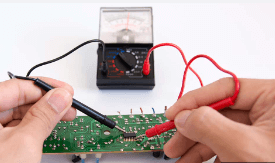
A multimeter is an essential tool for diagnosing electrical issues. It can be used to measure voltage, current, and resistance, helping to identify open circuits, short circuits, and faulty components.
3.3. Oscilloscope Analysis
An oscilloscope is used to analyze the waveform of electrical signals. This is particularly useful for diagnosing issues with analog circuits, such as signal distortion or timing problems.
3.4. Thermal Imaging
Thermal imaging cameras can detect hotspots on a PCB, which may indicate overheating components or poor thermal management. This is especially useful for diagnosing issues in power electronics.
3.5. Automated Test Equipment (ATE)
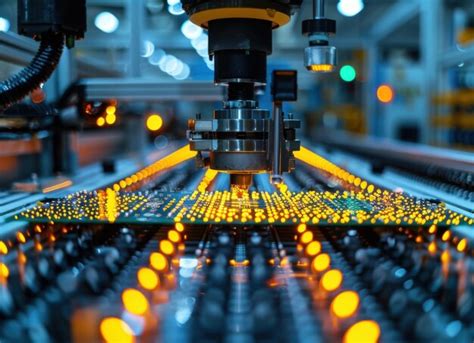
ATE systems are used in industrial settings to automate the testing process. These systems can quickly identify faults in complex PCBs by running predefined test routines.
4. Repair Techniques
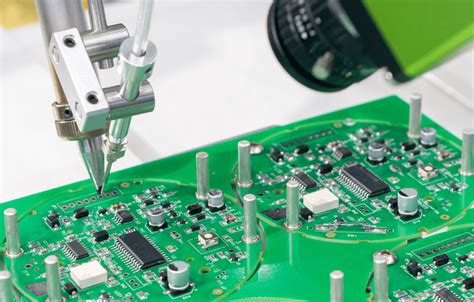
Once the issue has been diagnosed, the next step is to repair the PCB. The specific repair technique will depend on the nature of the failure. Here are some common repair methods:
4.1. Component Replacement
The most straightforward repair is replacing a faulty component. This involves desoldering the defective part and soldering a new one in its place. Care must be taken to ensure that the replacement component matches the specifications of the original.
4.2. Trace Repair
Broken or damaged traces can be repaired by either bridging the gap with a wire or using conductive ink. For multi-layer boards, repairing internal traces can be more challenging and may require specialized equipment.
4.3. Solder Joint Repair
Cracked or cold solder joints can be reflowed using a soldering iron or hot air rework station. In some cases, additional solder may be needed to ensure a strong connection.
4.4. Pad Repair
Damaged pads can be repaired using pad repair kits, which include conductive epoxy and stencils. For more severe damage, a new pad may need to be created using a combination of copper foil and epoxy.
4.5. Delamination Repair
Delamination occurs when the layers of a multi-layer PCB separate. This can be repaired using specialized adhesives and pressure, but in severe cases, the board may need to be replaced.
4.6. Corrosion Cleaning
Corrosion can be cleaned using isopropyl alcohol and a soft brush. For more severe corrosion, specialized cleaning solutions may be required. After cleaning, the affected area should be treated with a conformal coating to prevent future corrosion.
5. Best Practices for Industrial PCB Repair
Industrial PCB repair requires a high level of skill and attention to detail. Here are some best practices to ensure successful repairs:
5.1. Use the Right Tools
Invest in high-quality tools, such as precision soldering irons, hot air rework stations, and diagnostic equipment. Using the right tools will make the repair process more efficient and reduce the risk of further damage.
5.2. Follow ESD Precautions
Electrostatic discharge (ESD) can damage sensitive components. Always use an ESD-safe workstation, wear an ESD wrist strap, and handle components with care.
5.3. Document the Repair Process
Keep detailed records of the repair process, including the diagnosis, components replaced, and any modifications made. This documentation can be valuable for future repairs and troubleshooting.
5.4. Test the Repaired PCB
After completing the repair, thoroughly test the PCB to ensure it functions correctly. This may involve running diagnostic tests, checking signal integrity, and verifying that the board meets its performance specifications.
5.5. Consider Environmental Factors
When repairing industrial PCBs, consider the environment in which the board will operate. Ensure that the repair materials and techniques used are suitable for the board’s intended application.
5.6. Know When to Replace
In some cases, the cost and effort of repairing a PCB may outweigh the benefits. If a board is severely damaged or outdated, it may be more cost-effective to replace it with a new one.
6. Conclusion
Industrial PCB repair is a critical skill that can save companies significant time and money. By understanding the common causes of PCB failure, employing effective diagnostic techniques, and following best practices, technicians can successfully repair even the most complex industrial PCBs. However, it’s important to recognize that not all PCBs can or should be repaired. In some cases, replacement may be the more practical option.
As industrial electronics continue to evolve, the demand for skilled PCB repair technicians will only grow. By staying up-to-date with the latest tools, techniques, and industry standards, repair professionals can ensure that they are well-equipped to meet the challenges of this dynamic field.
In conclusion, industrial PCB repair is both an art and a science. It requires a combination of technical knowledge, practical skills, and a meticulous attention to detail. With the right approach, even the most damaged PCBs can be restored to full functionality, ensuring the continued operation of critical industrial systems.