
Streamline Your Advanced Circuits Quote Process

Key Takeaways
When seeking PCB manufacturing solutions, understanding how to optimize your quoting process saves time and resources. Start by gathering precise specifications—board dimensions, layer counts, and material requirements—to ensure PCB manufacturing companies can provide accurate estimates. Next, compare multiple suppliers using standardized criteria like turnaround times, minimum order quantities, and PCB manufacturing cost structures. This step avoids overpaying for unnecessary features while maintaining quality.
Leverage automated quoting tools offered by industry leaders to streamline requests. Many platforms allow you to upload design files directly, reducing manual errors and accelerating feedback. For example, reputable providers integrate real-time pricing algorithms, letting you adjust parameters like solder mask colors or finishes to balance budgets and timelines.
Finally, prioritize transparency. Clarify hidden fees—such as tooling charges or testing add-ons—early in discussions. Partnering with a PCB manufacturing business that offers detailed breakdowns ensures you avoid surprises and align expectations. By refining these steps, you’ll secure competitive rates without compromising on reliability, whether prototyping or scaling production.
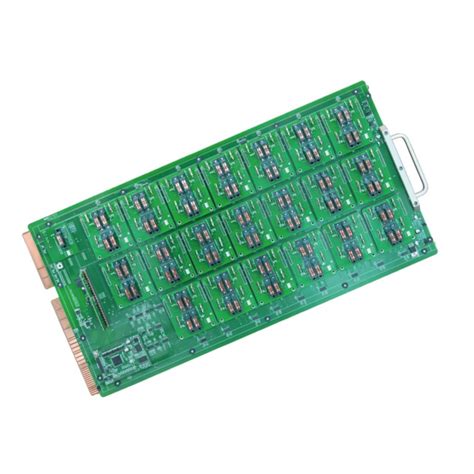
Advanced Circuits Quote Request Simplified
Securing accurate PCB manufacturing quotes requires balancing technical precision with commercial awareness. When requesting estimates from PCB manufacturing companies, begin by consolidating design files (Gerber, BOM, and assembly drawings) in standardized formats—this eliminates back-and-forth clarifications. Over 60% of delays stem from incomplete documentation, so double-check layer counts, material specs, and surface finishes before submission.
Tip: Use cloud-based collaboration tools to share real-time updates with your chosen PCB manufacturing business, ensuring alignment between design teams and fabricators.
Understanding PCB manufacturing cost drivers helps refine requests. For instance, opting for FR-4 instead of high-frequency laminates can reduce expenses by 15-30%, while panelization designs maximize material yield. Clearly outline volume requirements—prototype batches (<50 units) and mass production (>1k units) have distinct pricing models. By pre-qualifying vendors with certifications (e.g., ISO 9001, IPC Class 3), you filter partners capable of meeting both quality benchmarks and budget constraints.
Finally, leverage automated quoting platforms where possible. Many PCB manufacturing companies now provide instant preliminary estimates using AI-driven tools, cutting response times from days to minutes. This approach not only accelerates decision-making but also establishes a baseline for negotiating bulk order discounts.
3-Step Guide to Quick PCB Quotes
Securing an accurate PCB manufacturing quote starts with clarity in your project requirements. First, prepare detailed design files—including Gerber files, Bill of Materials (BOM), and assembly notes. This minimizes back-and-forth with PCB manufacturing companies, as incomplete specs often delay pricing.
Next, specify your technical needs: layer count, material type, surface finish, and turnaround time. These factors directly influence PCB manufacturing cost, so balancing quality with budget is key. For instance, opting for standard FR-4 substrates instead of high-frequency materials can reduce expenses without compromising functionality for most applications.
Finally, submit your request to multiple vendors. Reputable PCB manufacturing business providers often offer online quote tools for instant estimates. Compare not just pricing but also capabilities like DFM checks or bulk-order discounts. This three-step approach ensures you receive competitive, transparent quotes while aligning with your project’s technical and financial goals.

Expert Tips for Efficient Circuit Pricing
Navigating PCB manufacturing costs requires balancing technical specifications with budget constraints. Start by clearly defining your design requirements—layer count, material type, and turnaround time—to avoid unnecessary revisions. Over-engineering designs often inflate PCB manufacturing cost, so prioritize functionality over excessive complexity.
When requesting quotes from PCB manufacturing companies, provide detailed Gerber files and assembly notes upfront. This reduces back-and-forth communication and accelerates pricing accuracy. Consider the table below for key cost drivers:
| Factor | Impact on Cost | Mitigation Strategy |
|---|---|---|
| Board Layers | Higher layers = Higher cost | Use 4-6 layers unless critical |
| Material Selection | FR-4 vs. High-frequency | Opt for standard materials |
| Order Volume | Bulk discounts available | Plan production in batches |
Understanding these variables helps you negotiate effectively within the PCB manufacturing business. For prototypes, prioritize speed over cost; for mass production, leverage volume pricing. Partner with manufacturers offering transparent breakdowns of fabrication, assembly, and testing fees.
Finally, use design-for-manufacturing (DFM) tools to identify potential issues early. This minimizes delays and ensures your quote aligns with realistic PCB manufacturing timelines. By streamlining communication and optimizing designs, you secure competitive pricing without compromising quality.
Mastering Advanced Circuits Cost Estimates
Understanding PCB manufacturing costs begins with analyzing design specifications and material requirements. Most PCB manufacturing companies base pricing on factors like layer count, board size, and surface finish. For instance, a four-layer FR-4 board with standard finishes typically costs less than a high-density interconnect (HDI) design requiring specialized materials. To minimize expenses, optimize your design for manufacturability—simplifying trace widths or reducing unnecessary vias can lower PCB manufacturing cost without compromising performance.
When requesting quotes, provide clear Gerber files and a detailed bill of materials (BOM). This reduces back-and-forth with suppliers and ensures accuracy in estimates. If you’re managing a PCB manufacturing business, consider economies of scale: bulk orders often unlock tiered pricing, but balance this against inventory risks. Partnering with manufacturers offering real-time quote tools can further streamline cost calculations, especially for prototyping or low-volume runs.
Finally, always compare quotes from multiple PCB manufacturing companies. Look beyond per-unit pricing—evaluate lead times, quality certifications, and value-added services like assembly support. By aligning your project’s needs with the right supplier’s capabilities, you’ll secure cost-effective solutions while maintaining quality standards.

Get Instant PCB Manufacturing Quotes Now
Securing immediate pricing for your PCB manufacturing project begins with understanding how leading PCB manufacturing companies structure their quoting systems. When requesting a quote, ensure you provide precise specifications—including board dimensions, layer count, and material requirements—to eliminate back-and-forth delays. Most providers now offer automated tools that analyze design files in minutes, delivering PCB manufacturing cost estimates with 90%+ accuracy.
By submitting standardized Gerber files and assembly requirements upfront, you enable suppliers to assess production complexity and volume discounts efficiently. This approach not only accelerates quotes but also reveals hidden savings opportunities, particularly when working with high-volume PCB manufacturing business partners. Advanced platforms even factor in real-time material pricing and shipping options, giving you a comprehensive view of total expenses.
For time-sensitive projects, prioritize vendors with 24/7 quoting engines and live engineering support. These features allow you to adjust parameters like solder mask color or surface finish and instantly see how changes impact timelines and PCB manufacturing cost. Remember: transparent communication about quality certifications (e.g., IPC Class 2 vs. Class 3) ensures your final quote aligns with both technical needs and budget constraints.
Whether prototyping or scaling production, leveraging these strategies transforms weeks of negotiations into a streamlined, digital workflow—putting competitive PCB manufacturing solutions at your fingertips within hours.
Optimize Your Board Assembly Quote Process
To refine your board assembly quote process, start by clearly defining your project’s technical requirements. Provide PCB manufacturing companies with precise specifications—including layer counts, material types, and surface finishes—to eliminate guesswork and reduce revision cycles. Streamlining this step ensures accurate PCB manufacturing cost estimates while aligning with your timeline.
Next, evaluate assembly complexity. Components like fine-pitch BGAs or high-density interconnects impact both labor and material expenses. By sharing a detailed bill of materials (BOM) upfront, you enable suppliers to identify cost-saving alternatives without compromising quality. This proactive approach is critical in the PCB manufacturing business, where component availability and lead times directly affect pricing.
Finally, leverage standardized documentation formats (e.g., Gerber files, IPC-2581) to accelerate review cycles. Many PCB manufacturing partners use automated systems to analyze design files, so formatting errors or missing data can delay quotes. By adopting consistent file-naming conventions and including assembly notes, you minimize back-and-forth communication. Pairing these steps with volume forecasts helps suppliers balance PCB manufacturing cost efficiency with scalability, ensuring your quote reflects both current needs and future flexibility.
Speed Up Advanced Circuits Pricing Today
Accelerating your PCB manufacturing pricing process starts with streamlining communication. Begin by preparing detailed design specifications upfront—clear Gerber files, material requirements, and layer counts eliminate back-and-forth delays. Most PCB manufacturing companies prioritize projects with precise documentation, enabling faster quote generation.
Next, leverage online quoting tools from trusted providers. These platforms automate cost calculations based on your board’s complexity, reducing manual errors and turnaround time. For PCB manufacturing cost transparency, compare quotes from multiple vendors while weighing factors like lead times and quality certifications.
If you’re managing a PCB manufacturing business, consider negotiating volume-based discounts. Bulk orders often lower per-unit expenses, especially when partnering with manufacturers offering scalable solutions. Finally, optimize designs for manufacturability early—simplifying traces or standardizing hole sizes can slash production costs by up to 20%. By adopting these strategies, you’ll secure competitive pricing without compromising on quality or speed.
Unlock Fast PCB Solutions with Smart Quotes
To accelerate your PCB manufacturing workflow, adopting smart quoting strategies ensures you bypass delays and secure precise pricing faster. When requesting quotes from PCB manufacturing companies, prioritize platforms with automated estimation tools that analyze design complexity, material specifications, and volume requirements in real time. This eliminates back-and-forth communication, allowing you to compare PCB manufacturing cost benchmarks across vendors within minutes.
For instance, integrating design files directly into quoting systems helps suppliers assess layer counts or surface finishes instantly, reducing manual errors. Leading PCB manufacturing business providers also offer tiered pricing models, enabling you to adjust order quantities or material grades to align with budget constraints. Pairing these tools with pre-validated supplier networks ensures you’re not just getting speed—you’re securing cost-optimized, quality-assured solutions.
By streamlining this phase, you create room to focus on prototyping or testing cycles while maintaining tight project timelines. The result? A seamless transition from quote to production, minimizing bottlenecks that often plague traditional procurement methods.
Key Takeaways
When streamlining your PCB manufacturing quote process, start by standardizing your design specifications. Most PCB manufacturing companies require precise details like layer count, material type, and surface finish to generate accurate estimates. By providing these upfront, you eliminate back-and-forth delays and ensure faster turnaround.
Next, leverage digital quoting tools offered by established PCB manufacturing business providers. These platforms automate cost calculations based on your design parameters, instantly reflecting how factors like board complexity or quantity affect PCB manufacturing cost. This transparency helps you compare options and make informed decisions without manual guesswork.
Finally, build relationships with vendors that offer scalable solutions. Reputable PCB manufacturing companies often provide tiered pricing for prototyping versus mass production, allowing you to optimize expenses at every project stage. Pair this with clear communication about timelines and quality expectations to secure quotes that align with both technical requirements and budget constraints.
By integrating these steps, you transform quote requests from time-consuming hurdles into efficient gateways for securing reliable PCB manufacturing solutions.

Conclusion
By implementing these strategies, you can transform how you approach PCB manufacturing quotes while maintaining control over PCB manufacturing cost. The key lies in understanding the precise requirements of your project and communicating them effectively to PCB manufacturing companies. Whether you’re optimizing a prototype or scaling a PCB manufacturing business, clarity in design specifications and material choices ensures faster, more accurate pricing.
Prioritize partnerships with suppliers that offer transparent breakdowns and flexible solutions. This not only accelerates the quoting process but also helps you anticipate potential cost variables, from layer counts to surface finishes. Remember, efficiency isn’t just about speed—it’s about aligning technical needs with budgetary constraints without compromising quality.
As you refine your workflow, leverage tools like automated quoting platforms offered by leading PCB manufacturing companies to reduce manual errors. These systems often integrate real-time data, allowing you to adjust parameters and instantly see how changes affect your PCB manufacturing cost. Over time, this approach builds a competitive edge, whether you’re managing small batches or large-scale production.
Ultimately, streamlining your quote process empowers you to make informed decisions faster, securing reliable PCB manufacturing solutions that keep projects on track and within budget.
Frequently Asked Questions
What factors influence pcb manufacturing cost estimates?
PCB manufacturing companies typically consider board complexity, material selection, and order volume. Advanced features like multilayer designs or specialized coatings may increase pcb manufacturing expenses, while bulk orders often reduce per-unit costs.
How long does it take to receive a quote from pcb manufacturing business providers?
Most providers deliver quotes within 24–48 hours if design files are complete. Delays often occur when specifications lack details like material grades or tolerance levels—always double-check documentation before submission.
Can I reduce costs without compromising pcb manufacturing quality?
Yes. Optimizing panel layouts, standardizing materials, and aligning with pcb manufacturing companies’ pre-set fabrication tolerances can lower expenses. Discuss design-for-manufacturing (DFM) options early to balance pcb manufacturing cost and performance.
Streamline Your PCB Manufacturing Process Today
Ready to simplify quoting for your pcb manufacturing business? Click here for instant access to expert solutions that accelerate pricing and production timelines.