
Top-Tier PCB Fabrication: Balancing Cost & Speed
Key Takeaways
When navigating PCB manufacturing options, understanding the balance between PCB manufacturing cost and turnaround time is critical. Leading PCB manufacturing companies like JLCPCB and ALLPCB offer distinct advantages: prototyping services starting at $2 for 5 boards with 24-hour builds, versus high-volume solutions under $0.30 per pin. Your choice depends on whether speed or budget takes priority for your project.
For hobbyists or small-scale projects, prioritizing PCB manufacturing business models that specialize in low-volume orders can save costs without compromising quality. However, rapid turnaround times (24–48 hours) often come with a premium—ideal for urgent iterations but less practical for tight budgets. Always verify quality benchmarks like material certifications and testing protocols, even when opting for cheaper services.
To optimize spending, consider splitting orders: use faster services for initial prototypes and switch to cost-effective bulk production once designs are finalized. This approach ensures you leverage the strengths of different PCB manufacturing providers while maintaining control over timelines and expenses.
PCB Fabrication Cost-Speed Comparisons
When comparing PCB manufacturing services, you’ll notice a direct correlation between PCB manufacturing cost and turnaround speed. For instance, companies like JLCPCB offer 24-hour builds starting at $2 for five boards, ideal for urgent prototype iterations. On the other hand, bulk-focused PCB manufacturing companies like ALLPCB provide solutions as low as $0.30 per pin, prioritizing affordability for larger orders.
Tip: Always clarify whether pricing includes setup fees or expedited shipping—hidden costs can quickly erode budget-friendly quotes.
The trade-off between speed and cost becomes sharper for complex designs. High-layer-count boards or specialized materials often require longer lead times, even with premium services. For hobbyists or small businesses, balancing PCB manufacturing business priorities—like testing multiple design versions versus scaling production—determines which service fits best. Transitioning from prototypes to mass production? Consider splitting orders: use rapid-turn vendors for initial validation, then switch to cost-optimized suppliers for final production runs.
Remember, not all projects need lightning-fast builds. If timelines allow, opting for standard turnaround (3–5 days) can reduce PCB manufacturing costs by 30–50%, freeing budget for quality enhancements like improved solder masks or tighter tolerances.
Balancing Quality in Budget PCB Manufacturing
When sourcing PCB manufacturing services for cost-sensitive projects, you’ll quickly realize that quality isn’t a feature to sacrifice—it’s a variable to optimize. Many PCB manufacturing companies leverage standardized processes to reduce PCB manufacturing cost while maintaining baseline reliability. For example, opting for FR-4 substrates with standard thickness or limiting layer counts to essentials can trim expenses without compromising functionality. However, you’ll want to verify if suppliers adhere to industry certifications like IPC-A-600, even for budget orders—this ensures solderability and dimensional accuracy aren’t overlooked.
Balancing affordability and performance often comes down to tolerances. Tight specifications (e.g., ±0.1mm drill holes) may escalate PCB manufacturing business expenses, but looser tolerances could risk assembly failures. Reputable manufacturers transparently outline these trade-offs, allowing you to align expectations with project requirements. Additionally, consider surface finishes: HASL (Hot Air Solder Leveling) remains a cost-effective default, while ENIG (Electroless Nickel Immersion Gold) offers better durability for a slight premium.
To avoid hidden costs, scrutinize testing protocols. Basic electrical testing is typically included, but advanced checks like automated optical inspection (AOI) might incur extra fees. Prioritize suppliers that bundle these services at scale, especially if you’re iterating prototypes. By understanding where to flex and where to hold firm, you can achieve functional reliability without overspending—a critical skill for hobbyists and startups navigating budget constraints.
JLCPCB vs ALLPCB Prototype Cost Analysis
When evaluating PCB manufacturing companies for prototyping, you’ll find JLCPCB and ALLPCB frequently topping recommendation lists. Both cater to rapid PCB manufacturing needs, but their pricing structures reveal distinct advantages. For small-batch orders (e.g., 5 boards), JLCPCB offers prototypes starting at $2/5pc, with optional 24-hour turnaround for urgent projects. ALLPCB counters with volume discounts, dropping prices below $0.30/pin for larger orders while maintaining 48-hour standard builds.
Here’s a breakdown of key metrics:
| Feature | JLCPCB | ALLPCB |
|---|---|---|
| Base Price (5 boards) | $2.00 | $2.50 |
| 24-Hour Build Fee | +$12 | Not Available |
| Layer Support | 1-6 layers | 1-12 layers |
| Solder Mask Options | Green/Black/Blue | Full Pantone Palette |
While JLCPCB excels in speed-critical prototyping, ALLPCB’s budget-friendly scaling makes it ideal for iterative designs. Your choice hinges on whether PCB manufacturing cost or timeline flexibility matters more. For hobbyists, JLCPCB’s low entry price reduces upfront risks, whereas startups prioritizing PCB manufacturing business scalability might lean toward ALLPCB’s tiered pricing. Always verify capabilities like impedance control or surface finishes—these “hidden” specs can impact long-term project viability.
24-Hour PCB Builds: Worth the Premium?
When evaluating PCB manufacturing timelines, 24-hour turnaround services often come with a 20-50% cost markup compared to standard 3-5 day options. For projects requiring immediate validation—such as last-minute design fixes or investor demos—this speed can justify the premium. Leading PCB manufacturing companies like JLCPCB and ALLPCB leverage automated production lines to maintain consistency, even under tight deadlines. However, time-sensitive builds may involve trade-offs: thinner material selections or limited post-production testing to meet the clock.
Before opting for expedited services, assess your PCB manufacturing cost tolerance against project urgency. For instance, a $2/5pc prototype delivered in 24 hours might save weeks in product development cycles, whereas a $0.30/pin budget board could delay a hobby project unnecessarily. Notably, not all rapid services guarantee equal quality—some manufacturers prioritize speed over thorough DFM (Design for Manufacturability) checks.
If your PCB manufacturing business relies on rapid iteration, 24-hour builds become a strategic tool rather than an expense. Still, cross-verify certifications like ISO 9001 and user reviews to ensure accelerated timelines don’t compromise reliability. For non-critical projects, standard lead times often provide better cost efficiency without sacrificing the precision required for complex designs.
Affordable PCB Solutions Under 0.30/Pin
When sourcing PCB manufacturing services for budget-conscious projects, pinpointing solutions below $0.30 per pin requires strategic evaluation of PCB manufacturing companies and their pricing structures. While faster-turnaround providers often prioritize speed over cost, specialized manufacturers cater to hobbyists and small-scale developers by optimizing economies of scale. For instance, companies like JLCPCB and ALLPCB leverage automated production lines to reduce PCB manufacturing cost, offering per-pin rates as low as $0.25 for multi-layer boards in bulk orders.
However, balancing affordability with reliability means scrutinizing hidden fees—such as tooling charges or material upgrades—that can inflate initial quotes. To maximize savings, consider consolidating designs into panelized layouts or opting for standard FR-4 substrates unless high-frequency performance is critical. Many PCB manufacturing business models also provide tiered pricing, where exceeding certain order thresholds (e.g., 100+ units) unlocks deeper discounts.
For prototypes or low-volume runs, this cost-efficient approach lets you allocate resources to iterative testing without compromising quality. Always verify certifications like ISO 9001 or UL listings to ensure even budget-friendly suppliers meet industry benchmarks. By aligning your project’s scale with the right pricing strategy, you can achieve functional PCBs without overspending—a key advantage when managing tight margins.
Choosing PCB Manufacturers for Hobby Projects
When selecting PCB manufacturing companies for hobby work, you’ll need to prioritize accessibility and scalability. While PCB manufacturing cost often drives decisions, consider how minimum order quantities (MOQs) and design compatibility align with your project’s scope. For instance, services offering 5-piece prototypes at $2/board suit experimental designs, while bulk orders below $0.30/pin become viable for repeated iterations.
Reputable PCB manufacturing business providers like JLCPCB and ALLPCB cater specifically to hobbyists, offering streamlined platforms for uploading Gerber files and instant quotes. Their 24-hour turnaround options are ideal for testing concepts quickly, though you might sacrifice some material choices or layer count flexibility. Always verify certification standards (like ISO 9001) to ensure basic quality, even at lower price points.
Balance PCB manufacturing speed against complexity—simpler 2-layer boards can leverage budget services, while advanced projects may require slower, higher-precision fabrication. Tools like online DFM checks help avoid costly redesigns, letting you focus on functionality over logistical hurdles. Finally, compare shipping costs and regional availability; some providers offset lower per-unit fees with longer delivery times, impacting overall project timelines.
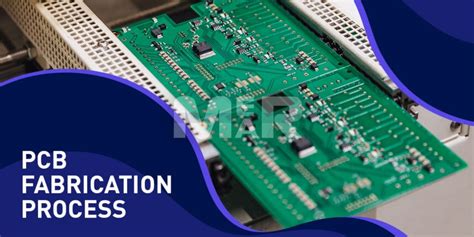
Rapid Prototyping: Fast Turnaround PCB Services
When time is critical for your project, selecting PCB manufacturing companies that specialize in rapid prototyping can make or miss deadlines. Modern high-speed fabrication services now offer 24- to 48-hour build times, though this often comes with a higher PCB manufacturing cost compared to standard lead times. For instance, expedited services might charge 30-50% more than standard options, but the ability to test designs within days—rather than weeks—can accelerate product development cycles significantly.
Balancing speed with reliability requires understanding trade-offs. While some providers use automated processes to slash turnaround times, ensure their quality controls (like AOI testing or impedance checks) align with your project’s needs. For time-sensitive prototypes, paying a premium for faster PCB manufacturing might justify itself—especially if delays risk market opportunities or contractual penalties. However, if your budget is tight, explore tiered pricing models where partial panel sharing or slightly relaxed timelines reduce expenses without sacrificing critical deadlines.
Always verify if expedited fees include hidden costs, such as expedited shipping or design review surcharges. Leading PCB manufacturing business operators transparently outline these details, allowing you to optimize both speed and budget. Remember: the fastest option isn’t always the most cost-effective—prioritize vendors that offer clear timelines, real-time tracking, and responsive support to keep your project on track.

Optimizing PCB Orders for Cost Efficiency
When planning your PCB manufacturing strategy, balancing expenses without compromising functionality starts with intelligent design choices. PCB manufacturing companies often charge based on board size, layer count, and material specifications, so consolidating multiple designs into a single order can significantly reduce PCB manufacturing cost per unit. For instance, grouping smaller prototypes on a shared panel maximizes material usage and minimizes waste.
Another key strategy is to standardize design parameters where possible. Using common substrate materials like FR-4 instead of specialized alternatives keeps costs predictable, while avoiding unnecessarily tight tolerances reduces fabrication complexity. Many PCB manufacturing business providers offer tiered pricing models—ordering slightly larger quantities (e.g., 10–20 boards instead of 5) often unlocks bulk discounts without overstocking.
Don’t forget to evaluate lead times critically. While 24-hour turnaround services are ideal for urgent projects, opting for standard production cycles (3–5 days) can lower costs by 30–50%, especially for hobbyist or low-volume needs. Tools like automated DFM (Design for Manufacturability) checks provided by manufacturers help identify cost-driving design flaws early, preventing expensive revisions.
Finally, compare quotes transparently. Platforms like JLCPCB and ALLPCB allow real-time adjustments to parameters like solder mask color or surface finish, letting you see how each choice impacts the final quote. By aligning your priorities—whether speed, budget, or scalability—you can tailor orders to match your project’s unique demands.
Conclusion
When navigating the complexities of PCB manufacturing, your priorities—whether speed, affordability, or reliability—will shape which PCB manufacturing companies align with your project’s needs. Balancing PCB manufacturing cost with turnaround time requires careful evaluation: high-speed services may suit urgent prototypes, while budget-focused options excel for bulk orders or hobbyist builds. Always weigh the trade-offs—premium 24-hour builds might save time but strain budgets, whereas lower-cost solutions could extend timelines.
For small-scale projects, leaning toward providers offering rates under $0.30/pin ensures affordability without sacrificing functionality. However, if scaling a PCB manufacturing business, prioritize suppliers with transparent pricing tiers and proven consistency. Tools like automated quoting systems or volume discounts can further optimize expenses.
Ultimately, the right choice hinges on aligning your goals with a manufacturer’s strengths—whether rapid prototyping, cost efficiency, or scalability. By staying informed about evolving industry standards, you’ll make decisions that balance quality, speed, and PCB manufacturing cost effectively.
FAQs
How do PCB manufacturing companies balance speed and cost?
Most PCB manufacturing providers offer tiered pricing based on turnaround time. For example, 24-hour builds often cost $2–$5 per board, while standard 5–7-day services drop to $0.30–$1 per pin. Prioritize urgent prototyping for critical projects and opt for slower timelines when budgets are tight.
What factors influence PCB manufacturing cost the most?
Material quality, layer count, and order volume are primary cost drivers. Budget-friendly solutions under $0.30/pin typically use FR-4 substrates and standard finishes. For complex designs, expect higher fees due to advanced processes like HDI or impedance control.
Can hobbyists access affordable PCB manufacturing services?
Yes! Many PCB manufacturing businesses cater to hobbyists with low minimum orders (as few as 5–10 boards) and simplified pricing. Look for platforms offering design verification tools to avoid costly revisions.
Is faster turnaround always better for prototypes?
Not necessarily. While 24-hour builds accelerate testing, they may limit design flexibility. If you’re iterating frequently, consider splitting orders: rush a small batch first, then refine before bulk production.
How do I choose between PCB manufacturing companies like JLCPCB and ALLPCB?
Compare their cost transparency, supported specifications, and customer reviews. Some specialize in ultra-fast services, while others focus on ultra-low-cost batches. Always request a detailed quote to avoid hidden fees.
Ready to Optimize Your PCB Order?
For tailored solutions that balance speed, quality, and PCB manufacturing cost, please click here to explore AndwinPCB’s services. Their team specializes in both rapid prototyping and high-volume production—ideal for startups and engineers alike.