
Fusion PCB: The Future of Advanced Printed Circuit Board Technology
Introduction
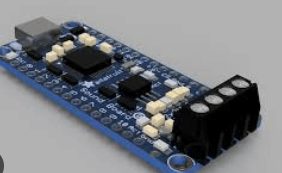
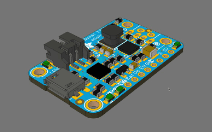
Printed Circuit Boards (PCBs) are the backbone of modern electronics, serving as the foundation for nearly all electronic devices, from smartphones to industrial machinery. As technology evolves, the demand for more complex, efficient, and high-performance PCBs has grown exponentially. One of the most promising advancements in this field is Fusion PCB, a cutting-edge approach that combines multiple technologies into a single, highly integrated board.
Fusion PCB represents a significant leap forward in PCB design and manufacturing, enabling higher density interconnects, improved thermal management, and enhanced electrical performance. This article explores the concept of Fusion PCB, its key technologies, benefits, applications, and future trends.
What is Fusion PCB?
Fusion PCB refers to the integration of multiple PCB technologies into a single unified design. Unlike traditional PCBs that rely on a single manufacturing process, Fusion PCBs combine techniques such as High-Density Interconnect (HDI), rigid-flex PCBs, embedded components, and advanced materials to achieve superior performance.
The term “Fusion” signifies the merging of different PCB technologies to overcome limitations in signal integrity, power distribution, and space constraints. This approach is particularly valuable in industries requiring miniaturization, high-speed data transfer, and reliability under harsh conditions.
Key Technologies in Fusion PCB
1. High-Density Interconnect (HDI)
HDI technology allows for finer traces, smaller vias, and higher component density. Fusion PCBs leverage HDI to enable:
- Microvias and blind/buried vias for better signal routing.
- Thinner dielectric layers for compact designs.
- Improved signal integrity in high-frequency applications.
2. Rigid-Flex PCBs
Rigid-flex PCBs combine rigid and flexible substrates, offering:
- Reduced weight and space in wearable and portable electronics.
- Enhanced durability in applications with mechanical stress (e.g., aerospace, medical devices).
- Fewer connectors, improving reliability and reducing failure points.
3. Embedded Components
Instead of placing components on the surface, Fusion PCBs embed passive (resistors, capacitors) and active (ICs) components within the board layers. Benefits include:
- Reduced PCB footprint.
- Improved electrical performance due to shorter interconnects.
- Better thermal management.
4. Advanced Materials
Fusion PCBs use specialized materials such as:
- Low-loss dielectrics for high-speed digital and RF applications.
- Thermally conductive substrates for heat dissipation.
- Ceramic and metal-core PCBs for power electronics.
5. Additive Manufacturing (3D Printing)
Emerging 3D-printed electronics enable:
- Rapid prototyping of complex Fusion PCB designs.
- Custom geometries not possible with traditional etching.
- Integration of conductive and non-conductive materials in a single process.
Advantages of Fusion PCB
1. Higher Performance
- Reduced signal loss in high-frequency applications (5G, IoT, radar systems).
- Lower parasitic effects due to embedded components and optimized layouts.
2. Miniaturization
- Smaller form factors for wearables, medical implants, and drones.
- Increased functionality per unit area.
3. Improved Reliability
- Fewer solder joints and connectors reduce failure risks.
- Better thermal management prevents overheating in power electronics.
4. Cost Efficiency in Complex Designs
- Fewer assembly steps compared to traditional multi-board systems.
- Long-term savings in high-reliability applications (automotive, aerospace).
5. Design Flexibility
- Customizable stack-ups for specific electrical and mechanical needs.
- Hybrid rigid-flex configurations for dynamic applications.
Applications of Fusion PCB
1. Consumer Electronics
- Smartphones & Tablets: Thinner, lighter, and more powerful devices.
- Wearables: Flexible and durable PCBs for smartwatches and fitness trackers.
2. Automotive & Aerospace
- Electric Vehicles (EVs): High-power PCBs for battery management systems.
- Avionics: Reliable rigid-flex PCBs for satellites and aircraft.
3. Medical Devices
- Implantable Electronics: Biocompatible, compact Fusion PCBs for pacemakers.
- Diagnostic Equipment: High-speed PCBs for MRI and ultrasound machines.
4. Industrial & IoT
- Industry 4.0: Robust PCBs for automation and robotics.
- 5G & IoT: Low-latency, high-frequency PCBs for smart infrastructure.
5. Defense & Telecommunications
Challenges in Fusion PCB Manufacturing
Despite its advantages, Fusion PCB technology faces several challenges:
- Complex Manufacturing Process: Requires advanced equipment and expertise.
- Higher Initial Costs: Specialized materials and techniques increase production expenses.
- Design Complexity: Simulation and testing are critical to avoid signal integrity issues.
- Thermal Management: High-density designs may generate excessive heat.
- Standardization: Lack of universal design rules for hybrid PCBs.
Future Trends in Fusion PCB Technology
1. AI-Driven PCB Design
- Machine learning algorithms optimize layouts for signal integrity and thermal performance.
- Automated DFM (Design for Manufacturing) reduces errors and speeds up production.
2. Advanced Embedded Passives & Actives
- More components integrated within layers, reducing surface mounting needs.
- Embedded ICs for ultra-compact designs.
3. Sustainable PCBs
- Eco-friendly materials (biodegradable substrates, lead-free solders).
- Recycling-friendly designs for reduced e-waste.
4. Quantum & Photonic PCBs
- Integration of quantum computing elements.
- Optical interconnects for ultra-high-speed data transfer.
5. Hybrid Manufacturing Techniques
- Combining subtractive and additive processes for cost-effective production.
- 3D-printed electronics enabling new form factors.
Conclusion
Fusion PCB represents the next evolution in PCB technology, combining multiple advanced techniques to meet the demands of modern electronics. With benefits such as higher performance, miniaturization, and improved reliability, Fusion PCBs are becoming essential in industries ranging from consumer electronics to aerospace.
While challenges in manufacturing complexity and cost remain, ongoing advancements in AI-driven design, embedded components, and sustainable materials will further propel Fusion PCB adoption. As technology continues to push the boundaries of what’s possible, Fusion PCBs will play a pivotal role in shaping the future of electronics.
By embracing Fusion PCB technology, manufacturers and designers can unlock new possibilities, paving the way for smaller, faster, and more efficient electronic systems. The fusion of innovation and engineering is set to redefine the PCB landscape in the years to come.