
Leading PCB Fab Houses: Maker-Verified Assembly Experts
Key Takeaways
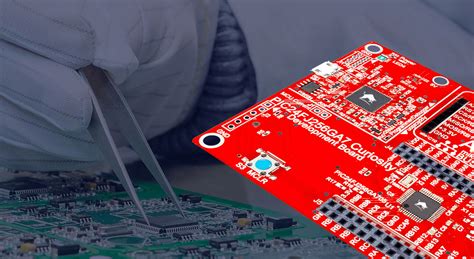
When selecting PCB manufacturing partners, understanding cost-quality dynamics proves critical for successful projects. The best PCB manufacturing companies distinguish themselves through transparent pricing structures and precision-focused assembly – particularly for small-pitch designs requiring sub-0.5mm soldering. Below, we break down essential factors to evaluate:
| Feature | Cost-Driven Option | Quality-First Option |
|---|---|---|
| Lead Time | 3-5 days | 7-10 days |
| Pricing Model | Volume discounts | Fixed engineering fees |
| Component Sourcing | Basic inventory | Extended supplier network |
| DFM Feedback | Automated | Engineer-reviewed |
"Always cross-check PCB manufacturing cost estimates against your project’s technical requirements. A lower upfront quote might omit critical services like impedance control or solder mask alignment."
For hobbyists, balancing PCB manufacturing business priorities with prototyping needs means prioritizing vendors offering batch flexibility (e.g., 5-10 boards) without inflating setup fees. Meanwhile, complex connector designs demand partners with automated optical inspection (AOI) systems to minimize soldering defects. If you’re optimizing budgets for high-density layouts, consider splitting orders: prototype with cost-effective suppliers and finalize production with specialized manufacturers. This hybrid approach ensures both affordability and reliability without compromising on traceability or material certifications.
PCB Manufacturer Comparison: JLCPCB vs ALLPCB
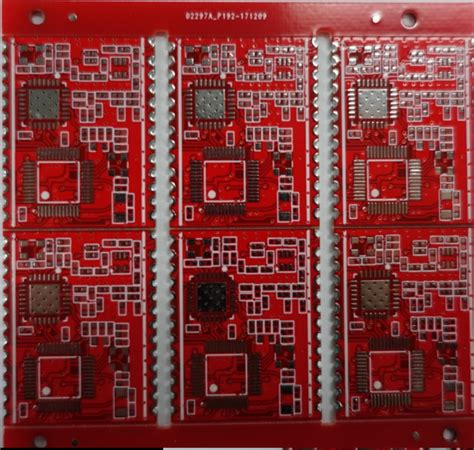
When evaluating PCB manufacturing companies for prototyping or production, you’ll find JLCPCB and ALLPCB frequently topping maker recommendations. Both excel in PCB manufacturing fundamentals—offering multilayer boards, controlled impedance, and surface finishes like ENIG—but their approaches to PCB manufacturing cost and component integration differ. JLCPCB’s strength lies in its integrated parts library, slashing sourcing time for common components, while ALLPCB provides more flexible customization for specialized materials, which benefits complex connector designs.
For small-pitch projects, JLCPCB’s automated assembly workflows often deliver faster turnaround times, but ALLPCB’s manual quality checks might appeal if precision outweighs speed. When balancing PCB manufacturing business priorities, JLCPCB’s pricing tiers favor high-volume orders, whereas ALLPCB’s transparent quotes simplify budgeting for low-to-medium batches. Industry benchmarks suggest reviewing lead times and DFM feedback quality before committing—critical factors when scaling prototypes to production.
Your choice ultimately hinges on whether you prioritize cost predictability (JLCPCB) or tailored support (ALLPCB). Cross-referencing user reviews with your project’s technical demands ensures you align with a partner that matches both your specs and workflow expectations.
Component Sourcing for Precision PCB Assembly
When designing high-accuracy circuits, your choice of components directly impacts the reliability of PCB manufacturing outcomes. Precision assembly demands parts with tight tolerances, which requires partnering with PCB manufacturing companies that maintain rigorous quality controls and traceability across their supply chains. Reputable providers often collaborate with certified distributors to source mil-spec connectors, high-frequency ICs, or miniature passives—critical for small-pitch designs.
Balancing PCB manufacturing cost with component quality becomes a strategic decision. While generic parts might lower upfront expenses, they risk signal integrity issues or premature failures in dense layouts. Many full-service fabricators now integrate component procurement into their workflows, leveraging bulk pricing to reduce your sourcing burden. However, verify their inventory depth for niche or obsolete parts, especially if your project involves legacy systems.
For businesses scaling production, aligning with a PCB manufacturing business that offers consignment options or bonded storage can optimize cash flow. Always cross-check lead times and counterfeit prevention protocols—delays or counterfeit components can derail timelines and inflate rework costs. Transparent suppliers will clarify their sourcing channels and provide component-level certifications, ensuring your design’s performance matches simulations.
Small-Pitch Soldering Challenges and Solutions
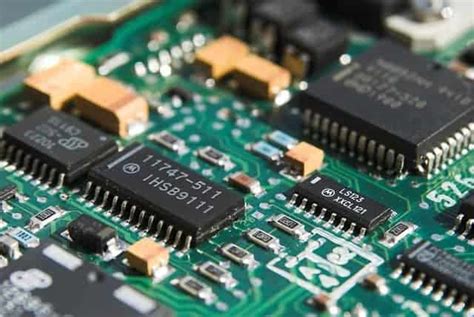
When working with PCB manufacturing for high-density designs, small-pitch components like 0.4mm QFPs or 0201 resistors introduce unique soldering challenges. Narrow pad spacing increases risks of bridging, tombstoning, or cold joints—issues that escalate PCB manufacturing cost due to rework or scrapped boards. To mitigate these, PCB manufacturing companies employ advanced techniques such as laser-cut stencils for precise paste deposition and automated optical inspection (AOI) to detect micron-level defects.
Your design choices directly impact manufacturability. For instance, opting for solder mask-defined pads reduces bridging risks, while specifying low-temperature solder paste helps prevent warping in thin substrates. Reputable PCB manufacturing business partners often recommend nitrogen-assisted reflow ovens to improve wetting consistency in oxygen-free environments—a critical factor for 0.3mm-pitch BGA components.
Balancing precision and affordability requires understanding value engineering principles. While tighter tolerances raise PCB manufacturing cost, strategic compromises—like using microvia-in-pad instead of staggered vias—can maintain reliability without overengineering. Always verify if your chosen PCB manufacturing companies offer design-for-manufacturability (DFM) feedback loops, as this collaboration prevents costly respins in small-pitch projects.
Transitioning to assembly, ensure your provider uses X-ray inspection for hidden joints and selective soldering for mixed-pitch boards. These steps, though adding marginal costs, safeguard against field failures in compact electronics—a non-negotiable for IoT devices or wearable tech.
Cost-Quality Balance in PCB Fabrication Services
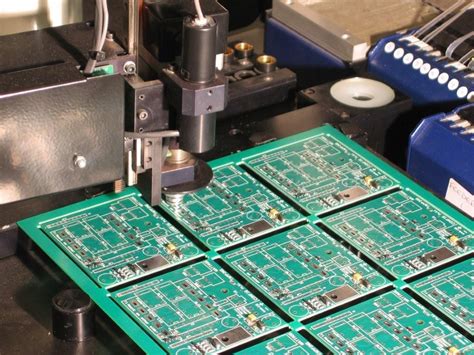
When evaluating PCB manufacturing companies, striking the right equilibrium between pcb manufacturing cost and technical performance requires strategic planning. The first consideration lies in material selection: opting for mid-tier FR-4 substrates instead of high-frequency laminates can reduce expenses by 20-40% while maintaining reliability for most hobbyist projects. However, precision-controlled impedance or thermal management demands might justify premium materials.
Another critical factor is production scale. While bulk orders from pcb manufacturing providers typically lower per-unit costs, small-batch prototyping allows iterative design improvements without overcommitting budgets. For example, some fabs offer tiered pricing models where orders under 50 boards maintain <$2/board rates through optimized panelization.
Here’s a tip: always cross-verify quoted pcb manufacturing business expenses against included services. A $0.05/sq. in. base price might exclude essential steps like electrical testing or ENIG surface finishes, inflating final costs. Platforms like JLCPCB often bundle these features, whereas ALLPCB’s à la carte approach benefits projects requiring specialized treatments like <0.2mm laser drills.
Don’t overlook hidden value drivers. Partnering with pcb manufacturing specialists who provide real-time DFM feedback can prevent costly redesigns—a single via spacing error caught early saves weeks in respins. For tight-budget builds, prioritize tolerances: ±10% impedance control suffices for Arduino shields, while RF modules demand ±5%.
The key lies in transparently aligning your project’s critical-to-quality parameters with the fab house’s core competencies. A $200 quote might seem steep for 10 boards until you factor in 24-hour turnaround and 99.5% solder mask accuracy—metrics that prevent downstream assembly headaches.
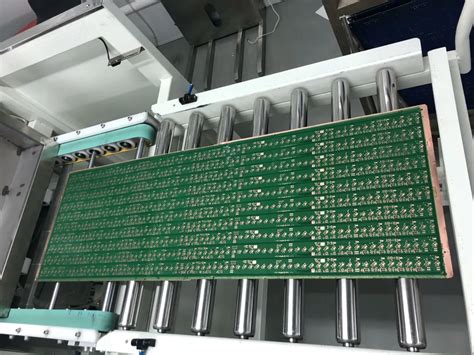
Maker-Approved PCB Fab Houses for Hobbyists
When diving into DIY electronics, finding reliable PCB manufacturing companies that cater to hobbyist needs can feel overwhelming. Unlike industrial-scale projects, your focus likely balances PCB manufacturing cost with accessibility to user-friendly tools and support. Platforms like JLCPCB and ALLPCB have gained traction among makers for their streamlined interfaces, instant quoting systems, and low minimum order quantities—ideal for prototyping or small-batch runs. These PCB manufacturing specialists often provide pre-validated component libraries, reducing the risk of errors in small-pitch soldering or footprint mismatches.
For hobbyists, transparency in PCB manufacturing business operations matters. Look for vendors offering real-time production updates, detailed design rule checks (DRCs), and clear documentation on material choices. Some services even include assembly tutorials or community forums where you can troubleshoot issues with fellow makers. While cost remains a priority, don’t overlook the value of design-for-manufacturing (DFM) feedback—this guidance helps refine your boards before fabrication, avoiding costly revisions. By aligning with PCB manufacturing partners that prioritize maker-friendly workflows, you’ll spend less time managing logistics and more time bringing your creative projects to life.
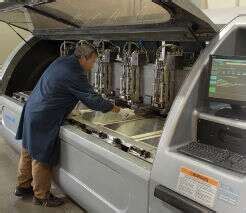
Professional Assembly for Complex Connector Designs
When tackling intricate connector layouts in your projects, selecting PCB manufacturing companies with proven expertise in high-density designs becomes critical. Complex connectors—such as micro-USB, board-to-board, or flex-circuit interfaces—require precision in small-pitch soldering and alignment tolerances under 0.2mm. Reputable PCB manufacturing providers leverage advanced techniques like laser-direct imaging (LDI) and automated optical inspection (AOI) to ensure error-free assembly, even for multi-layer boards with mixed surface-mount and through-hole components.
Balancing PCB manufacturing cost with quality demands careful evaluation of material choices and process capabilities. For instance, some manufacturers offer cost-saving options like panelization for bulk orders while maintaining strict IPC Class 2/3 standards. However, thermal management becomes paramount when working with fine-pitch connectors, as uneven heat distribution during reflow soldering can lead to bridging or cold joints. Leading PCB manufacturing business operators address this through pre-production simulations and customized stencil designs, minimizing rework risks.
Always verify a supplier’s experience with your specific connector types—whether it’s high-speed PCIe slots or ruggedized industrial interfaces—to avoid costly redesigns. Transparent communication about tolerance thresholds and testing protocols (like flying probe or X-ray inspection) ensures your complex designs transition seamlessly from prototype to production.
User Experiences With Top PCB Manufacturers
When evaluating PCB manufacturing companies, firsthand accounts from engineers and makers reveal critical insights into balancing technical capabilities with PCB manufacturing cost. Users frequently highlight how platforms like JLCPCB and ALLPCB streamline PCB manufacturing business workflows, particularly for small-pitch designs requiring micron-level precision. One recurring theme? The importance of transparent pricing models—unexpected fees for specialty materials or tight tolerances can derail budgets, especially in high-density projects.
Designers praise manufacturers offering integrated component sourcing solutions, noting how consolidated services reduce lead times. However, some report challenges with traceability when outsourcing complex connector assemblies—a reminder to verify suppliers’ quality control protocols. For hobbyists, affordability often takes priority, but professionals emphasize repeatability: consistent results across batches matter more than upfront savings.
Your choice ultimately hinges on project scope. While smaller-scale creators might prioritize PCB manufacturing cost and user-friendly interfaces, industrial teams value manufacturers with certified assembly processes (e.g., ISO 9001) and robust DFM feedback. Cross-referencing user forums with official specs helps avoid pitfalls like solder mask misalignment or impedance mismatches—common pain points in multi-layer builds.
Optimizing Budget for High-Density PCB Projects
When balancing performance and affordability in PCB manufacturing, understanding the factors influencing PCB manufacturing cost is critical. High-density designs demand tighter tolerances, advanced materials, and specialized processes—each adding complexity to your project’s budget. To reduce expenses without compromising quality, start by optimizing your design layout: minimize layer counts, avoid unnecessary via-in-pad structures, and standardize component footprints where possible.
Collaborating with PCB manufacturing companies that offer scalable pricing models can further streamline costs. For instance, panelizing multiple designs into a single fabrication batch lowers per-unit expenses, especially for prototypes or small batches. Additionally, verify whether your supplier provides in-house component sourcing—this eliminates third-party markup and ensures compatibility with fine-pitch soldering requirements.
While evaluating PCB manufacturing business proposals, prioritize transparency in quoting breakdowns. Hidden fees for impedance control or solder mask alignment often inflate budgets unexpectedly. Tools like real-time DFM (Design for Manufacturing) analysis, offered by platforms like JLCPCB and ALLPCB, help identify cost drivers early. Remember, the cheapest option isn’t always optimal; weigh lead times, quality certifications, and technical support against upfront savings to align with your project’s long-term goals.
Conclusion
When navigating the landscape of PCB manufacturing, your final choice hinges on aligning technical requirements with practical constraints. Reputable PCB manufacturing companies distinguish themselves through transparent pricing models, scalable production capabilities, and maker-tested reliability in handling complex designs. Whether prioritizing PCB manufacturing cost for budget-sensitive prototypes or seeking seamless component integration for high-density layouts, the decision ultimately balances technical precision with operational flexibility.
For small-scale innovators, partnering with a PCB manufacturing business that offers modular pricing and rapid turnaround ensures you avoid overcommitting resources early in development. Meanwhile, enterprises tackling advanced connector systems or micro-pitch soldering should prioritize vendors with proven expertise in precision tooling and thermal management. By cross-referencing user-reported experiences with your project’s specific demands—be it material selection, solder mask accuracy, or assembly tolerances—you position yourself to maximize value without compromising functionality.
Remember, the optimal partner isn’t just about upfront quotes but long-term collaboration in refining designs and troubleshooting challenges. As technologies evolve, aligning with adaptable PCB manufacturing providers ensures your projects stay ahead in both performance and cost-efficiency.
Frequently Asked Questions
How do you choose between different PCB manufacturing companies for prototyping?
When evaluating PCB manufacturing partners, prioritize vendors offering transparent PCB manufacturing cost breakdowns and design-for-manufacturing (DFM) feedback. Reputable PCB manufacturing business operators typically provide instant quoting tools and material certification documents.
What factors most impact PCB manufacturing cost in small-batch orders?
Material selection (FR-4 vs high-frequency laminates), layer count, and surface finishes (ENIG vs HASL) account for 60-75% of PCB manufacturing expenses. For controlled impedance or HDI designs, expect 20-35% cost premiums compared to standard multilayer boards.
How do PCB manufacturing companies handle 0.4mm pitch components?
Leading assemblers combine laser-cut stencils with SPI (solder paste inspection) systems and nitrogen-reflow ovens. This reduces bridging risks in PCB manufacturing processes by 40% compared to manual soldering approaches for tight-pitch ICs.
Can you source components through PCB manufacturing business providers?
Most full-service partners maintain JIT (just-in-time) inventory for common passives and connectors. However, specialized ICs or obsolete parts often require third-party procurement—verify their approved vendor list (AVL) coverage before committing.
What quality benchmarks differentiate top-tier PCB manufacturing companies?
Look for ISO 9001:2015 certification, IPC-A-610 Class 3 compliance, and >98% first-pass yield rates. Reliable PCB manufacturing specialists will provide cross-sectional microsection reports and electrical test (E-test) coverage data upon request.
Explore Customized PCB Solutions Today
Refining your board’s PCB manufacturing cost structure? Please click here for instant engineering support and volume production quotes tailored to your project’s technical requirements.