
Ceramic PCB Manufacturing Solutions for High-Temperature Applications

Key Takeaways
When evaluating PCB manufacturing companies for high-temperature applications, material selection directly impacts performance and PCB manufacturing cost. Ceramic substrates like Al2O3 (aluminum oxide) and AlN (aluminum nitride) provide unmatched thermal conductivity, with AlN offering nearly 10x higher heat dissipation than traditional FR-4 materials. For industries like aerospace or automotive electronics, partnering with specialized PCB manufacturing experts ensures substrates withstand thermal cycling while maintaining signal integrity. These suppliers optimize designs to minimize warping risks in harsh conditions, leveraging advanced processes like laser drilling and thick-film metallization.
Cost considerations in the PCB manufacturing business often revolve around substrate purity and layer complexity. While Al2O3 remains a budget-friendly option for temperatures up to 350°C, AlN becomes cost-effective in ultra-high-power systems due to its superior thermal management. Always verify that manufacturers adhere to ISO-certified production standards, particularly for CTE (coefficient of thermal expansion) matching between ceramic layers and metalized components—a critical factor in preventing delamination under extreme thermal stress.
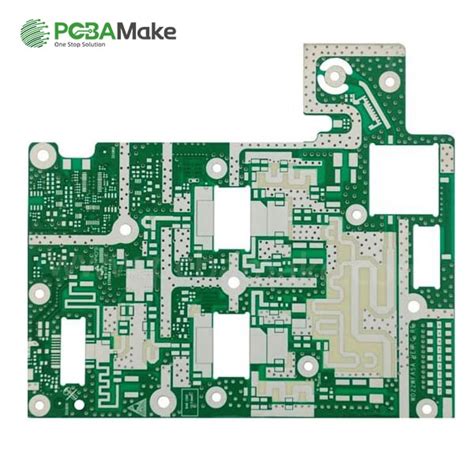
Ceramic PCB Benefits in Extreme Environments
When operating in harsh conditions—whether extreme temperatures, corrosive atmospheres, or high-vibration settings—ceramic PCBs outperform traditional substrates by leveraging their inherent material advantages. Unlike standard FR-4 boards, ceramic-based substrates like Al2O3 (aluminum oxide) and AlN (aluminum nitride) offer exceptional thermal conductivity, enabling efficient heat dissipation even in environments exceeding 300°C. This makes them ideal for applications where thermal management directly impacts system longevity, such as aerospace avionics or automotive power modules.
For PCB manufacturing companies, the choice between Al2O3 and AlN often hinges on balancing PCB manufacturing cost with performance requirements. While AlN provides superior thermal conductivity (up to 170 W/mK), its higher material cost may influence decisions for budget-sensitive projects. However, in extreme environments, the reduced risk of thermal failure often justifies the investment.
Tip: When selecting a ceramic substrate, prioritize suppliers with ISO-certified processes to ensure consistent material quality and traceability—critical for industries like defense or medical electronics.
The durability of ceramic PCBs also reduces maintenance needs in industrial settings, where exposure to chemicals or mechanical stress can degrade conventional boards. By partnering with specialized PCB manufacturing businesses, you gain access to tailored solutions, such as laser-drilled vias or thick-film metallization, that enhance reliability under stress. For deeper insights into material selection, explore this guide on advanced substrate technologies.
As we transition to analyzing Al2O3 vs AlN thermal performance, remember that the optimal choice depends on your application’s specific thermal, mechanical, and budgetary constraints.
Al2O3 vs AlN Thermal Performance Analysis
When selecting ceramic substrates for high-temperature applications, understanding the thermal performance of Al2O3 (aluminum oxide) and AlN (aluminum nitride) is critical. Both materials excel in extreme environments, but their properties differ significantly. Thermal conductivity is a key differentiator: AlN offers 9–12x higher conductivity (170–220 W/mK) compared to Al2O3 (18–30 W/mK), making it ideal for applications requiring rapid heat dissipation, such as power electronics or aerospace systems.
| Property | Al2O3 | AlN |
|---|---|---|
| Thermal Conductivity | 18–30 W/mK | 170–220 W/mK |
| Dielectric Strength | 15–20 kV/mm | 15–25 kV/mm |
| Cost Efficiency | Lower | Higher |
| Common Applications | Industrial sensors | RF/microwave components |
For PCB manufacturing companies, balancing PCB manufacturing cost with performance is essential. While AlN’s superior thermal management reduces long-term failure risks, its higher material cost may influence decisions in PCB manufacturing business models targeting budget-sensitive industries. Al2O3 remains a cost-effective choice for applications where moderate heat dissipation suffices, such as automotive control modules.
When optimizing PCB manufacturing for harsh conditions, consider both materials’ mechanical stability and compatibility with your assembly processes. Partnering with an experienced ceramic PCB manufacturer ensures alignment between material selection, thermal requirements, and production scalability.
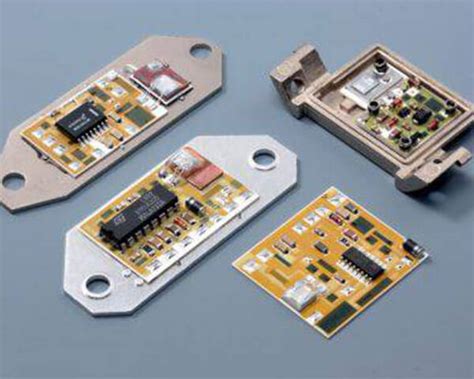
High-Temperature PCB Solutions for Aerospace
When designing electronics for aerospace systems, you need substrates that withstand extreme thermal cycling, radiation, and mechanical stress. PCB manufacturing processes for aerospace-grade ceramic boards prioritize materials like aluminum nitride (AlN) and alumina (Al₂O₃), which offer unmatched thermal conductivity and stability above 500°C. These substrates prevent delamination in low-pressure environments while maintaining signal integrity during rapid temperature shifts—critical for avionics, satellite communications, and propulsion controls.
Leading PCB manufacturing companies leverage laser drilling and thick-film metallization to create ultra-reliable interconnects, even in oxygen-deprived conditions. While PCB manufacturing cost for ceramic boards is higher than traditional FR-4, the long-term savings from reduced failure rates in mission-critical systems justify the investment. For instance, AlN’s 170-180 W/mK thermal conductivity outperforms most metals, eliminating the need for bulky heat sinks in weight-sensitive applications.
To optimize PCB manufacturing business outcomes, engineers must balance material selection with application-specific thermal profiles. Advanced simulation tools help predict stress points in multilayer designs, ensuring compliance with MIL-STD-810 and DO-160 standards. By partnering with ISO-certified suppliers, you gain access to traceable production workflows and rigorous testing protocols—key for maintaining reliability in aerospace’s unforgiving operational environments.
Automotive Electronics Ceramic Substrate Guide
When designing electronic systems for modern vehicles, you need substrates that withstand extreme heat, vibration, and chemical exposure. PCB manufacturing for automotive applications demands materials like Al2O3 (aluminum oxide) or AlN (aluminum nitride), which offer unmatched thermal conductivity and mechanical stability. Unlike traditional FR-4 boards, these ceramic substrates efficiently dissipate heat from high-power components like EV battery controllers or engine control units, ensuring long-term reliability.
Choosing between Al2O3 and AlN depends on your thermal and budgetary requirements. While AlN provides 5-10x higher thermal conductivity, it often increases PCB manufacturing cost compared to Al2O3. Reputable PCB manufacturing companies optimize material selection based on your application’s thermal thresholds, balancing performance with affordability. For instance, electric vehicle inverters might prioritize AlN for its heat dissipation, while sensor modules could use cost-effective AlO3.
In the PCB manufacturing business, precision in laser drilling and metallization ensures robust interconnects for harsh automotive environments. Advanced techniques like thick-film printing or LTCC (low-temperature co-fired ceramic) enable multilayer designs without compromising thermal performance. Partnering with ISO-certified manufacturers guarantees adherence to automotive-grade standards, from material sourcing to final testing. By integrating ceramic substrates, you future-proof your designs against evolving thermal challenges in autonomous driving and electrification.

Industrial-Grade Ceramic Circuit Board Design
When designing ceramic PCBs for industrial applications, you must prioritize structural integrity and thermal resilience. Unlike standard substrates, industrial-grade ceramic circuit boards require specialized material selection—typically Al2O3 (aluminum oxide) or AlN (aluminum nitride)—to withstand prolonged exposure to high temperatures, mechanical stress, and chemical corrosion. PCB manufacturing companies often recommend thicker copper plating (up to 300 μm) and laser-drilled vias to enhance current-carrying capacity and heat dissipation in these demanding environments.
A critical factor is balancing PCB manufacturing cost with performance requirements. For instance, while AlN substrates offer superior thermal conductivity (170-200 W/mK), they are more expensive than Al2O3 (24-28 W/mK). Your design choices should align with the operational thresholds of your application—whether it’s a furnace control system or heavy machinery monitoring. Advanced simulation tools help optimize trace layouts to minimize thermal hotspots, ensuring long-term reliability without overengineering.
Collaboration with ceramic PCB manufacturers early in the design phase is crucial. They can guide you on material compatibility, layer stacking, and finish options (e.g., ENIG or thick-film printing) to meet industrial standards. Additionally, consider PCB manufacturing business practices like ISO-certified quality controls, which validate consistency in high-volume production. By integrating these elements, you create boards that not only survive harsh conditions but also maintain signal integrity and electrical stability over decades of use.
Optimizing Thermal Management with Ceramic PCBs
When designing systems for high-temperature environments, managing heat dissipation becomes critical to maintaining performance and longevity. Ceramic PCBs excel in this regard due to their inherently low thermal resistance and high thermal conductivity, which enable efficient heat transfer away from sensitive components. Unlike traditional substrates, materials like Al₂O₃ (alumina) and AlN (aluminum nitride) offer distinct advantages: Al₂O₃ provides cost-effective stability for moderate heat loads, while AlN delivers unmatched conductivity for extreme conditions.
Choosing the right PCB manufacturing partner ensures your design leverages these properties effectively. Reputable PCB manufacturing companies optimize material selection and layer stacking to minimize PCB manufacturing cost without compromising reliability. For instance, embedding heat-spreading vias or using direct-bonded copper (DBC) layers can enhance thermal pathways while adhering to tight tolerances. This becomes particularly evident in applications like power electronics, where uneven heat distribution risks component failure.
In a competitive PCB manufacturing business, balancing performance and affordability requires expertise in ceramic substrate processing. Advanced techniques like laser drilling and precision metallization ensure minimal thermal expansion mismatch, reducing mechanical stress during thermal cycling. By prioritizing thermal management early in the design phase, you avoid costly redesigns and ensure compliance with industry-specific durability standards.
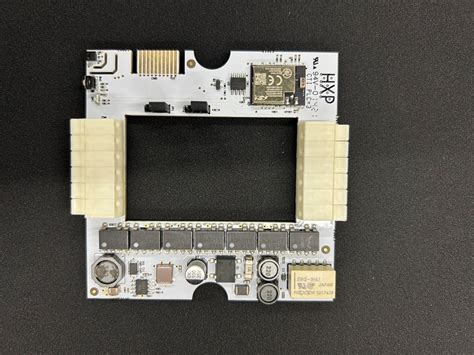
Ceramic PCB Manufacturing for Harsh Conditions
When operating in environments with extreme temperatures, corrosive chemicals, or mechanical stress, standard circuit boards often fail to meet performance demands. This is where specialized ceramic PCB manufacturing becomes critical. Unlike traditional substrates, ceramic-based boards (such as Al₂O₃ or AlN) inherently resist thermal degradation, maintaining structural integrity even at temperatures exceeding 500°C. For industries like aerospace or heavy machinery, partnering with experienced PCB manufacturing companies ensures access to materials engineered for high thermal conductivity and low coefficient of expansion—key traits for preventing delamination or cracking under stress.
While PCB manufacturing cost for ceramic substrates may initially seem higher than FR-4 alternatives, their durability in harsh conditions reduces long-term replacement expenses. Advanced processes like laser drilling and thick-film metallization enable precise trace patterning, critical for high-voltage or high-frequency applications. When evaluating a PCB manufacturing business for harsh-environment solutions, prioritize providers with ISO-certified quality controls and proven expertise in hermetic sealing techniques. These safeguards prevent moisture ingress and chemical corrosion, extending the lifespan of mission-critical electronics exposed to aggressive operational settings.
ISO-Certified Ceramic PCB Production Standards
When selecting PCB manufacturing companies for high-temperature applications, verifying ISO-certified production standards ensures consistent quality and reliability. These certifications mandate rigorous testing of thermal management properties and material stability across extreme operating conditions—a non-negotiable requirement for industries like aerospace and automotive electronics. Certified manufacturers employ advanced processes to optimize PCB manufacturing cost while maintaining precision in laser drilling, metallization, and multilayer stacking for Al2O3/AlN substrates.
By adhering to ISO 9001 and 14001 frameworks, producers guarantee traceability at every stage, from raw material sourcing to final inspection. This becomes particularly critical when designing industrial-grade ceramic circuit boards that must withstand thermal cycling above 500°C. Through standardized processes, PCB manufacturing business operations achieve repeatable results in dielectric strength (≥15 kV/mm) and thermal conductivity (24-170 W/mK), directly impacting long-term performance in harsh environments.
While these requirements may initially increase PCB manufacturing cost, they reduce lifecycle expenses by minimizing field failures. For example, ISO-certified facilities implement statistical process control to maintain ±0.02 mm dimensional tolerances and thermal shock resistance exceeding 1,000 cycles—key factors when reliability outweighs short-term budget constraints.
Transitioning to the next section, these production protocols form the foundation for optimizing ceramic PCB performance across demanding applications.
Conclusion
When selecting PCB manufacturing partners for high-temperature applications, understanding the intersection of material science and production expertise becomes critical. Thermal conductivity and coefficient of thermal expansion remain defining factors in choosing between Al₂O₃ and AlN substrates, but partnering with specialized PCB manufacturing companies ensures these properties align with your operational demands. While PCB manufacturing cost often influences decisions, prioritizing long-term reliability in extreme environments—like aerospace or industrial systems—justifies initial investments.
Reputable PCB manufacturing business operators leverage ISO-certified processes to guarantee traceability and consistency, particularly for applications requiring resistance to thermal cycling or chemical exposure. By integrating advanced sintering techniques and laser drilling, these manufacturers optimize thermal management without compromising circuit density. Ultimately, your choice hinges on balancing technical specifications with scalable production capabilities—a synergy that transforms ceramic substrates from passive components into mission-critical enablers for harsh-condition electronics.
FAQs
How do ceramic PCBs outperform traditional materials in high-temperature applications?
Ceramic substrates like Al2O3 and AlN excel in thermal conductivity and stability, enabling reliable performance above 300°C. Their low thermal expansion minimizes warping, critical for aerospace and automotive systems exposed to extreme heat.
What factors influence the choice between Al2O3 and AlN substrates?
Al2O3 offers cost-effective thermal management (24-28 W/mK), while AlN provides superior conductivity (140-180 W/mK) for high-power applications. Your selection depends on balancing pcb manufacturing cost with operational demands like heat dissipation needs.
Why partner with specialized pcb manufacturing companies for ceramic boards?
Expert manufacturers optimize designs for harsh environments, ensuring precise via drilling and metallization. Their ISO-certified processes guarantee consistency, reducing risks in pcb manufacturing business operations.
How can you control expenses in ceramic pcb manufacturing?
Bulk ordering, material optimization, and partnering with vertically integrated suppliers help manage costs. Advanced pcb manufacturing techniques like laser ablation also reduce waste, improving cost-efficiency without compromising quality.
Explore Professional Ceramic PCB Solutions
For tailored designs that meet rigorous thermal and reliability standards, please click here to consult with industry-leading experts.