
Small Batch PCB Manufacturing: A Comprehensive Guide
Introduction
Printed Circuit Boards (PCBs) are the backbone of modern electronics, serving as the foundation for nearly all electronic devices. From consumer gadgets to industrial machinery, PCBs enable the interconnection of electronic components, ensuring seamless functionality.
While large-scale PCB production is common for mass-market products, small batch PCB manufacturing has gained significant traction in recent years. This approach caters to startups, hobbyists, and businesses requiring limited quantities of high-quality PCBs without the high costs and lead times associated with mass production.
In this article, we will explore the advantages of small batch PCB manufacturing, the processes involved, key considerations, and how businesses can leverage this method for prototyping and low-volume production.
What is Small Batch PCB Manufacturing?
Small batch PCB manufacturing refers to the production of a limited number of PCBs—typically ranging from 5 to 100 units—rather than thousands. This method is ideal for:
- Prototyping – Testing and refining designs before mass production.
- Low-volume production – For niche products, specialized equipment, or limited-run electronics.
- Custom electronics – Tailored solutions for research, medical devices, or IoT applications.
Unlike large-scale manufacturing, small batch production offers flexibility, faster turnaround times, and cost efficiency for businesses that don’t require high volumes.
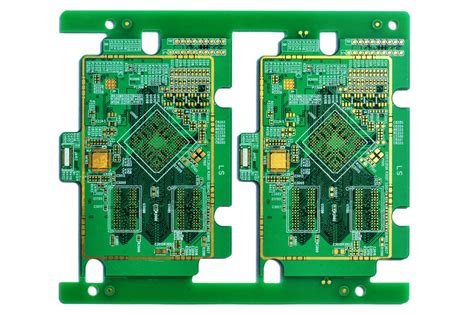
Advantages of Small Batch PCB Production
1. Cost-Effectiveness
Producing PCBs in bulk often requires significant upfront investment in tooling and setup. Small batch manufacturing reduces these costs, making it ideal for startups and small businesses.
2. Faster Turnaround Times
Large-scale PCB production can take weeks due to complex logistics. Small batch orders, however, can be completed in as little as 24–72 hours, accelerating product development cycles.
3. Design Flexibility & Iterations
Engineers can test multiple PCB iterations without committing to mass production. This allows for rapid prototyping and design improvements.
4. Reduced Risk
If a design flaw is detected, small batches minimize financial losses compared to large-scale production errors.
5. Customization Options
Small batch manufacturing supports a variety of materials, finishes, and technologies (e.g., flexible PCBs, high-frequency boards, and HDI designs).
The Small Batch PCB Manufacturing Process
1. Design & File Preparation
The process begins with a PCB design file, typically created using software like Altium Designer, KiCad, or Eagle. Key files needed include:
- Gerber files (for PCB layers)
- Drill files (for hole placement)
- Bill of Materials (BOM) (component list)
- Pick-and-place files (for automated assembly)
2. Prototyping
Before full production, a prototype PCB is often fabricated to verify functionality. This step helps identify design flaws early.
3. PCB Fabrication
The actual manufacturing steps include:
- Substrate Preparation – Cutting the base material (usually FR4).
- Copper Lamination – Applying conductive copper layers.
- Etching – Removing excess copper to form traces.
- Drilling – Creating holes for vias and component leads.
- Solder Mask Application – Insulating layer to prevent shorts.
- Silkscreen Printing – Adding labels and component markings.
- Surface Finish – Applying coatings like HASL, ENIG, or OSP for solderability.
4. PCB Assembly (Optional)
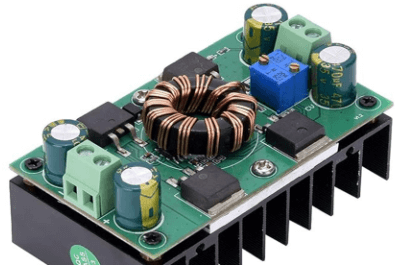
For a fully functional board, components must be soldered onto the PCB. Small batch assembly can be done:
- Manually – For low quantities or through-hole components.
- Automated (SMT) – For surface-mount components using pick-and-place machines.
5. Testing & Quality Control
Each PCB undergoes electrical testing (e.g., flying probe or bed-of-nails testing) to ensure functionality. Visual inspections check for soldering defects or misalignments.
Key Considerations for Small Batch PCB Orders
1. Choosing the Right Manufacturer
Selecting a reliable PCB manufacturer is crucial. Factors to consider:
- Turnaround time – Can they meet your deadline?
- Capabilities – Do they support your PCB type (rigid, flex, high-speed)?
- Quality certifications – ISO, UL, or IPC standards compliance.
- Customer support – Responsiveness to design queries.
2. Design for Manufacturability (DFM)
To avoid delays, ensure your design follows DFM guidelines:
- Trace width/spacing – Avoid excessively thin traces.
- Hole sizes – Ensure drill sizes match component leads.
- Panelization – Optimize board layout for efficient production.
3. Cost Optimization Strategies
- Panel sharing – Combine multiple designs on a single panel to reduce costs.
- Standard materials – Avoid exotic substrates unless necessary.
- Bulk ordering components – Sourcing parts in advance can lower assembly costs.
4. Lead Time vs. Cost Trade-off
Faster turnaround times may cost more. Plan production schedules accordingly.
Applications of Small Batch PCBs
Small batch manufacturing is widely used in industries such as:
- Consumer Electronics – Prototyping new gadgets.
- Medical Devices – Custom diagnostic equipment.
- Automotive – Low-volume control modules.
- Aerospace & Defense – Specialized avionics.
- IoT & Wearables – Custom sensor boards.
Conclusion
Small batch PCB manufacturing bridges the gap between prototyping and mass production, offering cost savings, flexibility, and faster time-to-market. Whether you’re a startup, researcher, or electronics hobbyist, this approach allows for iterative design improvements without excessive costs.
By partnering with an experienced PCB manufacturer and optimizing designs for manufacturability, businesses can efficiently produce high-quality, small-batch PCBs tailored to their needs. As technology evolves, small batch production will continue to empower innovation across industries.
Final Thoughts
For businesses exploring PCB development, starting with small batch production is a smart strategy. It minimizes risk, accelerates testing, and ensures a smoother transition to large-scale manufacturing when the time comes.
Would you like recommendations for PCB manufacturers specializing in small batches? Let us know in the comments!