
Waterproof PCBs: Design, Materials, and Applications
Introduction
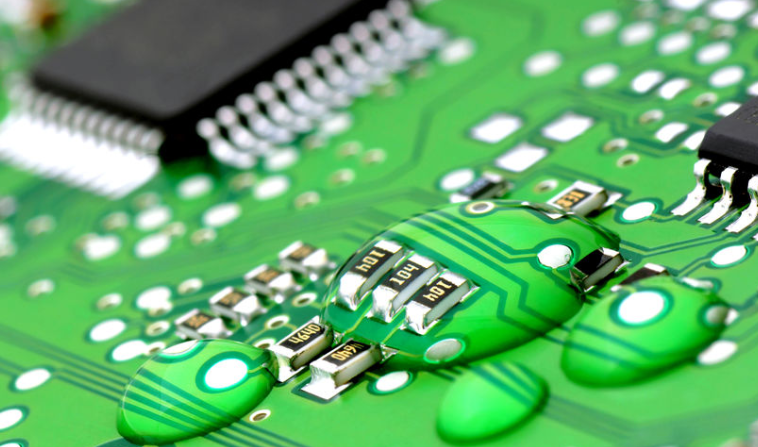
Printed Circuit Boards (PCBs) are the backbone of modern electronics, found in everything from consumer gadgets to industrial machinery. However, exposure to moisture, water, or harsh environments can lead to corrosion, short circuits, and eventual failure. Waterproof PCBs are specially designed to withstand such conditions, ensuring reliability in wet or humid environments.
This article explores waterproof PCB technology, including design considerations, materials, manufacturing techniques, and applications.
Why Waterproof PCBs Are Necessary
Moisture and water can severely damage electronic circuits by:
- Corroding metal traces – Leading to broken connections.
- Causing short circuits – Water conducts electricity, potentially bridging unintended paths.
- Degrading insulation – Some PCB materials absorb water, reducing dielectric properties.
- Promoting mold and oxidation – Long-term exposure can lead to biological growth or oxidation of components.
Waterproof PCBs mitigate these risks, making them essential for:
- Outdoor electronics (e.g., LED displays, traffic signals)
- Automotive and marine electronics
- Medical devices (e.g., implants, surgical tools)
- Industrial equipment (e.g., sensors in wet environments)
- Consumer electronics (e.g., waterproof smartphones, wearables)
Key Design Considerations for Waterproof PCBs
1. Conformal Coating
A thin protective film applied over the PCB to shield it from moisture, dust, and chemicals. Common types include:
- Acrylic (AR) – Easy to apply and remove, good for general moisture resistance.
- Silicone (SR) – Flexible and heat-resistant, ideal for high-temperature environments.
- Polyurethane (UR) – Excellent chemical and abrasion resistance.
- Parylene (XY) – Ultra-thin, pinhole-free coating for high-reliability applications.
2. Potting and Encapsulation
For extreme conditions, potting involves filling the PCB enclosure with a liquid resin (epoxy, silicone, or polyurethane) that hardens into a solid protective barrier. This method provides:
- Superior waterproofing
- Mechanical shock resistance
- Thermal management
3. Material Selection
- Substrate Materials:
- FR-4 (with hydrophobic treatments) – Standard PCB material with added waterproofing.
- Ceramic PCBs – Naturally water-resistant and thermally stable.
- PTFE (Teflon) PCBs – Hydrophobic and high-frequency suitable.
- Solder Mask Enhancements:
- Thicker solder masks reduce water ingress.
- Nano-coatings can repel water at a microscopic level.
4. Sealed Enclosures
- IP (Ingress Protection) rated enclosures (e.g., IP67, IP68) ensure complete waterproofing.
- Gaskets and O-rings prevent water seepage in connectors and seams.
5. Component Placement & Layout
- Critical components should be placed away from edges where moisture may accumulate.
- Avoiding sharp angles in traces reduces the risk of water-induced electrochemical migration.
Manufacturing Techniques for Waterproof PCBs
1. Precision Coating Application
- Spray Coating – Fast and cost-effective for large batches.
- Dip Coating – Ensures full coverage but may require masking sensitive areas.
- Selective Coating – Applied only to critical sections using robotic dispensers.
2. Laser Cutting & Sealing
- Laser ablation removes excess coating from connectors and test points.
- Laser welding can hermetically seal metal enclosures.
3. Testing & Validation
- IP Rating Tests – Submersion, high-pressure spray, and dust exposure tests.
- Humidity Testing – 85°C/85% RH (Relative Humidity) testing for long-term reliability.
- Salt Spray Test – Checks corrosion resistance in marine environments.
Applications of Waterproof PCBs
1. Automotive Electronics
- Engine control units (ECUs) exposed to rain, snow, and road splashes.
- LED lighting systems in exterior automotive applications.
2. Marine & Underwater Electronics
- Sonar systems, underwater drones, and navigation equipment.
- Corrosion-resistant PCBs for saltwater environments.
3. Medical Devices
- Implantable devices (pacemakers, neurostimulators).
- Surgical tools requiring repeated sterilization.
4. Outdoor & Industrial Electronics
- Solar power inverters exposed to weather.
- Agricultural sensors in humid or wet conditions.
5. Consumer Electronics
- Waterproof smartwatches and fitness trackers.
- Outdoor security cameras.
Future Trends in Waterproof PCB Technology
- Self-Healing Coatings – Materials that automatically repair minor scratches to maintain waterproofing.
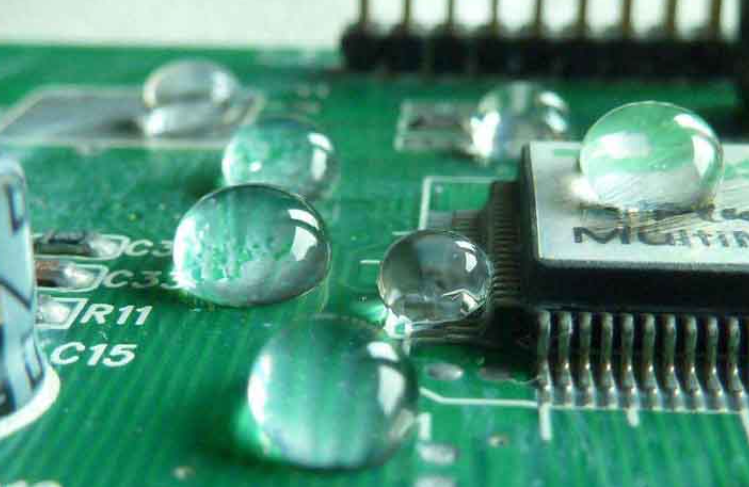
- Nanotechnology Water Repellents – Superhydrophobic coatings inspired by lotus leaves.
- Flexible & Stretchable Waterproof PCBs – For wearable and biomedical applications.
- Environmentally Friendly Coatings – Bio-based resins and low-VOC materials.
Conclusion
Waterproof PCBs are critical for electronics operating in harsh environments. Advances in conformal coatings, potting materials, and enclosure designs continue to improve their durability. As IoT and outdoor electronics expand, the demand for highly reliable waterproof PCBs will only grow.
By selecting the right materials, manufacturing processes, and testing methods, engineers can ensure long-lasting performance even in the wettest conditions.