
The Comprehensive Guide to Circuit Board Cutters: Types, Uses, and Best Practices
Introduction to Circuit Board Cutting
In the world of electronics manufacturing, prototyping, and repair, circuit board cutters have become indispensable tools. These specialized cutting instruments allow technicians, engineers, and hobbyists to precisely modify printed circuit boards (PCBs) to meet specific requirements. Whether you’re separating panels of boards, trimming excess material, or making custom modifications, having the right circuit board cutter can mean the difference between a professional-quality result and damaged components.
Circuit board cutters come in various forms, from manual hand tools to sophisticated computer-controlled machines, each designed for specific applications and production volumes. This 2000-word guide will explore the different types of circuit board cutters, their applications, selection criteria, and best practices for achieving clean, precise cuts without damaging delicate electronic components.
Types of Circuit Board Cutters
1. Manual PCB Cutters
Manual cutters are the most basic and accessible tools for cutting circuit boards, ideal for low-volume work or hobbyist projects:
a. Shear-Style PCB Cutters:
These resemble heavy-duty scissors with reinforced blades designed specifically for cutting through fiberglass and other PCB materials. They provide clean cuts for boards up to 2mm thick and are excellent for small workshops or educational environments.
b. Guillotine Cutters:
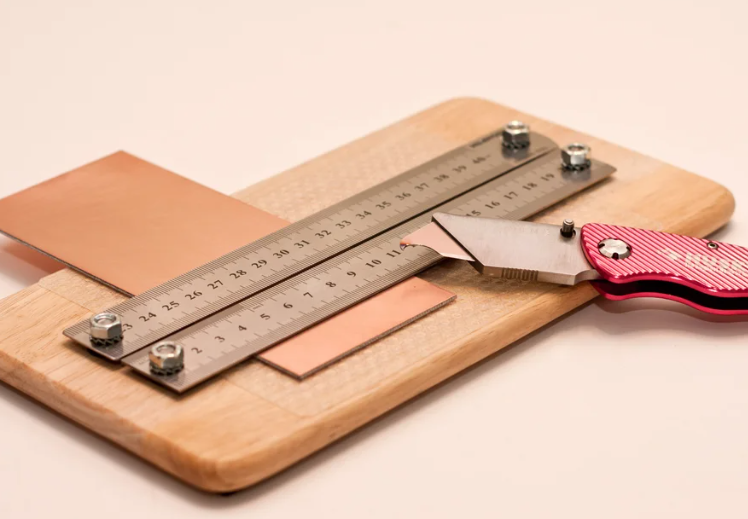
Featuring a sharp blade that comes down on the board when pressure is applied to a handle, guillotine cutters offer straight, precise cuts. Many models include measurement markings for accurate sizing.
c. Rotary Cutters:
Using a circular blade that rolls across the board’s surface, these tools are excellent for curved cuts or intricate patterns that scissors-style cutters can’t handle.
2. Powered PCB Cutters
For higher volume or industrial applications, powered cutters significantly increase efficiency:
a. Benchtop Shear Cutters:
Electric or pneumatic versions of manual shears that can handle thicker materials (up to 4mm) with less operator fatigue. These often include clamps to secure the board during cutting.
b. PCB Depaneling Routers:
Using high-speed rotary bits, these tools can cut complex shapes and are often used for removing boards from panels. They offer excellent precision but generate significant dust that requires extraction.
c. Oscillating Knife Cutters:
Employing a rapidly moving blade that vibrates up and down, these cutters combine the precision of manual tools with the power of electric operation, excellent for prototype work.
3. Advanced PCB Cutting Systems
For industrial-scale production, sophisticated cutting systems offer automation and precision:
a. Laser Cutters:
CO2 or fiber lasers can cut PCBs with extreme precision, creating smooth edges without physical contact. They’re ideal for complex shapes but require significant investment and safety measures.
b. Punch Cutters:
Using custom dies, these machines punch out boards from panels very quickly, perfect for high-volume production of standard shapes.
c. CNC Router Systems:
Computer-controlled cutting machines that can handle depaneling, routing, and precision cutting operations based on digital designs. These represent the gold standard for flexible, high-precision PCB cutting.
Key Features to Consider When Choosing a Circuit Board Cutter
Selecting the right cutter requires careful consideration of several factors:
- Material Compatibility: Ensure the cutter can handle the thickness and composition of your PCBs (FR-4, aluminum substrate, flexible circuits, etc.).
- Cutting Capacity: Consider the maximum board thickness and size the tool can accommodate.
- Precision Requirements: For high-density boards with close components, you’ll need superior accuracy to avoid damage.
- Volume of Work: Manual tools suffice for occasional use, while production environments demand powered solutions.
- Cut Type Needed: Straight cuts, curves, or complex shapes each require different cutting technologies.
- Dust Extraction: Some methods generate harmful dust requiring proper ventilation or collection systems.
- Safety Features: Look for blade guards, emergency stops, and other protective measures, especially for powered tools.
- Maintenance Requirements: Consider blade replacement frequency and overall tool durability.
Applications of Circuit Board Cutters
PCB cutters serve numerous purposes in electronics work:
- Depaneling: Separating individual boards from manufacturing panels, a critical step in PCB production.
- Prototype Modification: Adjusting board shapes or sizes during development phases.
- Repair Work: Removing damaged sections of boards for partial replacement.
- Custom Enclosure Fitting: Trimming boards to fit specific cases or housings.
- Edge Smoothing: Cleaning up rough edges after breakaway tabs are used.
- Slot and Hole Creation: Some advanced cutters can create internal openings.
- Sample Preparation: Cutting boards for cross-section analysis or testing.
Best Practices for Cutting Circuit Boards
To achieve professional results while ensuring safety:
- Measure Twice, Cut Once: Always verify dimensions before cutting to avoid costly mistakes.
- Support the Board Properly: Use a stable surface with adequate support near the cut line to prevent cracking.
- Wear Appropriate PPE: Safety glasses and dust masks are essential, especially when cutting fiberglass materials.
- Follow Manufacturer Guidelines: Adhere to recommended speeds, feed rates, and maintenance schedules.
- Secure Small Boards: Use clamps or vises when possible to prevent movement during cutting.
- Mind the Components: Be aware of nearby components that could be damaged by cutting vibrations or debris.
- Clean Afterwards: Remove all dust and debris from the board to prevent electrical issues.
- Inspect the Cut Edge: Check for delamination or fraying that could affect performance.
Maintenance and Care of PCB Cutters
Proper maintenance extends tool life and ensures consistent performance:
- Regular Cleaning: Remove resin buildup and dust after each use.
- Blade Sharpening/Replacement: Dull blades cause poor cuts and increase stress on materials.
- Lubrication: Follow manufacturer recommendations for moving parts.
- Alignment Checks: Ensure cutting blades or bits remain properly aligned.
- Storage: Keep in dry environments to prevent rust on metal components.
- Inspect for Damage: Regularly check for cracks or wear that could affect performance.
Safety Considerations
Working with PCB cutters involves several hazards:
- Sharp Edges: Always handle cutters with care, especially when changing blades.
- Fiberglass Dust: This respiratory irritant requires proper ventilation or masks rated for fine particles.
- Electrical Hazards: When working with powered tools, ensure proper grounding and circuit protection.
- Noise Protection: Some powered cutters generate significant noise requiring hearing protection.
- Eye Protection: Flying debris is common when cutting brittle board materials.
Emerging Trends in PCB Cutting Technology
The field continues to evolve with new developments:
- Automated Optical Alignment: Systems that use cameras to identify optimal cut paths automatically.
- Water Jet Cutting: Using high-pressure water for dust-free cutting of sensitive boards.
- AI-Assisted Cutting: Machine learning algorithms that optimize cut paths for speed and quality.
- Hybrid Cutting Systems: Combining multiple cutting methods (laser and mechanical) for improved results.
- Eco-Friendly Solutions: Developing methods that reduce waste and energy consumption.
Conclusion
Circuit board cutters range from simple hand tools to sophisticated automated systems, each serving important roles in electronics manufacturing and repair. Understanding the different types available, their appropriate applications, and proper usage techniques enables professionals and hobbyists alike to work more efficiently while achieving superior results. Whether you’re modifying a single prototype or depanelizing thousands of production boards, selecting the right cutting solution and employing best practices will ensure clean, precise cuts that maintain the integrity of your electronic assemblies.
As PCB technology continues to advance with finer traces, more complex layouts, and new substrate materials, cutting tools will similarly evolve to meet these challenges. Staying informed about the latest developments in circuit board cutting technology will help maintain a competitive edge in electronics manufacturing and repair services.