
Etched Flexible Printed Circuits (FPCs): Technology, Applications, and Future Trends
Introduction
Flexible Printed Circuits (FPCs) have revolutionized modern electronics by enabling lightweight, compact, and highly adaptable interconnections in various devices. Among the different manufacturing techniques for FPCs, etching is one of the most widely used processes due to its precision and scalability. Etched FPCs are essential in applications ranging from consumer electronics to aerospace, where flexibility, durability, and high-performance signal transmission are critical.
1. Understanding Etched FPCs
1.1 What is an Etched FPC?
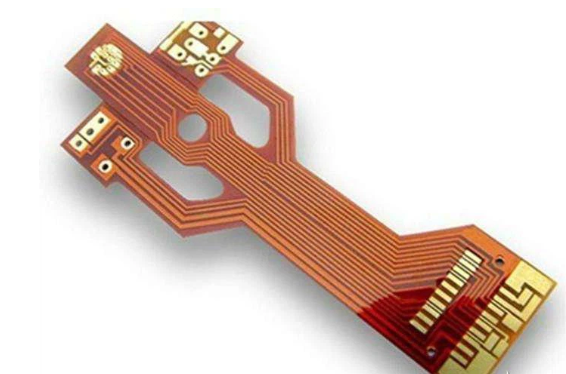
An etched Flexible Printed Circuit (FPC) is produced by selectively removing copper from a flexible substrate (typically polyimide or polyester) using chemical etching. This creates precise conductive pathways (traces) that connect electronic components while maintaining flexibility.
1.2 The Etching Process
The manufacturing of etched FPCs involves several critical steps:
- Material Selection:
- Substrate: Polyimide (PI) is the most common due to its thermal stability and flexibility.
- Conductor: Copper (electrodeposited or rolled annealed) is the primary choice for conductivity and flexibility.
- Adhesive: Acrylic or epoxy-based adhesives bond the copper to the substrate.
- Photolithography & Patterning:
- A photoresist layer is applied to the copper-clad laminate.
- The circuit pattern is transferred using UV exposure through a photomask.
- The unexposed photoresist is developed, leaving the desired circuit pattern.
- Chemical Etching:
- The exposed copper is etched away using ferric chloride or ammonium persulfate.
- The remaining photoresist is stripped, revealing the fine copper traces.
- Surface Finishing:
- To prevent oxidation, finishes such as ENIG (Electroless Nickel Immersion Gold), OSP (Organic Solderability Preservative), or immersion silver are applied.
- Coverlay Application:
- A protective polyimide coverlay is laminated over the traces for insulation and mechanical protection.
- Cutting & Testing:
- The FPCs are laser-cut or die-cut into the final shape.
- Electrical testing ensures functionality.
2. Advantages of Etched FPCs
Compared to traditional rigid PCBs or alternative FPC manufacturing methods (e.g., screen printing), etched FPCs offer several benefits:
2.1 High Precision & Fine Features
- Etching allows for trace widths as small as 25µm, enabling high-density interconnects (HDI).
- Suitable for miniaturized electronics like wearables and medical implants.
2.2 Flexibility & Durability
- Can withstand bending, folding, and dynamic flexing without breaking.
- Ideal for foldable smartphones, flexible displays, and robotic joints.
2.3 Lightweight & Space-Saving
- Thinner than rigid PCBs, reducing device weight.
- Enables 3D stacking in compact devices like drones and IoT sensors.
2.4 High-Speed Signal Integrity
- Low impedance and crosstalk due to precise etching.
- Used in 5G antennas, high-frequency RF circuits, and automotive radars.
2.5 Cost-Effective for Mass Production
- Chemical etching is scalable for high-volume manufacturing.
- Lower material waste compared to mechanical milling.
3. Applications of Etched FPCs
Etched FPCs are used across multiple industries due to their versatility:
3.1 Consumer Electronics
- Smartphones & Tablets: Flexible connectors for displays and touchscreens.
- Wearables: Smartwatches, fitness bands, and AR/VR headsets.
- Foldable Devices: Samsung Galaxy Fold, Huawei Mate X.
3.2 Automotive Industry
- Flexible LED Lighting: Adaptive headlights and interior lighting.
- Sensors & Control Systems: Airbag sensors, battery management in EVs.
- Infotainment Systems: Curved display connections.
3.3 Medical Devices
- Wearable Health Monitors: ECG patches, glucose sensors.
- Implantable Devices: Pacemakers, neurostimulators.
- Endoscopic & Surgical Tools: Flexible circuits for minimally invasive procedures.
3.4 Aerospace & Defense
- Satellite & UAV Wiring: Lightweight and vibration-resistant.
- Avionics Systems: Flexible circuits in cockpit displays.
3.5 Industrial & IoT
- Robotics: Flexible joints and sensor connections.
- Smart Sensors: Industrial IoT (IIoT) monitoring systems.
4. Future Trends in Etched FPC Technology
The demand for thinner, lighter, and more durable FPCs is driving innovation:
4.1 Advanced Materials
- Liquid Crystal Polymer (LCP): Better high-frequency performance for 6G and mmWave.
- Graphene & Nanomaterials: Enhanced conductivity and flexibility.
4.2 Additive Manufacturing (Semi-Additive Process, SAP)
- Reduces copper waste compared to traditional etching.
- Enables ultra-fine traces (<10µm) for next-gen wearables.
4.3 Stretchable & Biodegradable FPCs
- Stretchable circuits for soft robotics and e-textiles.
- Eco-friendly substrates for sustainable electronics.
4.4 Integration with Printed Electronics
- Combining etched FPCs with printed sensors and antennas.
- Enables smart packaging and disposable medical devices.
4.5 AI & Automation in Manufacturing
- AI-driven defect detection improves yield.
- Laser direct imaging (LDI) enhances precision.
5. Conclusion
Etched FPCs are a cornerstone of modern electronics, enabling innovations in flexibility, miniaturization, and high-speed performance. As industries demand thinner, lighter, and more robust interconnects, advancements in materials, additive processes, and AI-driven manufacturing will shape the future of etched FPCs.
From foldable smartphones to implantable medical devices, etched FPCs will continue to push the boundaries of what’s possible in electronics design