
End-to-End PCB Solutions: One-Stop Design to Production

Key Takeaways
Understanding core aspects of PCB manufacturing helps you optimize projects from design to delivery. When evaluating PCB manufacturing companies, prioritize those offering integrated services—design, fabrication, and assembly—to minimize coordination gaps. Cost efficiency often hinges on balancing PCB manufacturing cost drivers like material selection, layer complexity, and order volume. For instance, opting for standardized substrates in prototyping can reduce expenses by up to 30% without compromising quality.
| Factor | In-House Advantage | Outsourced Risk |
|---|---|---|
| Turnaround Time | 5-7 days | 10-15 days |
| Quality Control | Direct oversight | Third-party reliance |
| Scalability | Flexible adjustments | Contract limitations |
For PCB manufacturing business strategies, consider hybrid models: handle core processes internally while outsourcing niche tasks like high-frequency testing. This approach maintains control over timelines while leveraging specialized expertise. Finally, always verify certifications (https://www.andwinpcba.com) while keeping PCB manufacturing cost predictable.
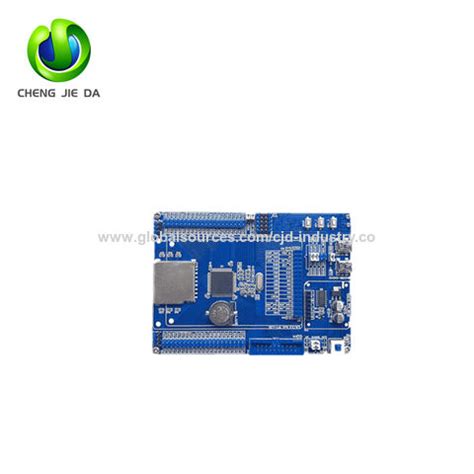
One-Stop PCB Solutions Guide
When navigating PCB manufacturing, partnering with PCB manufacturing companies that offer end-to-end services eliminates the friction of coordinating multiple vendors. A unified workflow integrates design validation, PCB fabrication, and assembly under one roof, ensuring technical specifications remain consistent across stages. This approach directly addresses common pain points like miscommunication between teams or mismatched tolerances—issues that often inflate PCB manufacturing cost and delay timelines.
By consolidating expertise, you gain access to engineers who understand how design choices impact production feasibility. For instance, selecting materials with shorter lead times or optimizing panel layouts can reduce waste, lowering expenses without compromising quality—a critical advantage whether you’re managing a PCB manufacturing business or developing prototypes. Real-time collaboration between design and production teams further minimizes errors, accelerating iterations.
Transitioning from prototyping to mass production becomes smoother when using a single provider, as scalability is baked into the process. Inventory management, quality testing, and logistics are handled internally, reducing dependencies on external partners. This holistic model not only streamlines operations but also provides cost predictability, making it easier to budget for both small-batch runs and high-volume orders.
PCB Design-to-Production Workflow
When navigating the PCB manufacturing process, understanding the integrated workflow from design to final product is critical. It begins with conceptualizing your circuit layout, where precision in schematic capture and component placement directly impacts PCB manufacturing cost and functionality. Modern PCB manufacturing companies leverage advanced software tools to simulate designs, identifying potential issues like signal interference or thermal hotspots before physical production begins.
Once the design is validated, fabrication starts with substrate selection and layer stacking—key factors influencing durability and performance. Partnering with a PCB manufacturing business that handles both prototyping and mass production ensures consistency across batches. During assembly, surface-mount technology (SMT) and through-hole components are placed using automated systems, minimizing human error. Notably, in-house fabrication capabilities reduce lead times by eliminating third-party dependencies, a common bottleneck in traditional workflows.
Transitioning to testing, automated optical inspection (AOI) and functional checks verify board integrity. This phase is especially crucial for complex designs, where even minor flaws can escalate PCB manufacturing cost through rework or recalls. By maintaining control over each stage, you gain flexibility to adjust timelines or specifications without disrupting the entire chain—a strategic advantage in fast-paced industries.
In-House PCB Fabrication Benefits
When managing PCB manufacturing internally, you gain direct oversight of production timelines and quality standards. Unlike outsourcing to third-party PCB manufacturing companies, in-house capabilities eliminate communication gaps, allowing rapid design adjustments and real-time issue resolution. This control reduces PCB manufacturing cost by minimizing material waste and avoiding markups from external vendors.
Tip: For startups, initial investments in equipment might seem high, but long-term savings from streamlined workflows often offset these costs—especially when scaling your PCB manufacturing business.
By integrating fabrication with design teams, you ensure tighter alignment between schematics and final products. This synergy accelerates prototyping cycles and avoids delays caused by shipping or supplier bottlenecks. Additionally, in-house production lets you enforce strict quality checks at every stage, reducing defects that could derail mass production later. For time-sensitive projects, this approach ensures you meet deadlines without compromising on reliability—a critical advantage in industries like aerospace or medical devices.
Transitioning to internal fabrication also strengthens intellectual property security. Sensitive designs remain within your facility, reducing risks associated with sharing files across multiple PCB manufacturing companies. Whether optimizing PCB manufacturing cost or scaling production, keeping fabrication in-house creates a competitive edge through agility and consistency.
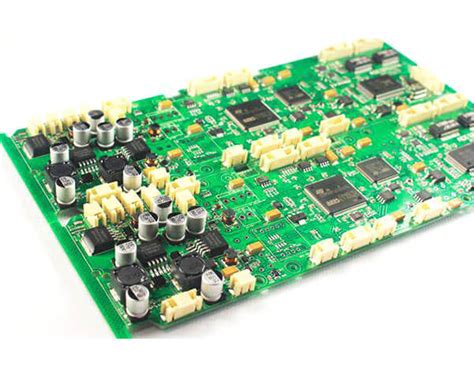
Streamline PCB Assembly Timelines
When working with PCB manufacturing companies, you gain access to synchronized workflows that eliminate bottlenecks between design validation and final production. By integrating automated optical inspection (AOI) and surface-mount technology (SMT) systems, these providers compress assembly phases while maintaining precision. For instance, in-house PCB manufacturing teams often use real-time data tracking to identify delays before they escalate, ensuring your project stays on schedule.
A critical factor in controlling PCB manufacturing cost lies in minimizing material waste during assembly. Advanced providers deploy intelligent inventory management systems to optimize component usage, reducing surplus and avoiding last-minute sourcing fees. This approach not only accelerates timelines but also creates cost predictability—a key advantage for scaling your PCB manufacturing business.
To further streamline processes, look for partners offering just-in-time (JIT) material replenishment and consolidated vendor networks. These strategies prevent downtime caused by supply chain gaps, particularly during high-volume orders. Leading PCB manufacturing companies also standardize testing protocols, cutting validation cycles by up to 40% compared to fragmented service models. By aligning fabrication and assembly under one roof, you bypass the logistical friction that inflates lead times in traditional multi-vendor setups.
Cost-Efficient PCB Prototyping Tips
When optimizing PCB manufacturing expenses, start by refining your design files. Using design-for-manufacturability (DFM) checks eliminates errors that could escalate PCB manufacturing cost during revisions. Partnering with experienced PCB manufacturing companies early in the process helps identify material alternatives or panelization strategies that reduce waste.
Prioritize standardized substrate materials unless your design demands high-frequency or specialized substrates. For instance, FR-4 is often sufficient for most prototypes and costs 30-50% less than exotic laminates. Additionally, batch-ordering multiple prototypes in a single panel can lower per-unit expenses—a tactic many PCB manufacturing business providers recommend for iterative testing phases.
Leverage modular designs to reuse validated circuit blocks across projects, minimizing redesign efforts. If timelines allow, opt for slower fabrication turnarounds, as expedited services typically add 15-25% to baseline costs. Finally, request detailed quotes that break down tooling, material, and labor fees. This transparency helps you compare PCB manufacturing partners effectively while aligning with budget constraints.
Mass Production PCB Strategies
When scaling up from prototyping to high-volume runs, your approach to PCB manufacturing must balance efficiency with precision. Leading PCB manufacturing companies recommend implementing design-for-manufacturability (DFM) checks early to identify potential bottlenecks, such as complex trace layouts or undersized vias, which could inflate PCB manufacturing cost during mass production. By standardizing component footprints across designs, you reduce setup times and minimize errors in automated assembly lines—a critical factor when managing 10,000+ unit orders.
To optimize PCB manufacturing business workflows, consider panelization strategies that maximize material usage. For example, arranging multiple boards on a single panel can lower per-unit expenses by 15–20%, while automated optical inspection (AOI) systems ensure consistent quality across batches. Partnering with suppliers offering volume-tier pricing for raw materials like FR-4 substrates or high-frequency laminates further tightens cost controls.
Transitioning smoothly into mass production also hinges on supply chain agility. Establish dual-source agreements for critical components to mitigate shortages, and leverage real-time production tracking tools offered by advanced PCB manufacturing partners. This approach not only accelerates lead times but also aligns with just-in-time inventory models, reducing warehousing overhead. Remember: a well-executed scale-up strategy transforms upfront PCB manufacturing cost investments into long-term competitive advantages.
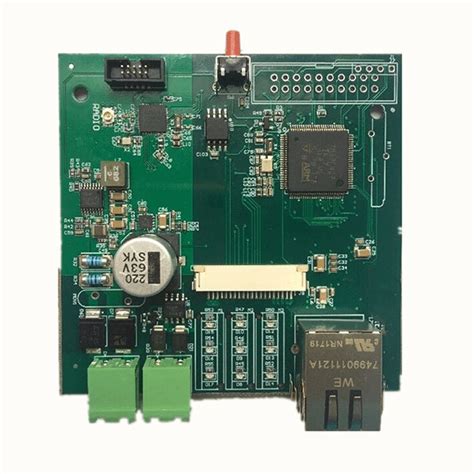
Trusted PCB Services Since 2003
When choosing partners for PCB manufacturing, experience directly impacts reliability. Companies that have operated since 2003 refine their processes over decades, offering institutional knowledge newer PCB manufacturing companies may lack. This longevity translates to fewer errors, faster issue resolution, and optimized PCB manufacturing cost structures—critical for balancing quality and budget.
Established PCB manufacturing business models prioritize seamless coordination across design, fabrication, and assembly. Over 20 years, workflows evolve to eliminate bottlenecks, whether you’re ordering prototypes or scaling to mass production. For example, automated quoting systems reduce lead times, while vendor-managed inventory ensures material availability. Such efficiencies minimize delays that often plague less mature suppliers.
Trust isn’t built overnight. Providers with decades in the industry understand how to align technical expertise with your project’s unique demands—from high-frequency designs to rigid-flex configurations. Their stability also means consistent quality control protocols, reducing the risk of costly rework. When timelines and budgets matter, partnering with proven experts ensures your boards meet specifications without surprises.
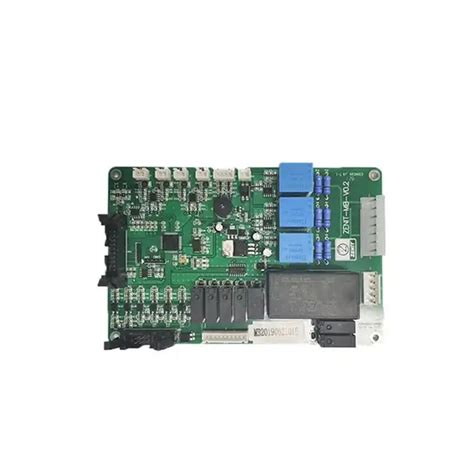
Reducing PCB Manufacturing Delays
When working with PCB manufacturing companies, delays often stem from fragmented workflows, supply chain bottlenecks, or misaligned quality standards. By consolidating design, fabrication, and assembly under a single supplier, you eliminate handoff gaps that typically add days—or even weeks—to production timelines. Leading providers optimize PCB manufacturing processes through in-house capabilities, such as automated testing and real-time progress tracking, which reduce rework risks and ensure faster iteration cycles.
To minimize PCB manufacturing cost overruns linked to delays, prioritize partners with vertically integrated facilities. This reduces dependency on third-party vendors, a common pain point in the PCB manufacturing business. For example, streamlined material procurement and standardized quality checks prevent unexpected halts. Additionally, demand forecasting tools help align production schedules with your project milestones, ensuring components arrive precisely when needed.
Proactive communication is equally critical. Regular updates from your manufacturer allow you to address design revisions or material shortages early, preventing cascading delays. By choosing a partner that balances speed with precision, you safeguard both timelines and budgets—key factors in maintaining competitiveness in electronics development.
Conclusion
When evaluating PCB manufacturing partners, prioritizing providers offering end-to-end capabilities ensures you avoid fragmented workflows that inflate PCB manufacturing costs and delay time-to-market. Leading PCB manufacturing companies differentiate themselves by maintaining in-house control over design validation, material sourcing, and quality assurance—critical factors for scaling from prototypes to high-volume production. By consolidating these stages under one roof, you eliminate vendor miscommunication risks while gaining transparency into timelines and expenditures.
For PCB manufacturing business stakeholders, this integrated approach directly addresses two persistent challenges: minimizing production bottlenecks and optimizing cost structures. Advanced firms leverage economies of scale and automated processes to reduce per-unit expenses without compromising reliability—a balance smaller, specialized vendors often struggle to achieve. Whether you’re iterating prototypes or transitioning to mass production, selecting a partner with vertically aligned expertise ensures your projects progress seamlessly from concept to functional boards. Ultimately, the right collaboration transforms PCB manufacturing from a logistical hurdle into a strategic advantage, empowering faster innovation cycles and more predictable outcomes.
Frequently Asked Questions
How do PCB manufacturing companies maintain quality across design and production?
Reputable PCB manufacturing partners implement automated inspection systems and certified testing protocols, ensuring design specifications are precisely translated into finished boards. In-house capabilities eliminate third-party errors, directly addressing your timeline concerns.
What drives PCB manufacturing cost variations between projects?
PCB manufacturing cost fluctuates based on board complexity, material grades, and order volumes. Prototyping often incurs higher per-unit expenses, while bulk orders leverage economies of scale—a strategy cost-conscious teams prioritize.
Why opt for a full-service PCB manufacturing business instead of multiple vendors?
Consolidating design, fabrication, and assembly under one PCB manufacturing business minimizes coordination overhead and supply chain risks. You gain unified accountability, faster issue resolution, and traceability from concept to shipment.
Can I request both low-volume prototypes and high-volume production runs?
Leading PCB manufacturing companies offer scalable workflows, allowing seamless transitions from 10-unit prototypes to 10,000-unit batches. This flexibility ensures consistent quality while adapting to your production timeline needs.
Ready to Simplify Your PCB Workflow?
Explore tailored PCB manufacturing strategies that align with your project’s scope and budget. Click here to consult our experts for a cost-benefit analysis or timeline estimate.