
PCBA Contract Manufacturing: Streamlined Processes for Scalable Production
Key Takeaways
Effective PCBA contract manufacturing relies on harmonizing scalability, cost efficiency, and quality assurance to meet dynamic production demands. By leveraging advanced PCB assembly workflows, manufacturers minimize bottlenecks while maintaining precision across high-volume orders.
"Partnering with a certified PCBA provider ensures adherence to industry standards like IPC-A-610, reducing defect rates by up to 30% compared to in-house operations."
Critical considerations include:
| Factor | In-House | Contract Manufacturing |
|---|---|---|
| Lead Time | 8-12 weeks | 4-6 weeks |
| Unit Cost | Higher (low-volume) | Optimized (economies of scale) |
| Quality Consistency | Variable | Standardized protocols |
For scalable output, automated optical inspection (AOI) and surface-mount technology (SMT) streamline PCB assembly, enabling rapid prototyping and mass production. Third-party integrations further enhance flexibility, allowing clients to adapt to market shifts without capital-intensive infrastructure upgrades.
Pro Tip: Prioritize vendors offering end-to-end PCBA solutions—from design validation to final testing—to eliminate logistical fragmentation and accelerate time-to-market.
Scalable PCBA Manufacturing Best Practices
Achieving scalability in PCBA production demands a strategic alignment of process optimization, technology integration, and supply chain coordination. Central to this is the adoption of modular design principles in PCB assembly, which enables manufacturers to standardize workflows while retaining flexibility for product variations. By implementing automated pick-and-place systems and inline optical inspection (AOI), PCBA providers can maintain consistent throughput even during demand spikes, reducing bottlenecks that compromise delivery timelines.
A critical factor lies in dynamic material management, where real-time inventory tracking and supplier partnerships ensure uninterrupted access to components. This approach minimizes delays caused by shortages, particularly for complex boards requiring specialized parts. Additionally, leveraging Design for Manufacturability (DFM) guidelines early in the development phase streamlines transitions from prototyping to mass production, as potential assembly challenges are preemptively resolved.
For true scalability, manufacturers must balance speed with precision. Advanced soldering techniques, such as reflow profiling tailored to specific board geometries, enhance yield rates while accommodating high-mix, low-volume (HMLV) orders. Pairing this with statistical process control (SPC) tools allows continuous monitoring of PCB assembly parameters, ensuring deviations are flagged before they escalate into costly rework. These practices collectively create a framework where PCBA operations can scale efficiently without sacrificing reliability or inflating per-unit costs.
Cost-Effective Electronics Production Solutions
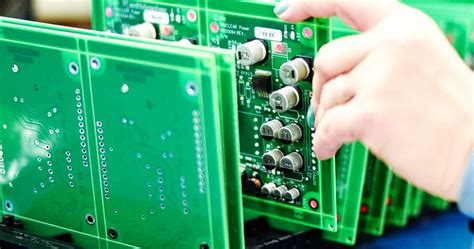
By leveraging PCBA contract manufacturing, businesses achieve significant cost efficiencies without compromising quality. The integration of pcb assembly expertise with economies of scale allows manufacturers to procure materials in bulk, negotiate favorable supplier terms, and optimize production workflows. Automated assembly lines further reduce labor costs while maintaining precision in high-volume pcba production. Advanced design-for-manufacturability (DFM) analysis identifies potential inefficiencies early, minimizing rework and material waste.
This approach also enables flexible pricing models, such as volume-based discounts or tailored payment terms, which align with project budgets. Contract manufacturers often employ value engineering to refine component selection, balancing performance and affordability—critical for applications like consumer electronics or IoT devices. Additionally, centralized logistics networks reduce shipping expenses and lead times, particularly for global supply chains.
These cost-saving measures are amplified by predictive maintenance systems that prevent costly equipment downtime and ensure consistent pcb assembly output. By outsourcing to pcba specialists, companies avoid upfront capital investments in machinery, training, and facility upgrades, redirecting resources toward R&D or market expansion. Such financial flexibility is vital for startups and enterprises alike, enabling scalable growth in competitive electronics markets.
Quality Control in PCBA Contract Manufacturing
Effective quality control forms the backbone of reliable PCBA contract manufacturing, ensuring that every printed circuit board assembly meets stringent performance and durability standards. From the initial inspection of PCB assembly materials to final product validation, manufacturers deploy multi-stage testing protocols. Automated optical inspection (AOI) systems scan for soldering defects, component misalignment, or microscopic flaws, while X-ray imaging verifies hidden connections in complex PCBA designs.
Advanced statistical process control (SPC) tools monitor production consistency, identifying deviations in real time to prevent batch failures. Compliance with IPC-A-610 standards ensures solder joint integrity and component placement accuracy, critical for high-volume scalability. Additionally, environmental stress testing—including thermal cycling and vibration simulations—validates product resilience under operational extremes.
By integrating traceability systems, manufacturers track each PCB assembly from raw materials to finished units, enabling rapid root-cause analysis for quality incidents. This systematic approach not only minimizes rework costs but also aligns with accelerated timelines, ensuring that PCBA contract manufacturing delivers cost-effective solutions without compromising reliability. Rigorous quality frameworks ultimately empower OEMs to scale production confidently, knowing every unit meets exacting technical specifications.
Accelerated PCBA Production Solutions
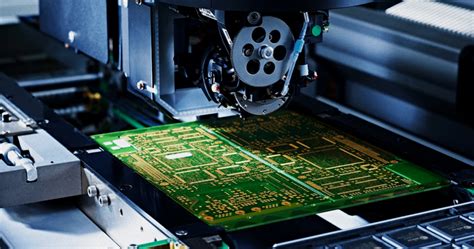
Modern PCBA contract manufacturing leverages advanced methodologies to slash production timelines without compromising quality. By implementing automated assembly lines and high-speed pick-and-place systems, manufacturers achieve PCB assembly cycles that are 30-50% faster than traditional methods. These systems integrate precision PCBA workflows, combining surface-mount technology (SMT) with AI-driven component verification to minimize human error and rework.
Critical to acceleration is the adoption of design for manufacturability (DFM) principles early in product development. Collaborative engineering teams optimize board layouts for rapid PCB assembly, reducing complex routing and standardizing component footprints. Parallel processing of multilayer boards and concurrent testing protocols further compress timelines, enabling large-scale PCBA batches to move from prototyping to mass production in weeks.
Real-time monitoring systems add another layer of efficiency, tracking metrics like solder paste deposition accuracy and thermal profiling during reflow. This data-driven approach identifies bottlenecks preemptively, ensuring continuous throughput even for high-mix orders. Additionally, strategic partnerships with certified material suppliers guarantee just-in-time inventory, eliminating delays caused by component shortages.
For industries requiring urgent deployment—such as IoT devices or medical equipment—these accelerated PCBA production solutions provide a competitive edge. Rigorous in-circuit testing (ICT) and automated optical inspection (AOI) are embedded within the streamlined workflow, maintaining defect rates below 0.1% while meeting tight deadlines. Such integration of speed and precision positions PCBA contract manufacturing as the backbone of scalable electronics innovation.
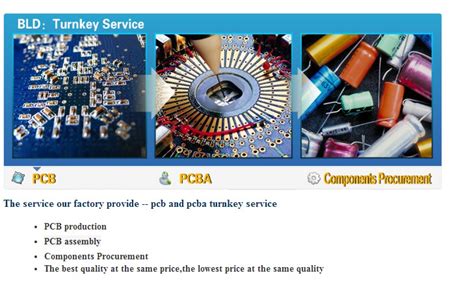
Streamlined Electronics Manufacturing Processes
Modern PCBA contract manufacturing relies on streamlined workflows to eliminate bottlenecks and maximize production scalability. By integrating PCB assembly stages—from component procurement to final testing—into a unified digital framework, manufacturers achieve faster turnaround times while maintaining precision. Advanced surface-mount technology (SMT) lines, combined with automated pick-and-place systems, ensure rapid population of circuit boards, reducing human error and accelerating throughput.
Key to this efficiency is the synchronization of design-for-manufacturability (DFM) feedback loops, where engineers refine layouts to optimize PCBA compatibility with automated equipment. This minimizes rework and ensures consistent quality across high-volume batches. Additionally, lean inventory management systems, supported by real-time data analytics, enable just-in-time material sourcing, further slashing lead times.
Leading providers like Kingstec exemplify this approach, deploying modular production cells that adapt to varying product complexities. Their use of closed-loop quality assurance—embedding inline inspections and functional testing at critical stages—guarantees reliability without compromising speed. Such strategies not only support scalable output but also align with evolving market demands for faster, cost-efficient electronics production.
Optimizing Assembly for Scalable Output
Achieving scalable output in PCB assembly requires a strategic balance between precision and adaptability. By implementing Design for Manufacturability (DFM) principles, engineers can minimize component complexity while ensuring compatibility with automated PCBA workflows. Advanced surface-mount technology (SMT) lines, paired with automated pick-and-place systems, enable rapid throughput without compromising placement accuracy—a critical factor for high-volume production.
Modular process design further enhances scalability, allowing manufacturers to seamlessly integrate additional assembly lines or reconfigure existing ones to meet fluctuating demand. Real-time monitoring tools, such as automated optical inspection (AOI) and in-circuit testing (ICT), ensure consistent quality across batches, reducing rework and delays. For cost-sensitive projects, optimized panelization techniques maximize material utilization, lowering per-unit expenses without sacrificing reliability.
Transitioning to scalable PCBA solutions also demands collaboration between design teams and contract manufacturers. Early alignment on thermal management requirements, component sourcing strategies, and testing protocols prevents bottlenecks during scale-up phases. By prioritizing process standardization and data-driven optimization, manufacturers can maintain tight tolerances even as production volumes increase, ensuring that scalability translates directly to market agility.
End-to-End PCBA Contract Manufacturing Benefits
By consolidating all manufacturing stages under a single provider, end-to-end PCBA contract manufacturing eliminates fragmented workflows, reducing supply chain risks and accelerating time-to-market. This approach integrates PCB assembly design validation, component procurement, PCBA production, and post-assembly testing into a unified process, ensuring seamless coordination from prototype to mass production. Advanced manufacturers leverage automated optical inspection (AOI) and functional testing protocols to maintain consistency across batches, while economies of scale lower per-unit costs for high-volume orders.
The holistic oversight inherent in end-to-end services minimizes communication gaps between design and production teams, enabling rapid adjustments to meet evolving specifications. For instance, real-time inventory management systems prevent material shortages, and vendor-managed component sourcing reduces lead times by 30–50%. Furthermore, compliance with industry standards like ISO 9001 and IPC-A-610 is systematically enforced, mitigating quality deviations.
For businesses prioritizing scalability, this model supports flexible capacity expansion without capital investments in equipment or labor. By outsourcing PCB assembly to specialists, companies reallocate resources toward R&D and market expansion, transforming fixed costs into variable ones. The result is a resilient production framework that adapts to fluctuating demand while maintaining stringent quality benchmarks—a critical advantage in fast-paced electronics markets.
Enhancing Efficiency in Electronics Assembly
Efficiency in PCB assembly hinges on harmonizing advanced automation with precision engineering. Modern PCBA providers employ automated pick-and-place systems and inline optical inspection (AOI) to minimize human error while accelerating throughput. By integrating design for manufacturability (DFM) principles early in the process, manufacturers reduce rework cycles, ensuring seamless transitions from prototyping to mass production.
A critical factor lies in optimizing material flow. Lean methodologies, such as just-in-time component sourcing and kanban inventory systems, eliminate bottlenecks, allowing PCBA lines to adapt swiftly to fluctuating demand. Simultaneously, standardized workflows for solder paste application and reflow profiling ensure consistent quality across high-volume batches.
Advanced PCB assembly platforms also leverage real-time data analytics to monitor cycle times and equipment performance. This data-driven approach identifies inefficiencies—such as excessive solder paste usage or misaligned components—enabling rapid corrective actions. Pairing these insights with modular production layouts allows manufacturers to scale operations without compromising precision.
Ultimately, the synergy of automation, intelligent process design, and rigorous quality protocols transforms PCBA into a repeatable, high-efficiency operation. By prioritizing these strategies, contract manufacturers deliver faster turnaround times while maintaining the stringent tolerances required for complex electronics.
Conclusion
In today’s fast-paced electronics industry, partnering with a professional PCBA contract manufacturer offers a strategic advantage for businesses aiming to balance scalability with precision. By leveraging advanced PCB assembly workflows and rigorous quality assurance protocols, manufacturers ensure consistent output while adapting to fluctuating market demands. The integration of automated processes and data-driven optimization minimizes production bottlenecks, enabling enterprises to scale operations without compromising on reliability or performance.
A well-structured PCBA partnership not only accelerates time-to-market but also aligns with cost-efficiency goals through bulk material procurement and streamlined logistics. End-to-end solutions—from design validation to final testing—eliminate fragmented workflows, reducing risks associated with multi-vendor coordination. Furthermore, adherence to industry-specific compliance standards ensures products meet global regulatory requirements, reinforcing brand credibility.
As industries increasingly prioritize agility, the role of PCB assembly specialists will remain pivotal in driving innovation. By focusing on scalable manufacturing frameworks and proactive problem-solving, businesses can future-proof their production strategies, ensuring readiness for emerging technologies like IoT and smart devices.
FAQs
What distinguishes PCB assembly from PCBA in contract manufacturing?
PCB assembly refers specifically to populating a bare circuit board with components, while PCBA (Printed Circuit Board Assembly) encompasses the complete process—from sourcing materials to functional testing. Professional contract manufacturers optimize both stages to ensure scalability and cost-efficiency.
How do quality controls impact production timelines in PCBA services?
Rigorous quality control protocols, including Automated Optical Inspection (AOI) and X-ray testing, minimize defects early. This reduces rework delays, ensuring faster time-to-market without compromising reliability.
Can PCB assembly services adapt to fluctuating production volumes?
Leading providers design streamlined processes with modular workflows, enabling seamless scaling from prototyping to mass production. Flexible supply chain management further supports volume adjustments with minimal cost overhead.
What certifications should a PCBA manufacturer hold for compliance?
Prioritize partners certified in ISO 9001 (quality management) and IPC-A-610 (assembly standards). These ensure adherence to industry benchmarks, particularly for high-reliability applications like medical or automotive electronics.
How does design-for-manufacturability (DFM) affect PCBA outcomes?
Early DFM analysis identifies potential production challenges, such as component placement issues or thermal constraints. Addressing these during design prevents costly revisions and accelerates assembly cycles.
Ready to Optimize Your Electronics Production?
For tailored PCBA contract manufacturing solutions that balance speed, quality, and scalability, please click here to explore how our expertise aligns with your project requirements.