
ERP for PCB Manufacturing: Streamlining Operations and Enhancing Efficiency
Introduction
The Printed Circuit Board (PCB) manufacturing industry is a complex and highly competitive sector that demands precision, efficiency, and seamless coordination across multiple stages of production. To meet these challenges, manufacturers are increasingly turning to Enterprise Resource Planning (ERP) systems tailored specifically for PCB manufacturing.
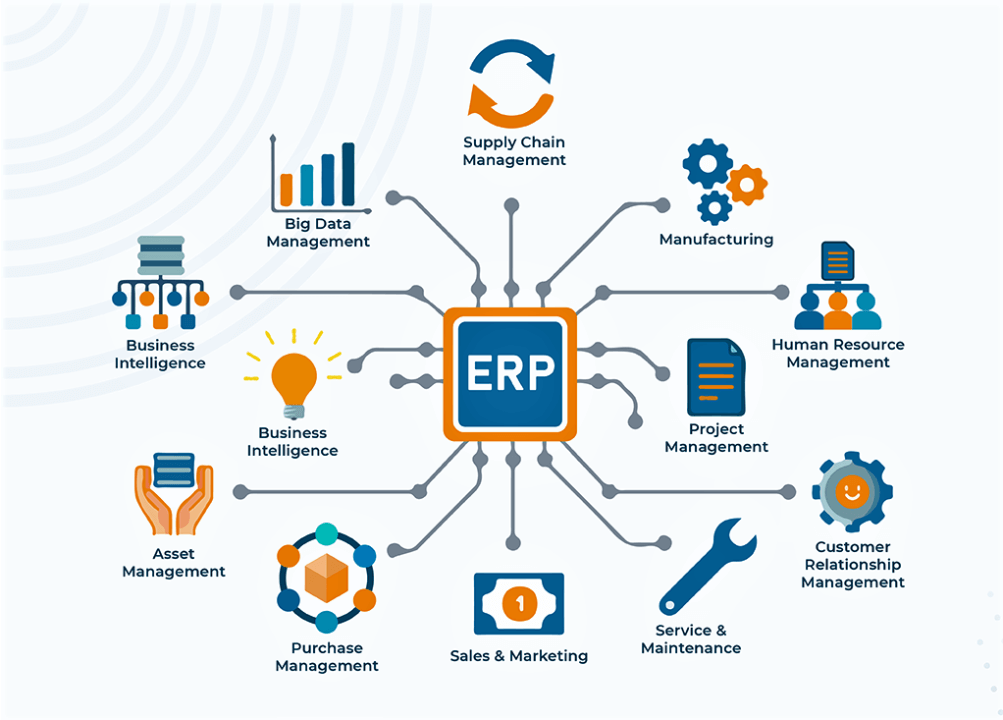
An ERP system integrates various business processes—such as inventory management, production planning, procurement, quality control, and customer relationship management—into a unified platform. For PCB manufacturers, implementing an ERP solution can lead to significant improvements in operational efficiency, cost reduction, and compliance with industry standards.
This article explores the role of ERP in PCB manufacturing, its key benefits, essential features, and best practices for successful implementation.
Challenges in PCB Manufacturing Without ERP
Before delving into ERP solutions, it is crucial to understand the challenges that PCB manufacturers face when operating without an integrated system:
- Complex Production Processes
PCB manufacturing involves multiple stages, including design, prototyping, fabrication, assembly, and testing. Managing these processes manually or with disconnected software leads to inefficiencies and errors. - Inventory Management Issues
Raw materials such as copper laminates, solder masks, and chemicals must be tracked meticulously. Poor inventory control can result in shortages, excess stock, or material wastage. - Supply Chain Disruptions
PCB manufacturers rely on a global supply chain for components. Without real-time visibility, delays in procurement can halt production. - Quality Control & Compliance
The industry is governed by strict quality standards (e.g., IPC, ISO). Manual tracking of defects and compliance documentation is error-prone and time-consuming. - Lack of Real-Time Data
Decision-making is hindered when production, sales, and financial data are siloed across different departments.
An ERP system addresses these challenges by providing a centralized, automated, and data-driven approach to managing PCB manufacturing operations.
Key Benefits of ERP for PCB Manufacturing
1. Improved Production Planning and Scheduling
ERP systems optimize production workflows by:
- Automating work order generation based on demand forecasts.
- Reducing bottlenecks by synchronizing machine scheduling.
- Providing real-time visibility into production status.
2. Enhanced Inventory and Procurement Management
- Automated Reordering: ERP systems track material usage and trigger purchase orders when stock levels fall below a threshold.
- Supplier Management: Maintain a database of suppliers, compare lead times, and negotiate better pricing.
- Reduced Waste: Just-in-time (JIT) inventory practices minimize excess stock and material obsolescence.
3. Streamlined Quality Control
- Defect Tracking: Identify recurring defects and implement corrective actions.
- Compliance Automation: Generate audit trails for industry standards (IPC-A-600, ISO 9001).
- Traceability: Track materials and components through the entire production lifecycle.
4. Better Cost Control and Financial Management
- Real-Time Costing: Monitor production costs, labor expenses, and overheads.
- Profitability Analysis: Evaluate the profitability of different PCB product lines.
- Automated Invoicing: Reduce billing errors and improve cash flow.
5. Improved Customer Relationship Management (CRM)
- Order Tracking: Provide customers with real-time updates on their orders.
- Quotation Management: Quickly generate accurate quotes based on material costs and labor.
- After-Sales Support: Track warranty claims and service requests.
6. Data-Driven Decision Making
- Dashboards & Analytics: Visualize key performance indicators (KPIs) such as on-time delivery, defect rates, and machine utilization.
- Predictive Maintenance: Use IoT and AI to predict equipment failures before they occur.
Essential Features of an ERP System for PCB Manufacturing
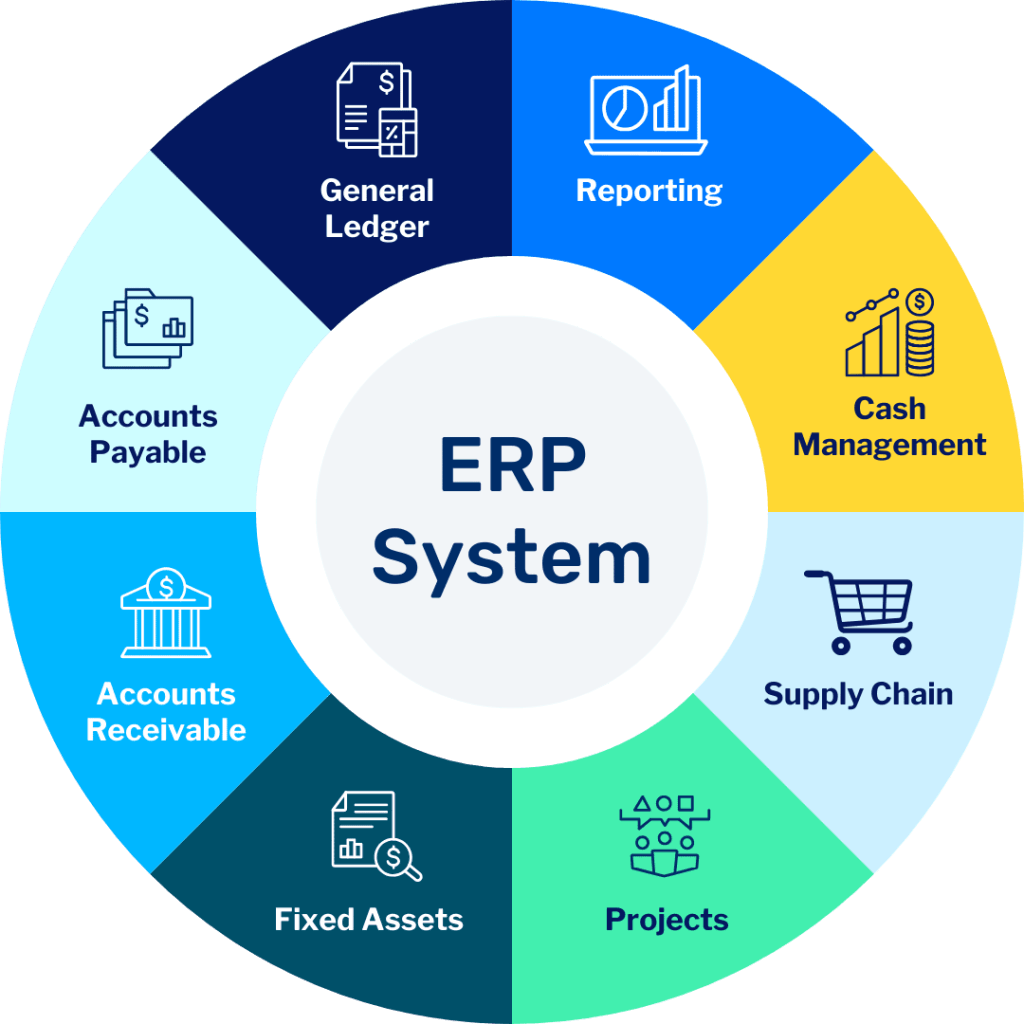
Not all ERP systems are created equal. PCB manufacturers should look for the following features:
1. Product Lifecycle Management (PLM) Integration
- Manage PCB designs, revisions, and Bill of Materials (BOM) efficiently.
2. Shop Floor Control
- Monitor machine performance, operator efficiency, and work-in-progress (WIP) tracking.
3. Advanced Material Requirements Planning (MRP)
- Calculate precise material needs based on production schedules.
4. Compliance and Documentation Management
- Automate compliance reporting for IPC, RoHS, and REACH standards.
5. Multi-Plant and Multi-Location Support
- Coordinate operations across different manufacturing facilities.
6. Mobile and Cloud Accessibility
- Enable remote monitoring and approvals via mobile devices.
7. Integration with CAD/CAM Software
- Seamlessly transfer design files to production systems.
Best Practices for Implementing ERP in PCB Manufacturing
- Define Clear Objectives
Identify pain points (e.g., inventory shortages, production delays) and set measurable goals for ERP implementation. - Choose an Industry-Specific ERP
Generic ERP systems may lack PCB-specific functionalities. Opt for solutions designed for electronics manufacturing. - Ensure Data Accuracy Before Migration
Cleanse existing data to avoid errors in the new system. - Train Employees Thoroughly
Conduct hands-on training to ensure smooth adoption across departments. - Start with a Pilot Phase
Test the ERP in a controlled environment before full-scale deployment. - Leverage Vendor Support
Work closely with the ERP provider for customization and troubleshooting. - Monitor Performance Post-Implementation
Continuously track KPIs and optimize workflows based on ERP insights.
Conclusion
ERP systems are transforming PCB manufacturing by automating workflows, improving efficiency, and enhancing decision-making. By integrating production, inventory, quality control, and financial management into a single platform, manufacturers can reduce costs, improve compliance, and deliver higher-quality PCBs faster.
As the industry evolves with Industry 4.0 technologies like IoT and AI, ERP systems will become even more critical in maintaining a competitive edge. PCB manufacturers that invest in the right ERP solution today will be better positioned to meet future challenges and capitalize on emerging opportunities.
By following best practices in ERP selection and implementation, companies can unlock the full potential of digital transformation in PCB manufacturing.