
Flexible PCB Heaters: Design, Applications, and Future Trends
Introduction to Flexible PCB Heaters
Flexible printed circuit board (PCB) heaters represent a significant advancement in thermal management technology, combining the precision of printed electronics with the adaptability of flexible materials. These innovative heating solutions are revolutionizing industries ranging from medical devices to aerospace by providing lightweight, efficient, and customizable heating in compact form factors.
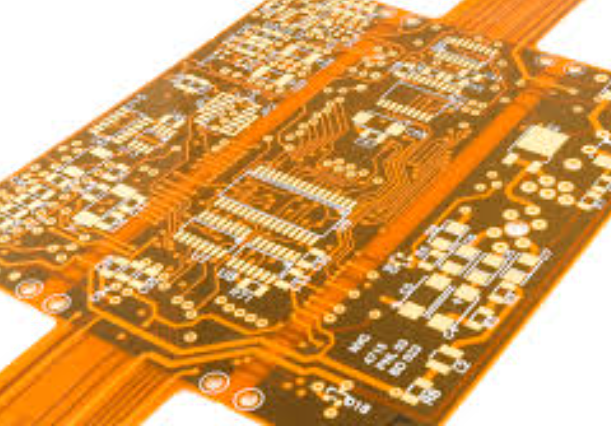
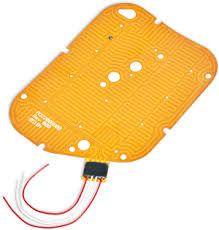
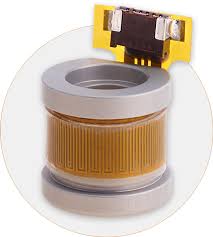
A flexible PCB heater consists of conductive traces printed or etched onto a flexible substrate, typically polyimide or other high-temperature polymers, which generate heat when electric current passes through them. Unlike traditional heating elements, these devices can conform to complex shapes, withstand repeated flexing, and provide precise temperature control across their surface area.
The market for flexible PCB heaters has grown substantially in recent years, driven by increasing demand from electric vehicles, wearable technologies, and smart industrial equipment. According to industry analysts, the global flexible electronics market is projected to reach $87 billion by 2027, with heating applications representing a significant and growing segment.
Design and Construction of Flexible PCB Heaters
Material Selection
The performance characteristics of a flexible PCB heater are largely determined by its material composition:
Substrate Materials:
- Polyimide (Kapton): The most common choice, offering excellent thermal stability (up to 400°C continuous use), chemical resistance, and mechanical durability
- Polyester (PET): More economical but with lower temperature tolerance (typically up to 150°C)
- Silicone rubber: Used when extreme flexibility and environmental sealing are required
- Ceramic-filled polymers: For applications requiring very high temperature operation
Conductive Elements:
- Copper: The most widely used conductor due to its excellent conductivity and relatively low cost
- Nickel-chromium alloys: For more consistent resistivity over temperature ranges
- Silver ink: Used in printed flexible heaters, offering design flexibility
- Carbon-based materials: Providing positive temperature coefficient (PTC) effects
Circuit Design Considerations
The thermal performance of a flexible PCB heater depends on several design factors:
- Trace Geometry: The width, thickness, and pattern of conductive traces determine current density and heat distribution
- Resistance Calculation: Precise control of resistance per unit area ensures even heating
- Thermal Uniformity: Strategic trace patterning prevents hot spots
- Current Capacity: Adequate trace cross-sections prevent overheating of the heater itself
Advanced designs often incorporate multiple heating zones with independent control, allowing for differential heating across a single flexible surface. Some implementations integrate temperature sensors directly into the PCB for closed-loop control systems.
Manufacturing Processes
Flexible PCB heaters are produced using several techniques:
- Subtractive Etching: Similar to traditional PCB manufacturing, starting with copper-clad flexible substrates
- Additive Printing: Conductive inks are deposited directly onto the substrate through screen printing or inkjet processes
- Photolithography: For extremely precise trace geometries in high-density applications
- Laser Ablation: Removing conductive material to create precise resistance patterns
Each method offers distinct advantages in terms of resolution, production scalability, and cost-effectiveness for different application requirements.
Performance Characteristics
Thermal Properties
Flexible PCB heaters exhibit several advantageous thermal properties:
- Rapid Response Times: Thin construction allows for quick heat-up, often reaching target temperatures in seconds
- High Efficiency: Minimal thermal mass means most energy is transferred to the target rather than heating the element itself
- Uniform Heating: Careful trace design enables temperature variations of less than ±5°C across the heating surface
- Wide Temperature Range: Depending on materials, operational ranges from -200°C to over 300°C are achievable
Electrical Properties
Key electrical characteristics include:
- Low Voltage Operation: Many designs work effectively at 12-48V DC, enhancing safety
- Customizable Resistance: Typically ranging from 10Ω to 10kΩ depending on application needs
- Stable Performance: Properly designed heaters maintain consistent resistance over thousands of cycles
Mechanical Properties
The flexible nature of these heaters provides unique mechanical advantages:
- Bend Radius: As low as 1mm for some designs, allowing installation in tight spaces
- Weight: Typically 90% lighter than equivalent rigid heating solutions
- Durability: Quality flexible heaters withstand millions of flex cycles without performance degradation
- Thickness: Ranging from 0.05mm to 2mm, enabling minimally invasive integration
Applications of Flexible PCB Heaters
Medical Devices
The medical field has been an early adopter of flexible PCB heating technology:
- Patient Warming Systems: Thin, conformable heating pads for surgical tables and blankets
- Diagnostic Equipment: Precise temperature control in fluid analysis systems
- Therapeutic Devices: Wearable heat therapy products for pain management
- Lab-on-a-Chip: Microfluidic temperature control in portable diagnostic devices
Automotive Industry
Modern vehicles incorporate numerous flexible heating elements:
- Battery Thermal Management: Critical for electric vehicle battery performance and longevity
- Seat and Steering Wheel Heaters: Thin, energy-efficient comfort systems
- Sensor De-icing: Maintaining visibility and ADAS system functionality in cold climates
- Fluid Warming: Preventing fuel gelling or improving DEF system performance
Aerospace and Defense
Harsh environments demand reliable flexible heating solutions:
- Avionics Temperature Control: Preventing condensation and maintaining optimal operating temperatures
- Wing and Rotor De-icing: Lightweight alternatives to traditional bleed air systems
- Spacecraft Components: Thermal regulation in satellites and space probes
- Military Electronics: Rugged heating solutions for field equipment
Consumer Electronics
Flexible heaters enable new product capabilities:
- Wearable Devices: Smart clothing with localized heating zones
- Camera Equipment: Preventing lens fogging in humid conditions
- 3D Printer Beds: Large-area, uniform heating surfaces
- Appliance Components: Defrosting elements in smart refrigerators
Industrial Applications
Manufacturing processes benefit from precise thermal control:
- Process Equipment: Flexible heating jackets for pipes and reaction vessels
- Food Processing: Conformable heating elements for packaging equipment
- Semiconductor Manufacturing: Ultra-clean heating for wafer processing
- Mold Temperature Control: Complex surface heating for plastic injection molds
Advantages Over Traditional Heating Technologies
Flexible PCB heaters offer numerous benefits compared to conventional resistive heating elements:
- Design Flexibility: Can be tailored to fit virtually any surface geometry
- Weight Reduction: Up to 90% lighter than metal-sheathed heaters
- Space Efficiency: Thin profiles enable integration where traditional heaters cannot fit
- Precision Control: Excellent temperature uniformity and rapid response
- Energy Efficiency: Reduced thermal mass means lower energy consumption
- Customizability: Easy to incorporate sensors, multiple zones, or special materials
- Reliability: No moving parts and resistant to vibration and mechanical stress
- Scalability: Suitable for both miniature applications and large-area heating
Challenges and Limitations
Despite their advantages, flexible PCB heaters present some technical challenges:
- Power Density Limitations: Thin substrates may restrict maximum achievable temperatures
- Heat Dissipation: In some configurations, excessive insulation can lead to self-overheating
- Material Compatibility: Certain chemical environments may degrade polymer substrates
- Cost Factors: For low-volume production, unit costs can be higher than simple resistive wires
- Repairability: Damaged traces are often difficult to repair in the field
- Current Carrying Capacity: Fine traces may limit maximum current without voltage drop issues
Ongoing materials research and manufacturing advancements continue to address these limitations, expanding the viable application space for flexible heating solutions.
Emerging Technologies and Future Trends
Several exciting developments are shaping the future of flexible PCB heaters:
Advanced Materials
- Graphene-based Heaters: Offering exceptional thermal conductivity and transparency
- Self-regulating Materials: Polymers with positive temperature coefficient (PTC) characteristics
- Stretchable Conductors: For applications requiring significant elongation during use
- Nanocomposite Inks: Combining high conductivity with improved mechanical properties
Integrated Smart Features
- Embedded Sensors: Real-time temperature monitoring without additional components
- IoT Connectivity: Network-enabled heaters for remote monitoring and control
- Self-diagnosing Circuits: Detection and compensation for damaged heating elements
- Adaptive Heating: Machine learning algorithms optimizing thermal patterns
Manufacturing Innovations
- Roll-to-Roll Production: Dramatically reducing costs for high-volume applications
- 3D Printed Heaters: Additive manufacturing enabling complex 3D heating structures
- Hybrid Structures: Combining flexible heating with other functional layers
- Sustainable Materials: Bio-based substrates and recyclable components
Emerging Applications
- Soft Robotics: Providing thermal feedback and environmental adaptation
- Energy Storage Systems: Advanced thermal management for next-gen batteries
- Smart Buildings: Conformable heating elements in walls and windows
- Agricultural Tech: Root zone heating and frost protection systems
Selection and Implementation Considerations
When specifying a flexible PCB heater for a particular application, engineers should evaluate several key parameters:
- Power Requirements: Voltage, wattage, and current constraints
- Temperature Range: Both operational targets and extreme limits
- Environmental Conditions: Exposure to moisture, chemicals, or mechanical stress
- Thermal Profile Needed: Uniform heating versus targeted zones
- Physical Constraints: Available space, bend radius requirements, and weight limits
- Control Interface: Simple on/off versus programmable temperature regulation
- Safety Standards: Necessary certifications for the target industry
- Lifecycle Expectations: Required operational lifespan under expected conditions
Proper thermal modeling and prototyping are essential to ensure the selected heater design meets all application requirements effectively and reliably.
Conclusion
Flexible PCB heaters represent a transformative technology in thermal management, offering unprecedented design freedom combined with precise, efficient heating performance. As materials science and manufacturing techniques continue to advance, these versatile heating solutions are finding applications across an ever-widening range of industries.
The future of flexible heating technology appears exceptionally promising, with developments in smart materials, additive manufacturing, and IoT integration opening new possibilities. From wearable medical devices to electric vehicle systems and beyond, flexible PCB heaters are poised to play an increasingly critical role in product innovation.
For engineers and designers, understanding the capabilities and limitations of flexible heating solutions enables the creation of products with improved performance, reliability, and user experience. As the technology matures and production scales, we can anticipate broader adoption and even more innovative applications emerging in the coming years.
The convergence of flexible electronics with thermal management needs has created a dynamic field where ongoing research and development continue to push the boundaries of what’s possible. Flexible PCB heaters stand as a prime example of how advanced materials and clever engineering can solve thermal challenges in ways that were unimaginable just a decade ago.