
Automation in the PCB Manufacturing Industry: Key Processes and Opportunities
Introduction
The Printed Circuit Board (PCB) manufacturing industry is a cornerstone of modern electronics, enabling the production of everything from consumer gadgets to industrial machinery. As demand for smaller, faster, and more reliable PCBs grows, manufacturers are increasingly turning to automation to enhance efficiency, reduce errors, and lower production costs.
Automation in PCB manufacturing spans multiple stages, from design and material handling to assembly and testing. This article explores the key processes where automation can be implemented, the technologies driving these advancements, and the benefits they bring to the industry.
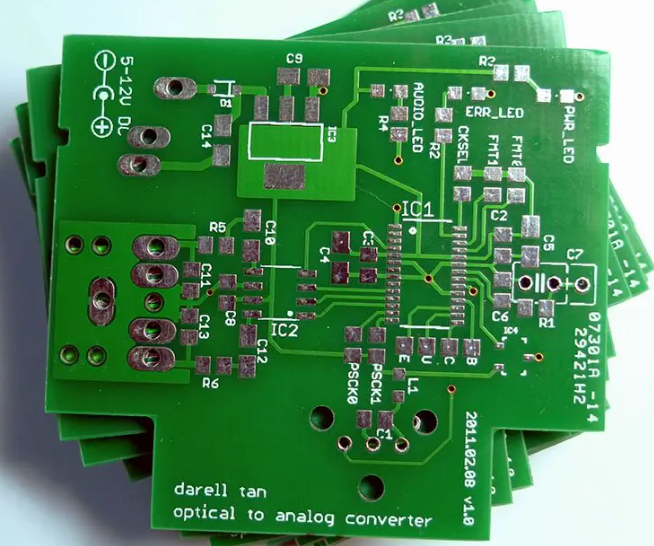
1. Design and Prototyping Automation
Computer-Aided Design (CAD) and Simulation
The PCB design phase has seen significant automation through advanced CAD tools that allow engineers to create precise layouts with minimal manual intervention. Features like:
- Auto-routing – Algorithms optimize trace routing to minimize signal interference.
- Design Rule Checking (DRC) – Automated validation ensures the design meets manufacturing constraints.
- Simulation tools – Predict thermal performance, signal integrity, and electromagnetic compatibility before production.
Rapid Prototyping with 3D Printing
Additive manufacturing enables quick PCB prototyping by automating the deposition of conductive and insulating materials, reducing lead times from weeks to days.
2. Material Handling and Preparation
Automated Panel Cutting and Storage
- CNC Machines & Laser Cutters – Precisely cut laminate materials to required sizes.
- Automated Storage and Retrieval Systems (ASRS) – Manage raw materials and semi-finished PCBs with robotic arms and conveyor systems.
Chemical Handling and Dispensing
Automated dispensers ensure accurate application of:
- Solder mask
- Silkscreen ink
- Adhesives and coatings
This reduces waste and improves consistency.
3. Imaging and Etching
Automated Optical Inspection (AOI) for Artwork
- Scans photomasks for defects before exposure.
- Corrects alignment errors automatically.
Direct Imaging (LDI) Systems
Replaces traditional photomasks with laser-based exposure, eliminating manual alignment and reducing defects.
Automated Etching and Stripping
- Conveyor-based etching machines ensure uniform copper removal.
- Chemical concentration monitoring maintains process stability.
4. Drilling and Machining
CNC Drilling and Routing
- High-speed drills create vias and through-holes with micron-level precision.
- Automated tool changers reduce downtime.
Laser Drilling for Microvias
Fiber and CO₂ lasers automate the creation of ultra-small vias in HDI (High-Density Interconnect) PCBs.
5. Plating and Surface Finishing
Electroplating Automation
- Robotic arms transfer panels between plating baths.
- Real-time monitoring adjusts current density and chemical levels.
Automated Surface Finishing
- ENIG (Electroless Nickel Immersion Gold)
- OSP (Organic Solderability Preservative)
- Immersion Silver
Automated spray and immersion systems ensure uniform coating.
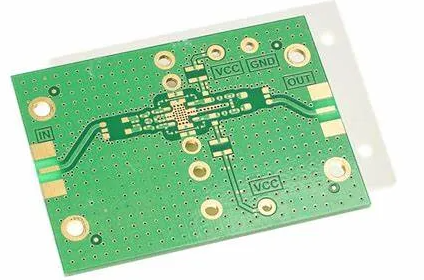
6. Solder Mask Application and Curing
Inkjet and Curtain Coating
- Inkjet printers apply solder mask with high precision.
- UV curing ovens automate the hardening process.
AOI for Solder Mask Defects
Automated cameras detect pinholes, misalignments, and uneven coatings.
7. Silkscreen and Legend Printing
Automated Inkjet Printing
Replaces manual screen printing, enabling quick text and component marking.
8. PCB Assembly (PCBA) Automation
Pick-and-Place Machines
- High-speed robots place SMD components at rates exceeding 100,000 placements per hour.
- Vision systems ensure correct orientation and alignment.
Automated Soldering (Reflow & Wave Soldering)
- Conveyor-based reflow ovens maintain precise temperature profiles.
- Selective soldering robots target specific components.
Conformal Coating Robots
Automated spray systems apply protective coatings evenly.
9. Testing and Inspection
Automated Optical Inspection (AOI)
- Detects missing components, misalignments, and soldering defects.
Automated X-ray Inspection (AXI)
- Checks BGA (Ball Grid Array) and hidden solder joints.
In-Circuit Testing (ICT) and Flying Probe Testers
- Automated probes verify electrical connectivity and functionality.
Functional Testing Automation
- Robotic test fixtures simulate real-world operating conditions.
10. Final Packaging and Logistics
Automated Depaneling
- Laser cutting or routing separates individual PCBs from panels.
Labeling and Packaging Robots
- Apply barcodes, anti-static packaging, and sorting for shipment.
Benefits of Automation in PCB Manufacturing
- Higher Precision – Reduces human error in critical processes.
- Faster Production – Speeds up cycle times and reduces lead times.
- Cost Efficiency – Lowers labor costs and material waste.
- Improved Consistency – Ensures uniform quality across batches.
- Enhanced Safety – Minimizes worker exposure to hazardous chemicals.
Conclusion
The PCB industry is rapidly adopting automation across design, fabrication, assembly, and testing. Technologies like AI-driven inspection, robotic soldering, and automated material handling are transforming production lines, enabling manufacturers to meet the growing demands for high-quality, miniaturized PCBs. As Industry 4.0 advances, further integration of IoT, machine learning, and adaptive robotics will push the boundaries of what’s possible in PCB manufacturing.
Investing in automation is no longer optional—it’s a necessity for staying competitive in the fast-evolving electronics market.