
Open-Source PCB Extruders and Enclosures: Democratizing Electronics Manufacturing
Introduction
The open-source hardware movement has revolutionized the way we design, manufacture, and distribute electronic components. Among the most exciting developments in this space are open-source PCB extruders and enclosures, which enable hobbyists, engineers, and small businesses to produce custom printed circuit boards (PCBs) and protective casings affordably. This article explores the significance of open-source PCB extruders and enclosures, their benefits, existing projects, and their potential impact on the electronics industry.
The Need for Open-Source PCB Manufacturing
Traditional PCB fabrication involves outsourcing to specialized manufacturers, which can be costly and time-consuming, especially for prototyping. Open-source PCB extruders offer an alternative by allowing users to print conductive traces directly onto substrates, reducing reliance on external suppliers.
Similarly, 3D-printed enclosures provide customizable, low-cost solutions for protecting electronic circuits. Open-source designs mean that anyone can modify and share enclosure models, fostering innovation and accessibility.
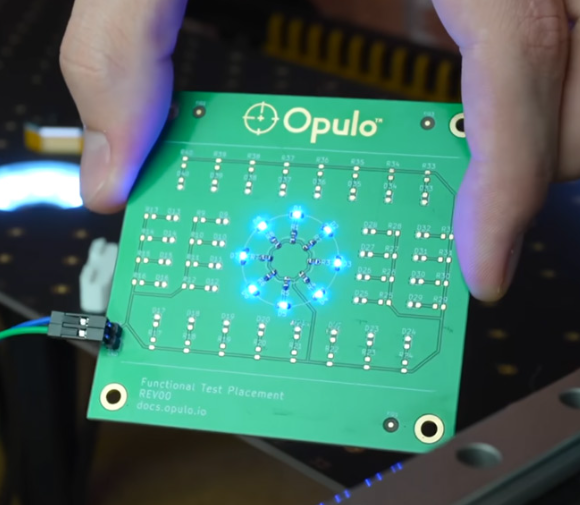
Open-Source PCB Extruders: How They Work
PCB extruders function similarly to 3D printers but are optimized for depositing conductive materials (such as silver or copper-based inks) onto flexible or rigid substrates. These machines can be built using open-source designs, often incorporating:
- Precision motion control (using stepper motors and linear rails)
- Extrusion mechanisms for dispensing conductive paste
- Software tools (e.g., modified versions of Marlin or custom G-code interpreters)
Notable Open-Source PCB Extruder Projects
- Voltera V-One (Inspired by Open-Source Concepts)
While not fully open-source, the Voltera V-One was one of the first desktop PCB printers to popularize the concept. Open-source alternatives now aim to replicate its functionality at a lower cost. - DIY Conductive Ink Extruders
Several makers have developed Arduino or Raspberry Pi-controlled extruders that dispense conductive ink. Projects like “OpenPCB” and “ElectroDroid” provide schematics and firmware for hobbyists to build their own. - Hybrid 3D Printer/PCB Extruders
Some open-source designs modify standard 3D printers to support dual extrusion—one for plastic and another for conductive material.
Open-Source Enclosures for PCBs
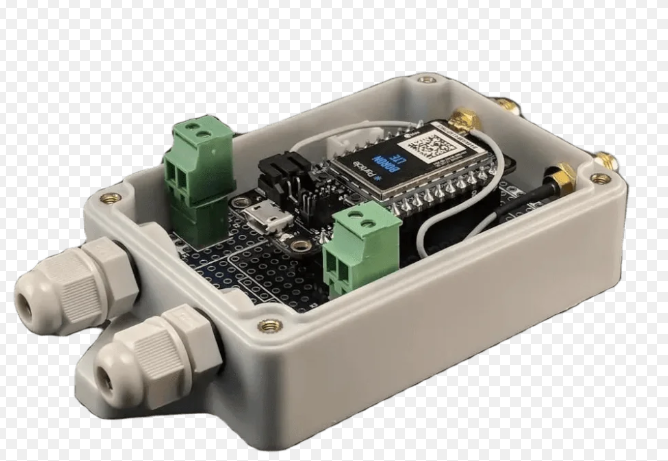
Once a PCB is fabricated, it often requires a protective enclosure. Open-source enclosure designs offer:
- Customizability (adaptable to different PCB sizes and shapes)
- Rapid prototyping (3D-printed in hours instead of waiting for injection-molded parts)
- Cost savings (no need for expensive tooling)
Popular Open-Source Enclosure Platforms
- Thingiverse & Printables
These repositories host thousands of 3D-printable enclosure designs for common development boards (Arduino, Raspberry Pi, ESP32). - OpenSCAD & Parametric Designs
Script-based CAD tools like OpenSCAD allow users to generate enclosures programmatically by adjusting parameters (e.g., board dimensions, mounting holes). - Snap-Fit & Modular Enclosures
Open-source modular designs (e.g., “Gridfinity”) enable stackable and reconfigurable enclosures for electronics projects.
Advantages of Open-Source PCB Extruders & Enclosures
- Lower Costs
- Eliminates high setup fees for traditional PCB manufacturing.
- Reduces dependency on commercial enclosure suppliers.
- Faster Iterations
- Enables rapid prototyping without shipping delays.
- Immediate design adjustments based on testing.
- Customization & Innovation
- Users can tweak designs for specialized applications (wearables, IoT devices).
- Encourages collaborative improvements in the open-source community.
- Educational Value
- Students and hobbyists gain hands-on experience in PCB fabrication.
- Promotes understanding of both electronics and mechanical design.
Challenges & Future Directions
Despite their benefits, open-source PCB extruders and enclosures face challenges:
- Material Limitations
- Conductive inks may have higher resistance than traditional copper traces.
- Durability of 3D-printed enclosures in industrial environments.
- Precision & Reliability
- DIY extruders may lack the accuracy of professional PCB fabrication.
- Ensuring consistent conductivity in printed traces.
The Road Ahead
Future advancements may include:
- Multi-material extrusion (combining conductive, insulating, and structural materials).
- AI-assisted design optimization for enclosures.
- Improved conductive composites for better performance.
Conclusion
Open-source PCB extruders and enclosures represent a significant step toward democratizing electronics manufacturing. By lowering costs, accelerating prototyping, and fostering innovation, these technologies empower individuals and small teams to bring their ideas to life. As the open-source community continues refining these tools, we can expect even greater accessibility and capability in DIY electronics production.
For those interested in exploring this field, platforms like GitHub, Thingiverse, and OpenHardware communities offer a wealth of resources to get started. The future of electronics manufacturing is not just in large factories—it’s also on your workbench.