
Flex pcb manufacturer in India
Advantages Of Choosing A Flex PCB Manufacturer In India
Choosing a flex PCB manufacturer in India offers numerous advantages that can significantly benefit businesses looking to optimize their electronic product designs and manufacturing processes.
One of the primary benefits is cost-effectiveness.
India has emerged as a global hub for electronics manufacturing, largely due to its competitive pricing. The lower labor costs, coupled with the availability of raw materials at reasonable rates, make it possible for Indian manufacturers to offer high-quality flex PCBs at a fraction of the cost compared to their counterparts in other countries. This cost advantage can be particularly beneficial for startups and small to medium-sized enterprises that need to manage their budgets carefully.
In addition to cost savings, the quality of flex PCBs produced in India is another compelling reason to consider Indian manufacturers.
Many Indian companies have invested heavily in state-of-the-art technology and adhere to stringent quality control measures. These manufacturers often comply with international standards such as ISO, IPC, and RoHS, ensuring that the flex PCBs meet global quality benchmarks. This commitment to quality not only enhances the reliability and performance of the electronic products but also builds trust and credibility with clients worldwide.
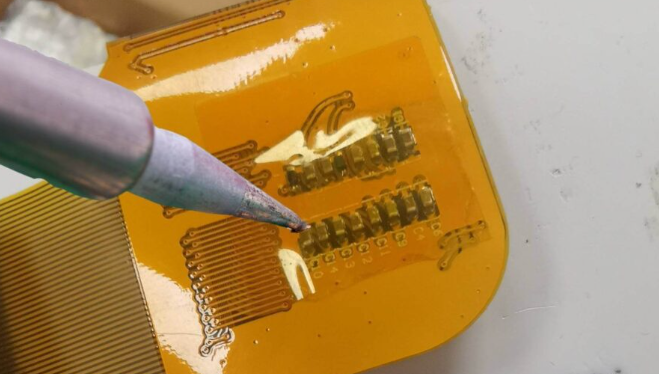
Furthermore, the Indian flex PCB manufacturing industry is known for its innovation and adaptability.
Indian manufacturers are adept at customizing solutions to meet specific client requirements, whether it involves unique design specifications, complex circuitry, or specialized materials. This flexibility allows businesses to develop cutting-edge products that stand out in the competitive market. Moreover, the collaborative approach adopted by many Indian manufacturers fosters a strong partnership with clients, enabling seamless communication and efficient problem-solving throughout the project lifecycle.
Another significant advantage is the robust supply chain ecosystem in India.
The country boasts a well-established network of suppliers and vendors that provide essential components and materials required for flex PCB manufacturing. This integrated supply chain ensures timely availability of resources, reducing lead times and enhancing production efficiency. Additionally, the presence of numerous logistics and transportation services facilitates smooth and swift delivery of finished products to global destinations, thereby minimizing delays and ensuring customer satisfaction.
The skilled workforce in India is also a crucial factor contributing to the success of its flex PCB manufacturing industry.
Indian engineers and technicians are renowned for their expertise and proficiency in electronics and PCB design. Many of them have received education and training from prestigious institutions, equipping them with the knowledge and skills needed to excel in this field. Their technical acumen, combined with hands-on experience, enables Indian manufacturers to tackle complex projects with precision and efficiency.
Moreover, the Indian government has implemented several policies and initiatives to support the electronics manufacturing sector.
Programs such as the Make in India campaign and various incentives for research and development have created a conducive environment for growth and innovation. These government efforts not only attract foreign investments but also encourage domestic companies to expand their capabilities and enhance their competitiveness on the global stage.

Analysis of the competitiveness of India’s and China’s manufacturing industries.
Analysis of the competitiveness of India’s and China’s manufacturing industries is a complex and multi-layered topic.
First, it is worth noting that China has built a large and efficient manufacturing base over the past few decades.
China’s manufacturing industry not only has an advantage in scale, but also leads in terms of technological level and production efficiency. China’s manufacturing industry is able to respond quickly to global market demand, thanks to its well-developed supply chain and infrastructure. In addition, the Chinese government’s supportive policies for the manufacturing industry, such as tax incentives and subsidies, also provide strong guarantees for the rapid development of its manufacturing industry.
However, India also shows strong potential in the manufacturing sector.
Despite its late start, India is improving its manufacturing competitiveness through a series of reform measures. For example, the Indian government has launched the “Make in India” program to attract foreign investment and promote the development of local manufacturing. India has a large young workforce, which provides abundant human resources for the manufacturing industry. In addition, India’s advantages in information technology and software development also provide support for the modernization and intelligence of its manufacturing industry.
Nevertheless, India’s manufacturing industry still faces some challenges.
Problems such as lagging infrastructure construction, high logistics costs and poor policy implementation have restricted the further development of India’s manufacturing industry. In contrast, China has made significant progress in these areas. China’s high-speed rail network and port facilities have greatly improved logistics efficiency, while India still has a lot of room for improvement in this regard.
In terms of labor costs, India has certain advantages.
India’s labor costs are relatively low, which makes it competitive in labor-intensive industries. However, China has gradually reduced its dependence on low-cost labor by improving the level of production automation and technological innovation, thus occupying a dominant position in high value-added industries.
In addition, the environment and sustainable development are also important issues that the manufacturing industries of both countries need to face.
In recent years, China has increased its investment in environmental protection and promoted green manufacturing and sustainable development. India’s policies and practices in this regard are relatively lagging and need to be further strengthened.
In general, although China has a clear advantage in the manufacturing field, India is also actively catching up. The two countries have their own advantages and disadvantages in manufacturing competitiveness, and future development will depend on how each responds to challenges and seizes opportunities. Through continuous reform and innovation, India is expected to occupy a more important position in the global manufacturing landscape, while China needs to continue to consolidate its existing advantages and maintain its leading position in the global manufacturing industry.
Top Flex PCB Manufacturers in India: A Comprehensive Guide
India has emerged as a significant player in the global electronics manufacturing industry, and the flex PCB (Printed Circuit Board) sector is no exception. Flex PCBs, known for their flexibility and ability to fit into compact spaces, are increasingly in demand across various industries, including automotive, consumer electronics, and medical devices. As the need for these versatile components grows, several Indian manufacturers have risen to prominence, offering high-quality flex PCBs to meet both domestic and international requirements.
One of the leading names in the Indian flex PCB manufacturing landscape is AT&S India Pvt. Ltd.
With a strong focus on innovation and quality, AT&S has established itself as a reliable supplier of flex PCBs. The company leverages advanced manufacturing technologies and stringent quality control measures to ensure that its products meet the highest standards. AT&S’s commitment to sustainability and environmental responsibility further enhances its reputation in the industry.
Another noteworthy player is Shogini Technoarts Pvt. Ltd., which has been in the PCB manufacturing business for over three decades.
Shogini Technoarts specializes in producing high-reliability flex PCBs for various applications, including aerospace and defense. The company’s state-of-the-art manufacturing facilities and experienced workforce enable it to deliver products that meet stringent industry specifications. Shogini Technoarts’ dedication to continuous improvement and customer satisfaction has earned it a loyal clientele.
Flextron Circuits India Pvt. Ltd. is also a prominent name in the flex PCB manufacturing sector.
Known for its cutting-edge technology and robust manufacturing processes, Flextron Circuits offers a wide range of flex PCBs tailored to specific customer needs. The company’s emphasis on research and development ensures that it stays ahead of industry trends and can provide innovative solutions to complex design challenges. Flextron Circuits’ commitment to quality and timely delivery has made it a preferred partner for many leading electronics manufacturers.
In addition to these established players, there are several emerging companies making significant strides in the flex PCB market.
One such company is Circuit Systems India Ltd. (CSIL), which has quickly gained recognition for its high-quality flex PCBs and customer-centric approach. CSIL’s investment in modern manufacturing equipment and skilled personnel has enabled it to produce reliable and cost-effective flex PCBs. The company’s focus on building long-term relationships with its clients has contributed to its rapid growth and success.
Furthermore, Epitome Components Ltd. is another key player in the Indian flex PCB manufacturing industry.
Epitome Components is known for its comprehensive range of flex PCBs, catering to diverse industry requirements. The company’s advanced manufacturing capabilities and rigorous quality assurance processes ensure that its products consistently meet or exceed customer expectations. Epitome Components’ proactive approach to addressing market demands and its commitment to technological advancement have solidified its position as a leading flex PCB manufacturer.
As the demand for flex PCBs continues to rise, Indian manufacturers are well-positioned to capitalize on this growth. The combination of advanced manufacturing technologies, skilled workforce, and a focus on quality and innovation has enabled these companies to compete effectively on the global stage. By maintaining high standards and continuously adapting to industry trends, Indian flex PCB manufacturers are poised to play a crucial role in the future of electronics manufacturing.