Accelerating Efficiency with Rapid PCB Assembly Solutions
Key Takeaways
In today’s fast-paced electronics landscape, rapid PCB assembly has emerged as a vital component in achieving operational excellence. The integration of pcb assembly techniques allows manufacturers to enhance their workflow significantly. By adopting pcba solutions, companies can experience reduced turnaround times that translate into quicker product releases and improved responsiveness to market demands. Additionally, these solutions prioritize quality assurance throughout the assembly process, enabling organizations to maintain high standards and consistency in their electronic products. Modern automation and innovative technologies play a crucial role in streamlining PCB assembly processes, paving the way for greater efficiency. Ultimately, embracing rapid PCB assembly not only optimizes production timelines but also facilitates more robust product quality, positioning manufacturers to meet the evolving challenges of the industry effectively.
Understanding Rapid PCB Assembly: Key Concepts and Benefits
Rapid PCB assembly has revolutionized the way electronics are manufactured, blending speed with efficiency to meet growing market demands. At its core, rapid PCB assembly refers to the quick and effective processes involved in the production of printed circuit boards (PCBs), which are essential components in various electronic devices. One of the primary benefits of adopting rapid techniques for PCBA is the significant reduction in production time. This is achieved through the implementation of advanced machinery and streamlined workflows that minimize delays traditionally associated with manual assembly processes.
In addition, rapid methods often incorporate automation and sophisticated software that enhance precision while reducing human error. The result is not only a faster turnaround but also an improvement in overall product quality. By utilizing comprehensive quality control measures throughout the PCB assembly process, manufacturers can effectively meet stricter standards and ensure that every board produced adheres to high-quality benchmarks.
To illustrate this further, consider the following comparison table:
| Aspect | Traditional PCB Assembly | Rapid PCB Assembly |
|---|---|---|
| Production Time | Weeks | Days or Hours |
| Error Rate | Higher | Significantly Lower |
| Cost Efficiency | Moderate | Highly Efficient |
| Technology Utilization | Limited | Advanced Automation |
By adopting rapid PCB assembly practices, companies can position themselves as competitive players in a fast-evolving industry, demonstrating not only their capability to deliver quality products but also their agile responsiveness to market trends. This fusion of innovation and efficiency represents a significant leap forward for electronics manufacturing as a whole, making it crucial for businesses to understand and implement these concepts for sustained success in their operations.
Techniques for Streamlining PCB Assembly Processes
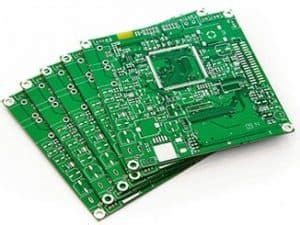
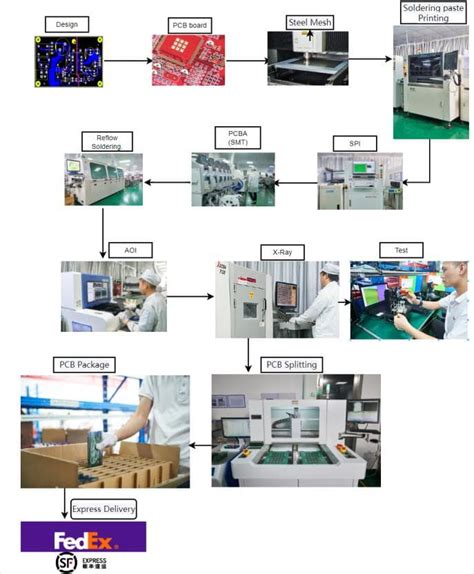
To enhance efficiency in PCB assembly, various innovative techniques have emerged that are transforming the landscape of electronics manufacturing. One of the foremost strategies is the adoption of automated assembly systems, which utilize machinery for precise placement and soldering of components, reducing errors associated with manual labor. Additionally, embracing modular assembly techniques allows manufacturers to create components in distinct sections before integrating them, thereby facilitating easier troubleshooting and upgrades. The incorporation of advanced statistical process control tools enables continuous monitoring and refinement of the PCBA workflow, which not only speeds up production but also ensures consistency in quality.
Furthermore, utilizing just-in-time inventory management helps in minimizing waste and streamlining material flow, allowing for optimal use of resources during the PCB assembly process. Collaboration with suppliers through digital platforms can enhance communication and lead to quicker response times for component deliveries. This interconnected approach facilitates a smoother transition from design to final production, ultimately leading to a faster turnaround time and improved efficiency across all facets of PCB assembly. By implementing these innovative techniques, companies not only achieve significant time savings but also bolster the overall reliability and quality of their products in a highly competitive market.
Reducing Production Time in Electronics Manufacturing
In the competitive landscape of electronics manufacturing, reducing production time is crucial for maintaining an edge. Employing rapid PCB assembly (or PCBA) techniques can significantly contribute to this need. By implementing streamlined processes, manufacturers can tackle delays that often plague traditional methods. One of the most effective strategies involves the use of advanced machinery and automation tools, which enhance precision and speed in the PCB assembly process. Additionally, adopting just-in-time production techniques allows for better inventory management, thereby minimizing downtime and ensuring that components are available when needed. Another key element is improving communication among teams—facilitating real-time updates can lead to faster problem resolution and decision-making. By embracing these innovations and methodologies, manufacturers not only accelerate their pcb assembly operations but also set a foundation that supports scalability and adaptability in an industry characterized by rapid technological advancements.
Impact of Rapid PCB Assembly on Product Quality
The impact of rapid PCB assembly solutions on product quality cannot be overstated. By leveraging advanced techniques in pcba, manufacturers can enhance the precision and reliability of their electronic products. The adoption of streamlined processes within pcb assembly not only accelerates production but also addresses many common quality concerns associated with traditional methods. As production time decreases, the opportunity for human error is significantly reduced, resulting in more consistent and high-quality outputs. Furthermore, innovations in automation and testing during the pcb assembly process contribute to improved defect detection rates, ensuring that only products meeting stringent quality standards reach the market. Additionally, rapid methodologies facilitate iterative design improvements, allowing manufacturers to adapt quickly based on feedback and performance analysis. This responsiveness ultimately leads to better-designed products that satisfy customer demands, achieving higher levels of satisfaction and loyalty. In essence, the integration of rapid pcb assembly techniques lays the groundwork for a robust manufacturing framework that prioritizes both speed and excellence in product quality.
Innovative Technologies Driving Efficiency in PCB Assembly
The landscape of PCB assembly is undergoing a significant transformation, driven by the advent of innovative technologies that enhance operational efficiency. Modern PCBA practices leverage advancements such as automated assembly systems, which reduce human error and speed up the production line. Furthermore, integrating robotics into the assembly process allows for precise and rapid placement of components, resulting in enhanced accuracy and consistency. Techniques like 3D printing for prototyping are also redefining how electronic components are designed and manufactured, allowing for quicker iterations while maintaining high-quality standards.
“Investing in automation not only shortens lead times but also improves the scalability of production,” suggests industry experts on optimizing assembly lines. Additionally, the incorporation of smart factory technologies enables real-time monitoring of production stages, facilitating immediate adjustments that help maintain efficiency. As these technologies continue to evolve, manufacturers are poised to benefit from reduced labor costs and shorter turnaround times in their PCB assembly processes. By embracing these advancements, companies can stay competitive in a rapidly changing electronics market while ensuring high-quality output in their products.
Case Studies: Success Stories in Rapid PCB Implementation
In the realm of rapid PCB assembly, various companies have demonstrated notable improvements through innovative practices and technologies. For instance, a mid-sized electronics manufacturer faced challenges in its production timelines due to inefficient PCBA processes. By adopting rapid PCB assembly solutions, they implemented a streamlined approach involving automation and advanced soldering techniques. This resulted in a significant reduction in turnaround time, enabling them to fulfill client orders faster without compromising on product integrity.
Another compelling case involves a startup specializing in custom electronics that needed to scale its operations quickly. With the integration of rapid PCB assembly strategies, they were able to produce PCBA prototypes in days rather than weeks. This agility allowed them to iterate on designs swiftly, gathering user feedback more effectively. As a result, the startup not only increased its market responsiveness but also enhanced the overall quality of its products, meeting rigorous standards that established confidence among their clientele.
These success stories illustrate how embracing rapid PCB assembly can transform operational efficiency and product delivery in electronics manufacturing, making it an essential consideration for companies aiming for competitive advantage. As organizations continue to invest in these innovative solutions, the potential for improving production outcomes and sustaining high-quality standards appears promising and influential within the sector.
Best Practices for Optimizing PCB Assembly Workflows
Optimizing PCB assembly workflows is essential for achieving efficiency in electronics manufacturing. Key to this optimization is the integration of pcba best practices that streamline operations and enhance productivity. One effective method is to adopt a modular approach, which allows teams to focus on specific segments of the assembly process, thereby reducing clutter and minimizing error rates. Implementing real-time monitoring tools can also significantly optimize workflows by providing instant feedback on production processes, thus enabling quick adjustments without halting entire operations. Additionally, investing in innovative equipment, such as automated pick-and-place machines, can greatly accelerate the assembly process, ensuring precision and speed in placing components on the boards. It is also important to foster a culture of continuous improvement within teams; encouraging feedback about workflow bottlenecks can lead to simple yet impactful changes that enhance the overall performance of pcb assembly processes. Regular training sessions for staff focused on the latest techniques and technologies can empower them to contribute effectively to workflow optimization, ensuring that everyone involved is aligned and equipped with the necessary skills for success. By aligning these best practices with a commitment to excellence, manufacturers can substantially enhance their rapid PCB assembly capabilities and deliver higher quality products in shorter timeframes.
Conclusion
In conclusion, the integration of rapid PCB assembly solutions in the electronics manufacturing landscape significantly transforms production methodologies. By embracing innovative techniques and strategies, companies can achieve streamlined pcb assembly processes that not only reduce production time but also elevate the overall quality of products. The agility provided by pcba technologies allows manufacturers to respond promptly to market demands, ensuring a quicker turnaround without compromising on standards. Furthermore, the importance of continuous improvement in these workflows cannot be overstated; leveraging successful case studies demonstrates the potential benefits of adopting best practices in pcb assembly. As we move forward, embracing these advancements will be crucial in maintaining competitiveness and driving growth within the industry. The evolution of manufacturing processes through rapid PCB assembly will undoubtedly pave the way for innovative solutions that cater to an ever-changing technological landscape.
FAQs
What is rapid PCB assembly?
Rapid PCB assembly refers to a streamlined process that accelerates the production of printed circuit boards (PCBs) by utilizing advanced technologies and techniques to enhance speed and efficiency.
How does rapid PCB assembly benefit manufacturers?
This approach helps manufacturers reduce production time significantly, which is crucial in today’s fast-paced electronics market. By adopting rapid PCBA methods, companies can bring their products to market more quickly and remain competitive.
What techniques are used in rapid PCB assembly?
Innovative strategies such as automation of assembly lines, the use of high-speed pick-and-place machines, and optimized workflow management are employed to enhance the PCBA process.
Can rapid PCB assembly improve product quality?
Yes, it can. With faster processes come higher precision and reduced human error. The use of advanced technologies ensures that each PCB assembly meets strict quality standards while minimizing defects.
Are there specific industries that benefit most from rapid PCB assembly?
Industries such as telecommunications, automotive, medical devices, and consumer electronics often leverage rapid PCB assembly, as they require quick turnaround times for production while maintaining high quality.
How can companies implement rapid PCB assembly solutions effectively?
Companies should focus on integrating modern technologies into their existing workflows, training staff on new processes, and routinely evaluating their production efficiency to optimize the PCBA lifecycle.
For more detailed insights into how you can enhance your production processes with efficient solutions tailored for your needs, please click here.