Achieving High Quality PCB Prototypes for Your Projects
Key Takeaways
Achieving high-quality PCB prototypes is essential for the success of your projects. The first step in this process is understanding the significance of selecting the right materials. The choice of materials greatly impacts the PCB manufacturing cost and, consequently, the performance and reliability of your final product. You should consider working with reputable PCB manufacturing companies that utilize high-grade materials tailored for specific applications.
Manufacturing techniques also play a crucial role in ensuring quality. Different pcb manufacturing techniques, such as surface mount technology and through-hole technology, can lead to diverse results, so being informed about each method can help you make better decisions. When communicating with pcb manufacturing businesses, discuss your design requirements thoroughly to ensure they employ methods that align with your objectives.
It’s important to follow best practices in design as well. Keeping your layouts simple and avoiding unnecessary complexity can mitigate issues during the manufacturing process. Incorporate testing and validation methods to detect potential issues early on—this proactive approach can save time and resources later.
Lastly, be aware of common pitfalls in PCB prototyping. Many projects fail due to overlooked details or miscommunications with manufacturers regarding specifications and tolerances. By avoiding these common pitfalls and understanding their root causes, you can enhance not only the quality but also the reliability of your prototypes.
| Key Factors | Importance |
|---|---|
| Material Selection | Directly affects cost and performance |
| Manufacturing Techniques | Influences quality and reliability |
| Best Practices | Improves design efficiency |
| Testing & Validation | Identifies problems early |
| Common Pitfalls | Helps avoid costly errors |
By focusing on these critical areas, you can achieve high-quality PCB prototypes that meet your project requirements effectively.
Understanding the Importance of High-Quality PCB Prototypes
Creating high-quality PCB prototypes is essential in ensuring that your final product performs reliably and meets all specifications. As you venture into the pcb manufacturing realm, recognizing this importance can save you time and costs associated with redesigns and adjustments. Poorly crafted prototypes can lead to significant issues later in production, making it crucial to focus on quality from the outset. Engaging with reputable pcb manufacturing companies ensures you are not just getting a product but a commitment to excellence and innovation in design.
Additionally, understanding pcb manufacturing cost factors can influence material selection, which is vital for the durability and functionality of your prototypes. Choosing the right materials paired with advanced pcb manufacturing business practices enhances the reliability of your designs. As noted by experts in the field, “A focus on quality in the prototyping stage pays dividends during mass production.” This concentration on excellence at this early stage allows for smoother transitions into more extensive production runs, ensuring that your products will function as intended when they reach consumers.
For more information on how to enhance your PCB prototyping process, consider exploring comprehensive resources online. A relevant source for insights is Andwin PCB.
Key Material Selection for Reliable PCB Prototypes
Selecting the right materials for your PCB prototypes is crucial for ensuring their durability and functionality. The choice of material can significantly influence the pcb manufacturing cost, as well as the overall performance of your final product. You should consider materials like FR-4, a popular laminate material known for its electrical insulation and mechanical strength, which is widely used in pcb manufacturing. Additionally, if your project requires higher performance, you might explore advanced substrates such as polyimide or ceramic, which can handle extreme temperatures and offer better thermal properties.
Engaging with reliable pcb manufacturing companies can help you navigate these material options effectively. They provide insights into which materials best suit your application—whether that’s for consumer electronics, automotive components, or industrial devices. Remember that while higher-quality materials might increase initial costs, they often lead to more reliable designs with fewer failures over time, reducing the overall pcb manufacturing costs in the long run.
It’s also essential to consider factors such as thermal conductivity and dielectric constant in your selection process to ensure that your prototype meets performance expectations. Proper collaboration with your chosen pcb manufacturing business will enable you to optimize these material choices and align them with your project goals while maintaining budget constraints. Selecting materials strategically not only influences prototype quality but also plays a vital role in achieving a successful end product that meets both functionality and reliability criteria.
Manufacturing Techniques that Enhance PCB Quality
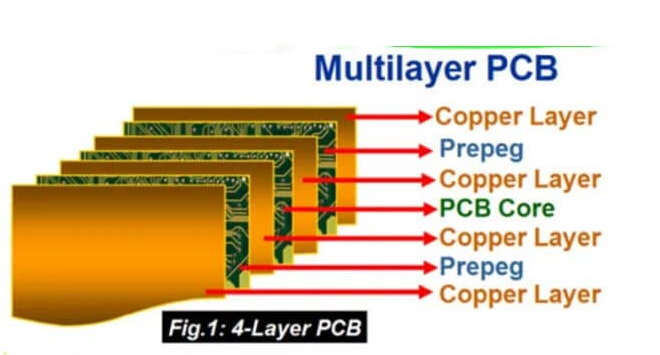
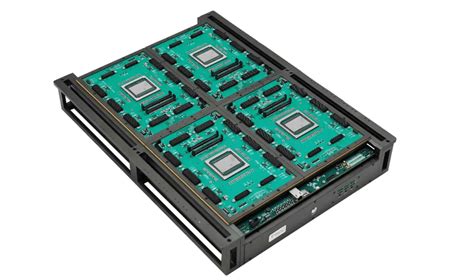
To achieve high-quality PCB prototypes, understanding various manufacturing techniques is essential. One of the most significant aspects is the precision of the pcb manufacturing process itself. Utilizing advanced technologies such as laser-cutting and high-speed automation can drastically increase the accuracy of your designs, ultimately contributing to the reliability and performance of your prototypes. Moreover, selecting reputable pcb manufacturing companies that employ state-of-the-art machinery ensures that your designs will be produced with minimal defects. Pay attention to techniques such as multilayer construction and controlled impedance routing, which are vital for ensuring signal integrity in complex circuits.
It’s also crucial to consider the pcb manufacturing cost when selecting materials and processes. Investing in quality can lead to more durable products and fewer iterations, which can save you time and resources in the long run. Additionally, integrating design for manufacturability (DFM) principles during your design phase leads to a smoother transition from prototype to production, enhancing overall quality while optimizing costs. Focusing on these specific manufacturing techniques will not only elevate the quality of your PCB prototypes but also establish a strong foundation for successful project outcomes.
Best Practices for Designing Effective PCB Prototypes
When embarking on the journey of creating high quality PCB prototypes, it is crucial to incorporate a set of best practices that ensure both reliability and functionality. First and foremost, you must pay attention to the design layout. Keeping component distances optimal and reducing noise are fundamental aspects that can significantly enhance the performance of your prototype. As you create your designs, utilizing tools that allow for simulations can help you identify potential issues before the pcb manufacturing process begins.
It’s also paramount to use high-quality materials when selecting components for your prototypes. The choice of material can have a considerable impact on the overall success of your project, affecting both pcb manufacturing cost and functionality. Researching various pcb manufacturing companies will help you find suppliers offering materials that meet industry standards and specifications.
Furthermore, be proactive about understanding the capabilities and limitations of your selected pcb manufacturing business. Many companies provide specific guidelines or requirements related to their engineering processes, which can inform your design decisions to optimize manufacturability.
Incorporating robust testing methods post-manufacturing is vital for validating the prototype’s performance under real-world conditions. Continuous improvement driven by testing outcomes will enable you to refine future designs consistently. Ultimately, by embracing these best practices, you’ll be well-equipped to create outstanding PCB prototypes that meet your project’s needs effectively.
Testing and Validation Methods for PCB Prototypes
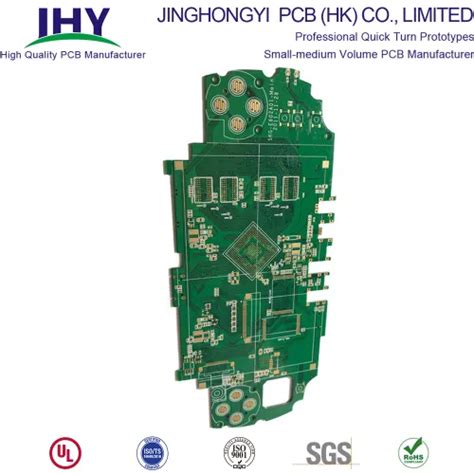
Testing and validation are crucial steps in the pcb manufacturing process, as they ensure that your prototypes meet the required standards for reliability and performance. You should begin testing during the early stages of development to effectively identify any design flaws before proceeding to full-scale production. This approach can significantly reduce the pcb manufacturing cost associated with fixing problems later.
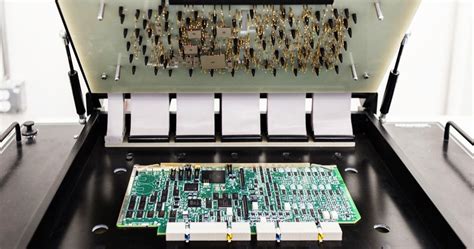
Utilizing a variety of testing methods is also important. For instance, functional testing can help verify that each component operates correctly within the prototype. Additionally, implementing thermal and stress testing assesses how your design withstands real-world conditions. These methods not only provide valuable insights into your design’s performance but also strengthen your case when presenting it to potential investors or stakeholders in your pcb manufacturing business.
It’s also wise to collaborate with reputable pcb manufacturing companies that offer comprehensive validation services as part of their offerings. They often have sophisticated tools and techniques at their disposal to evaluate your designs meticulously. This partnership can enhance your prototype’s reliability, ensuring that it performs optimally in its intended application while maintaining adherence to industry standards.
In conclusion, by systematically employing diverse testing methods and working closely with experienced PCB manufacturers, you can pave the way for successful prototypes that are both high-quality and cost-effective, positioning you favorably within the competitive landscape of pcb manufacturing.
Common Pitfalls in PCB Prototyping and How to Avoid Them
When embarking on the journey of developing your high quality PCB prototypes, it’s crucial to be aware of the common pitfalls that can hinder your success. One prevalent issue is inadequate pcb manufacturing practices, which can lead to defects and unreliable prototypes. By choosing reputable pcb manufacturing companies, you ensure effective processes that adhere to industry standards, ultimately elevating the quality of your prototypes.
Another frequent mistake is overlooking the importance of detailed design specifications. Inadequate specifications can lead to miscommunication with your chosen pcb manufacturing business, resulting in unexpected pcb manufacturing costs due to reworks or scrap. It’s essential to clearly define every aspect, from component placement to layer stacking, which significantly mitigates errors.
Additionally, failing to conduct thorough testing before finalizing designs can be disastrous. Many overlook this phase, assuming their designs will function as intended without verification. Engaging in robust testing and validation methods before moving forward not only strengthens the reliability of your prototypes but also saves you from potential production issues that could arise later on.
Ultimately, staying informed about these common pitfalls will empower you to navigate the complexities of pcb prototyping with confidence and enhance the success of your projects considerably.
Future Trends in PCB Prototyping Technology
As you navigate the evolving landscape of PCB prototyping, it’s crucial to stay informed about future trends that are shaping the industry. One prominent trend is the increasing use of advanced materials, which not only enhance the performance of prototypes but also contribute to reducing the overall pcb manufacturing cost. Many pcb manufacturing companies are exploring alternative substrates that offer better thermal management and signal integrity, which are essential for high-performance applications.
Additionally, automation in pcb manufacturing processes is gaining traction, leading to greater efficiency and precision. This automation helps streamline production workflows, reducing lead times and costs associated with manual labor. You may want to consider how partnerships with innovative pcb manufacturing businesses can provide access to cutting-edge technologies and techniques that ensure your designs meet evolving industry standards.
Moreover, as sustainability becomes a priority for many industries, eco-friendly materials and processes are being developed in response to environmental concerns. These advancements not only improve your project’s sustainability profile but can also be a selling point for your products. As you plan your next project, keeping an eye on these trends will help you create more reliable and high-quality PCB prototypes that stand out in a competitive market.
Conclusion
In summary, achieving high-quality PCB prototypes is crucial to the success of your projects. By considering key factors such as material selection and utilizing effective manufacturing techniques, you can significantly enhance the reliability and performance of your designs. Understanding the role of different pcb manufacturing companies allows you to choose a partner that aligns with your quality expectations and project needs. Moreover, being aware of the pcb manufacturing cost can aid in budgeting without compromising on quality. Implementing best practices in design helps avoid common pitfalls, ensuring a smoother prototyping process. As you move forward in your pcb manufacturing business, stay informed about future trends that may impact the industry, continually seeking ways to innovate and improve your processes for better outcomes.
FAQs
What are the key factors to consider when selecting a PCB manufacturer?
When choosing a PCB manufacturer, consider their experience, quality certifications, and specialization in your project type. Look for pcb manufacturing companies that utilize modern technology and have a reputation for delivering high-quality PCB prototypes reliably.
How does material selection affect the cost of PCB manufacturing?
The choice of materials significantly influences the pcb manufacturing cost. High-grade materials may lead to increased expenses but can enhance reliability and performance. Assess your project needs to select materials that provide the best balance between cost and quality.
What are common techniques used in PCB manufacturing?
Common techniques include etching, layer stacking, and screen printing. These methods influence the overall quality of your PCB prototype. Innovative pcb manufacturing techniques can improve both precision and durability.
Are there any strategies for reducing costs in PCB prototyping?
To minimize costs in your pcb manufacturing business, optimize your design to use fewer layers, select standard material sizes, and consider bulk ordering if feasible. This approach can help you achieve savings while maintaining a high-quality output.
What is the typical turnaround time for PCB prototypes?
The turnaround time can vary based on complexity, but most pcb manufacturing companies can deliver prototypes within 1-2 weeks. Fast prototyping services are available if you require quicker results without compromising quality.