Adhesive for flexible pcb
Advantages Of Using Adhesive For Flexible PCB Applications
Adhesive for flexible PCB applications offers numerous advantages that significantly enhance the performance and reliability of electronic devices.
One of the primary benefits is the improved flexibility and durability of the circuit boards.
Flexible PCBs are designed to bend and twist, accommodating various shapes and spaces within electronic devices. The use of specialized adhesives ensures that the components remain securely attached, even under mechanical stress. This flexibility is particularly advantageous in applications such as wearable technology, medical devices, and automotive electronics, where space constraints and movement are common.
Moreover, adhesives provide excellent thermal management properties.
In electronic devices, heat dissipation is a critical factor that affects performance and longevity. Adhesives used in flexible PCBs often have high thermal conductivity, which helps in efficiently transferring heat away from sensitive components. This thermal management capability not only prevents overheating but also enhances the overall reliability of the device. Consequently, the use of adhesive in flexible PCBs contributes to the development of more robust and long-lasting electronic products.
In addition to thermal management, adhesives offer superior electrical insulation.
Flexible PCBs are often used in environments where they are exposed to various electrical interferences. The adhesive materials used in these applications are designed to provide excellent insulation, preventing short circuits and ensuring stable electrical performance. This characteristic is particularly important in high-frequency applications, where even minor electrical disturbances can lead to significant performance issues. By using adhesive, manufacturers can ensure that their flexible PCBs maintain optimal electrical integrity.
Another significant advantage of using adhesive in flexible PCB applications is the ease of assembly and manufacturing.
Adhesives simplify the process of attaching components to the flexible substrate, reducing the need for complex mechanical fasteners. This not only speeds up the manufacturing process but also reduces the overall weight of the device. The lightweight nature of adhesive-bonded flexible PCBs is particularly beneficial in applications such as aerospace and portable electronics, where every gram counts. Furthermore, the use of adhesive allows for more compact and streamlined designs, enabling the development of smaller and more efficient electronic devices.
Environmental resistance is another key benefit of using adhesive in flexible PCB applications.
Electronic devices are often exposed to harsh environmental conditions, including moisture, chemicals, and extreme temperatures. Adhesives used in flexible PCBs are formulated to withstand these conditions, providing a protective barrier that enhances the durability of the device. This resistance to environmental factors ensures that the electronic components remain functional and reliable, even in challenging conditions. As a result, adhesive-bonded flexible PCBs are well-suited for use in industrial, automotive, and outdoor applications.
Lastly, the use of adhesive in flexible PCB applications contributes to cost-effectiveness.
The simplified assembly process and reduced need for mechanical fasteners translate to lower manufacturing costs. Additionally, the enhanced durability and reliability of adhesive-bonded flexible PCBs reduce the likelihood of device failures and the associated costs of repairs and replacements. This cost-effectiveness is particularly important in high-volume production environments, where even small savings can have a significant impact on the overall budget.
In conclusion, the advantages of using adhesive for flexible PCB applications are manifold. From improved flexibility and thermal management to superior electrical insulation and environmental resistance, adhesives play a crucial role in enhancing the performance and reliability of electronic devices. The ease of assembly and cost-effectiveness further underscore the importance of adhesive in the development of advanced flexible PCBs. As technology continues to evolve, the use of adhesive in flexible PCB applications is likely to become even more prevalent, driving innovation and efficiency in the electronics industry.
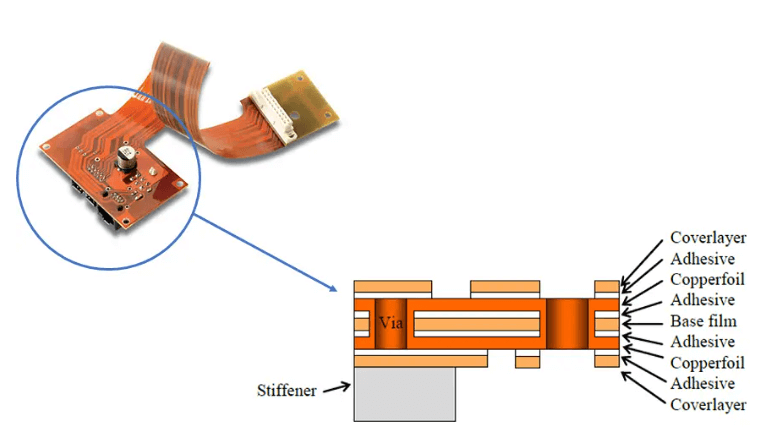
Best Practices For Applying Adhesive On Flexible PCBs
When working with flexible printed circuit boards (PCBs), the application of adhesive is a critical step that demands precision and expertise. Flexible PCBs, known for their ability to bend and conform to various shapes, are increasingly used in modern electronics due to their versatility and space-saving properties. However, the very nature that makes them advantageous also presents unique challenges in the application of adhesives. To ensure optimal performance and reliability, it is essential to adhere to best practices when applying adhesive on flexible PCBs.
First and foremost, selecting the appropriate adhesive is paramount.
The adhesive must be compatible with the materials used in the flexible PCB, such as polyimide or polyester substrates. Additionally, it should possess properties that align with the specific requirements of the application, including flexibility, thermal stability, and electrical insulation. Epoxy, acrylic, and silicone-based adhesives are commonly used due to their excellent bonding strength and adaptability to various environmental conditions.
Once the suitable adhesive is chosen, surface preparation becomes the next critical step.
Proper surface preparation ensures that the adhesive forms a strong bond with the flexible PCB. This involves cleaning the surface to remove any contaminants such as dust, oils, or residues that could interfere with adhesion. Isopropyl alcohol is often used for this purpose, as it effectively cleans without leaving any residue. It is crucial to allow the surface to dry completely before proceeding with the adhesive application.
The method of adhesive application also plays a significant role in achieving a reliable bond.
Techniques such as screen printing, dispensing, or laminating can be employed depending on the specific requirements of the project. Screen printing is ideal for applying adhesive in precise patterns, while dispensing allows for controlled application in specific areas. Laminating, on the other hand, is suitable for covering larger areas uniformly. Regardless of the method chosen, it is essential to apply the adhesive evenly to avoid air bubbles or gaps that could compromise the integrity of the bond.
Temperature and curing time are additional factors that must be carefully controlled during the adhesive application process.
Most adhesives require a specific temperature range to cure properly, and deviations from this range can result in weak bonds or incomplete curing. It is advisable to follow the manufacturer’s guidelines regarding curing temperature and duration to ensure optimal results. In some cases, using a controlled environment such as an oven or a hot press can help achieve consistent curing conditions.
Furthermore, it is important to consider the mechanical stresses that the flexible PCB will be subjected to during its operational life.
The adhesive must be able to withstand bending, twisting, and other dynamic forces without losing its bonding strength. Conducting thorough testing under simulated conditions can help identify potential weaknesses and allow for adjustments in the adhesive application process.
In conclusion, applying adhesive on flexible PCBs requires a meticulous approach that encompasses selecting the right adhesive, preparing the surface adequately, employing the appropriate application method, and controlling curing conditions. By adhering to these best practices, one can ensure that the adhesive forms a strong and reliable bond, thereby enhancing the performance and longevity of the flexible PCB. As technology continues to advance, the importance of mastering these techniques cannot be overstated, as they play a crucial role in the development of innovative and reliable electronic devices.
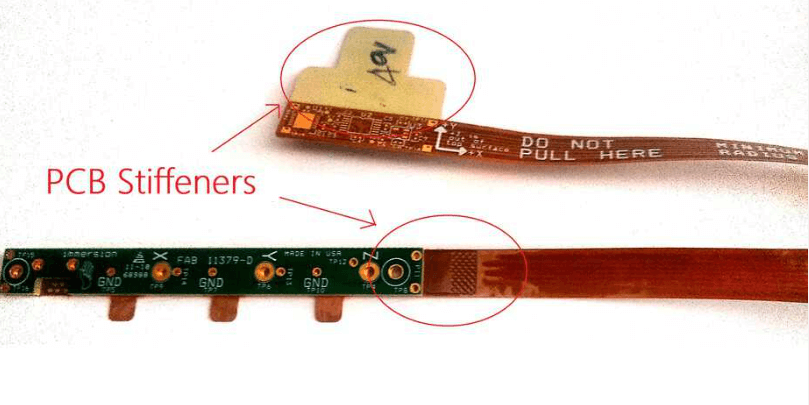
Top Adhesive Types For Flexible PCB Manufacturing
In the realm of flexible printed circuit board (PCB) manufacturing, the choice of adhesive plays a pivotal role in ensuring the reliability and performance of the final product. Flexible PCBs, known for their ability to bend and conform to various shapes, are increasingly utilized in advanced electronics, including wearable devices, medical equipment, and automotive applications. Consequently, selecting the appropriate adhesive is crucial to maintaining the integrity and functionality of these circuits. Several types of adhesives are commonly employed in flexible PCB manufacturing, each offering distinct advantages and characteristics.
Acrylic adhesives are widely recognized for their excellent bonding strength and flexibility.
These adhesives are particularly suitable for applications requiring high durability and resistance to environmental factors such as moisture and temperature fluctuations. Acrylic adhesives provide a robust bond that can withstand the mechanical stresses encountered during the bending and flexing of the PCB. Additionally, their chemical resistance ensures that the adhesive remains stable and effective even in harsh operating conditions.
Epoxy adhesives, on the other hand, are renowned for their exceptional mechanical properties and thermal stability.
These adhesives are often chosen for applications where high strength and rigidity are paramount. Epoxy adhesives form a strong, durable bond that can endure significant mechanical loads, making them ideal for use in high-performance electronic devices. Furthermore, their excellent thermal conductivity aids in dissipating heat generated by electronic components, thereby enhancing the overall reliability of the flexible PCB.
Silicone adhesives offer a unique combination of flexibility and thermal resistance, making them suitable for applications where both properties are essential.
These adhesives maintain their elasticity over a wide temperature range, ensuring that the flexible PCB can operate effectively in extreme conditions. Silicone adhesives also exhibit excellent electrical insulation properties, which is critical for preventing short circuits and ensuring the safe operation of electronic devices. Moreover, their resistance to UV radiation and aging makes them a durable choice for long-term applications.
Polyurethane adhesives are another popular option in flexible PCB manufacturing due to their outstanding flexibility and impact resistance.
These adhesives are particularly effective in applications where the PCB is subjected to frequent bending and mechanical stress. Polyurethane adhesives provide a resilient bond that can absorb shocks and vibrations, thereby protecting the delicate electronic components on the PCB. Additionally, their resistance to chemicals and moisture ensures that the adhesive remains effective in various environmental conditions.
Pressure-sensitive adhesives (PSAs) are also commonly used in flexible PCB manufacturing, particularly for applications requiring temporary or repositionable bonding.
PSAs offer the advantage of ease of application, as they do not require curing or heat activation. These adhesives provide a reliable bond that can be easily adjusted or removed if necessary, making them ideal for prototyping and assembly processes. PSAs are available in various formulations, including acrylic, silicone, and rubber-based adhesives, each offering specific benefits depending on the application requirements.
In conclusion, the selection of the appropriate adhesive for flexible PCB manufacturing is a critical decision that can significantly impact the performance and reliability of the final product. Acrylic, epoxy, silicone, polyurethane, and pressure-sensitive adhesives each offer unique advantages that cater to different application needs. By carefully considering the specific requirements of the flexible PCB and the operating environment, manufacturers can choose the most suitable adhesive to ensure optimal performance and longevity of their electronic devices.
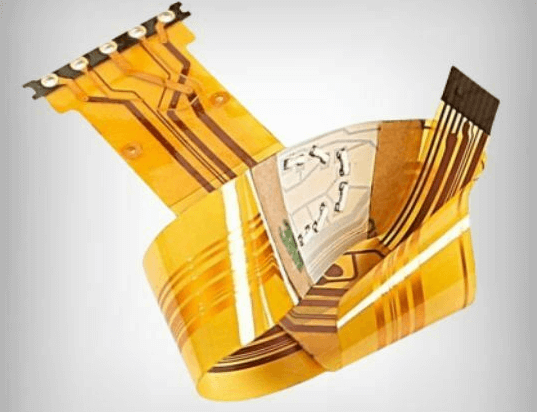
Common Challenges And Solutions In Adhesive Bonding For Flexible PCBs
Adhesive bonding for flexible printed circuit boards (PCBs) presents a unique set of challenges that require specialized solutions to ensure optimal performance and reliability.
One of the primary challenges in this domain is the need for adhesives that can maintain their integrity and functionality under the dynamic conditions that flexible PCBs often encounter. These conditions include bending, twisting, and stretching, which can compromise the bond if the adhesive is not appropriately formulated.
To address these challenges, it is essential to select adhesives that exhibit high flexibility and elasticity.
Traditional adhesives, which are typically rigid, may crack or delaminate when subjected to mechanical stress. Therefore, adhesives designed specifically for flexible PCBs often incorporate elastomeric properties that allow them to stretch and bend without losing their adhesive strength. This flexibility ensures that the electrical connections remain intact, even when the PCB is subjected to repeated mechanical deformation.
Another significant challenge is the thermal stability of the adhesive.
Flexible PCBs are frequently used in applications where they are exposed to varying temperatures, from the high heat of soldering processes to the low temperatures of certain operational environments. Adhesives must be able to withstand these temperature fluctuations without degrading. High-performance adhesives for flexible PCBs are typically formulated to resist thermal cycling, ensuring that they do not become brittle or lose their adhesive properties over time.
In addition to mechanical and thermal considerations, chemical resistance is another critical factor.
Flexible PCBs are often used in environments where they may come into contact with various chemicals, including solvents, oils, and other industrial fluids. Adhesives must be resistant to these substances to prevent degradation and ensure long-term reliability. Advanced adhesive formulations often include chemical-resistant components that protect the bond from exposure to harsh chemicals.
Furthermore, the adhesion process itself can present challenges.
Ensuring a strong bond between the adhesive and the flexible PCB substrate requires careful surface preparation. Contaminants such as dust, oils, and residues can significantly impact the effectiveness of the adhesive. Therefore, thorough cleaning and surface treatment are essential steps in the bonding process. Techniques such as plasma treatment or the application of adhesion promoters can enhance the surface energy of the substrate, leading to improved adhesive performance.
The choice of adhesive also depends on the specific application requirements.
For instance, in high-frequency applications, the dielectric properties of the adhesive become crucial. Adhesives with low dielectric constants and low loss tangents are preferred to minimize signal loss and ensure efficient signal transmission. Similarly, in applications requiring high thermal conductivity, thermally conductive adhesives are used to facilitate heat dissipation and prevent overheating of the PCB components.
Moreover, environmental considerations are increasingly influencing adhesive selection.
With growing emphasis on sustainability, there is a demand for adhesives that are environmentally friendly and comply with regulations such as RoHS (Restriction of Hazardous Substances) and REACH (Registration, Evaluation, Authorization, and Restriction of Chemicals). Manufacturers are developing adhesives that not only meet performance criteria but also adhere to these environmental standards.
In conclusion, adhesive bonding for flexible PCBs involves addressing a range of challenges related to mechanical flexibility, thermal stability, chemical resistance, and application-specific requirements. By selecting the appropriate adhesive and ensuring proper surface preparation, it is possible to achieve reliable and durable bonds that meet the demands of various applications. As technology advances, continued innovation in adhesive formulations will further enhance the performance and reliability of flexible PCBs in diverse and demanding environments.