Advanced Flex Circuit Manufacturers for Cutting-Edge Designs
Key Takeaways
When exploring flexible circuit manufacturers, you’ll find their expertise directly impacts how cutting-edge designs achieve compact, lightweight solutions. These PCB manufacturing companies specialize in balancing PCB manufacturing cost with high-performance outcomes, ensuring your projects stay within budget without compromising durability. By leveraging advanced materials and bendable configurations, they address challenges like space constraints and mechanical stress—critical for industries demanding reliability in harsh environments.
Understanding the PCB manufacturing business helps you identify partners who adhere to rigorous standards, from material selection to precision assembly. For example, industry leaders utilize hybrid rigid-flex designs to optimize circuitry density while minimizing weight—ideal for aerospace or wearable tech. Their focus on innovative fabrication techniques ensures your designs meet both technical and economic benchmarks, making collaboration with skilled manufacturers a strategic advantage in competitive markets.
Flexible Circuits Revolutionizing Electronics Design
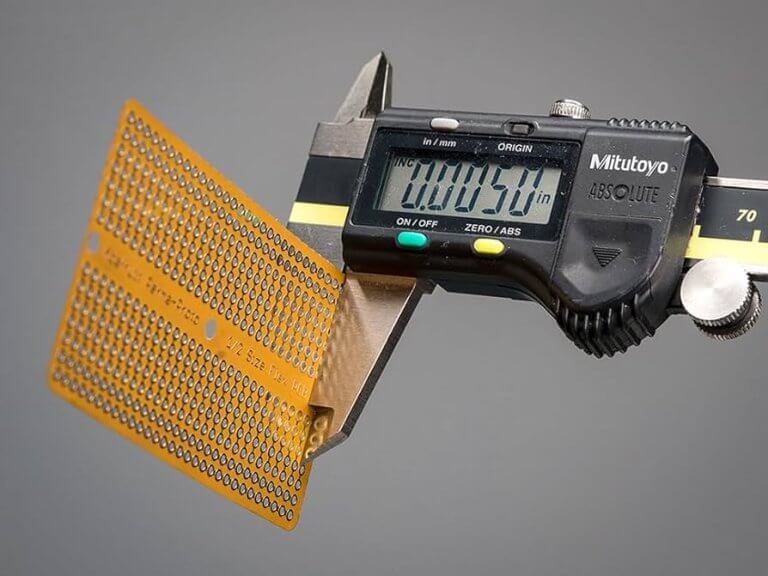
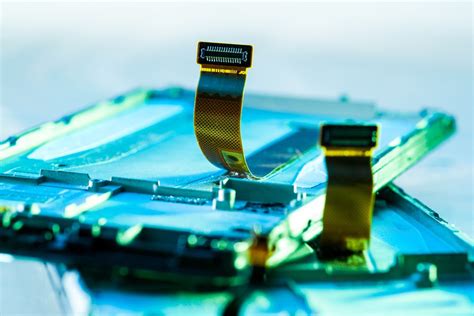
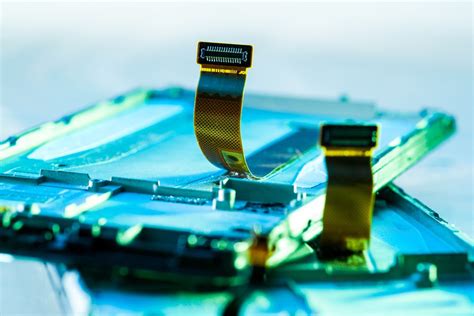
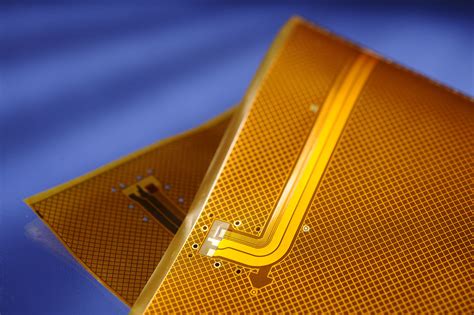
You’ve likely noticed how modern devices demand sleeker, lighter, and more resilient components. This shift is driven by flexible circuits, which replace rigid PCB manufacturing traditions with bendable alternatives that conform to unconventional shapes. Unlike standard boards, these circuits integrate seamlessly into wearables, medical devices, and aerospace systems—where space constraints and durability are non-negotiable.
Leading PCB manufacturing companies now prioritize thin-film substrates and dynamic layering to create circuits that withstand repeated bending without compromising performance. This innovation directly addresses PCB manufacturing cost challenges, as streamlined production processes reduce material waste and assembly steps. By adopting flexible designs, you’re not just minimizing weight but also enhancing reliability in harsh environments—whether it’s extreme temperatures or constant motion.
The evolution of flexible PCB manufacturing business models reflects this demand, with suppliers offering hybrid solutions that merge rigid and flex circuits. This adaptability allows engineers to optimize layouts for signal integrity while maintaining compact footprints. As industries push for smarter, smaller electronics, the ability to customize bend configurations becomes critical—ensuring your designs stay ahead in a competitive landscape.
Bendable PCB Solutions for Space-Saving Designs
When designing compact electronics, PCB manufacturing processes must adapt to meet the demand for lightweight, space-efficient solutions. Bendable PCBs excel here, enabling you to replace rigid boards and bulky wiring with slim, foldable circuits that conform to unconventional shapes. Leading PCB manufacturing companies leverage advanced materials like polyimide films and conductive silver inks to create circuits that withstand repeated bending without compromising electrical performance.
A key advantage lies in reducing PCB manufacturing cost through optimized material usage and simplified assembly. By integrating multiple circuit layers into a single flexible unit, you eliminate connectors and reduce points of failure—ideal for wearables, medical devices, or aerospace systems where every millimeter counts. However, balancing durability with affordability requires partnering with manufacturers experienced in high-yield production and thermal management for bendable designs.
For businesses scaling prototypes to mass production, the PCB manufacturing business model must prioritize precision and scalability. Top suppliers combine automated fabrication with rigorous testing, ensuring circuits meet industry-specific standards for flexibility and longevity. Whether you’re developing foldable smartphones or IoT sensors, bendable PCBs offer a pathway to shrink footprints while maintaining reliability in dynamic environments.
High-Performance Flex Circuits Enhancing Durability
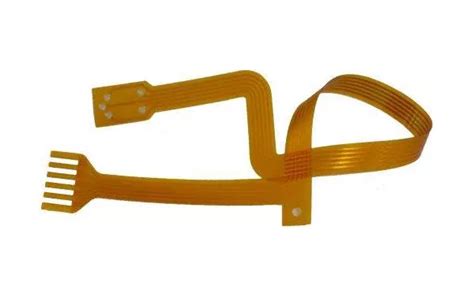
When designing electronics for demanding environments, high-performance flex circuits offer unmatched durability compared to traditional rigid boards. Their ability to withstand repeated bending, vibration, and temperature fluctuations makes them ideal for aerospace, medical devices, and wearable technology. Leading pcb manufacturing companies leverage advanced materials like polyimide and liquid crystal polymer (LCP) to ensure these circuits maintain integrity under stress while minimizing pcb manufacturing cost through optimized production processes.
A critical factor in durability lies in material selection. For example:
| Material | Key Benefit | Common Applications |
|---|---|---|
| Polyimide | Heat resistance up to 400°C | Automotive sensors |
| LCP | Low moisture absorption | High-frequency communication |
| PET (Polyester) | Cost-effective flexibility | Consumer electronics |
By partnering with specialized pcb manufacturing providers, you gain access to tailored solutions that balance performance and pcb manufacturing business scalability. These manufacturers rigorously test circuits for mechanical fatigue and environmental resistance, ensuring they meet industry-specific standards like IPC-6013. Whether you’re developing compact wearables or robust industrial systems, integrating durable flex circuits reduces long-term maintenance and extends product lifespans—key advantages in today’s fast-evolving tech landscape.
Expertise in Customizable Bendable Configurations
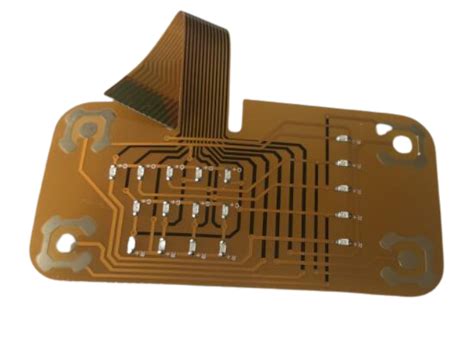
When designing electronics that demand adaptability, working with PCB manufacturing companies that specialize in customizable bendable configurations becomes critical. These manufacturers leverage advanced techniques to create circuits that conform to unique spatial requirements without compromising performance. By integrating materials like polyimide films or conductive silver inks, they ensure flexibility while maintaining signal integrity—even in dynamic environments where repeated bending is inevitable.
A key advantage lies in tailoring PCB manufacturing processes to align with specific design goals. For instance, laser ablation enables precise trace patterning, while adhesive-free laminates reduce thickness for ultra-compact assemblies. This expertise directly impacts PCB manufacturing cost, as optimized workflows minimize material waste and assembly time. However, balancing cost-efficiency with durability requires collaboration between engineers and manufacturers to select the right combination of substrates and conductive layers.
For businesses scaling their PCB manufacturing business, prioritizing partners with proven experience in bendable configurations ensures reliability across applications—from wearable tech to aerospace systems. The ability to iterate designs rapidly, test under real-world conditions, and adhere to stringent tolerances underscores why specialized manufacturers remain indispensable in pushing the boundaries of high-density, lightweight circuitry.
Top Manufacturers Driving High-Performance Innovation
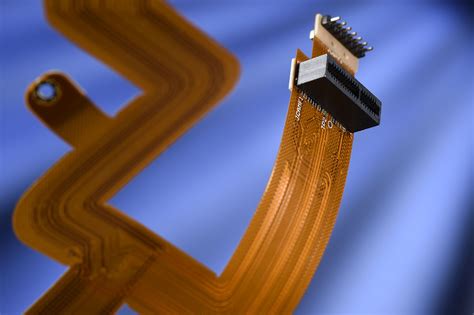
When selecting PCB manufacturing companies for advanced flexible circuits, you need partners that combine technical expertise with scalable production capabilities. Leading manufacturers invest in precision engineering and automated processes to deliver high-density interconnects and ultra-thin substrates, critical for aerospace, medical devices, and wearables. Their ability to optimize PCB manufacturing cost without compromising quality stems from economies of scale and refined workflows—key factors when balancing performance with budget constraints.
Tip: Always verify if your chosen manufacturer offers design-for-manufacturability (DFM) analysis. This step ensures your flex circuit’s bend radius and layer stack-up align with both functional needs and PCB manufacturing business realities.
Innovation thrives when PCB manufacturing integrates cutting-edge materials like polyimide films and liquid crystal polymer (LCP) substrates. These materials enable circuits to withstand extreme temperatures and repetitive flexing—a necessity for applications like foldable displays or robotic systems. By leveraging advanced etching and plating techniques, top-tier manufacturers achieve trace widths under 25 microns, pushing the boundaries of miniaturization.
Collaboration is equally vital. Forward-thinking companies work closely with clients to tailor solutions, whether you’re prototyping a wearable sensor or scaling up automotive electronics production. Their expertise in hybrid rigid-flex designs further bridges the gap between compact layouts and reliability, ensuring your project meets both technical specs and market demands.
Innovative Flex Circuit Materials for Durability
When selecting flexible circuit manufacturers, you’ll want partners who prioritize material innovation to ensure long-term reliability. Modern PCB manufacturing relies on advanced polymers like polyimide and liquid crystal polymer (LCP), which offer unmatched thermal stability and resistance to mechanical stress. These materials enable circuits to bend thousands of times without cracking—critical for wearables, medical devices, or aerospace systems where space and durability are non-negotiable.
Leading PCB manufacturing companies now integrate adhesiveless laminates and ultra-thin copper layers to reduce PCB manufacturing cost while enhancing performance. For example, thermally conductive substrates dissipate heat more efficiently, preventing failures in high-density designs. By leveraging such innovations, manufacturers address the growing demands of the PCB manufacturing business, where clients expect lightweight solutions that survive harsh environments.
Your designs benefit from hybrid rigid-flex configurations, combining traditional FR4 with flexible layers for optimized strength. Transitioning to these materials isn’t just about durability—it’s about future-proofing your electronics against evolving industry standards. Whether you’re scaling prototypes or mass production, partnering with experts who master material science ensures your flex circuits deliver both resilience and precision.
Flex Circuit Manufacturers Meeting Rigorous Standards
When selecting PCB manufacturing companies for advanced flex circuits, you need partners that adhere to industry-leading quality protocols. Leading manufacturers operate under certifications like IPC-6013 and UL 94V-0, ensuring their PCB manufacturing processes meet aerospace, medical, and automotive reliability benchmarks. These standards demand rigorous testing—including thermal cycling, bend endurance assessments, and impedance control—to guarantee circuits withstand extreme environments.
Cost efficiency remains critical in PCB manufacturing business models, but top-tier suppliers balance PCB manufacturing cost with precision engineering. By integrating automated optical inspection (AOI) and laser direct imaging (LDI), they minimize defects while maintaining tight tolerances for high-density interconnects. This approach ensures compliance with RoHS and REACH directives, addressing both performance and environmental requirements.
You’ll also find these manufacturers prioritize material innovation, using polyimide films and adhesive systems optimized for dynamic flexing applications. Their expertise in hybrid rigid-flex designs enables seamless integration with traditional PCB manufacturing workflows, reducing assembly complexity. By aligning with partners that validate every layer through cross-sectional analysis and signal integrity testing, you secure circuits that exceed reliability thresholds without compromising scalability.
Cutting-Edge Designs with Lightweight Circuitry
When optimizing modern electronics, reducing weight without compromising performance is critical. PCB manufacturing companies specializing in flexible circuits achieve this by leveraging ultrathin substrates like polyimide or liquid crystal polymer (LCP), which offer exceptional strength-to-weight ratios. These materials enable designs that conform to tight spaces while maintaining signal integrity—ideal for wearables, aerospace systems, and IoT devices where every gram matters.
Advanced PCB manufacturing techniques, such as laser ablation and additive printing, allow for precision in creating circuitry that’s up to 90% lighter than traditional rigid boards. This innovation directly addresses rising PCB manufacturing cost concerns by minimizing material waste and streamlining assembly processes. For instance, foldable smartphones and medical sensors benefit from dynamic thermal management and reduced mechanical stress, extending product lifespans.
Leading PCB manufacturing business models now prioritize collaboration with R&D teams to tailor solutions for specific weight and durability requirements. By integrating lightweight alloys and hybrid rigid-flex designs, manufacturers ensure your projects meet both performance benchmarks and ergonomic demands. This approach not only future-proofs your designs but also aligns with sustainability goals through energy-efficient production methods.
As industries push for sleeker, more portable devices, the role of specialized PCB manufacturing becomes indispensable. Whether you’re developing automotive sensors or next-gen robotics, lightweight circuitry unlocks possibilities that rigid boards simply cannot match.
Conclusion
As you explore options for next-generation electronics, aligning with skilled flexible circuit manufacturers ensures your designs stay ahead of technological curves. These experts combine bendable configurations with advanced PCB manufacturing techniques to deliver solutions that optimize space, weight, and performance. By collaborating with trusted PCB manufacturing companies, you gain access to scalable production methods that address PCB manufacturing cost challenges without compromising on durability or precision. Whether refining prototypes or scaling production, their expertise in the PCB manufacturing business helps balance innovation with practical constraints like thermal management and signal integrity. This synergy between flexibility and technical rigor allows your projects to meet evolving industry standards while maintaining a competitive edge in markets demanding lighter, smarter, and more resilient electronics.
Frequently Asked Questions
How do flexible circuits integrate with traditional PCB manufacturing processes?
Flexible circuits are built using specialized techniques that differ from rigid PCB manufacturing, but leading PCB manufacturing companies combine both technologies. Advanced manufacturers use hybrid rigid-flex designs, allowing seamless integration while optimizing space and durability for cutting-edge applications.
What factors influence PCB manufacturing cost for flexible circuits?
Material selection, layer count, and bend requirements significantly impact PCB manufacturing cost. While flexible circuits may have higher initial costs due to specialized materials like polyimide films, their long-term benefits in weight reduction and reliability often justify the investment.
How do flexible circuit manufacturers ensure quality in high-stress environments?
Top PCB manufacturing business providers adhere to IPC-6013 standards, testing circuits under extreme temperatures and repetitive bending. They use laser ablation and precision etching to maintain signal integrity, even in dynamic mechanical setups.
Can flexible circuits support high-density designs like traditional PCBs?
Yes. Modern flexible circuit manufacturers leverage microvia drilling and advanced lamination to achieve trace densities comparable to rigid boards. This enables complex, lightweight circuitry for wearables and aerospace systems.
What certifications should I prioritize when choosing a PCB manufacturing company?
Look for ISO 9001, IATF 16949, and UL certifications. These ensure adherence to global quality benchmarks, particularly for medical or automotive applications where failure risks are critical.
Explore Custom Flexible PCB Solutions
For tailored PCB manufacturing services that balance innovation and reliability, please click here to connect with experts specializing in cutting-edge flexible circuit designs.