Advanced PCB Solutions for Smart Heating Technologies
Key Takeaways
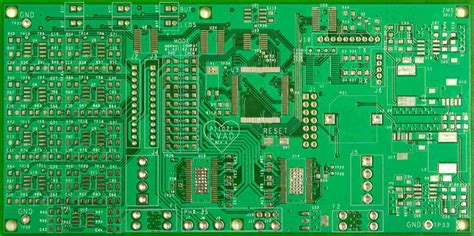
When exploring PCB manufacturing for smart heating systems, you’ll find that precision and integration are non-negotiable. Leading PCB manufacturing companies prioritize designs that balance thermal efficiency with IoT connectivity, ensuring seamless communication between heating controls and smart devices. For boiler and water heater applications, PCB manufacturing cost optimization often hinges on material selection and layered circuitry, which reduce energy waste while maintaining durability in high-temperature environments.
Consider how modern PCB manufacturing business strategies focus on scalability—designs must adapt to regional voltage standards and environmental conditions. For example, IoT-enabled PCBs require embedded sensors and fail-safe protocols to prevent overheating risks. Below is a comparison of critical factors in heating system PCB design:
| Feature | Boiler Control | Water Heater Control |
|---|---|---|
| Temperature Tolerance | Up to 150°C | Up to 90°C |
| IoT Integration | Mandatory | Optional |
| Lifespan Expectancy | 8–12 years | 10–15 years |
By partnering with certified suppliers, you ensure compliance with international safety standards. Advanced trace routing and modular designs further simplify upgrades, making it easier to retrofit older systems with smart controls. Whether optimizing for energy savings or remote monitoring, the right PCB manufacturing approach transforms how heating technologies perform globally.

Smart Heating Control Board Innovations
When designing modern heating systems, you need PCB manufacturing solutions that balance precision with adaptability. Innovations in smart control boards now incorporate real-time thermal monitoring and adaptive load balancing, enabling boilers and water heaters to adjust energy usage based on environmental inputs. Leading PCB manufacturing companies leverage multilayer designs with embedded IoT modules to ensure seamless connectivity—critical for remote diagnostics and firmware updates.
"Optimizing trace routing for thermal stability is non-negotiable in high-power heating applications. Always prioritize materials with low thermal expansion coefficients to prevent board warping."
Managing PCB manufacturing cost requires strategic component placement and standardized protocols like Modbus or Zigbee, which reduce compatibility expenses. For businesses scaling production, partnering with PCB manufacturing business experts ensures compliance with international safety standards while maintaining tight tolerances for sensor integration. Advanced features such as self-diagnostic circuits and fail-safe shutdown mechanisms further enhance system reliability, making these boards indispensable for next-generation smart heating technologies.
IoT Integration in Boiler PCB Design
When integrating IoT capabilities into boiler control systems, PCB manufacturing companies must balance functionality with PCB manufacturing cost constraints. Modern designs incorporate wireless communication modules, temperature sensors, and adaptive algorithms to enable remote monitoring and predictive maintenance. For instance, a smart boiler’s PCB manufacturing process might involve embedding energy-efficient microcontrollers that process real-time data while minimizing power consumption.
To achieve seamless connectivity, engineers prioritize layered stackups and impedance-controlled routing in PCB manufacturing business workflows. This ensures signal integrity for Wi-Fi or Zigbee modules, even in environments with electromagnetic interference. Advanced thermal management techniques—like using high-Tg materials or copper-core substrates—prevent overheating while maintaining compact form factors.
Collaboration between software developers and hardware teams is critical. Firmware updates and cloud integration protocols must align with the physical design tolerances of the control board. By optimizing PCB manufacturing processes for scalability, suppliers can reduce per-unit costs without compromising reliability—a key consideration for global manufacturers deploying IoT-enabled heating solutions across diverse climates.
This approach not future-proofs boiler systems but also creates opportunities for data-driven optimizations, such as adjusting heating cycles based on usage patterns or external weather conditions.
High-Precision Water Heater PCB Solutions
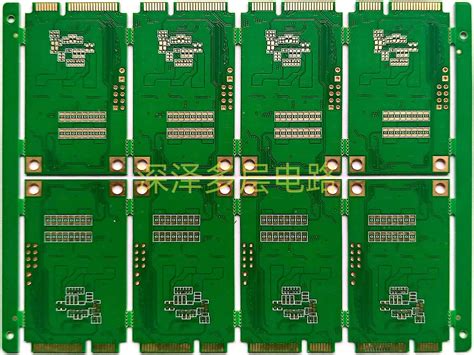
When designing modern water heating systems, PCB manufacturing plays a pivotal role in ensuring reliable performance under demanding conditions. PCB manufacturing companies specializing in thermal management solutions must balance pcb manufacturing cost with the need for robust materials capable of withstanding high temperatures, humidity, and corrosion. Advanced designs incorporate precision temperature sensors and adaptive control algorithms to optimize energy efficiency while maintaining safety standards—critical for applications ranging from residential units to industrial-scale systems.
By leveraging automated assembly techniques and IoT-ready architectures, manufacturers can streamline their pcb manufacturing business processes, reducing production timelines without compromising quality. For instance, multi-layer PCBs with embedded thermal vias enable faster heat dissipation, while modular designs simplify maintenance and upgrades. These innovations not only enhance product longevity but also align with global sustainability goals by minimizing energy waste.
Transitioning to smart heating technologies requires collaboration with partners who understand the nuances of high-density circuitry and signal integrity. Whether retrofitting existing systems or developing new solutions, selecting the right PCB manufacturing partner ensures your water heater controls deliver millisecond-level responsiveness and seamless integration with broader smart home ecosystems. This approach future-proofs your investments while keeping operational costs predictable.
Topband PCB Tech for Global Manufacturers
When scaling PCB manufacturing operations for international markets, precision and adaptability become non-negotiable. Topband’s expertise in IoT-integrated control boards positions them as a strategic partner for PCB manufacturing companies aiming to optimize smart heating systems across diverse regions. Their solutions address critical challenges like thermal management and energy efficiency, while maintaining competitive PCB manufacturing cost structures through streamlined production workflows. By leveraging automated assembly lines and modular designs, they ensure consistent quality—whether you’re producing boiler controls in Europe or water heater systems in Asia.
For global manufacturers, balancing localized compliance standards with unified performance benchmarks is key. Topband’s cross-industry experience enables tailored PCB manufacturing business models, from prototyping to mass production, without compromising on reliability. Their focus on scalable traceability ensures seamless integration with existing IoT platforms, reducing time-to-market for smart heating innovations. By partnering with Topband, you gain access to agile engineering teams adept at navigating regional technical specifications, ensuring your products meet both functional demands and regulatory requirements worldwide. This approach not only enhances operational efficiency but also future-proofs your heating solutions against evolving market needs.

Advanced Heating Systems and PCB Engineering
As you explore modern heating solutions, understanding how PCB manufacturing intersects with thermal management becomes critical. Advanced systems rely on engineered control boards to balance precision heating, energy efficiency, and connectivity. Leading PCB manufacturing companies now integrate IoT-ready sensors and adaptive thermal algorithms into designs, enabling boilers and water heaters to respond dynamically to usage patterns.
Optimizing PCB manufacturing cost requires balancing high-performance materials with scalable production methods. For instance, heat-resistant substrates like polyimide or ceramic-filled laminates ensure durability in high-temperature environments, while automated assembly lines reduce errors. These innovations allow PCB manufacturing business models to cater to both compact residential units and industrial-scale heating infrastructures.
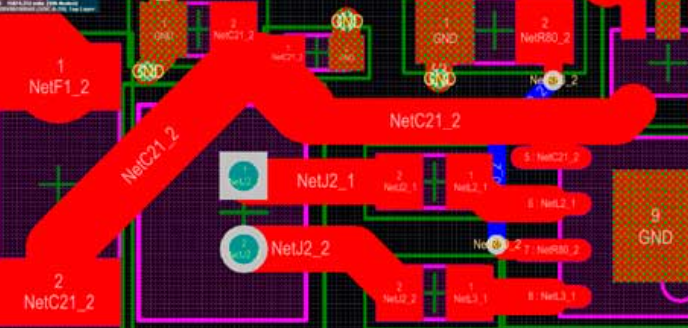
The interplay between thermal load distribution and signal integrity demands meticulous trace routing and layer stacking. Engineers prioritize minimizing electromagnetic interference (EMI) in densely packed boards, ensuring stable communication between heating components and smart home networks. By collaborating with specialized PCB manufacturing partners, developers can achieve designs that meet strict safety certifications while adapting to evolving IoT protocols.
Ultimately, the synergy between heating system innovation and PCB manufacturing expertise drives smarter, more efficient solutions—whether optimizing energy use in residential settings or enabling predictive maintenance in commercial applications.
Boiler Control Board Manufacturing Insights
When designing PCB manufacturing processes for boiler control systems, precision begins with understanding the unique thermal and electrical demands of heating technologies. High-density layouts must accommodate fluctuating temperatures while maintaining signal integrity—a critical factor often addressed through advanced materials like polyimide substrates. Leading PCB manufacturing companies prioritize layer stacking techniques that optimize heat dissipation, ensuring reliable performance in environments where thermal stress can exceed 150°C.
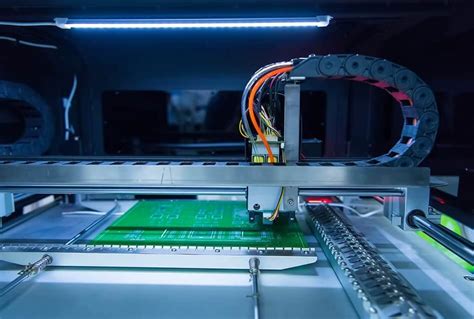
Cost efficiency remains a key consideration, as PCB manufacturing cost hinges on balancing material quality with scalable production methods. For instance, automated optical inspection (AOI) systems minimize defects in multilayer boards, reducing rework expenses. However, integrating IoT-enabled sensors into these boards adds complexity, requiring tighter tolerances during etching and soldering phases.
For businesses in the PCB manufacturing business, collaboration with heating system engineers is essential to align board specifications with application-specific requirements. This includes selecting conformal coatings that resist moisture in humid boiler environments or embedding fail-safes for overcurrent protection. By leveraging modular designs, manufacturers can streamline customization while keeping lead times competitive—a strategic advantage in global markets demanding both reliability and innovation.
Smart Heating IoT Applications in PCBs
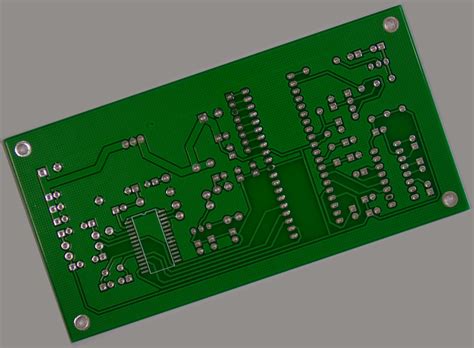
Integrating IoT into heating systems transforms how you interact with devices like boilers and water heaters, enabling real-time monitoring and remote adjustments. At the core of these innovations lies PCB manufacturing, where companies design boards capable of supporting wireless protocols, sensor arrays, and energy optimization algorithms. For instance, temperature-sensitive components on a control board can communicate with cloud platforms to predict maintenance needs or adjust heating cycles automatically.
When selecting PCB manufacturing companies, prioritize those with expertise in high-frequency signal integrity and low-power designs, as these ensure stable IoT connectivity without compromising energy efficiency. However, balancing PCB manufacturing cost becomes critical when scaling production—optimizing layer counts or material choices can reduce expenses while maintaining performance. For businesses in the PCB manufacturing business, offering modular designs allows clients to customize IoT features, such as integrating smart thermostats or occupancy sensors, without redesigning entire boards.
Advanced IoT-enabled PCBs also address security risks inherent in connected systems. Robust encryption modules and isolated communication channels are now standard in boards designed for smart heating, ensuring data privacy alongside operational reliability. By aligning PCB manufacturing strategies with IoT demands, you create solutions that not only enhance user convenience but also comply with global energy standards.
Energy-Efficient PCB Designs for Heat Management
When developing smart heating systems, managing thermal output while minimizing energy waste is critical. PCB manufacturing companies prioritize designs that balance heat dissipation with operational efficiency, leveraging materials like high-thermal-conductivity substrates and low-loss dielectric layers. These choices reduce PCB manufacturing cost by extending component lifespans and cutting cooling requirements. For example, optimized trace routing minimizes resistive heat generation, while layered thermal vias distribute excess energy away from sensitive circuits—key features in modern PCB manufacturing workflows.
Advanced thermal simulation tools allow engineers to model heat distribution patterns before production, ensuring designs meet strict energy standards. This proactive approach not only enhances performance but also aligns with sustainability goals, a growing priority for PCB manufacturing business clients. By integrating dynamic power management circuits, boards can automatically adjust voltage levels based on real-time temperature feedback, further optimizing efficiency.
The interplay between material selection, layout precision, and intelligent circuitry underscores how energy-efficient PCBs serve as the backbone of next-generation heating technologies. Whether for residential boilers or industrial-scale systems, these innovations ensure manufacturers deliver solutions that perform reliably while conserving resources—a competitive edge in today’s eco-conscious markets.
Conclusion
When selecting PCB manufacturing companies for smart heating systems, balancing PCB manufacturing cost with technological precision becomes critical. The right partner not only optimizes your PCB manufacturing business efficiency but also ensures IoT-ready designs that adapt to evolving thermal management demands. By prioritizing high-precision engineering and scalable production workflows, manufacturers can mitigate risks associated with component failures while maintaining competitive pricing.
Advanced PCB manufacturing techniques, such as embedded sensors and multi-layer thermal regulation, enable smarter integration across boiler controls and water heating solutions. These innovations reduce energy waste and enhance system longevity—key factors for global markets demanding reliability. As you evaluate suppliers, consider how their expertise in IoT-enabled architectures aligns with your product roadmap, ensuring seamless upgrades and compliance with international standards.
Ultimately, the strategic choice of a PCB manufacturing collaborator directly impacts your ability to deliver cutting-edge heating technologies. By focusing on partners who blend cost-effective scalability with technical sophistication, you position your solutions at the forefront of the smart heating revolution.
FAQs
How do IoT-integrated PCBs enhance smart heating systems?
By embedding sensors and wireless modules, PCB manufacturing enables real-time temperature adjustments and remote control. These boards optimize energy use while maintaining precision in boiler and water heater operations.
What factors influence PCB manufacturing cost for heating applications?
Material quality, layer complexity, and compliance with thermal management standards drive costs. Reputable PCB manufacturing companies balance affordability with reliability, ensuring boards withstand high-temperature environments.
Why partner with specialized PCB manufacturing business providers for heating systems?
Expert firms like Topband offer industry-specific designs, minimizing failure risks in critical components. Their expertise in high-density layouts ensures compatibility with smart HVAC and IoT architectures.
Can custom PCBs improve energy efficiency in water heaters?
Yes. Advanced PCB manufacturing techniques integrate low-power components and optimized circuitry, reducing standby consumption by up to 30% while maintaining performance.
Explore Tailored Solutions for Your Project
For precision-engineered control boards that align with your PCB manufacturing cost and performance goals, click here to consult with industry specialists.
How do global standards impact boiler PCB designs?
Compliance with international safety certifications (e.g., UL, CE) requires rigorous testing during PCB manufacturing, ensuring fault detection and fire resistance in heating applications.