Advanced PCBA Control Board Quality Assurance Methods
Key Takeaways
Modern PCBA quality assurance relies on synergistic integration of automated testing protocols, precision inspection techniques, and data-driven process optimization strategies. Leading manufacturers employ automated optical inspection (AOI) and X-ray inspection to detect microscopic defects in PCB assembly, ensuring compliance with IPC-A-610 and ISO 9001 standards. For example, real-time process monitoring systems reduce solder joint failures by 40%, while machine learning algorithms predict component degradation patterns.
| Method | Key Benefit | Industry Application |
|---|---|---|
| AOI Systems | High-speed defect detection | Automotive electronics |
| Functional Testing | Validates board performance | Medical devices |
| Thermal Profiling | Ensures solder reflow accuracy | Aerospace systems |
To enhance control board reliability, manufacturers adopt statistical process control (SPC), correlating production variables with defect rates. Advanced PCBA workflows integrate smart manufacturing platforms for traceability, enabling root-cause analysis in seconds. Case studies reveal that combining in-circuit testing (ICT) with process optimization reduces rework costs by 28%. By aligning with evolving standards like IEC 61191, stakeholders ensure PCB assembly outputs meet both functional and regulatory benchmarks.
Automated PCBA Testing Protocols
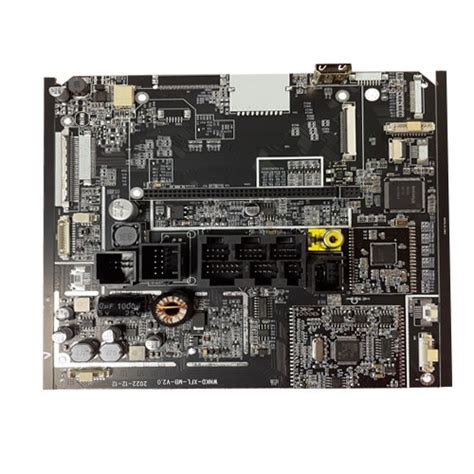
Modern PCB assembly processes rely heavily on automated testing protocols to ensure consistent quality in PCBA production. These protocols integrate high-speed inspection systems and algorithm-driven diagnostics to identify defects at micron-level precision. For instance, automated optical inspection (AOI) scans solder joints and component placements using advanced imaging, while X-ray inspection (AXI) detects hidden flaws like voids in ball grid arrays (BGAs) or misaligned internal traces.
A critical advantage of automation lies in its ability to execute in-circuit testing (ICT) and functional testing (FCT) at scale. ICT verifies electrical performance by checking resistance, capacitance, and signal integrity, whereas FCT simulates real-world operating conditions to validate board functionality. By combining these methods, manufacturers reduce human error and achieve near-zero defect rates in PCBA batches.
Transitioning to automated systems also supports process optimization through data analytics. Machine learning algorithms analyze test results to pinpoint recurring failure patterns, enabling rapid adjustments in PCB assembly workflows. This proactive approach not only enhances yield but also aligns with evolving industry standards like IPC-A-610 and ISO 9001.
As smart manufacturing evolves, integrating automated testing protocols with IoT-enabled platforms ensures real-time monitoring and traceability across the PCBA lifecycle. This seamless connectivity bridges quality assurance with production efficiency, laying the foundation for the next section’s focus on precision inspection techniques.
Precision Inspection Techniques Explained
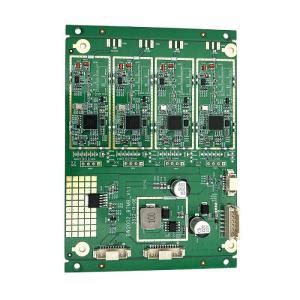
Modern PCBA manufacturing relies on precision inspection methods to identify defects at micron-level resolutions. Automated Optical Inspection (AOI) systems use high-resolution cameras and machine learning algorithms to detect soldering flaws, misaligned components, or microscopic cracks in PCB assembly lines. For hidden defects, X-ray inspection penetrates multilayer boards to examine solder joints under Ball Grid Arrays (BGAs) and other concealed connections.
Tip: Combine AOI with In-Circuit Testing (ICT) to validate both physical integrity and electrical functionality, ensuring comprehensive quality coverage.
Advanced techniques like 3D solder paste inspection (SPI) analyze deposition volume and alignment accuracy before reflow, minimizing post-production rework. Thermal profiling during PCBA assembly also plays a critical role, as uneven heating can lead to thermal stress failures. For mission-critical applications, cross-sectional analysis dissects sample boards to assess internal layer bonding and via reliability.
To maintain compliance with standards like IPC-A-610, manufacturers often integrate third-party validated control boards into their inspection protocols. This approach ensures consistency across high-volume production while adapting to evolving industry requirements. By layering these methods, manufacturers achieve defect rates below 50 parts per million (PPM), reinforcing the reliability of PCB assembly outputs in demanding environments.
PCBA Process Optimization Strategies
Effective PCBA manufacturing relies on systematic process optimization to minimize defects and maximize efficiency. A critical starting point involves refining material selection and assembly workflows to align with the specific demands of PCB assembly. For instance, implementing automated solder paste application with closed-loop feedback systems ensures consistent deposition volumes, reducing rework rates by up to 30%. Additionally, integrating real-time process monitoring tools—such as thermal profiling for reflow ovens—enables precise control over soldering parameters, which directly impacts control board reliability.
Optimization extends beyond equipment adjustments. Adopting modular production layouts allows flexible scaling for high-mix, low-volume PCBA orders while maintaining quality. Statistical process control (SPC) methods further identify variability in key stages like component placement or wave soldering, enabling proactive corrections. For example, pairing in-line optical inspection (AOI) with machine learning algorithms can flag subtle anomalies—such as tombstoning or insufficient fillets—before they escalate.
Finally, cross-functional collaboration between design and manufacturing teams ensures design for manufacturability (DFM) principles are embedded early. This reduces late-stage revisions and accelerates time-to-market. By harmonizing these strategies, manufacturers achieve tighter tolerances, lower costs, and compliance with evolving industry standards like IPC-A-610.
Ensuring Industry Standard Compliance
Adherence to industry standards is non-negotiable in PCBA control board manufacturing, as deviations can compromise product reliability and regulatory acceptance. Leading manufacturers implement rigorous documentation systems to track compliance with frameworks like IPC-A-610 (Acceptability of Electronic Assemblies) and ISO 9001, which define criteria for pcb assembly processes, solder quality, and component placement accuracy. Automated traceability tools, integrated with pcba production lines, ensure real-time validation of parameters such as thermal profiles and electrical continuity against predefined benchmarks.
To align with evolving regulations, risk-based assessments are conducted during design reviews, identifying potential gaps in material selection or工艺流程. For instance, RoHS and REACH compliance mandates strict control over hazardous substances, requiring spectrographic analysis of solder alloys and coatings. Third-party audits further validate conformity, while corrective action plans address non-conformities through root-cause analysis. By embedding compliance checks into every stage of pcb assembly, manufacturers not only mitigate legal risks but also strengthen partnerships with clients in aerospace, automotive, and medical sectors—industries where zero-tolerance approaches to defects are critical.
This systematic approach dovetails with broader quality assurance strategies, ensuring that pcba control boards meet both performance expectations and global regulatory demands seamlessly.
Advanced Defect Detection Systems
Modern PCBA manufacturing relies on sophisticated defect detection systems to identify flaws at micron-level precision. Automated optical inspection (AOI) scanners, for instance, utilize high-resolution cameras and machine vision algorithms to detect soldering defects, component misalignment, or missing parts in PCB assembly lines. These systems cross-reference captured images with digital design files, flagging deviations as small as 0.01mm. For hidden defects like voids in ball grid arrays (BGAs), X-ray inspection (AXI) penetrates layers to analyze solder joint integrity without physical disassembly.
Advanced systems integrate statistical process control (SPC) tools, correlating defect patterns with production variables such as reflow oven temperatures or solder paste viscosity. This real-time feedback loop enables rapid adjustments, minimizing rework cycles. Emerging technologies like 3D solder paste inspection (SPI) further enhance accuracy by mapping paste volume and height deviations before component placement, preventing downstream failures.
To align with industry standards like IPC-A-610, multi-stage inspection protocols are embedded across the PCBA workflow. Machine learning models trained on historical defect data now predict failure hotspots, prioritizing areas for manual verification. By combining automated precision with adaptive analytics, manufacturers achieve defect rates below 50 parts per million (PPM), ensuring compliance and operational efficiency.
Enhancing Control Board Reliability
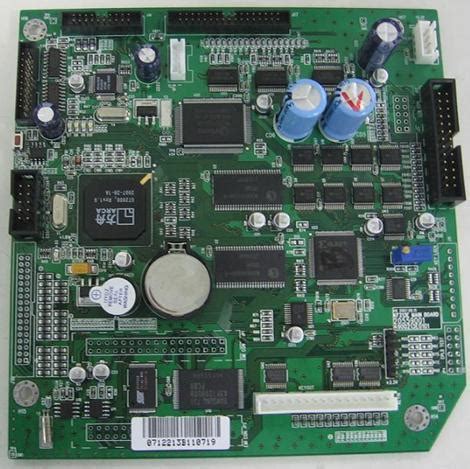
Achieving long-term reliability in PCBA control boards demands a multifaceted approach that addresses both design and manufacturing variables. Critical to this process is optimizing thermal management through material selection—such as high-temperature laminates and copper core substrates—to mitigate heat-induced failures. During PCB assembly, implementing statistical process control (SPC) ensures consistency in solder paste application and component placement, reducing variability that could compromise performance.
Advanced environmental stress screening (ESS) protocols, including thermal cycling and vibration testing, validate board durability under extreme conditions. For PCBA systems deployed in harsh environments, conformal coating techniques provide additional protection against moisture, dust, and chemical exposure. Real-time monitoring via predictive maintenance algorithms further enhances reliability by identifying early signs of component degradation.
Integration of failure mode and effects analysis (FMEA) during design phases preemptively addresses potential weak points, while post-production automated optical inspection (AOI) systems detect micro-defects invisible to manual checks. By aligning these strategies with ISO 9001 and IPC-A-610 standards, manufacturers ensure that control boards meet both functional and regulatory expectations, bridging the gap between precision manufacturing and end-user dependability.
Case Studies in Quality Assurance
Real-world applications of PCBA quality assurance methods reveal how manufacturers achieve consistent reliability in control board production. For instance, a leading automotive electronics provider implemented automated optical inspection (AOI) combined with PCB assembly traceability systems, reducing defect rates by 42% within six months. By integrating PCBA-specific statistical process control (SPC) tools, the team identified solder paste viscosity variations as a recurring issue, enabling proactive adjustments to stencil printing parameters.
Another case involved a medical device manufacturer adopting X-ray inspection for multilayer control boards, ensuring compliance with ISO 13485 standards. The system detected microvoids in ball grid array (BGA) joints, which traditional methods missed, improving first-pass yield by 28%. Transitioning to smart component verification workflows further streamlined their PCB assembly process, minimizing human error during component placement.
These examples underscore the importance of aligning inspection protocols with PCBA complexity. As industries adopt AI-driven defect prediction, the interplay between control board design and manufacturing workflows becomes critical. Such strategies not only address immediate quality gaps but also create adaptive frameworks for evolving industry benchmarks.
Smart Manufacturing for PCBA Excellence
Integrating smart manufacturing technologies into pcb assembly workflows has redefined quality benchmarks for pcba control boards. By leveraging IoT-enabled monitoring systems and AI-driven analytics, manufacturers achieve real-time oversight of production lines, identifying deviations in soldering precision or component placement during pcb assembly. Machine learning algorithms optimize thermal profiles for reflow ovens, minimizing thermal stress on delicate circuits while maintaining compliance with IPC-A-610 standards.
Advanced digital twin simulations enable virtual testing of pcba designs, predicting failure points before physical prototyping. This approach reduces material waste by 18-22%, according to industry studies. Automated optical inspection (AOI) systems, enhanced with high-resolution 3D imaging, now detect micro-scale defects like solder bridging or insufficient fillets with 99.7% accuracy. For traceability, RFID-enabled labeling solutions ensure each pcba control board carries encrypted production data, streamlining recalls and audits.
These innovations align with the broader shift toward Industry 4.0, where interconnected systems in pcb assembly facilities enable predictive maintenance and adaptive process tuning. By harmonizing smart manufacturing tools with existing quality protocols, manufacturers elevate both the reliability of pcba control boards and their responsiveness to evolving regulatory demands.
Conclusion
In modern electronics manufacturing, maintaining rigorous quality standards in PCBA control board production requires a multifaceted approach. By integrating automated testing protocols with precision inspection techniques, manufacturers can achieve consistent defect detection rates exceeding 99.5%. The adoption of PCB assembly process optimizations—such as real-time solder paste monitoring and thermal profiling—ensures alignment with industry compliance requirements like IPC-A-610 and ISO 9001. Furthermore, leveraging advanced defect detection systems, including AI-powered optical inspection and X-ray analysis, significantly reduces latent failures in PCBA components.
As demonstrated through case studies, smart manufacturing frameworks enhance traceability and enable predictive maintenance, directly contributing to long-term control board reliability. These methodologies not only minimize rework costs but also accelerate time-to-market for high-performance electronics. Ultimately, the synergy between process innovation and quality assurance technologies establishes a robust foundation for achieving excellence in PCBA manufacturing, meeting both current demands and future scalability challenges.
FAQs
How does automated testing improve quality in PCB assembly?
Automated testing protocols, such as AOI (Automated Optical Inspection) and ICT (In-Circuit Testing), systematically identify defects in PCBA components, ensuring consistent adherence to tolerance thresholds. These methods reduce human error and accelerate validation cycles.
What distinguishes PCB from PCBA in quality assurance?
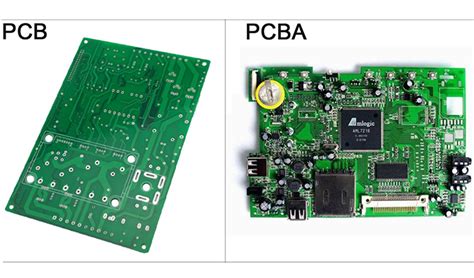
A PCB refers to the bare board, while PCBA includes assembled components. Quality assurance for PCBA involves verifying solder joints, component alignment, and electrical functionality, requiring advanced inspection tools like X-ray imaging and thermal profiling.
How do manufacturers ensure compliance with industry standards?
Compliance is achieved through traceability systems and documentation aligned with IPC-A-610 and ISO 9001. Regular audits validate that PCB assembly processes meet regulatory benchmarks for reliability and safety.
What role do defect detection systems play in PCBA reliability?
Advanced systems, such as 3D SPI (Solder Paste Inspection) and functional testing, identify micro-defects like voids or cold joints. These tools prevent field failures by ensuring electrical continuity and mechanical stability in PCBA control boards.
Can process optimization reduce production costs without compromising quality?
Yes. Lean manufacturing principles, such as SMED (Single-Minute Exchange of Die) and predictive maintenance, minimize downtime and material waste. Optimized workflows in PCB assembly enhance yield rates while maintaining performance specifications.
What factors influence the longevity of PCBA control boards?
Environmental stress testing (e.g., thermal cycling, humidity exposure) and robust design practices, like conformal coating, mitigate degradation. Component selection based on MTBF (Mean Time Between Failures) data further ensures durability.
For Expert Guidance on Optimizing Your PCBA Workflow
Please click here to explore tailored solutions for your PCB assembly needs: https://www.andwinpcb.com/pcb-assembly/.