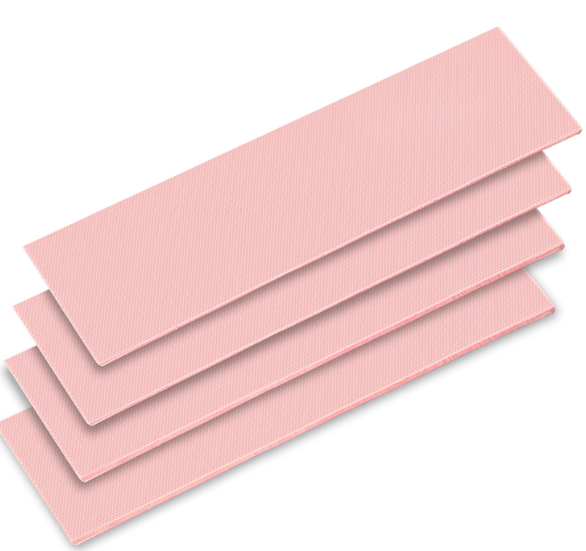
Advanced Thermal Solutions: Expert IMS PCB Manufacturers

Key Takeaways
When selecting PCB manufacturing partners for advanced thermal solutions, understanding the interplay between thermal performance and PCB manufacturing cost becomes critical. Leading PCB manufacturing companies specializing in insulated metal substrate (IMS) technologies optimize heat dissipation while maintaining cost-efficiency—a balance vital for industries like automotive and aerospace. These firms leverage high-density designs and metal-core substrates to address thermal challenges, ensuring reliability in extreme environments.
For businesses managing a PCB manufacturing business, rapid prototyping capabilities and high-mix, low-volume production flexibility are non-negotiable. This requires expertise in precision assembly and adherence to stringent quality standards, particularly for medical or aerospace applications. By partnering with specialized manufacturers, you gain access to tailored thermal management strategies that minimize long-term operational risks without inflating upfront expenses.
Moreover, understanding how PCB manufacturing companies mitigate thermal expansion and electrical interference can directly impact your project’s success. Whether optimizing thermal vias or selecting copper-core materials, these solutions ensure durability while keeping PCB manufacturing cost predictable—a key consideration for scaling production across critical sectors.
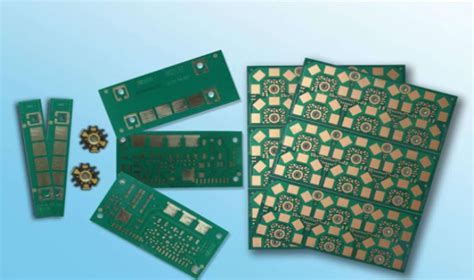
Thermal Management in PCB Manufacturing
Effective thermal management is the cornerstone of reliable electronics, especially when working with high-power applications. In PCB manufacturing, managing heat dissipation directly impacts performance and longevity. Why does this matter? Components like LEDs, power converters, or automotive control systems generate significant heat, and without proper thermal pathways, failures become inevitable. This is where PCB manufacturing companies leverage advanced materials like insulated metal substrates (IMS) or metal-core designs to channel heat away from critical areas.
For instance, traditional FR-4 boards struggle with thermal conductivity (https://www.andwinpcba.com) highlights how metal-core designs outperform standard substrates in high-stress environments.
| Feature | Traditional PCB | IMS PCB |
|---|---|---|
| Base Material | FR-4 | Aluminum Core |
| Thermal Conductivity | 0.3 W/mK | 220 W/mK |
| Typical Applications | Consumer Electronics | Automotive, Aerospace |
Balancing thermal efficiency with PCB manufacturing business requirements means optimizing layer stacks, copper weights, and dielectric materials. You’ll find that partnering with specialists ensures designs meet industry-specific thermal thresholds without over-engineering. Whether you’re prototyping or scaling production, prioritizing heat management early avoids costly redesigns and aligns with performance benchmarks.

Expert IMS PCB Manufacturing Solutions
When selecting PCB manufacturing companies for insulated metal substrate (IMS) solutions, you need partners who understand the delicate balance between thermal performance and design complexity. Modern PCB manufacturing processes for IMS require specialized expertise in handling metal-core substrates, which excel at dissipating heat in high-power applications like LED systems or electric vehicle controls. Leading providers optimize PCB manufacturing cost by leveraging advanced laser drilling and precision etching techniques, ensuring minimal material waste while maintaining strict thermal conductivity standards.
Tip: Always verify if your manufacturer uses automated optical inspection (AOI) systems for IMS layers—this reduces defect rates in critical thermal interface areas.
For businesses scaling their PCB manufacturing business, high-mix production capabilities are essential. Look for partners offering design-for-manufacturability (DFM) feedback to avoid costly revisions, especially when integrating thick copper layers or complex via structures. Aerospace and medical sectors particularly benefit from manufacturers combining ISO-certified processes with rapid prototyping, enabling faster iteration cycles without compromising the thermal reliability that IMS PCBs demand. By aligning your requirements with a manufacturer’s expertise in thermal management and material science, you ensure solutions that withstand extreme operational environments while controlling long-term production expenses.
Rapid Prototyping for Critical Industries
When time-sensitive innovation meets mission-critical applications, PCB manufacturing becomes more than just production—it’s a strategic enabler. For industries like automotive, aerospace, and medical devices, delays in prototyping can cascade into costly setbacks. Leading PCB manufacturing companies address this by integrating quick-turn processes with precision engineering, ensuring prototypes mirror final product performance. By leveraging advanced design software and automated assembly lines, they compress timelines without compromising on thermal reliability or material integrity.
Balancing PCB manufacturing cost with quality is pivotal. For low-volume, high-complexity projects, specialized firms optimize material selection—such as high-performance metal-core substrates—to reduce waste while maintaining compliance with stringent industry standards. This approach ensures that even in high-mix environments, your prototypes meet functional requirements and regulatory benchmarks.
In the PCB manufacturing business, agility is non-negotiable. Whether refining a medical sensor or testing aerospace-grade circuits, rapid iteration cycles supported by real-time testing protocols help you validate designs faster. Partnering with experts who prioritize thermal management early in prototyping minimizes redesigns, accelerating your path from concept to certification. The result? Solutions that align with your timelines, budgets, and the uncompromising demands of critical sectors.
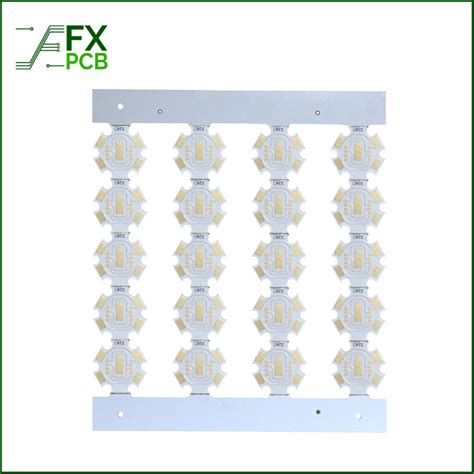
Metal-Core PCBs in Aerospace Applications
When designing electronics for aerospace systems, managing extreme thermal conditions is non-negotiable. PCB manufacturing processes for these applications must prioritize materials that dissipate heat efficiently while maintaining structural integrity under stress. Metal-core PCBs, with their aluminum or copper substrates, excel here by redirecting heat away from sensitive components—critical for avionics, navigation systems, and onboard sensors exposed to rapid temperature fluctuations.
Specialized PCB manufacturing companies leverage advanced bonding techniques to ensure coefficient of thermal expansion (CTE) compatibility between metal cores and dielectric layers. This prevents delamination during high-altitude operations or re-entry scenarios. While PCB manufacturing cost for aerospace-grade metal-core boards can be higher than standard FR4 alternatives, the trade-off lies in reliability: reduced failure rates justify the investment in mission-critical environments.
Your choice of partner matters. Firms experienced in the PCB manufacturing business understand stringent aerospace certifications like AS9100 and employ rigorous testing protocols for thermal cycling, vibration resistance, and signal integrity. For instance, metal-core designs often integrate embedded heat sinks or thermal vias to enhance cooling without adding bulk—key for weight-sensitive aerospace applications. By balancing performance with PCB manufacturing cost, you ensure systems meet both technical and budgetary demands.
Medical Device PCB Assembly Expertise
When designing medical devices, PCB manufacturing must meet stringent reliability standards to ensure patient safety and regulatory compliance. Specialized PCB manufacturing companies leverage metal-core substrates and advanced thermal management techniques to address the unique challenges of medical electronics—such as prolonged operation in compact, heat-sensitive environments. By optimizing PCB manufacturing cost through material selection and process efficiency, these providers deliver high-performance boards capable of withstanding sterilization cycles, moisture exposure, and continuous monitoring demands.
The PCB manufacturing business for medical applications often requires high-mix, low-volume production capabilities, paired with rigorous testing protocols like IPC-A-610 Class 3. You’ll find that leading manufacturers integrate quick-turn assembly with traceability systems to meet FDA and ISO 13485 requirements, ensuring every board aligns with lifecycle-critical specifications. Whether it’s implantable devices or diagnostic equipment, seamless collaboration between design engineers and fabrication experts ensures thermal stability, signal integrity, and long-term durability—cornerstones of modern medical electronics.
Automotive Thermal Solutions with IMS
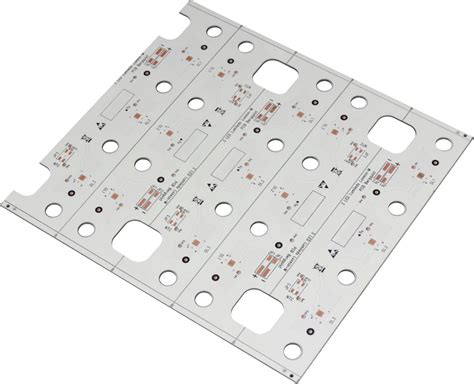
When designing electronic systems for modern vehicles, managing heat efficiently becomes critical to ensuring reliability and longevity. Thermal runaway in automotive electronics can lead to component failure, safety risks, and costly recalls. This is where PCB manufacturing companies specializing in Insulated Metal Substrate (IMS) technology provide tailored solutions. By integrating metal-core layers, IMS PCBs excel at dissipating heat from high-power components like LED lighting systems, battery management modules, and engine control units.
The PCB manufacturing cost for automotive-grade IMS boards is optimized through advanced production techniques, such as laser-drilled vias and precision etching, ensuring consistent thermal performance under extreme temperatures. For electric vehicles (EVs), where heat management directly impacts range and efficiency, partnering with expert PCB manufacturing firms ensures designs meet stringent automotive standards like AEC-Q100.
In a competitive PCB manufacturing business, rapid prototyping and scalability are essential. Leading manufacturers offer quick-turn assembly services, enabling automakers to test and refine thermal solutions without delaying production cycles. Whether you’re addressing heat in infotainment systems or power electronics, IMS PCBs deliver the thermal conductivity and mechanical stability required for next-generation automotive applications.
High-Mix Low-Volume Production Capabilities
When your project demands specialized PCB manufacturing for niche applications, high-mix low-volume production becomes critical. Unlike mass-produced boards, this approach prioritizes flexibility, allowing PCB manufacturing companies to handle diverse designs without compromising quality. Whether you’re developing prototypes for medical devices or custom thermal solutions for aerospace systems, this capability ensures your unique specifications are met with precision.
Advanced manufacturers optimize workflows to minimize PCB manufacturing cost while maintaining rigorous standards. By leveraging automated assembly lines and modular processes, they scale production efficiently—even for batches as small as 10-100 units. This is particularly valuable in sectors like automotive or defense, where rapid iterations and strict compliance are non-negotiable.
For businesses balancing innovation with budget constraints, partnering with a PCB manufacturing business that excels in high-mix operations ensures faster time-to-market. You gain access to tailored solutions—from complex multilayer designs to metal-core PCBs—without the overhead of large-scale orders. The result? A seamless bridge between prototyping and full-scale production, empowering you to adapt swiftly to evolving industry demands.
Precision Thermal Solutions for Electronics
When designing high-performance electronic systems, managing heat dissipation isn’t just an afterthought—it’s a critical factor in ensuring reliability and longevity. PCB manufacturing processes that prioritize thermal efficiency, such as insulated metal substrate (IMS) designs, enable components to operate at optimal temperatures even under demanding conditions. Leading PCB manufacturing companies leverage advanced materials like aluminum or copper cores to create metal-clad boards that channel heat away from sensitive components, reducing the risk of overheating and failure.
Balancing PCB manufacturing cost with performance requires expertise in material selection and layer optimization. For instance, thinner dielectric layers in IMS PCBs improve thermal conductivity without significantly increasing production expenses—a key consideration for startups or enterprises managing a PCB manufacturing business with tight budgets. Transitioning from traditional FR-4 boards to metal-core solutions can also minimize long-term maintenance costs, especially in applications like power converters or LED lighting, where thermal stress accelerates wear.
By collaborating with specialists who understand both thermal dynamics and scalable production, you ensure your designs meet stringent performance benchmarks while staying economically viable. This approach not only aligns with the needs of high-stakes industries but also positions your projects at the forefront of innovation in electronics thermal management.
Conclusion
When selecting a partner for PCB manufacturing, it’s critical to prioritize expertise in thermal management and material innovation. Leading PCB manufacturing companies specialize in balancing PCB manufacturing cost with performance, particularly for high-stakes industries like aerospace and medical technology. By leveraging advanced metal-core PCB solutions, these providers ensure reliability in environments where temperature fluctuations threaten device integrity.
For businesses scaling their PCB manufacturing business, rapid prototyping and high-mix, low-volume capabilities become indispensable. Whether optimizing automotive thermal systems or refining medical device assemblies, the right manufacturer streamlines production while maintaining rigorous quality standards. This approach not only accelerates time-to-market but also future-proofs your investments against evolving technical demands.
Ultimately, the success of your project hinges on aligning with a partner who understands the interplay between precision engineering and operational efficiency. By focusing on industry-specific challenges and advanced material science, you secure solutions that elevate both performance and durability—cornerstones of modern PCB manufacturing.
FAQs
How do PCB manufacturing processes address thermal challenges in high-performance applications?
Advanced PCB manufacturing companies integrate metal-core substrates and specialized dielectric materials to dissipate heat efficiently. This approach ensures optimal performance in demanding environments like automotive or aerospace systems.
What factors influence PCB manufacturing cost for IMS solutions?
Material selection, layer count, and thermal requirements significantly impact costs. Partnering with experienced PCB manufacturing business providers helps balance budget constraints with performance needs, especially for low-volume, high-mix production runs.
Why choose specialized manufacturers for medical or aerospace metal-core PCBs?
Industries with stringent reliability standards require ISO-certified processes and traceable materials. Expert manufacturers implement rigorous testing protocols to meet regulatory compliance, ensuring consistent quality in critical applications.
How quickly can prototypes be delivered for urgent projects?
Leading providers offer 5-7 day turnaround times for prototype PCB manufacturing, leveraging automated design verification and in-house assembly capabilities. This agility supports rapid iteration cycles for R&D teams.
Explore Custom Thermal Solutions for Your Project
For tailored PCB manufacturing services combining precision thermal management and fast-track production, please click here to consult with engineering specialists.
What certifications should you prioritize when selecting a manufacturer?
Look for ISO 9001, IATF 16949, or AS9100D certifications, depending on your industry. These validate a PCB manufacturing business’s ability to maintain quality controls across design, fabrication, and testing phases.