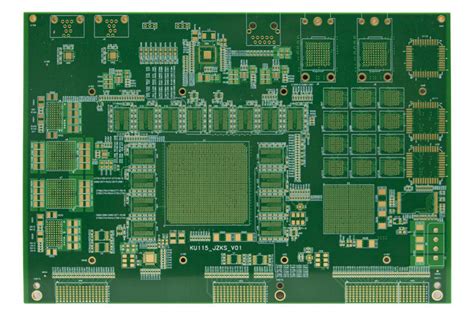
Advancements in Aerospace PCB Assembly for Enhanced Performance
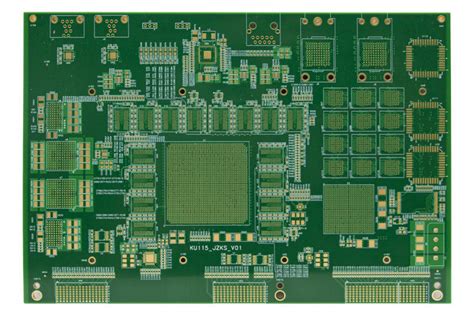
Key Takeaways
Aerospace PCB assembly has undergone significant advancements that are reshaping the industry. These developments focus on enhancing the performance, reliability, and efficiency of PCBA processes. One of the most notable innovations includes the integration of advanced materials that not only reduce weight but also improve thermal management, which is crucial for handling the extreme conditions in aerospace applications. Furthermore, emerging technologies in aerospace PCB design are now facilitating more complex circuit layouts, enabling manufacturers to pack functionality into smaller footprints, thereby optimizing space in aircraft systems.
Innovative manufacturing processes for PCB assembly, such as automated pick-and-place systems and fine-pitch assembly techniques, are enhancing production efficiency and accuracy. These tools help ensure that every component is positioned correctly, leading to higher quality and reduced error rates in assembled boards. Additionally, rigorous reliability testing has become standard practice to ensure that each PCBA can withstand the high-stress environments typical of aerospace operations.
These key takeaways illustrate how integrating new technologies and manufacturing practices can significantly impact the future of aviation. As aerospace companies continue to prioritize reliability and performance in their designs, the ongoing evolution of PCB assembly processes will play a crucial role in meeting these demands while fostering innovation. This focus on advanced capabilities not only enhances current aerospace systems but also paves the way for next-generation aircraft designs that depend heavily on superior PCBA solutions.
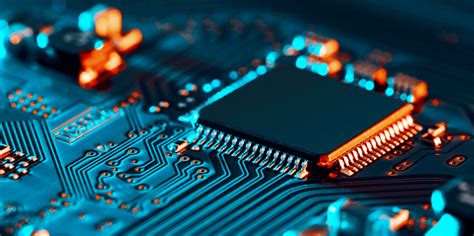
Introduction to Aerospace PCB Assembly: Importance and Impact
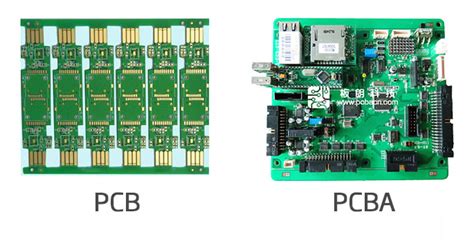
The field of aerospace PCB assembly plays a pivotal role in the advancement of aviation technology and systems. As the aerospace industry continues to push the boundaries of performance and reliability, the significance of printed circuit board assembly (PCBA) becomes increasingly apparent. The intricate designs and robust assembly processes associated with PCBA are essential for ensuring that electronic components can withstand the rigorous demands of aerospace applications, including extreme temperatures, vibrations, and radiation exposure.
With innovations in design methodologies and materials science, modern pcb assembly techniques enhance not only the performance but also the durability of aerospace systems. The integration of lightweight materials and advanced soldering techniques are just a few examples that contribute to reducing overall weight while improving functionality. Reliability is paramount; without it, our safety in flight could be compromised.
“Quality assurance in aerospace PCBs is not just a benchmark; it’s a necessity for operational success.”
To illustrate the impact further, consider this table that outlines key factors influencing aerospace PCB assembly:
| Factor | Impact on Performance |
|---|---|
| Material Selection | Influences signal integrity and durability |
| Design Complexity | Affects manufacturability and repairability |
| Soldering Techniques | Determines joint strength under extreme conditions |
| Testing Protocols | Ensures compliance with stringent industry standards |
Through continuous investment in these innovative manufacturing processes, companies can ensure that their assemblers are equipped to meet current demands while adapting to future technological challenges. As these advancements unfold, they not only shape individual systems but also propel the entire aerospace sector into a new era defined by enhanced safety, efficiency, and reliability.
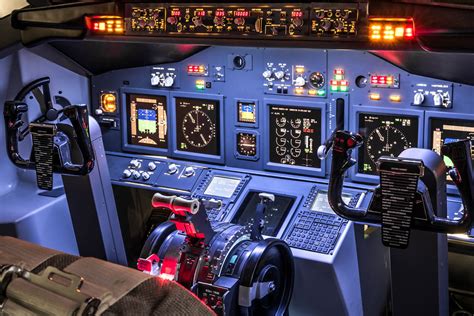
Emerging Technologies in Aerospace PCB Design
The landscape of pcb assembly in the aerospace industry is rapidly evolving, with several emerging technologies setting the stage for remarkable advancements. One of the most noteworthy innovations is the integration of advanced manufacturing techniques such as additive manufacturing, which allows for the creation of more complex and lightweight structures within pcba. This technique not only contributes to weight reduction but also enhances design flexibility, enabling engineers to optimize performance capabilities.
Additionally, automation in pcb assembly processes has improved precision and efficiency, minimizing human errors and ensuring higher quality outputs. This shift to automated systems aligns with the industry’s push for more reliable and robust pcba solutions that can withstand the rigorous conditions of aerospace environments. Another significant development is the incorporation of high-frequency materials, which enable better signal integrity and reduced electromagnetic interference, crucial for maintaining operational reliability.
Furthermore, advancements in software tools used for pcb design are facilitating more sophisticated simulations and modeling capabilities. These tools help engineers visualize potential performance issues early in the design phase, thereby allowing for proactive adjustments to be made before production begins. As these technologies continue to mature, they will undoubtedly impact not only the efficiency and reliability of aerospace applications but also contribute to lower costs and shorter development timelines. In summary, the synergy between these emerging technologies is poised to redefine pcb assembly practices in aerospace engineering, ultimately leading to enhanced performance across a variety of aviation platforms.
Innovative Manufacturing Processes for PCB Assembly
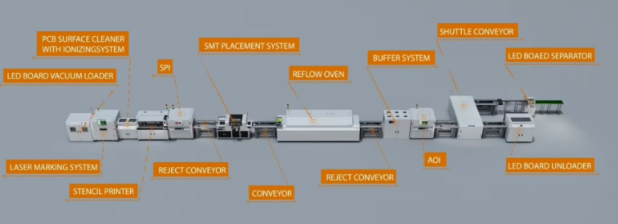
The field of pcb assembly in the aerospace industry has witnessed remarkable advancements in recent years, significantly enhancing the overall quality and performance of printed circuit boards (PCBs). At the heart of these innovations are new manufacturing processes that optimize production efficiency while maintaining rigorous standards. Enhanced automation technologies are now employed to streamline assembly lines, utilizing robotics and computer-controlled systems to improve accuracy and reduce human error. These processes not only minimize production costs but also allow for greater scalability, enabling manufacturers to meet the increasing demand for high-performance aerospace systems.
Furthermore, new techniques such as laser direct imaging and automated optical inspection (AOI) have revolutionized quality control in pcba. These methods ensure that every single component is meticulously placed and verified, drastically reducing the likelihood of malfunctions during critical flight operations. As a result, the reliability of aerospace electronics has seen a commendable boost. Moreover, industry leaders are now focusing on adopting eco-friendly fabrication methods that not only reduce waste but also align with global sustainability goals—an essential consideration in today’s aviation sector.
In summary, these innovative manufacturing processes for pcb assembly are paving the way for more reliable and efficient aerospace applications. As technology progresses, it is clear that such advancements will continue to shape the future landscape of aviation with an emphasis on performance and safety.
Enhancing Performance through Advanced Materials
In the dynamic world of aerospace PCB assembly (PCBA), the utilization of advanced materials plays a pivotal role in enhancing overall performance and reliability. The integration of lightweight materials such as polyimide and ceramic composites helps to reduce the weight of Printed Circuit Boards (PCBs), which is crucial for maintaining fuel efficiency and increasing payload capacity in aerospace applications. These advanced materials not only exemplify exceptional thermal stability but also exhibit robust mechanical properties that withstand the harsh environments encountered at high altitudes.
Furthermore, the use of high-frequency laminates ensures optimal signal integrity, which is essential for communication and navigation systems within aircraft. Innovations in conductive inks and advanced soldering techniques also improve the durability of connections on PCBs, minimizing the risk of mechanical failure. As manufacturers explore new coatings designed to resist corrosion and environmental degradation, we see marked improvements in the longevity of pcb assembly projects.
Adopting these innovative materials leads to enhanced performance metrics such as reduced electromagnetic interference (EMI) and increased operational lifespan of electronic components. Continuous research into bio-compatible materials is paving the way for even more revolutionary applications in aerospace technology, transitioning from traditional manufacturing processes to smart PCBA solutions that promote effective monitoring and real-time data collection.
In summary, harnessing these advanced materials within aerospace PCB assembly not only enhances efficiency but also sets a foundation for future advancements in aerospace technologies, ensuring safer and more reliable aircraft operations as we advance into a new era of aviation.
Reliability Testing and Quality Assurance in Aerospace PCBs
In the aerospace industry, the stakes are incredibly high when it comes to reliability and performance. PCB assembly or PCBA for aerospace applications must adhere to stringent safety and reliability standards. This begins with comprehensive reliability testing, which plays a vital role in ensuring that every component can withstand the challenging conditions of flight, including extreme temperatures, pressure variations, and vibration. Advanced testing methods, like thermal cycling and vibration testing, are employed to mimic real-world conditions that aerospace devices may encounter. Moreover, implementing robust quality assurance processes throughout the PCBA lifecycle is paramount in identifying potential faults early in production. Such processes often include automated optical inspection (AOI) and x-ray computed tomography (CT) scanning to detect defects not easily visible to the naked eye. By focusing on these stringent testing and quality assurance protocols, manufacturers can significantly enhance the reliability of aerospace PCB assemblies, ultimately leading to safer flights and more efficient aircraft operations. These advancements not only bolster the industry’s confidence in their systems but also contribute to innovations that push aviation technology forward.
Case Studies: Successful Implementations in Aerospace Projects
In recent years, numerous organizations have made significant strides in pcb assembly techniques specifically tailored for the aerospace sector. One remarkable example is the innovative use of PCBA methodologies by a leading aerospace manufacturer that focused on streamlining their production line, significantly reducing assembly time and improving the overall reliability of their systems. By integrating advanced machine learning algorithms, they were able to enhance their quality control measures, ensuring that each pcb assembly met stringent aerospace standards. Another case studied involves a collaboration between various suppliers using cutting-edge materials in their PCBA processes. This partnership not only lowered production costs but also increased performance capabilities, making the components lighter and more efficient without compromising durability. These successful implementations underscore the vital role that pcb assembly plays in evolving aerospace technologies and highlight how embracing new practices can lead to improved performance and reliability across various projects within the industry. Such cases reveal valuable insights into how strategic innovations can redefine efficiency and effectiveness in aerospace manufacturing, paving the way for future advancements.
Future Trends in Aerospace PCB Assembly and Their Implications
The landscape of aerospace PCB assembly is rapidly evolving, driven by advancements in technology and the increasing demands for high-performance systems. As the industry progresses, we can anticipate a surge in the application of smart manufacturing processes that integrate automation and artificial intelligence into pcb assembly lines. This shift not only enhances efficiency but also allows for greater precision in component placement and soldering techniques, resulting in higher quality PCBA outputs. Moreover, the development of multi-layered boards with advanced materials is expected to significantly improve thermal management and signal integrity, thus catering to the stringent requirements of modern aerospace applications. As we embrace greater connectivity through IoT (Internet of Things) solutions, the integration of smart technologies within pcb assembly processes will enable real-time monitoring and diagnostics, thereby boosting reliability. Furthermore, sustainability will play a pivotal role as manufacturers seek eco-friendly materials and practices that align with global standards. The implications of these innovations are profound: not only do they promise enhanced performance and reliability but they also herald a new era where aerospace systems can operate more efficiently while minimizing their environmental impact. With these trends on the horizon, stakeholders must remain vigilant to harness these opportunities effectively for future developments in the aviation industry.
Conclusion
In summary, the advancements in aerospace PCB assembly (PCBA) are pivotal for the future of the aviation industry. As technologies evolve, enhancements in manufacturing processes, materials, and testing protocols play a critical role in driving reliability and efficiency. Innovations such as automated assembly lines and sophisticated design software have streamlined PCB assembly, allowing manufacturers to produce highly complex circuit boards more swiftly and accurately. These improvements not only contribute to reducing costs but also ensure that the products meet stringent regulatory standards. Furthermore, incorporating advanced materials leads to lighter and more durable PCBs, which are crucial for modern aircraft. Robust reliability testing and quality assurance measures guarantee that every aspect of the assembly adheres to aerospace safety norms, ultimately enhancing operational performance. As we look ahead, it is clear that the continuous evolution of PCBA technologies will significantly influence the safety, efficiency, and sustainability of air travel across the globe.
FAQs
What is aerospace PCB assembly?
Aerospace PCB assembly refers to the process of creating printed circuit boards (PCBs) specifically designed for use in aerospace applications. This involves integrating electronic components onto a PCB to ensure solid performance in demanding environments.
Why is reliability critical in aerospace PCB assembly?
Reliability is crucial because aerospace systems must withstand extreme conditions, including temperature fluctuations and high levels of vibration. This requires thorough testing and quality assurance to ensure that every PCBA can function correctly under stress.
What are some emerging technologies in aerospace PCB design?
Emerging technologies include the adoption of advanced materials, such as flexible PCBs, and improved manufacturing processes that enable more efficient production while ensuring enhanced performance and reliability.
How do advanced materials enhance performance in aerospace PCBs?
Advanced materials can improve thermal management, reduce weight, and increase durability. These properties contribute to better overall performance and make the products more capable of meeting the rigorous demands of aerospace applications.
What is the significance of quality assurance in PCB assembly for aerospace?
Quality assurance is essential as it verifies that all pcba meet strict industry standards before deployment. Comprehensive testing helps prevent failures, which can have catastrophic consequences in aviation.
Can you provide examples of successful implementations of aerospace PCBs?
Numerous successful implementations exist across various aerospace projects. Some notable examples include circuit boards used in satellite systems, avionics displays, and control systems for unmanned aerial vehicles (UAVs).