Advancements in Circuit Manufacturing for Modern Technology
Key Takeaways
In the ever-evolving landscape of circuit manufacturing, you may find it valuable to recognize the profound impact of innovative processes and technologies on your operations. One significant advancement is in pcb manufacturing, which has seen a surge in efficiency and precision. As you consider your options among various pcb manufacturing companies, look for those that are adapting to cutting-edge advancements. These companies are not only improving pcb manufacturing cost but also enhancing the overall quality and reliability of the products. By investing in such developments, your pcb manufacturing business can ensure greater scalability, keeping pace with the increasing market demands. Emphasizing automation and utilizing advanced materials can further drive down costs while boosting productivity, making it essential to stay informed on these trends to maintain a competitive edge in the industry.
Introduction to Circuit Manufacturing Advancements
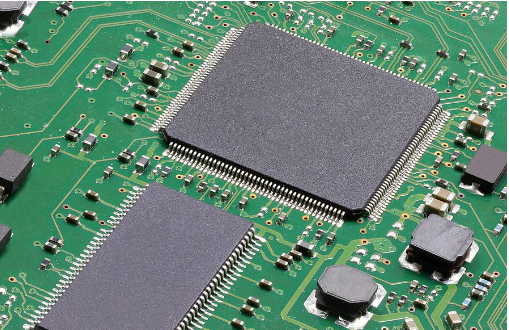
In today’s rapidly evolving technological landscape, circuit manufacturing stands as a vital cornerstone for innovation and efficiency. As you delve into the intricacies of pcb manufacturing, understanding the recent advancements is crucial. Modern pcb manufacturing companies are adopting cutting-edge techniques that not only enhance production speed but also improve design accuracy and material usage. One significant factor influencing your decisions in this area is the balance between pcb manufacturing cost and the benefits derived from advanced methodologies.
To illustrate these advancements, consider a comparison table that summarizes key innovations in circuit production:
| Technology | Benefits | Impact on PCB Manufacturing |
|---|---|---|
| Photolithography | Increased precision and detail | Enables finer circuit patterns |
| Additive Manufacturing | Material efficiency | Reduces waste, offering cost savings |
| Automation | Higher productivity | Frees human resources for complex tasks |
These innovations not only support scalability but also change the overall landscape of the pcb manufacturing business. With higher demand for compact and efficient devices, staying updated on these advancements becomes essential for sustaining your competitive edge in the industry. As you navigate through these changes, consider how leveraging these technologies can align with your operational goals and contribute to long-term success in circuit manufacturing.
Key Technologies Transforming Circuit Production
In the realm of pcb manufacturing, several key technologies are reshaping how circuits are produced, allowing you to keep up with modern demands. One significant advancement is the integration of advanced design software that streamlines the initial phases of circuit creation. By employing sophisticated algorithms, pcb manufacturing companies can ensure higher accuracy in layout designs, minimizing errors and reducing the overall pcb manufacturing cost. Another pivotal technology is the use of additive manufacturing, which allows for the creation of complex circuit designs that traditional methods struggle to achieve. This innovation not only enhances precision but also facilitates rapid prototyping, enabling you to test and iterate designs more swiftly. Additionally, advancements in automated assembly techniques have significantly accelerated production timelines, ensuring you can meet your business demands without compromising on quality. The continuous development in these diverse technologies is crucial for anyone involved in the pcb manufacturing business, as they adapt to meet a growing and changing market landscape effectively.
Innovations in Photolithography Processes
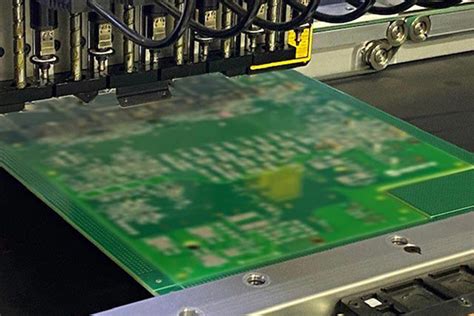
One of the most significant advancements in circuit manufacturing lies in the innovative photolithography processes that have emerged. These processes are essential for defining intricate patterns on pcbs, allowing for more complex and compact designs that cater to the demands of modern electronics. You might find that today’s pcb manufacturing companies are investing heavily in improving this technology to enhance precision and efficiency. By using advanced light sources and photoresist materials, these companies are capable of achieving resolutions that were previously unattainable, significantly reducing the pcb manufacturing cost. For those engaged in the pcb manufacturing business, adopting cutting-edge photolithography techniques can not only improve product quality but also streamline production times, therefore directly impacting overall profitability.
“Continuous updates to photolithography capabilities can lead to substantial savings and improved market competitiveness.”
As you explore these innovations, consider how they influence everything from smaller mobile devices to large-scale applications like automotive electronics. Additionally, employing these advanced methods equips you with the tools necessary to meet increasing consumer demands for performance and miniaturization in electronic components. Embracing these innovations can ultimately lead your business towards a more sustainable future with enhanced manufacturing capabilities and greater market reach.
Enhancing Precision with Advanced Materials
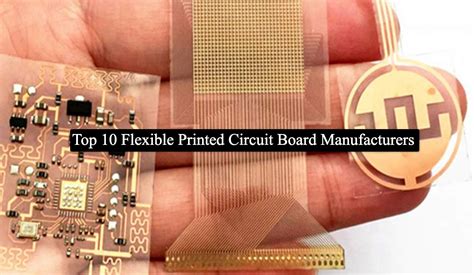
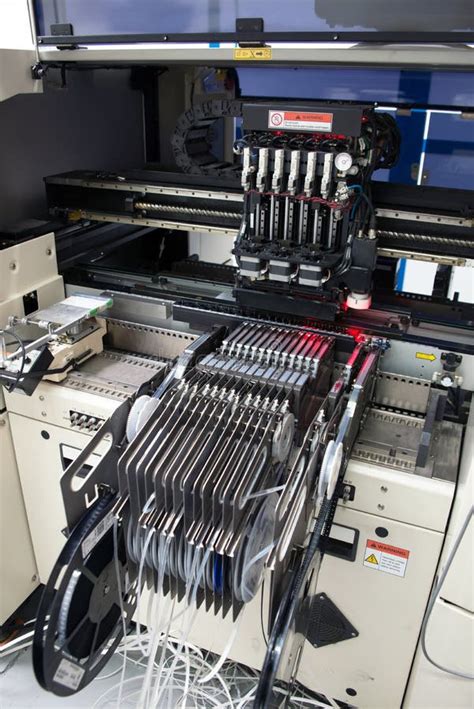
In today’s rapidly advancing world of circuit manufacturing, the integration of advanced materials plays a pivotal role in enhancing the precision of printed circuit boards (PCBs). You might be intrigued to learn that these materials are not just about improving electrical performance; they also contribute to the overall reliability and durability of PCBs. Companies that specialize in pcb manufacturing are increasingly adopting materials like high-frequency laminates and flexible substrates. These options cater to complex designs that require greater resilience and capability under varying conditions. Choosing the appropriate materials can significantly impact the pcb manufacturing cost, as advanced materials often lead to reduced waste during production, thereby optimizing both resources and expenses. You may want to consider how these advancements from leading pcb manufacturing companies can influence your own designs, allowing for innovations that meet modern demands with unparalleled accuracy. The transition towards these enhanced materials doesn’t just showcase efficiency but also ensures higher scalability within your pcb manufacturing business, allowing you to respond effectively to market trends while maintaining a competitive edge.
Scalability and Efficiency in Modern Circuit Manufacturing
In the realm of pcb manufacturing, achieving scalability and efficiency is paramount, especially as technology continues to evolve at a rapid pace. You may find that today’s pcb manufacturing companies are increasingly adopting cutting-edge techniques and equipment designed to streamline production processes. This not only enables them to meet higher demand but also helps in minimizing pcb manufacturing costs. For instance, the integration of advanced automation technologies allows for real-time monitoring and adjustments during the production cycle, which enhances overall output quality while reducing waste. Furthermore, innovations in materials used in pcb manufacturing are contributing to improved scalability; these materials not only meet the growing complexity of modern electronics but also allow for faster prototyping and shorter lead times. As you explore the sophisticated landscape of circuit production, it becomes clear that prioritizing both scalability and efficiency is essential for sustaining a competitive edge within the pcb manufacturing business.
The Role of Automation in Circuit Production
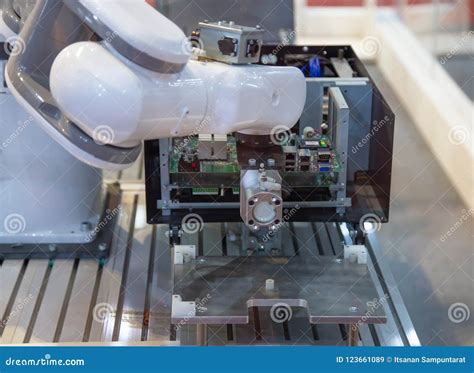
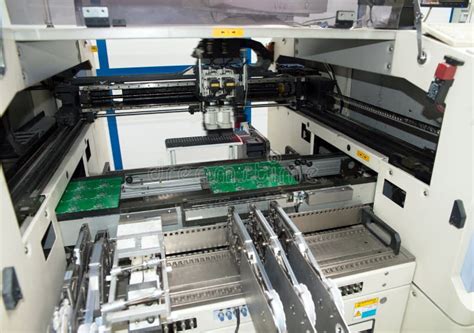
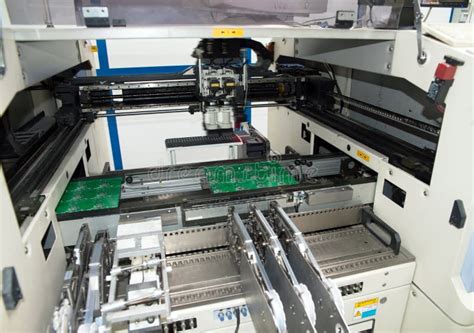
Automation plays a crucial role in the realm of circuit manufacturing, revolutionizing the way pcb manufacturing takes place across the industry. By integrating sophisticated technologies, you can significantly increase the efficiency and scalability of your pcb manufacturing business. Automated systems ensure consistent precision in production processes, reducing the potential for human error and enhancing overall output quality. As you explore various pcb manufacturing companies, you’ll find that many are adopting automated solutions to streamline operations and minimize pcb manufacturing costs. These advancements not only quicken production timelines but also allow for rapid scalability, enabling you to meet growing market demands without compromising on quality. With automation at the forefront, your ability to innovate and evolve within this competitive landscape becomes significantly bolstered, setting the stage for a future where efficiency and precision are paramount in every aspect of circuit production.
Challenges and Solutions in the Evolving Landscape of Circuit Manufacturing
As the demand for modern technology continues to grow, the landscape of pcb manufacturing faces numerous challenges that require innovative solutions. One significant challenge within this sector is the rising pcb manufacturing cost, which can strain both new and established pcb manufacturing companies. Balancing quality and cost-effectiveness becomes crucial for maintaining competitiveness in this industry. Additionally, production scalability is often hindered by outdated equipment and processes, which may not meet the high efficiency required for contemporary demands. To tackle these issues, companies are increasingly adopting automation technologies that streamline operations while minimizing human error, thereby improving overall productivity. Collaborative models between pcb manufacturing businesses can also lead to shared resources and technological advancements, helping firms adapt to these evolving demands more swiftly. By addressing these challenges with strategic innovations, such as advanced materials and enhanced production processes, you can ensure that your operations remain relevant in a rapidly shifting technological environment. Ultimately, success in circuit manufacturing will depend on your ability to embrace changes while optimizing costs and maintaining impeccable quality standards.
Future Trends in Circuit Manufacturing Technology
As you delve into the future trends of circuit manufacturing technology, you will notice a significant shift towards increased automation and smarter manufacturing practices. With the rise of pcb manufacturing processes, there is a growing emphasis on utilizing advanced software and artificial intelligence to streamline production operations. This integration not only enhances efficiency but also reduces the pcb manufacturing cost, making high-quality products more accessible to a wider market. You may observe that pcb manufacturing companies are increasingly adopting flexible and scalable solutions that can adapt to ever-changing consumer demands, thereby enhancing their competitive edge. Another noteworthy trend is the focus on sustainability; manufacturers are looking at ways to minimize waste and optimize resources during pcb manufacturing. Innovations in material science are driving this change, ensuring that the materials used not only meet performance expectations but also adhere to environmental standards. As the industry continues to evolve, keeping up with these advancements will be crucial for anyone involved in the pcb manufacturing business, as they can potentially redefine production timelines and reduce long-term costs while maintaining product integrity.
Conclusion
In summary, the field of pcb manufacturing has seen remarkable growth and transformation, driven by technological advancements that cater to the ever-increasing demands of modern electronics. As you navigate through the options available, it’s essential to understand how these changes impact your choices in pcb manufacturing companies. These firms now leverage cutting-edge processes that not only enhance efficiency but also dramatically reduce pcb manufacturing cost, enabling businesses like yours to thrive in a competitive landscape. Embracing these innovations can help streamline your pcb manufacturing business, ensuring that you remain agile and adaptable as market needs evolve. The future holds exciting prospects for anyone involved in the industry, emphasizing the importance of staying informed about ongoing advancements and emerging trends that shape the world of circuit production.
FAQs
What is PCB manufacturing?
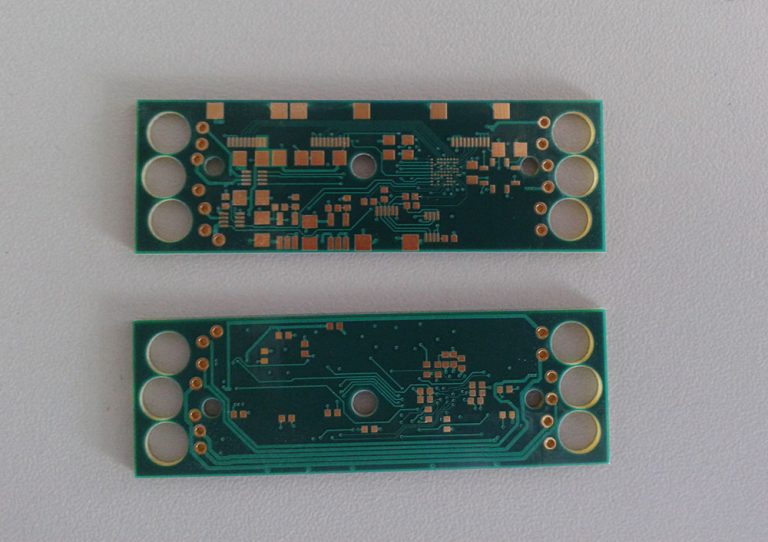
PCB manufacturing refers to the process of creating printed circuit boards, which are essential components for a wide range of electronic devices. This involves designing the circuitry on a substrate, followed by various manufacturing steps that include etching, drilling, and plating.
What are some common PCB manufacturing companies?
There are several reputable PCB manufacturing companies globally that specialize in producing high-quality printed circuit boards. These companies utilize advanced technologies and processes to ensure that they meet the diverse needs of their clients across different industries.
How is PCB manufacturing cost determined?
The PCB manufacturing cost is influenced by several factors, including the complexity of the design, the materials used, production volume, and any special requirements like surface finish or layer count. Understanding these aspects can help you estimate costs more accurately.
What should I consider when starting a PCB manufacturing business?
When starting a PCB manufacturing business, consider factors such as market demand, capital investment for equipment and materials, competition analysis, and sourcing reliable suppliers. It’s also vital to understand the regulatory requirements related to electronic components in your target market.