Advancements in Complex PCB Assembly Techniques and Best Practices
Key Takeaways
The rapidly evolving field of complex PCB assembly (PCBA) has seen significant advancements in recent years, driving improvements in efficiency, accuracy, and reliability. One of the foremost enhancements is the introduction of advanced automation techniques that allow for more precise handling of intricate components, reducing the likelihood of errors during assembly. Additionally, the implementation of innovative inspection technologies, such as automated optical inspection (AOI), ensures that each unit meets stringent quality standards before it leaves the production line. Furthermore, pcba processes are increasingly benefiting from the integration of smart manufacturing practices, where data analytics and real-time monitoring are employed to optimize workflows and minimize waste. These methods not only streamline production but also promote sustainability by reducing energy consumption and material usage. As manufacturers continue to adopt these state-of-the-art approaches, it is crucial for professionals in the industry to remain informed about best practices and tools that can further enhance PCB assembly processes. Emphasizing a culture of continuous improvement will empower teams to tackle challenges proactively and adapt to emerging trends in complex PCB assemblies.
Introduction to Complex PCB Assembly
Complex PCB assembly (PCBA) has become a pivotal component in modern electronics manufacturing, as industries increasingly demand higher performance, reduced size, and enhanced functionality in their products. The landscape of pcba has evolved significantly over the years, incorporating intricate designs that challenge traditional manufacturing processes. With advancements in technology, manufacturers are now using innovative techniques to boost the efficiency and reliability of complex assemblies. These advancements include the adoption of automated processes that minimize human error and enhance precision, leading to a more consistent output.
According to industry experts, “the shift towards high-density interconnects (HDI) and multilayer boards is a game changer for PCB assembly.” This statement underlines the growing need for specialized knowledge and capabilities within the manufacturing environment. As systems become denser and components smaller, there’s an increasing emphasis on ensuring accuracy at every stage of production—ranging from design through to assembly. To achieve this, engineers are exploring smart manufacturing solutions such as real-time monitoring systems that provide feedback on processing conditions.
In summary, embracing best practices in pcb assembly is vital for manufacturers looking to stay competitive. This includes not only understanding advanced materials and technologies but also applying rigorous testing methods that ensure every unit meets quality standards before reaching the customer. Hence, adapting to these advancements is key in achieving success in this ever-evolving market.
“Staying ahead means being willing to invest in new technologies that streamline processes and enhance product reliability.”
Through continuous improvement and adaptation of techniques within complex PCB assembly, businesses can ensure they meet both current demands and future challenges effectively.
Overview of Recent Advancements in PCB Assembly Techniques
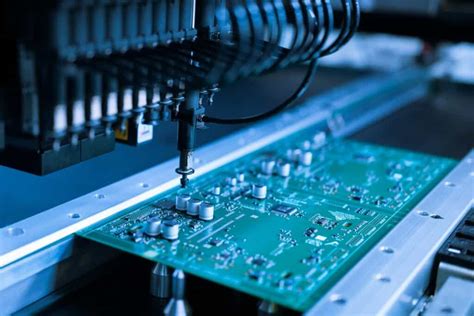
In recent years, the field of pcb assembly has experienced significant advancements, emphasizing a move toward increased efficiency and reliability in the manufacturing process. One of the most noteworthy innovations is the integration of advanced automation and robotics in pcba operations, which enhances speed while minimizing human error. This automation allows for intricate multi-layer pcba designs to be assembled with precision, ensuring that even the most complex circuits are produced accurately. Furthermore, the development of smarter software solutions for process management has enabled manufacturers to optimize workflows and reduce waste during pcb assembly. These tools provide real-time monitoring and analytics, which are crucial for diagnosing issues early and maintaining high-quality standards. Alongside these technological advancements, materials science has also progressed, leading to the introduction of new substrates that improve thermal performance and durability in high-density applications. This confluence of technology and material innovation not only enhances current production practices but also paves the way for future developments in complex pcb assemblies, aligning with industry trends that prioritize sustainability and cost-effectiveness. As companies adopt these cutting-edge methodologies, they are poised to achieve greater operational excellence while meeting the ever-evolving demands of the market.
Innovative Methods for Enhancing Efficiency in PCB Manufacturing
The landscape of PCB assembly is continuously evolving, with innovative methods emerging to significantly enhance efficiency throughout the manufacturing process. One of the most impactful strategies involves the integration of advanced automation tools. By employing automated optical inspection (AOI) systems, manufacturers can swiftly detect defects during the PCBA process, thereby reducing rework and scrap rates. Additionally, leveraging robotics in assembly lines allows for precise positioning and soldering of components, enabling higher throughput while minimizing human error.
Another noteworthy approach is the adoption of data analytics and machine learning algorithms to optimize production workflows. By analyzing historical performance data, manufacturers can identify bottlenecks and inefficiencies in real-time, facilitating proactive adjustments that streamline operations. Moreover, implementing modular assembly systems enables flexibility in production. Such systems allow for easier reconfiguration based on varying project requirements, thus reducing downtime and enhancing responsiveness to market demands.
Furthermore, utilizing flexible circuit technologies can significantly reduce material waste and enhance design density, which is particularly advantageous for complex PCBs where space is at a premium. Integrating these innovative methods not only improves efficiency but also ensures that manufacturers can stay competitive in a rapidly advancing industry characterized by increasing complexity demands and consumer expectations for high-quality products. The ongoing evolution in PCBA techniques reflects a commitment to pushing the boundaries of what’s possible in circuit board manufacturing while maintaining a focus on sustainability and operational effectiveness.
Best Practices for Ensuring Accuracy in Complex Assemblies
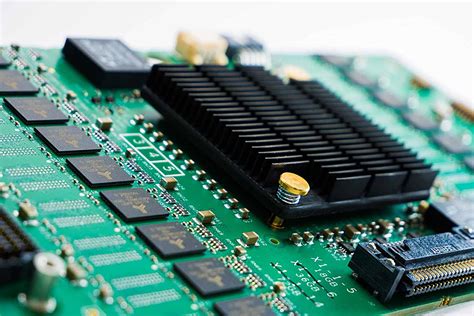
To achieve accuracy in complex PCB assembly, several best practices must be meticulously implemented during the manufacturing process. First and foremost, proper design validation plays a crucial role. This step involves rigorous testing of the design for fault tolerance, ensuring that all components are appropriately placed and connected. Utilizing simulation software can help stakeholders visualize the PCBA before production begins, allowing for early detection of potential issues. Furthermore, maintaining a systematic approach towards inventory management is vital. Using automated inventory systems ensures that all components are tracked and accounted for, minimizing the risk of assembly errors.
In addition to this, leveraging advanced testing technologies during and after assembly significantly enhances overall accuracy. Techniques such as Automated Optical Inspection (AOI) and Functional Testing can identify defects or misalignments promptly, thereby preventing faulty products from reaching the market. Regular training of personnel on new technologies and best practices also fosters an environment of continuous improvement within the organization. Finally, establishing a robust feedback mechanism allows teams to learn from past mistakes and refine their processes over time.
Incorporating these best practices not only enhances precision in complex PCB assembly but also contributes to higher reliability in the final products, ultimately leading to improved customer satisfaction.
Tools and Technologies Transforming PCB Assembly Processes
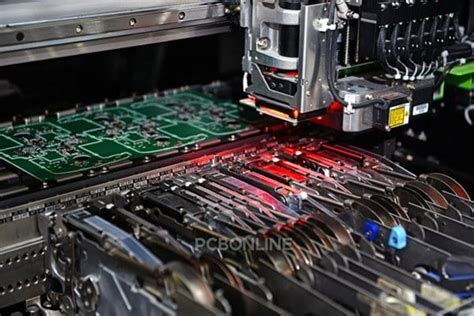
The field of pcb assembly has witnessed remarkable advancements largely driven by cutting-edge tools and technologies. Automation, for instance, plays a pivotal role in streamlining PCBA processes, enabling faster manufacturing times and reducing the potential for human error. Integrating machine learning and artificial intelligence into production lines allows for real-time monitoring and predictive maintenance, significantly enhancing the reliability of the assembly process. Moreover, the adoption of 3D printing technologies has revolutionized the prototyping phase, giving manufacturers the ability to create complex geometries that were previously unattainable through traditional methods. Additionally, improved soldering techniques, such as selective soldering and laser soldering, contribute to higher precision in component placement, ensuring that even the most intricate designs meet stringent quality standards. These tools not only optimize operational efficiency but also minimize waste in pcb assembly, leading to more sustainable manufacturing practices. As companies continue to invest in these innovative technologies, they pave the way for a more agile and responsive industry capable of meeting evolving demands while maintaining exceptional quality in every printed circuit board assembly.
Addressing Common Challenges in Complex PCB Assembly
In the realm of complex PCB assembly, various challenges frequently arise, necessitating innovative solutions. One of the primary difficulties faced is the intricate nature of modern designs, which often require high-density interconnections and multi-layer boards. These aspects can lead to issues such as signal integrity problems and increased heat dissipation. Moreover, as boards become increasingly compact, the risk of component misalignment during the PCBA process also escalates. To mitigate these issues, manufacturers are adopting advanced techniques like automated optical inspection (AOI) and X-ray inspection to ensure that all components are properly positioned without manual intervention. Another challenge is the variability in components sourced from different manufacturers; this can create inconsistencies in assembly quality. By implementing a comprehensive quality management system that monitors each step of the PCB assembly process, companies can reduce variations and enhance reliability. Additionally, investing in staff training to keep teams updated on best practices in handling complex assemblies is essential for overcoming these challenges. Ultimately, addressing these common hurdles not only boosts efficiency but also contributes significantly to the overall success of PCBA operations by minimizing errors and ensuring a more robust final product.
Case Studies: Successful Implementations of Advanced Techniques
In examining the successful implementations of advanced techniques in pcb assembly, it is essential to recognize the impact these innovations have had on various industries. One notable case involved a leading electronics manufacturer that adopted automated optical inspection (AOI) systems within their pcba process. This transition not only improved the accuracy of circuit board inspections but also boosted overall production efficiency by reducing manual errors. Another example can be found in the automotive sector, where companies integrated surface mount technology (SMT) into their complex pcb assembly lines. The result was a substantial decrease in assembly time and an enhancement in product reliability due to more precise component placements. Moreover, a medical device company implemented real-time monitoring systems to track environmental conditions during assembly, ensuring adherence to strict quality standards. These case studies illuminate how innovative methodologies and advanced tools have revolutionized pcb assembly, showcasing their potential to drive both efficiency and reliability across diverse applications.
Future Trends in Complex PCB Assembly and Their Implications
As the electronics industry continues to evolve, the pcb assembly sector is expected to witness several transformative trends that will shape its future. One notable trend is the increasing integration of automated technologies in pcba processes, which aims to enhance production speed and quality assurance. The adoption of robotics and artificial intelligence in assembly lines is anticipated to minimize human error, allowing for a more consistent manufacturing output. Furthermore, advancements in materials science are leading to the development of more efficient substrates that can accommodate complex designs while maintaining thermal management. This evolution is critical as devices become increasingly compact and feature-rich. Another key trend is the growing emphasis on sustainability within pcb assembly practices. Manufacturers are actively seeking eco-friendly materials and processes aimed at reducing waste and energy consumption, thus aligning with global environmental standards. Moreover, with the rise of Internet of Things (IoT) applications, there is a pressing need for enhanced connectivity solutions embedded within PCBs, sparking innovations in design techniques that facilitate better performance in wireless communications. These trends not only promise improvements in manufacturing efficiency but also pose challenges that require the industry to adapt rapidly. The implications of these advancements underscore a pivotal shift towards smarter, more sustainable pcba solutions tailored to meet the dynamic demands of consumers and technology.
Conclusion
In summary, the landscape of complex PCB assembly is continually evolving, driven by technological advancements and innovative methodologies. As manufacturers aim to achieve greater efficiency and reliability in their processes, the adoption of modern PCBA techniques becomes crucial. The incorporation of automated systems, such as robotic assembly and advanced inspection technologies, enhances the precision of pcb assembly, significantly reducing the margin for error that can occur during manual operations. Furthermore, developments in materials science have led to the creation of components that are not only smaller but also more efficient, enabling even tighter packing densities in electronic devices.
By implementing best practices tailored to complex assemblies, teams can ensure that each step—from design to production—aligns with industry standards and quality benchmarks. As organizations share successful case studies illustrating the practical application of these advanced techniques, a collaborative knowledge base emerges that fosters continuous improvement within the industry. Looking ahead, it is essential for manufacturers to remain agile and responsive to future trends impacting pcba processes, as these changes not only shape efficiency but also define reliability in an increasingly competitive market.
FAQs
What is complex PCB assembly?
Complex PCB assembly refers to the detailed process of integrating multiple electronic components onto a printed circuit board (PCB), which often involves intricate designs, dense layouts, and layered technologies ensuring superior performance.
What are the latest advancements in PCB assembly techniques?
Recent innovations in PCB assembly techniques include the use of automation and artificial intelligence in manufacturing, improved soldering technologies like wave soldering and selective soldering, and advanced inspection methods such as AOI (Automated Optical Inspection) to enhance the quality and reliability of pcba.
How can efficiency be enhanced in PCB manufacturing?
Efficiency can be boosted by adopting lean manufacturing principles, investing in high-speed assembly equipment, and utilizing streamlined processes that minimize waste. Collaboration with suppliers can also help ensure that quality materials are supplied on time, thereby optimizing the overall pcba process.
What best practices ensure accuracy in complex assemblies?
To maintain accuracy in pcba, it’s crucial to implement thorough testing at different stages of production, employ robust design for manufacturability principles, and use advanced layout software to reduce errors. Regular training sessions for personnel also contribute to maintaining high standards of workmanship.
What tools and technologies are transforming PCB assembly processes?
The evolution of tools like pick-and-place machines equipped with vision systems, laser soldering systems, and real-time tracking software is redefining how PCB assembly is conducted. These technologies streamline operations and ensure a higher precision level in complex assemblies.
What challenges are commonly encountered in complex PCB assembly?
Some common challenges include managing component obsolescence, handling intricate layouts that involve multilayer boards, ensuring proper thermal management, and dealing with supply chain disruptions that can affect procurement timelines for essential materials.