Advancements in PCB Assembly Techniques for Enhanced Efficiency

Key Takeaways
In the rapidly evolving landscape of PCB assembly, staying informed about the latest advancements is crucial for companies striving for competitiveness and excellence in manufacturing. The introduction of advanced assembly PCB techniques brings forth technologies that not only enhance accuracy but also significantly boost efficiency. By adopting innovative practices such as automated soldering and improved adhesive applications, manufacturers can ensure a higher yield rate, directly impacting the profitability of their production lines.
Furthermore, incorporating real-time monitoring systems allows for immediate feedback on the PCBA process, leading to timely adjustments and minimal defects. The enhancement of accuracy in component placement is another pivotal development; utilizing precision equipment and sophisticated algorithms has shown to reduce assembly errors substantially.
To summarize the benefits:
| Advancement | Benefit |
|---|---|
| Automated soldering | Increased speed and consistency |
| Real-time monitoring systems | Enhanced quality control |
| Precision placement technology | Reduced errors in assembly |
Embracing these cutting-edge techniques ensures that organizations can meet the escalating demands of modern electronics while maintaining high standards in quality and efficiency. In conclusion, integrating these advancements within pcb assembly processes not only serves immediate business goals but also positions companies favorably for future developments within the industry.
Introduction to Advanced PCB Assembly Techniques
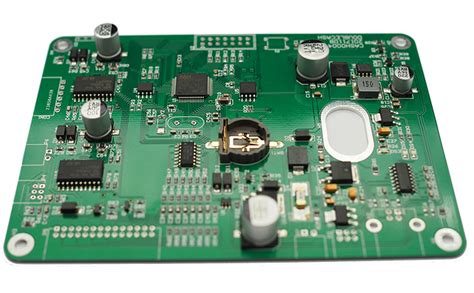
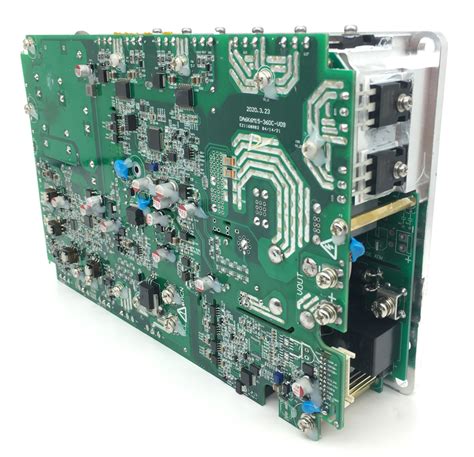
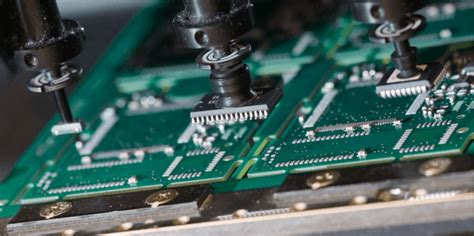
In recent years, pcb assembly has undergone remarkable transformations, driven by the relentless pursuit of efficiency and precision in electronics manufacturing. This evolution has led to the adoption of advanced techniques that not only enhance production timelines but also improve quality and accuracy in the manufacturing process. One significant advancement is the integration of innovative materials and technologies that streamline printed circuit board assembly (PCBA) processes. These include the use of automated assembly systems, which reduce human error and increase throughput, ultimately enabling manufacturers to meet the surging demands for higher functionality in compact designs.
Moreover, advancements in assembly techniques have paved the way for better thermal management and signal integrity, which are crucial for modern electronic devices. Employing practices such as selective soldering and advanced surface mount technology allows for greater precision in component placement and soldering, thereby enhancing overall product quality.
“In embracing new technologies in pcb assembly, businesses can unlock significant competitive advantages; it’s no longer just about keeping pace but setting new benchmarks.”
By focusing on these state-of-the-art techniques, manufacturers can not only respond effectively to market needs but also ensure a sustainable production process that aligns with industry standards. Overall, as the landscape of electronics continues to change rapidly, embracing these advanced PCB assembly methods will be essential for any manufacturer looking to thrive in this dynamic field.
Innovations in PCB Assembly for Increased Efficiency
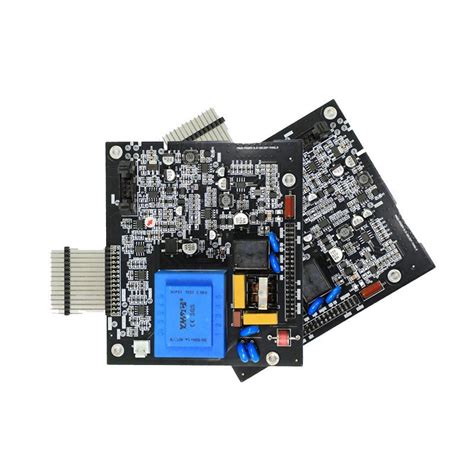
In the fast-evolving landscape of electronics manufacturing, pcb assembly techniques are undergoing significant transformation, driven by the need for enhanced efficiency and productivity. One of the most notable innovations is the adoption of advanced assembly methods that leverage smart technologies and robust design principles. For instance, the integration of automated soldering systems has proven to reduce human error and increase throughput rates. These systems not only minimize assembly time but also ensure that each component adheres precisely to the design specifications, which is crucial for maintaining high standards in pcba quality.
Additionally, innovations such as AI-driven analytics are becoming integral to the pcb assembly process. By monitoring production metrics in real-time, manufacturers can swiftly identify bottlenecks and inefficiencies in their operations. This proactive approach allows for timely adjustments that optimize workflow and resource allocation, ultimately leading to significant cost savings. Moreover, employing modular design architectures means that assemblies can be more easily adapted to meet varying production demands without overhauling existing setups.
Furthermore, embracing additive manufacturing techniques—such as 3D printing—has opened new avenues for rapid prototyping and customized solutions in pcb assembly. These methods contribute to reducing materials waste while accelerating development cycles. In summary, by integrating these innovative approaches into their production strategies, companies are not only enhancing efficiency but also ensuring they remain competitive within an increasingly complex market landscape driven by rapid technological advancements.
Enhancing Accuracy in PCB Manufacturing Processes
In the realm of PCB assembly, precision is crucial to ensure the functionality and longevity of electronic devices. The adoption of innovative methodologies in pcba not only enhances accuracy but also aligns with the increasing complexity of modern electronics. One such methodology involves the integration of sophisticated inspection systems that utilize advanced imaging technologies to detect possible errors at various stages of production. These systems significantly minimize human error, allowing for real-time adjustments that enhance the overall quality of the pcb assembly process. Furthermore, employing high-precision placement machines improves component placement accuracy, which is vital for maintaining signal integrity and performance in densely populated boards. Leveraging such technologies ensures a seamless workflow throughout the pcba process, ultimately leading to minimized rework and waste. As manufacturers adopt these advanced techniques, they not only meet industry standards but also elevate their competitiveness in a market that demands unprecedented levels of accuracy and quality assurance. By continuously improving these processes, companies can better respond to customer needs and compliance requirements in an ever-evolving electronic landscape.
Streamlining Production: Best Practices and Technologies
In the fast-evolving landscape of PCB assembly, the focus on streamlining production has become paramount. Companies are increasingly adopting best practices that involve meticulous planning and the integration of state-of-the-art technologies. One of the foremost strategies is implementing Lean Manufacturing principles, which prioritize efficiency by minimizing waste and optimizing workflow. This approach not only enhances productivity but also ensures more reliable PCBA outcomes. Additionally, the use of smart technologies, such as IoT devices for real-time monitoring, has revolutionized pcb assembly processes. These devices provide instant feedback on production metrics, allowing manufacturers to quickly identify and address potential issues before they escalate. Furthermore, embracing modular equipment design enables scalability as production demands fluctuate. By personalizing specific stages of the assembly line based on current needs, firms can enhance both speed and accuracy in their PCB assembly operations. Ultimately, these combined efforts ensure that businesses remain competitive in a demanding market while delivering high-quality products that meet stringent industry standards.
The Role of Automation in Advanced Assembly PCB
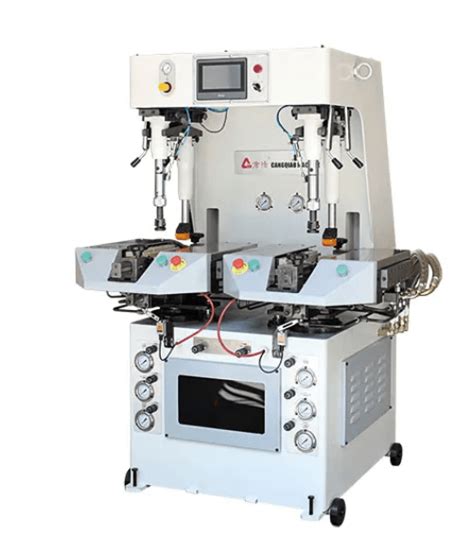
The integration of automation in advanced PCB assembly processes has transformed the landscape of electronic manufacturing. By incorporating automated systems, manufacturers can significantly enhance the efficiency of pcba without compromising on quality. Automated assembly lines employ advanced robotics and precision tools that not only increase the speed of production but also minimize human error, leading to a more accurate and reliable output. These systems streamline various stages of the pcb assembly process, from component placement to soldering, allowing for greater consistency and repeatability in production runs.
With tools that can operate continuously without fatigue, automation enables firms to respond swiftly to market demands, maintaining a competitive edge. Furthermore, automated inspection technologies are essential in verifying the quality of each board produced, which helps in identifying potential defects early on. As manufacturers strive to meet growing consumer expectations for greater complexity and performance in electronic devices, the role of automation becomes increasingly critical. The combination of automation with innovative techniques establishes a robust framework for achieving operational excellence in pcba, thus setting a new standard within the industry.
Case Studies: Successful Implementations of New Techniques
In examining the impact of advanced assembly PCB techniques, several case studies stand out, illustrating how organizations have dramatically enhanced their PCB assembly processes. For instance, a leading electronics manufacturer adopted automated optical inspection (AOI) systems, resulting in a significant reduction in errors during the assembly process. This innovation led to an impressive improvement in production speed and accuracy, thereby elevating the overall quality of their final products. In another case, a small startup specializing in PCBA utilized robotic automation for their assembly line. By implementing these automated solutions, they were able to double their throughput while decreasing labor costs and minimizing human error. Such implementations showcase how embracing cutting-edge techniques not only meets customer demand more effectively but also positions companies competitively in the fast-evolving electronics market. These success stories underscore the critical role that advanced technologies play in optimizing PCB assembly, fostering both growth and innovation within the sector.
Future Trends in PCB Assembly and Production Efficiency
As the landscape of electronics continues to evolve, the future of PCB assembly holds exciting possibilities for increased efficiency and productivity. One significant trend is the integration of smart manufacturing technologies, including the Internet of Things (IoT) and artificial intelligence (AI), which are poised to revolutionize pcba processes. These innovations will allow manufacturers to leverage real-time data and analytics, helping to identify inefficiencies in the pcb assembly line and optimize workflows accordingly. Additionally, advancements in materials science are leading to more robust substrates and soldering techniques that enhance both performance and reliability while reducing waste. Moreover, flexible printed circuit boards (FPCBs) are gaining traction, enabling manufacturers to create more compact designs without compromising on functionality. This shift not only meets the growing demand for miniaturization but also supports sustainable practices by minimizing material usage. In summary, embracing these future trends will not only enhance the efficiency of PCB assembly but also ensure that production processes are agile enough to adapt to the rapidly changing needs of the electronics industry.
Conclusion: The Importance of Embracing Advanced Techniques
In today’s rapidly evolving electronics landscape, the significance of adopting advanced assembly PCB techniques cannot be overstated. As the demand for increasingly sophisticated electronic products grows, manufacturers must leverage innovations in pcb assembly to enhance their operational efficiencies. Modern pcba methods incorporate state-of-the-art technologies that not only improve production speed but also elevate accuracy in component placement and soldering. By integrating automation and advanced inspection systems, companies can minimize defects and streamline workflows, which is essential for maintaining competitive advantages. Furthermore, embracing these cutting-edge techniques fosters an environment that encourages continuous improvement and adaptation to market needs. As businesses strive to meet the complex challenges posed by modern electronics manufacturing, investing in advanced pcb assembly techniques will prove vital for sustaining growth and meeting customer expectations effectively.
Conclusion: The Importance of Embracing Advanced Techniques
As the demand for more sophisticated electronics continues to rise, the significance of advanced PCB assembly techniques cannot be overstated. Embracing these innovations not only enhances efficiency in production but also greatly improves the accuracy of the final products. The evolving landscape of pcba technologies presents manufacturers with opportunities to adopt best practices that streamline processes and optimize resource use. Automation plays a pivotal role here, enabling faster assembly times and reducing human error in pcb assembly operations. By incorporating advanced methodologies, companies can better meet consumer expectations while maintaining competitive pricing. Ultimately, adopting these advanced techniques is vital for manufacturers aiming to thrive in an ever-changing market, ensuring their ability to deliver superior quality products efficiently and effectively.
FAQs
What is PCB assembly?
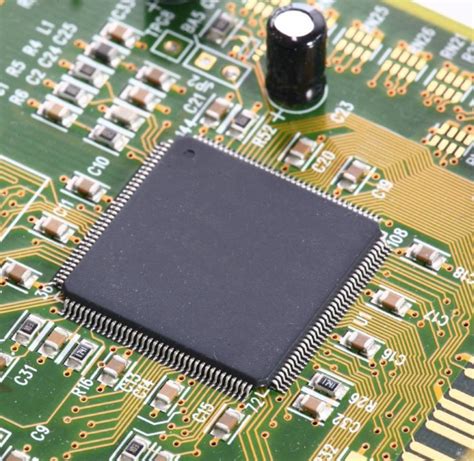
PCB assembly, or PCBA, is the process of assembling electronic components onto a printed circuit board (PCB) to create a functional electronic device. This process includes placing components, soldering them, and ensuring all connections work correctly.
What are the advantages of advanced PCB assembly techniques?
The advancements in PCB assembly techniques lead to improved efficiency, enhanced accuracy, and streamlined production processes. These innovations allow manufacturers to meet the ever-increasing demands of modern electronics while reducing costs and time.
How do automation technologies impact PCB assembly?
Automation plays a crucial role in advanced pcba, enabling faster production lines, reducing human error, and improving consistency in quality. Automated systems can perform repetitive tasks with high precision, ensuring that each unit meets stringent quality standards.
What best practices should I follow for efficient PCB assembly?
To enhance efficiency in your pcb assembly, consider utilizing advanced technologies such as automated soldering machines and optimizing your layout for better component placement. Moreover, maintaining an organized workflow and implementing rigorous quality control measures can significantly enhance production outcomes.
Are there any case studies showing successful PCB assembly implementations?
Yes, various case studies illustrate successful implementations of advanced PCB assembly techniques across different industries. These examples showcase how companies have adopted innovative processes to significantly boost their productivity and reduce production costs while maintaining quality standards.