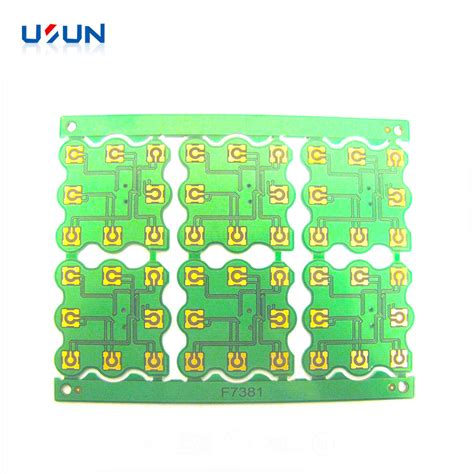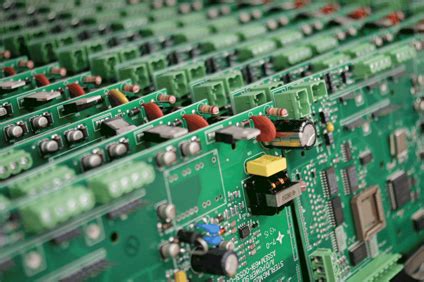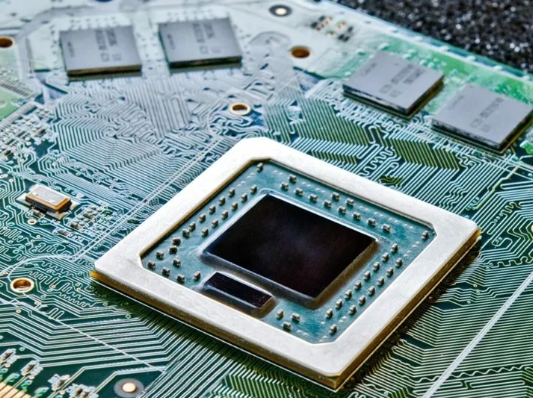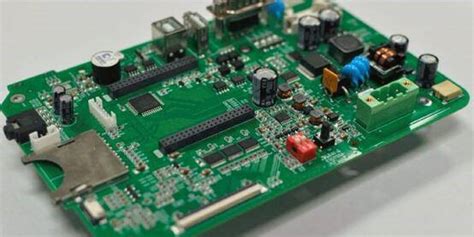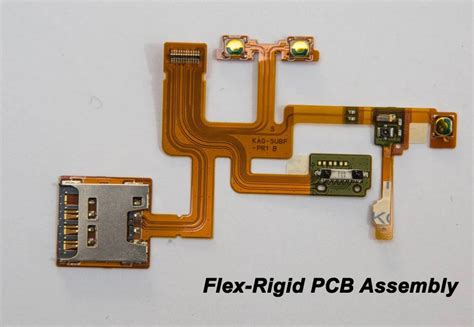
Advancing Technology with Flex PCB and SMT Assembly Solutions
Key Takeaways
The landscape of electronics manufacturing is rapidly evolving, and one pivotal area of this change is the integration of flexible printed circuit boards (flex PCBs) with surface mount technology (SMT) assembly solutions. This combination not only enhances design capabilities but also significantly improves the overall efficiency of PCB assembly processes. Unlike traditional rigid boards, flex PCBs allow for creative layouts that can adapt to various form factors, accommodating space constraints in modern devices. Furthermore, the incorporation of cutting-edge SMT assembly techniques streamlines the production workflow, ensuring that products can be brought to market with reduced lead times. As electronics become increasingly compact and multifaceted, the role of pcba methodologies becomes crucial in maintaining high-performance standards while also escalating production capabilities. By leveraging these advanced technologies, manufacturers can ensure robust connections and maximize space utility without compromising on quality or reliability. The synergy between flex PCBs and SMT assembly thus marks a significant advance in the quest for innovation within electronics, promising a future where design flexibility and manufacturing efficiency become seamlessly intertwined.
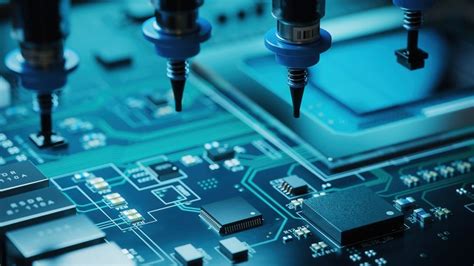
Introduction to Flex PCB Technology and SMT Assembly
In the rapidly evolving landscape of electronics, flexible printed circuit boards (PCBs) are increasingly recognized for their unique advantages over traditional rigid circuit boards. The integration of flex PCB technology with surface mount technology (SMT) assembly is proving to be a game changer, facilitating the design of compact, lightweight, and highly functional electronic products. Flex PCBs offer significant design flexibility, allowing manufacturers to create intricate layouts that conform to various shapes and surfaces. This adaptability is critical in sectors demanding innovative solutions such as wearable technology, medical devices, and advanced communication systems.
The process of SMT assembly refers to the technique used to mount electronic components directly onto the surface of PCBs. When paired with flex circuits, SMT assembly enhances reliability and performance while simplifying the manufacturing process. The improved access to multiple components on a flexible surface not only reduces material costs but also accelerates production timelines. By leveraging these advancements in PCB assembly, companies can significantly increase their efficiency and output, positioning themselves at the forefront of innovation within the industry.
To illustrate these concepts effectively, below is a comparison table highlighting key differences between traditional rigid PCBs and flexible PCBs:
| Feature | Rigid PCB | Flex PCB |
|---|---|---|
| Design Flexibility | Low | High |
| Weight | Heavier | Lighter |
| Space Utilization | Limited | Optimized |
| Durability | Moderate | High (bendable) |
| Manufacturing Speed | Slower | Faster |
As we delve deeper into this fascinating intersection of technology in subsequent sections, it becomes clear that both flexibility in design and enhanced efficiency via advanced SMT techniques are pivotal in driving the next wave of innovation in electronics.
The Advantages of Flexible PCBs in Modern Electronics
In the rapidly evolving landscape of modern electronics, flexible PCBs (printed circuit boards) have emerged as a transformative technology, offering significant advantages over traditional rigid PCBs. One of the most notable benefits of flex PCBs lies in their ability to facilitate intricate designs that were previously unachievable. By being lightweight and compact, they enable engineers to create innovative products that optimize space and reduce overall weight, making them ideal for applications in sectors such as aerospace, medical devices, and consumer electronics. Additionally, flexible PCBs provide exceptional durability; they are capable of withstanding bending and flexing without compromising performance or reliability. This inherent flexibility allows devices to function effectively in challenging environments that may involve movement or vibration. Furthermore, when combined with surface mount technology (SMT) assembly processes, the production efficiency significantly increases. The integration of pcb assembly techniques enhances the manufacturing process by allowing for a higher component density on the board itself while reducing assembly time and costs associated with traditional mounting methods. As a result, organizations can achieve faster time-to-market for their products while simultaneously maintaining quality standards. The synergy between flexible PCB technology and advanced SMT assembly not only redefines what is possible in electronic design but also paves the way for continued advancements in innovation, efficiency, and performance across various industries.
Innovations in SMT Assembly Techniques
The realm of Surface Mount Technology (SMT) assembly has witnessed tremendous advancements that significantly enhance the efficiency and reliability of PCB assembly processes. In recent years, the integration of innovative techniques, such as robotic automation, advanced inspection systems, and smart manufacturing practices, has transformed how PCBA operations are conducted. One prominent development is the use of high-speed pick-and-place machines, which have dramatically increased production speed while maintaining precision in component placement. Furthermore, the adoption of smart technologies like Artificial Intelligence for predictive maintenance ensures that equipment operates at optimal levels, minimizing downtime and enhancing throughput. As manufacturers increasingly demand higher levels of design complexity, these advanced SMT assembly techniques facilitate greater flexibility in adapting to various designs without compromising quality or performance. Consequently, this convergence of technology not only streamlines production workflows but also paves the way for a more responsive approach to evolving market demands. Emphasizing these innovations allows companies to remain competitive in an ever-changing electronics landscape while establishing stronger foundations for future development initiatives.
Design Flexibility: How Flex PCBs Revolutionize Product Development
The rise of flexible PCB technology has significantly transformed the landscape of product development within the electronics industry. Unlike traditional rigid PCBs, flex PCBs are designed to bend and fit into compact or uniquely shaped enclosures, offering manufacturers increased design flexibility. This versatility allows engineers to create innovative products that were previously constrained by the limitations of rigid circuit boards. Additionally, the lightweight nature of flex PCBs contributes to overall system performance, making them an attractive choice for devices aimed at minimizing weight and maximizing portability. Moreover, the integration of surface mount technology (SMT) assembly processes with these flexible circuits ensures a high degree of precision and efficiency in manufacturing. By streamlining the pcb assembly process, companies can reduce production times while maintaining high-quality standards. The synergy between flexible PCB designs and advanced SMT assembly techniques paves the way for more compact, reliable, and ultimately more innovative electronic products that meet the rapidly evolving demands of consumers. As industries increasingly prioritize versatility and performance in their designs, the revolutionary impact of flex PCBs cannot be overstated; they are at the forefront of modern electronics development.
Improving Efficiency with Advanced SMT Assembly Solutions
The integration of Surface Mount Technology (SMT) in PCB assembly processes has significantly transformed the landscape of electronics manufacturing. By leveraging advanced SMT assembly solutions, manufacturers can enhance efficiency and output, ensuring quicker production cycles while maintaining high-quality standards. These technologies facilitate the placement of components directly onto the surface of printed circuit boards, leading to denser and more optimized layouts. One of the key benefits of modern pcba techniques is the ability to support a wide range of component types, from small chip resistors to larger integrated circuits.
Moreover, innovations in automation and robotic handling are further streamlining SMT processes, reducing human error and operational costs. This increased accuracy not only boosts the speed at which products are assembled but also minimizes waste—an essential factor in today’s environmentally-conscious manufacturing environment.
“Investing in advanced SMT assembly technologies is not just about staying competitive; it’s about paving the way for innovative product designs that meet evolving market demands.”
In addition, combining flexible PCBs with sophisticated SMT techniques allows for unprecedented design flexibility, enabling engineers to create compact and lightweight electronic devices that were previously unfeasible. As technology continues to evolve, those adopting advanced pcba methods will undoubtedly gain a critical advantage in delivering innovative solutions tailored to consumer needs. This synergy between flexible designs and efficient assembly processes is shaping a future where electronic devices are not only smarter but also more efficient than ever before.
Case Studies: Successful Applications of Flex PCB and SMT Assembly
The integration of flexible printed circuit boards (PCBs) and surface mount technology (SMT) assembly has fostered remarkable advancements in various sectors, showcasing their versatility and efficiency. One notable case study involves the development of wearables in the health tech industry, where flex PCBs allowed for streamlined designs that conform to the human body. This adaptability significantly enhances user comfort while maintaining robust connectivity and functionality. In the automotive sector, the miniaturization enabled by pcb assembly has been pivotal; manufacturers have successfully implemented SMT assembly to create compact circuitry for advanced driver-assistance systems (ADAS), ensuring safety features integrate seamlessly within limited spaces. Additionally, in consumer electronics, companies are leveraging innovative design techniques facilitated by these technologies to produce lightweight devices without sacrificing performance. Overall, these case studies exemplify how flex PCBs and SMT assembly solutions are not just improving manufacturing processes but are also leading to groundbreaking innovations that redefine product possibilities across diverse markets. Through these real-world applications, it’s clear that the future of PCBA lies in its ability to adapt and meet evolving technological demands while driving efficiency and creativity within product development.
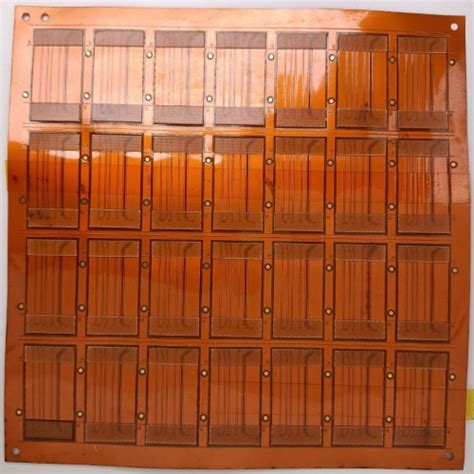
Future Trends in Flex PCB and SMT Assembly Technologies
As the demand for increased performance and miniaturization in electronic devices continues to rise, the future of flexible PCB (Printed Circuit Board) and SMT (Surface Mount Technology) assembly is poised for significant advancements. Key trends are emerging that promise to enhance the capabilities of pcb assembly processes, making them more efficient and adaptable. One notable trend is the incorporation of advanced materials designed to improve thermal and mechanical performance. These materials not only extend the lifespan of pcba products but also allow for innovative designs that can withstand extreme conditions. Additionally, automation in SMT assembly is on the rise, with smart technologies such as Artificial Intelligence (AI) being integrated into production lines, enabling real-time monitoring and adjustments which markedly increase throughput while reducing errors. Another exciting development involves the integration of IoT (Internet of Things) capabilities within flex PCBs, allowing for enhanced communication between devices. This trajectory indicates a shift towards more sustainable manufacturing practices tailored to reduce waste, by optimizing resource usage in both pcb assembly processes and product lifecycles. With these advancements, the potential applications for flex PCBs are expanding rapidly across various sectors, including automotive, healthcare, and consumer electronics, setting a solid foundation for future innovations.
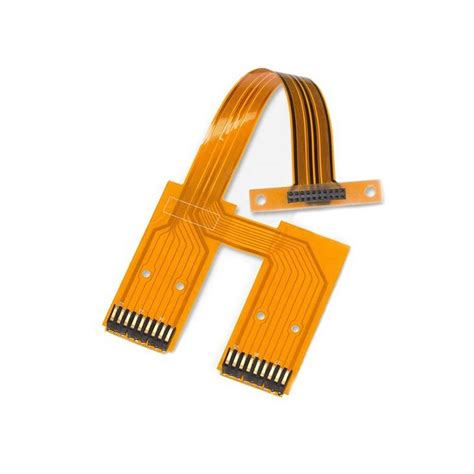
Conclusion: The Path Forward for Electronics Innovation
As the electronics industry continues to evolve, the integration of flexible PCB (printed circuit board) technology and SMT (surface mount technology) assembly solutions represents a pivotal turning point. The versatility of flex PCBs allows for innovative designs that can adapt to the demanding applications of modern electronics, enabling manufacturers to create more compact and efficient devices. These advancements not only enhance product performance but also contribute to sustainability goals by reducing material waste. The focus on pcb assembly processes has led to increased automation and precision, which in turn boosts productivity. Looking ahead, the ongoing development of pcba methods will likely address challenges related to thermal management and miniaturization, ensuring these technologies can support even more complex designs. By embracing these changes, stakeholders in the electronics sector can unlock vast opportunities for innovation and competitiveness in a rapidly evolving market. As we forge ahead, it is crucial for industry players to remain agile and responsive, leveraging the potential of flexible PCBs and advanced SMT assembly techniques to shape the future of technology.
Conclusion: The Path Forward for Electronics Innovation
As we look to the future of the electronics industry, the role of flexible PCB technology and SMT assembly solutions cannot be overstated. With their capacity to provide superior design flexibility and efficiency, these innovations are poised to drive significant advancements in product development. The trend towards miniaturization and complex designs necessitates a shift towards more adaptable manufacturing processes, making pcb assembly techniques crucial for success. Companies that harness the power of PCBA will be at the forefront of this revolution, enabling new applications that were previously thought impossible. Enhanced SMT assembly processes and state-of-the-art materials are transforming how products are conceived, designed, and manufactured. The intersection of these technologies creates an avenue for unprecedented integration capabilities, ensuring that electronics continue to evolve alongside consumer demands. As innovation accelerates, it is clear that investment in flexible PCBs and advanced pcb assembly practices will pave the way for groundbreaking developments in the field.

FAQs
What is flex PCB technology?
Flex PCB technology involves the use of flexible printed circuit boards that can bend and conform to various shapes. This adaptability is essential for modern electronics where space and weight are critical factors.
How does SMT assembly work with flex PCBs?
SMT assembly, or surface-mount technology assembly, utilizes machines to place surface-mount components onto a circuit board without drilling holes. When combined with flex PCBs, this method enhances design flexibility, allowing manufacturers to create compact, lightweight products.
What are the main advantages of flexible PCBs in electronic devices?
The primary advantages of flex PCBs include lightweight construction, space-saving capability, and improved thermal performance. They allow for innovative product designs by reducing the size and weight of components while ensuring durable connections in challenging environments.
How does using flex PCB affect the efficiency of manufacturing?
Implementing flex PCB assembly can lead to increased efficiency in manufacturing processes by reducing material waste, decreasing assembly time, and simplifying logistics by allowing for more compact product designs. This ultimately contributes to lower production costs and faster time-to-market.
What types of industries benefit from flex PCB and SMT assembly solutions?
Various industries benefit from these technologies, including consumer electronics, medical devices, automotive applications, and aerospace sectors. These sectors leverage the design flexibility and advanced technology offered by PCBA solutions to create innovative products that meet rigorous performance standards.
Explore Advanced Solutions in PCB Assembly
For more information on how flex PCB and SMT assembly solutions can enhance your projects, please click here.