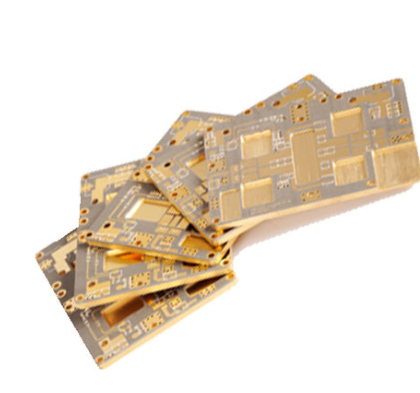
Aluminium metal core pcb
Advantages Of Aluminium Metal Core PCBs In Thermal Management
Aluminium metal core PCBs (Printed Circuit Boards) have emerged as a pivotal innovation in the realm of thermal management, offering a myriad of advantages that make them indispensable in various high-performance applications. One of the most significant benefits of aluminium metal core PCBs is their exceptional thermal conductivity.
Unlike traditional FR4 boards, which often struggle with heat dissipation, aluminium cores efficiently transfer heat away from critical components. This capability is particularly crucial in high-power applications where excessive heat can lead to component failure or reduced performance. By effectively managing thermal loads, aluminium metal core PCBs enhance the reliability and longevity of electronic devices.
In addition to their superior thermal conductivity, aluminium metal core PCBs also exhibit remarkable mechanical stability. The inherent strength of aluminium provides a robust foundation that can withstand mechanical stresses and vibrations. This attribute is especially beneficial in automotive, aerospace, and industrial applications where electronic systems are frequently exposed to harsh environments. The durability of aluminium metal core PCBs ensures that they maintain their structural integrity, thereby safeguarding the functionality of the electronic components they support.
Moreover, the use of aluminium as a core material in PCBs contributes to improved electrical performance. Aluminium’s excellent electrical conductivity ensures minimal signal loss and interference, which is vital for maintaining the integrity of high-frequency signals. This characteristic is particularly advantageous in applications such as LED lighting, where consistent and reliable signal transmission is essential for optimal performance. The combination of thermal and electrical efficiency makes aluminium metal core PCBs a preferred choice for designers seeking to optimize the performance of their electronic systems.
Furthermore, aluminium metal core PCBs offer significant advantages in terms of design flexibility. The ability to incorporate aluminium cores into various PCB configurations allows designers to tailor solutions to specific thermal and mechanical requirements. This flexibility extends to the manufacturing process, where aluminium metal core PCBs can be produced using standard PCB fabrication techniques. Consequently, manufacturers can leverage existing infrastructure and expertise, resulting in cost-effective production without compromising on quality or performance.
Another noteworthy advantage of aluminium metal core PCBs is their environmental sustainability. Aluminium is a recyclable material, and its use in PCBs aligns with the growing emphasis on eco-friendly practices in the electronics industry. By opting for aluminium metal core PCBs, manufacturers can contribute to reducing the environmental impact of electronic waste. This consideration is increasingly important as the industry moves towards more sustainable and responsible manufacturing practices.
In conclusion, the advantages of aluminium metal core PCBs in thermal management are manifold. Their exceptional thermal conductivity, mechanical stability, and electrical performance make them an ideal choice for high-power and high-frequency applications.
The design flexibility and cost-effectiveness further enhance their appeal, while their environmental sustainability aligns with the industry’s shift towards greener practices. As electronic devices continue to evolve and demand higher performance, the role of aluminium metal core PCBs in ensuring efficient thermal management and overall reliability will undoubtedly become even more critical.

Applications Of Aluminium Metal Core PCBs In LED Lighting
Aluminium metal core printed circuit boards (PCBs) have become increasingly significant in the realm of LED lighting, owing to their unique properties and advantages. These PCBs are designed with a metal core, typically aluminium, which serves as a heat sink to dissipate heat away from the components. This characteristic is particularly beneficial in LED lighting applications, where efficient thermal management is crucial for performance and longevity.
One of the primary applications of aluminium metal core PCBs in LED lighting is in residential and commercial lighting solutions. LED bulbs and fixtures are known for their energy efficiency and long lifespan, but they also generate a considerable amount of heat. Aluminium metal core PCBs help manage this heat effectively, ensuring that the LEDs operate within their optimal temperature range. This not only enhances the performance of the LEDs but also extends their lifespan, making them a more reliable and cost-effective option for both homeowners and businesses.
In addition to residential and commercial lighting, aluminium metal core PCBs are extensively used in street lighting.
Street lights are exposed to various environmental conditions and need to function reliably over long periods. The robust thermal management provided by aluminium metal core PCBs ensures that the LEDs in street lights remain cool and efficient, even in harsh weather conditions. This results in lower maintenance costs and reduced energy consumption, contributing to more sustainable urban infrastructure.
Moreover, aluminium metal core PCBs are also employed in automotive lighting systems.
Modern vehicles are increasingly equipped with LED headlights, taillights, and interior lighting due to their superior brightness and energy efficiency. However, the confined spaces within vehicles can lead to significant heat buildup. Aluminium metal core PCBs address this challenge by providing efficient heat dissipation, thereby maintaining the performance and reliability of automotive LED lighting systems. This is particularly important for headlights, where consistent performance is critical for driver safety.
Furthermore, the use of aluminium metal core PCBs extends to industrial lighting applications.
Factories, warehouses, and other industrial settings often require high-intensity lighting to ensure safe and efficient operations. LED lighting, with its energy-saving benefits, is an ideal choice for these environments. However, the high power levels required for industrial lighting can generate substantial heat. Aluminium metal core PCBs effectively manage this heat, ensuring that the LED lights remain operational and efficient, even under demanding conditions.
Additionally, the benefits of aluminium metal core PCBs are also evident in horticultural lighting.
LED grow lights are increasingly popular in indoor farming and greenhouse applications due to their ability to provide specific light spectra that promote plant growth. However, these lights can produce significant heat, which can be detrimental to both the plants and the lighting system itself. Aluminium metal core PCBs help mitigate this issue by providing superior thermal management, ensuring that the grow lights operate efficiently and safely.
In conclusion, the applications of aluminium metal core PCBs in LED lighting are vast and varied, spanning residential, commercial, street, automotive, industrial, and horticultural lighting. The superior thermal management provided by these PCBs ensures that LED lighting systems operate efficiently, reliably, and with an extended lifespan. As the demand for energy-efficient and high-performance lighting solutions continues to grow, the role of aluminium metal core PCBs in LED lighting is set to become even more critical.
Manufacturing Process Of Aluminium Metal Core PCBs
The manufacturing process of aluminium metal core PCBs (Printed Circuit Boards) is a sophisticated and intricate procedure that demands precision and expertise. Aluminium metal core PCBs are highly valued in the electronics industry for their superior thermal management capabilities, making them ideal for high-power applications. The journey from raw materials to a fully functional aluminium metal core PCB involves several critical steps, each contributing to the overall quality and performance of the final product.
To begin with, the process starts with the selection of high-quality aluminium as the base material.
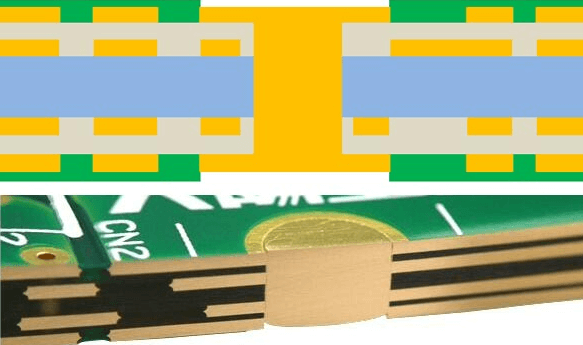
Aluminium is chosen for its excellent thermal conductivity and mechanical strength, which are essential for the efficient dissipation of heat generated by electronic components. The aluminium base is typically coated with a dielectric layer, which serves as an insulating barrier between the conductive layers and the metal core. This dielectric layer is crucial for preventing electrical shorts and ensuring the reliability of the PCB.
Following the preparation of the aluminium base, the next step involves the application of a copper foil layer.
The copper foil is laminated onto the dielectric layer using a combination of heat and pressure. This lamination process ensures a strong bond between the copper and the dielectric, which is vital for the structural integrity of the PCB. The thickness of the copper layer can vary depending on the specific requirements of the application, with thicker layers being used for high-current applications.
Once the copper foil is securely laminated, the PCB undergoes a process known as photoresist application.
During this stage, a photosensitive material is applied to the surface of the copper layer. This material is then exposed to ultraviolet (UV) light through a photomask, which contains the desired circuit pattern. The areas exposed to UV light harden, while the unexposed areas remain soft and can be easily removed. This selective hardening process creates a precise pattern on the copper layer, which will form the conductive traces of the PCB.
After the photoresist application, the PCB is subjected to an etching process.
In this step, the PCB is immersed in a chemical solution that removes the unprotected copper, leaving behind only the desired circuit pattern. The etching process must be carefully controlled to ensure that the copper traces are accurately formed and that there are no defects or irregularities. Once the etching is complete, the remaining photoresist is stripped away, revealing the finished copper traces.
The next phase in the manufacturing process involves drilling holes for component placement and interlayer connections.
These holes, known as vias, are drilled using precision machinery to ensure accurate alignment and placement. After drilling, the vias are plated with copper to establish electrical connections between different layers of the PCB.
Following the drilling and plating process, the PCB undergoes a series of surface treatments to enhance its performance and durability.
These treatments may include solder mask application, which protects the copper traces from oxidation and prevents solder bridges during component assembly. Additionally, a silkscreen layer may be applied to provide labels and markings for component placement.
Finally, the completed aluminium metal core PCB is subjected to rigorous testing and inspection to ensure it meets all quality and performance standards.
This testing may include electrical testing, thermal cycling, and visual inspection to identify any defects or inconsistencies. Once the PCB passes all tests, it is ready for assembly and integration into electronic devices.
In conclusion, the manufacturing process of aluminium metal core PCBs is a complex and meticulous procedure that requires careful attention to detail at every stage. From the selection of raw materials to the final testing and inspection, each step plays a crucial role in ensuring the reliability and performance of the finished product. The result is a high-quality PCB that offers superior thermal management and is well-suited for demanding electronic applications.
Comparing Aluminium Metal Core PCBs To Traditional FR4 PCBs
When it comes to printed circuit boards (PCBs), the choice of material can significantly impact the performance, durability, and efficiency of electronic devices. Aluminium metal core PCBs and traditional FR4 PCBs are two popular options, each with its own set of advantages and limitations. Understanding the differences between these two types of PCBs is crucial for making informed decisions in electronic design and manufacturing.
Aluminium metal core PCBs are known for their excellent thermal conductivity, which is a critical factor in high-power applications.
The aluminium core acts as a heat sink, efficiently dissipating heat away from critical components. This characteristic makes aluminium metal core PCBs particularly suitable for LED lighting, power supplies, and automotive applications where heat management is paramount.
In contrast, traditional FR4 PCBs, made from woven glass epoxy material, have lower thermal conductivity. While FR4 PCBs are adequate for many low to moderate power applications, they may struggle to manage heat in high-power scenarios, potentially leading to reduced performance and reliability.
Another significant difference between aluminium metal core PCBs and FR4 PCBs lies in their mechanical properties.
Aluminium metal core PCBs offer superior mechanical strength and rigidity, which can be advantageous in environments subject to mechanical stress or vibration. This robustness ensures that the PCB maintains its structural integrity, reducing the risk of damage during operation. On the other hand, FR4 PCBs, while still reasonably durable, are more prone to flexing and bending, which can lead to potential issues in demanding applications.
In terms of electrical performance, both aluminium metal core PCBs and FR4 PCBs have their respective strengths
. Aluminium metal core PCBs provide excellent electrical insulation due to the dielectric layer between the aluminium core and the copper circuitry. This insulation is crucial for preventing electrical shorts and ensuring reliable operation. However, FR4 PCBs are known for their versatility and are widely used in a broad range of electronic devices, from consumer electronics to industrial equipment. The material’s consistent electrical properties and ease of manufacturing make FR4 a popular choice for many applications.
Cost is another factor that differentiates aluminium metal core PCBs from traditional FR4 PCBs.
Generally, aluminium metal core PCBs tend to be more expensive due to the cost of the aluminium material and the additional manufacturing processes required. This higher cost can be justified in applications where thermal management and mechanical strength are critical. Conversely, FR4 PCBs are more cost-effective and are often the preferred choice for budget-conscious projects or applications where the thermal and mechanical demands are less stringent.
Despite these differences, both aluminium metal core PCBs and FR4 PCBs have their place in the electronics industry.
The choice between the two ultimately depends on the specific requirements of the application. For high-power, thermally demanding, or mechanically challenging environments, aluminium metal core PCBs offer distinct advantages. In contrast, for general-purpose applications where cost and versatility are key considerations, traditional FR4 PCBs remain a reliable and widely used option.
In conclusion, comparing aluminium metal core PCBs to traditional FR4 PCBs reveals a range of factors that influence their suitability for different applications.
By carefully considering thermal management, mechanical strength, electrical performance, and cost, designers and manufacturers can select the most appropriate PCB material to meet their specific needs. As technology continues to evolve, the ongoing development of PCB materials will undoubtedly lead to even more advanced solutions, further enhancing the capabilities of electronic devices.