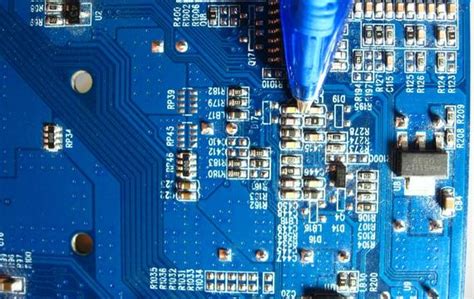
Aluminum based pcb
Advantages Of Aluminum Based PCBs In Thermal Management
Aluminum-based printed circuit boards (PCBs) have emerged as a pivotal innovation in the realm of electronics, particularly in applications where thermal management is of paramount importance.
The unique properties of aluminum make it an ideal substrate for PCBs, offering a range of advantages that significantly enhance the performance and reliability of electronic devices. As we delve into the benefits of aluminum-based PCBs in thermal management, it becomes evident why this material is increasingly favored in various high-performance applications.
One of the foremost advantages of aluminum-based PCBs is their superior thermal conductivity. Aluminum, as a metal, has excellent heat dissipation properties, which are crucial in preventing overheating in electronic components.
When electronic devices operate, they generate heat, and if this heat is not efficiently managed, it can lead to component failure or reduced lifespan. Aluminum-based PCBs effectively transfer heat away from critical components, thereby maintaining optimal operating temperatures and ensuring the longevity and reliability of the device.
In addition to their thermal conductivity, aluminum-based PCBs offer enhanced mechanical stability. The robust nature of aluminum provides a sturdy foundation for electronic components, reducing the risk of mechanical damage during operation. This is particularly beneficial in applications where devices are subjected to physical stress or vibrations, such as in automotive or industrial environments. The mechanical stability of aluminum-based PCBs ensures that the components remain securely in place, thereby enhancing the overall durability of the device.
Moreover, aluminum-based PCBs are known for their lightweight properties.
Despite their strength and thermal efficiency, aluminum is a relatively light material, which is advantageous in applications where weight is a critical factor. For instance, in aerospace and portable electronic devices, reducing weight without compromising performance is essential. Aluminum-based PCBs strike an optimal balance between weight and functionality, making them an ideal choice for such applications.
Another significant benefit of aluminum-based PCBs is their environmental friendliness.
Aluminum is a recyclable material, and the use of aluminum-based PCBs contributes to sustainable manufacturing practices. As the electronics industry increasingly prioritizes eco-friendly solutions, the recyclability of aluminum-based PCBs aligns with the growing emphasis on reducing environmental impact. This not only benefits the environment but also enhances the corporate social responsibility profile of companies that adopt aluminum-based PCBs in their products.
Furthermore, the cost-effectiveness of aluminum-based PCBs cannot be overlooked. While the initial cost of aluminum may be higher compared to traditional materials like fiberglass, the long-term benefits in terms of thermal management, durability, and reliability often result in lower overall costs. Reduced component failure rates and extended device lifespans translate to fewer replacements and maintenance requirements, ultimately leading to cost savings for manufacturers and end-users alike.
In conclusion, the advantages of aluminum-based PCBs in thermal management are manifold. Their superior thermal conductivity, mechanical stability, lightweight properties, environmental friendliness, and cost-effectiveness make them an indispensable component in modern electronic devices. As technology continues to advance and the demand for high-performance, reliable, and sustainable solutions grows, aluminum-based PCBs are poised to play an increasingly critical role in the electronics industry. By effectively managing heat and enhancing the durability of electronic components, aluminum-based PCBs ensure that devices operate efficiently and reliably, meeting the ever-evolving needs of consumers and industries worldwide.
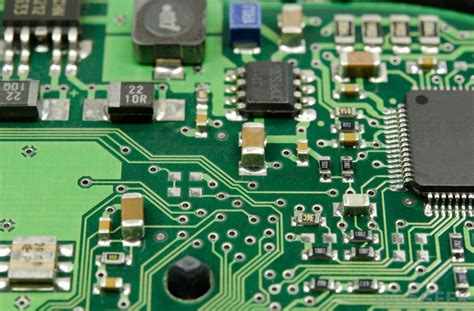
Applications Of Aluminum Based PCBs In LED Lighting
Aluminum-based PCBs, or Metal Core Printed Circuit Boards (MCPCBs), have become increasingly significant in the realm of LED lighting. Their unique properties make them particularly well-suited for applications where heat dissipation and durability are paramount. As the demand for energy-efficient and long-lasting lighting solutions continues to grow, the role of aluminum-based PCBs in LED lighting becomes ever more critical.
One of the primary reasons aluminum-based PCBs are favored in LED lighting is their exceptional thermal conductivity.
LEDs, while highly efficient, generate a considerable amount of heat during operation. If this heat is not effectively managed, it can lead to reduced performance and a shorter lifespan for the LEDs. Aluminum-based PCBs address this issue by providing a robust thermal management solution. The aluminum core acts as a heat sink, efficiently dissipating heat away from the LEDs and ensuring stable operation. This thermal efficiency not only enhances the performance of the LEDs but also extends their operational life, making aluminum-based PCBs an indispensable component in high-performance LED lighting systems.
In addition to their thermal management capabilities, aluminum-based PCBs offer superior mechanical stability.
The aluminum substrate provides a sturdy foundation that can withstand the rigors of various environmental conditions. This durability is particularly beneficial in outdoor and industrial lighting applications, where exposure to harsh elements is common. For instance, street lighting systems, which are exposed to varying weather conditions, benefit greatly from the robustness of aluminum-based PCBs. The ability to maintain structural integrity under such conditions ensures reliable and consistent performance, thereby reducing maintenance costs and enhancing the overall reliability of the lighting system.
Furthermore, the use of aluminum-based PCBs in LED lighting contributes to energy efficiency.
The efficient heat dissipation properties of these PCBs allow LEDs to operate at optimal temperatures, which in turn maximizes their luminous efficacy. This means that more light is produced per unit of electrical power consumed, leading to significant energy savings. In an era where energy conservation is a global priority, the role of aluminum-based PCBs in promoting energy-efficient lighting solutions cannot be overstated. By enabling LEDs to function at their best, these PCBs help reduce energy consumption and lower carbon footprints, aligning with sustainability goals.
Moreover, the versatility of aluminum-based PCBs makes them suitable for a wide range of LED lighting applications.
From residential and commercial lighting to automotive and aerospace lighting systems, the adaptability of these PCBs ensures they can meet the diverse needs of various industries. For example, in automotive lighting, the ability to manage heat effectively is crucial for the longevity and reliability of LED headlights and taillights. Similarly, in aerospace applications, where reliability and performance are critical, aluminum-based PCBs provide the necessary thermal management and durability.
In conclusion, the applications of aluminum-based PCBs in LED lighting are vast and varied, driven by their superior thermal management, mechanical stability, energy efficiency, and versatility. As the LED lighting industry continues to evolve, the importance of these PCBs will only grow, ensuring that LED lighting systems remain efficient, reliable, and sustainable. The integration of aluminum-based PCBs into LED lighting solutions represents a significant advancement in the pursuit of high-performance, energy-efficient lighting technologies.
Manufacturing Process Of Aluminum Based PCBs
The manufacturing process of aluminum-based PCBs is a sophisticated and intricate procedure that demands precision and expertise. Aluminum-based PCBs, also known as metal core PCBs, are highly valued for their excellent thermal conductivity and mechanical stability, making them ideal for high-power applications.
The journey of creating these advanced circuit boards begins with the selection of high-quality materials. The base material, aluminum, is chosen for its superior heat dissipation properties, which are crucial for maintaining the performance and longevity of electronic components.
Once the aluminum base is selected, the next step involves the application of a dielectric layer. This layer serves as an insulating barrier between the conductive copper layer and the aluminum base.
The dielectric material is typically a thermally conductive but electrically insulating polymer, which ensures efficient heat transfer while preventing electrical shorts. The dielectric layer is applied using a lamination process, where the material is pressed onto the aluminum base under high temperature and pressure, ensuring a uniform and robust bond.
Following the lamination of the dielectric layer, the copper foil is laminated onto the dielectric layer.
This copper layer will eventually form the conductive pathways of the PCB. The lamination process is critical, as it must ensure a strong adhesion between the copper and the dielectric material to prevent delamination during subsequent manufacturing steps. Once the copper foil is securely laminated, the board undergoes a cleaning process to remove any contaminants that could interfere with the etching process.
The next phase in the manufacturing process is the application of a photoresist layer.
This light-sensitive material is applied to the surface of the copper foil and then exposed to ultraviolet (UV) light through a photomask. The photomask contains the desired circuit pattern, and the UV exposure hardens the photoresist in the areas where the circuit paths will be formed. The unexposed areas of the photoresist remain soft and are subsequently washed away, revealing the underlying copper.
With the photoresist pattern in place, the board is ready for the etching process.
During etching, a chemical solution is used to remove the exposed copper, leaving behind the desired circuit pattern protected by the hardened photoresist. This step requires precise control to ensure that the etching solution only removes the unwanted copper without damaging the circuit paths. After etching, the remaining photoresist is stripped away, revealing the completed copper circuitry.
To further enhance the durability and performance of the aluminum-based PCB, a solder mask is applied. The solder mask is a protective layer that covers the entire board except for the areas where components will be soldered. This layer prevents solder bridges and protects the copper traces from oxidation and environmental damage. The application of the solder mask is followed by a curing process, where the board is exposed to heat to harden the mask.
Finally, the board undergoes a surface finish process, where a protective coating is applied to the exposed copper pads to enhance solderability and prevent corrosion. Common surface finishes include HASL (Hot Air Solder Leveling), ENIG (Electroless Nickel Immersion Gold), and OSP (Organic Solderability Preservative). Once the surface finish is applied, the board is ready for component assembly and final testing.
In conclusion, the manufacturing process of aluminum-based PCBs involves a series of meticulously controlled steps, each critical to ensuring the final product’s performance and reliability. From material selection to surface finishing, every stage is designed to optimize thermal management and mechanical stability, making aluminum-based PCBs an indispensable component in high-power electronic applications.
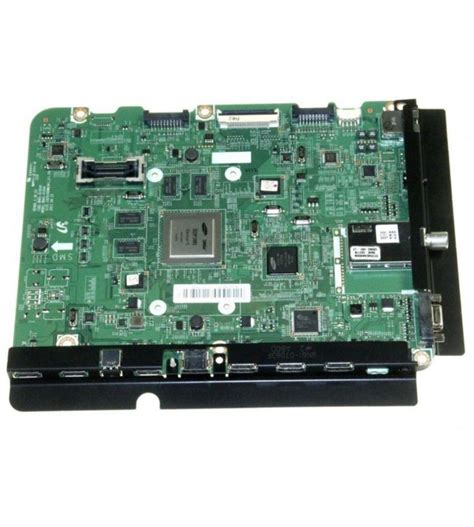
Comparing Aluminum Based PCBs To Traditional FR4 PCBs
When it comes to printed circuit boards (PCBs), the choice of material can significantly impact the performance, durability, and cost of the final product. Among the various materials available, aluminum-based PCBs and traditional FR4 PCBs are two of the most commonly used. Understanding the differences between these two types of PCBs can help engineers and designers make informed decisions tailored to their specific applications.
Aluminum-based PCBs, also known as metal-core PCBs, are constructed with a metal substrate, typically aluminum, which provides excellent thermal conductivity. This characteristic is particularly advantageous in applications where heat dissipation is
In contrast, traditional FR4 PCBs are made from a woven fiberglass cloth impregnated with an epoxy resin, which offers good electrical insulation but relatively poor thermal conductivity.
One of the primary benefits of aluminum-based PCBs is their ability to handle higher power levels without compromising performance. The superior thermal management capabilities of aluminum allow for higher current carrying capacity and improved reliability in high-power applications. This makes aluminum-based PCBs an ideal choice for industries where thermal performance is paramount. On the other hand, FR4 PCBs, while versatile and widely used, may struggle to manage heat effectively in high-power scenarios, potentially leading to reduced lifespan and performance issues.
In addition to thermal performance, mechanical durability is another area where aluminum-based PCBs excel.
The metal substrate provides a robust foundation that can withstand mechanical stress and vibration better than FR4 materials. This makes aluminum-based PCBs suitable for harsh environments and applications where mechanical stability is crucial. Conversely, FR4 PCBs, while generally durable, may not offer the same level of mechanical resilience, particularly in demanding conditions.
However, it is important to consider the cost implications when comparing aluminum-based PCBs to traditional FR4 PCBs.
Aluminum-based PCBs tend to be more expensive due to the cost of the metal substrate and the additional manufacturing processes required. This higher cost can be a limiting factor for budget-sensitive projects or applications where the enhanced thermal and mechanical properties of aluminum are not essential. In such cases, FR4 PCBs offer a cost-effective solution that meets the needs of a wide range of applications without the added expense.
Moreover, the design flexibility of FR4 PCBs is another advantage worth noting.
The material’s widespread use and familiarity among manufacturers mean that a vast array of design options and customization possibilities are available. This can be particularly beneficial for complex or specialized projects where specific design requirements must be met. While aluminum-based PCBs also offer design flexibility, the options may be more limited compared to the well-established FR4 material.
In conclusion, the choice between aluminum-based PCBs and traditional FR4 PCBs ultimately depends on the specific requirements of the application. Aluminum-based PCBs provide superior thermal management and mechanical durability, making them ideal for high-power and harsh environment applications.
However, they come at a higher cost and may offer less design flexibility compared to FR4 PCBs. On the other hand, FR4 PCBs are versatile, cost-effective, and widely used across various industries, making them a reliable choice for many standard applications. By carefully considering the unique demands of their projects, engineers and designers can select the most appropriate PCB material to ensure optimal performance and longevity