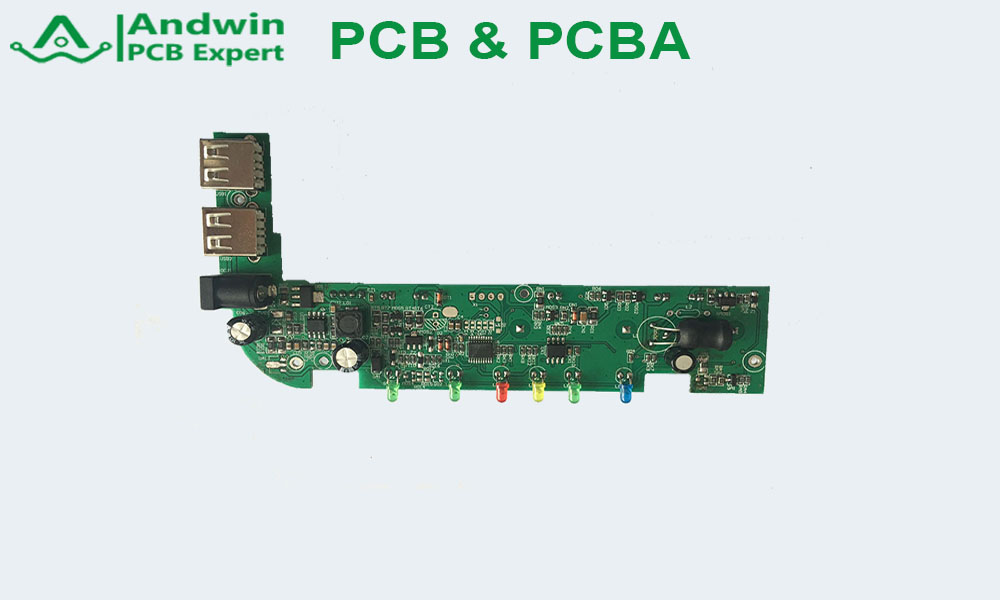
Aluminum foil pcb
What is aluminum foil pcb?
Aluminum foil PCB (Printed Circuit Board) is a type of circuit board that uses aluminum foil as the base material instead of traditional fiberglass or epoxy resin.

The aluminum foil is coated with a layer of copper and then etched to create the circuit pattern.
This type of PCB is commonly used in low-cost and low-power applications, such as LED lighting, power supplies,
and small electronic devices. Aluminum foil PCBs are easy to manufacture and can be made in small quantities,
making them ideal for prototyping and DIY projects.
They are also lightweight and have good thermal conductivity, making them suitable for applications that require heat dissipation.
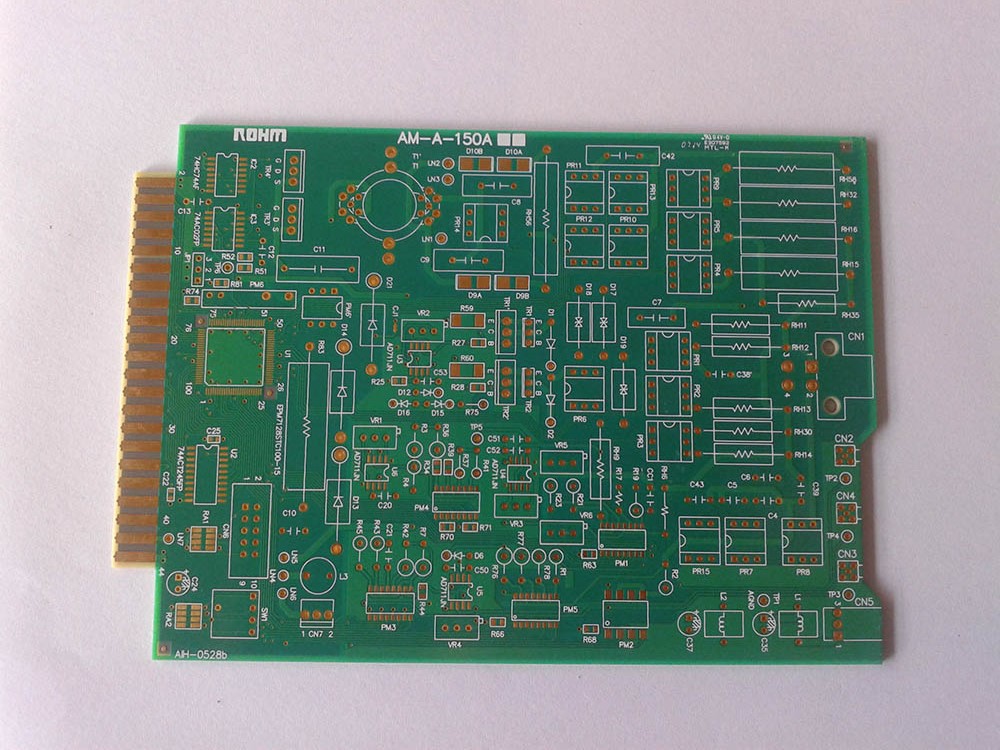
types of aluminum foil pcb
There are several types of aluminum foil PCBs, including:
1. Single-sided aluminum foil PCB: This type of PCB has a copper layer on one side of the aluminum foil substrate.
2. Double-sided aluminum foil PCB: This type of PCB has a copper layer on both sides of the aluminum foil substrate.
3. Multilayer aluminum foil PCB: This type of PCB has multiple layers of aluminum foil and copper, with each layer connected by vias.
4. Flexible aluminum foil PCB: This type of PCB is made of a flexible aluminum foil substrate that can be bent or twisted to fit into tight spaces.
5. Rigid-flex aluminum foil PCB: This type of PCB combines the flexibility of a flexible PCB with the rigidity of a traditional PCB, making it suitable for complex designs.
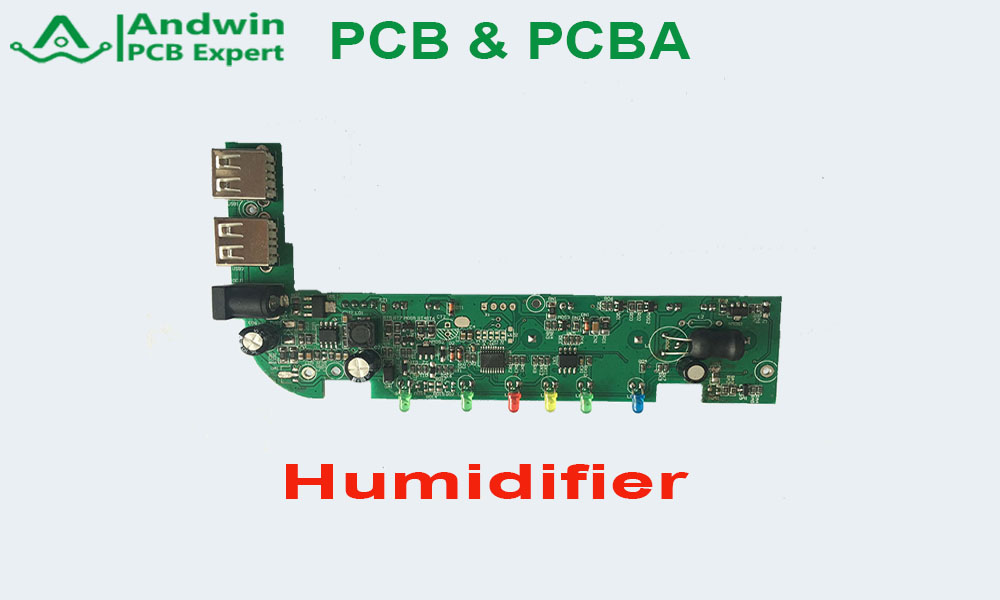
where is the aluminum foil pcb used?
Aluminum foil PCBs (Printed Circuit Boards) are typically used in high-power LED lighting applications,
power supplies, and other electronic devices that require efficient heat dissipation.
The aluminum substrate provides better thermal conductivity compared to traditional FR4 PCBs,
allowing for better heat dissipation and increased reliability.