Aluminum nitride ceramic pcb

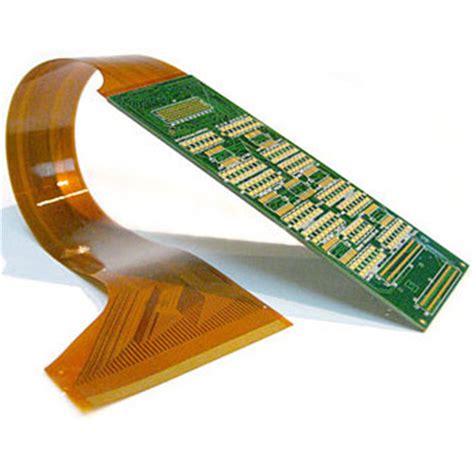
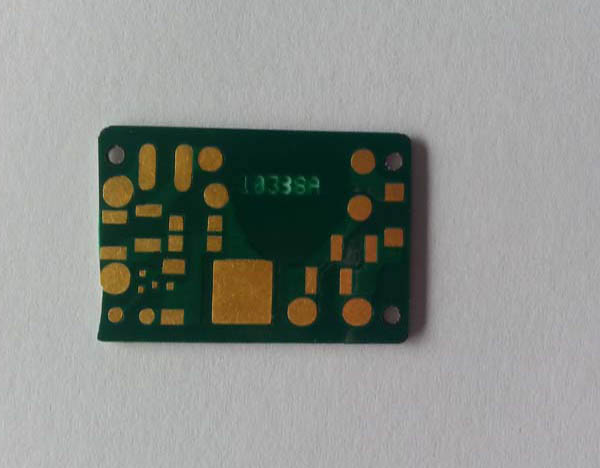
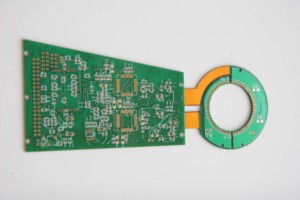
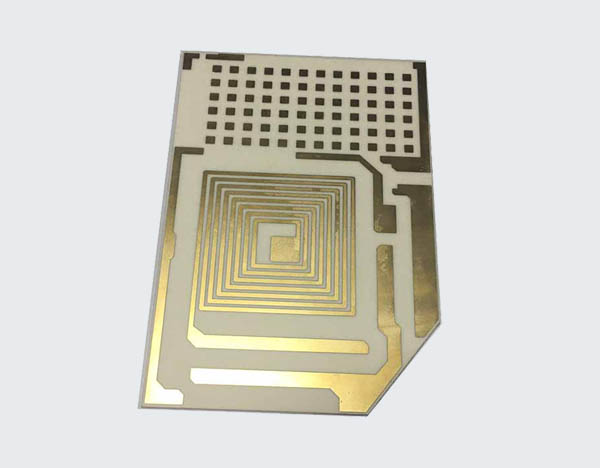
ALN ceramic PCB, also known as Aluminum Nitride ceramic PCB, is a type of

printed circuit board that utilizes Aluminum Nitride as its base material. It is a highly

specialized and advanced technology that offers unique advantages over traditional

PCB materials such as FR4 or ceramic substrates like Alumina (Al2O3).

Aluminum Nitride (AlN) is a ceramic material that exhibits exceptional thermal

conductivity, electrical insulation properties, and high mechanical strength. These

properties make it an ideal choice for various electronic applications, especially

those requiring efficient heat dissipation and high-power performance.
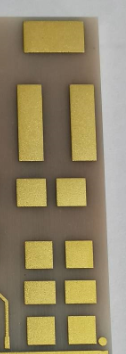
The construction of an ALN ceramic PCB involves the deposition of a thin layer of Aluminum

Nitride onto a metal substrate, typically copper or aluminum. This layer acts as the dielectric

material, providing electrical insulation between the copper traces and components mounted

on the board. The copper traces are then patterned onto the ALN layer using standard PCB

fabrication techniques, forming the circuitry.

One of the key advantages of ALN ceramic PCBs is their superior thermal management

capabilities. Aluminum Nitride has a thermal conductivity of around 170-200 W/mK, which

is significantly higher than traditional PCB materials like FR4 (0.25 W/mK). This high thermal

conductivity allows for efficient heat dissipation from power components, reducing the risk

of overheating and improving the overall reliability and performance of the electronic device.
GET IN TOUCH!

In addition to thermal management, ALN ceramic PCBs also offer excellent electrical

insulation properties. The high breakdown voltage and low dielectric loss of Aluminum

Nitride make it suitable for high-voltage applications and environments with high-frequency

signals. This makes ALN ceramic PCBs ideal for power electronics, RF/microwave devices,

LED lighting, and other high-performance applications.

Another advantage of ALN ceramic PCBs is their mechanical strength. Aluminum Nitride

has a high Young’s modulus and excellent resistance to thermal stress, making it less

prone to warping or cracking compared to other PCB materials. This mechanical

robustness ensures the long-term reliability of the PCB, especially in harsh operating

conditions or when subjected to mechanical stresses.

Similar Posts

  • Copper board production process

    Copper is an abbreviation for Eletcroless Plating Copper, also known as Plated Through Hole (PTH), which is an autocatalytic redox reaction. After two or more layers are drilled, the PTH process is performed. The role of PTH: A thin layer of chemical copper is chemically deposited on a drilled, non-conductive cell wall substrate to serve…

  • Gold plating rogers 4003c pcb

    Benefits Of Gold Plating On Rogers 4003C PCB Gold plating on Rogers 4003C PCBs offers a multitude of benefits that significantly enhance the performance and reliability of electronic devices. As the demand for high-frequency applications continues to rise, the need for materials that can support such requirements becomes increasingly critical. Rogers 4003C, a high-frequency laminate,…

  • How to Ensure Correct Layer Stackup in PCB Design

    Introduction Printed Circuit Board (PCB) layer stackup is a critical aspect of modern electronic design that directly impacts signal integrity, power delivery, electromagnetic compatibility (EMC), and manufacturability. As PCBs become more complex with higher layer counts and faster signal speeds, proper stackup design has evolved from being merely important to absolutely essential. This article provides…

  • Ceramic pcb material

    Advantages Of Using Ceramic PCB Material In High-Frequency Applications When it comes to high-frequency applications, the choice of materials can make or break the performance of your electronic devices. One material that has been gaining traction in this field is ceramic PCB material. You might be wondering, why ceramic? Well, let’s dive into the advantages…

  • The Importance of Understanding PCB Assembly and Prototype Design

    Introduction In today’s rapidly evolving technological landscape, Printed Circuit Boards (PCBs) form the backbone of nearly all electronic devices. From smartphones and laptops to medical equipment and automotive systems, PCBs enable the complex interconnections that make modern electronics possible. Understanding PCB assembly and prototype design has become increasingly crucial for engineers, designers, entrepreneurs, and even…

  • pcb prototype service

    As technology continues to advance, the demand for printed circuit boards (PCBs) hasincreased significantly. PCBs are used in a wide range of electronic devices, fromsmartphones and laptops to medical equipment and aerospace technology. With the rise indemand for PCBs, the need for PCB prototype services has also increased. PCB prototype services provide a quick and…