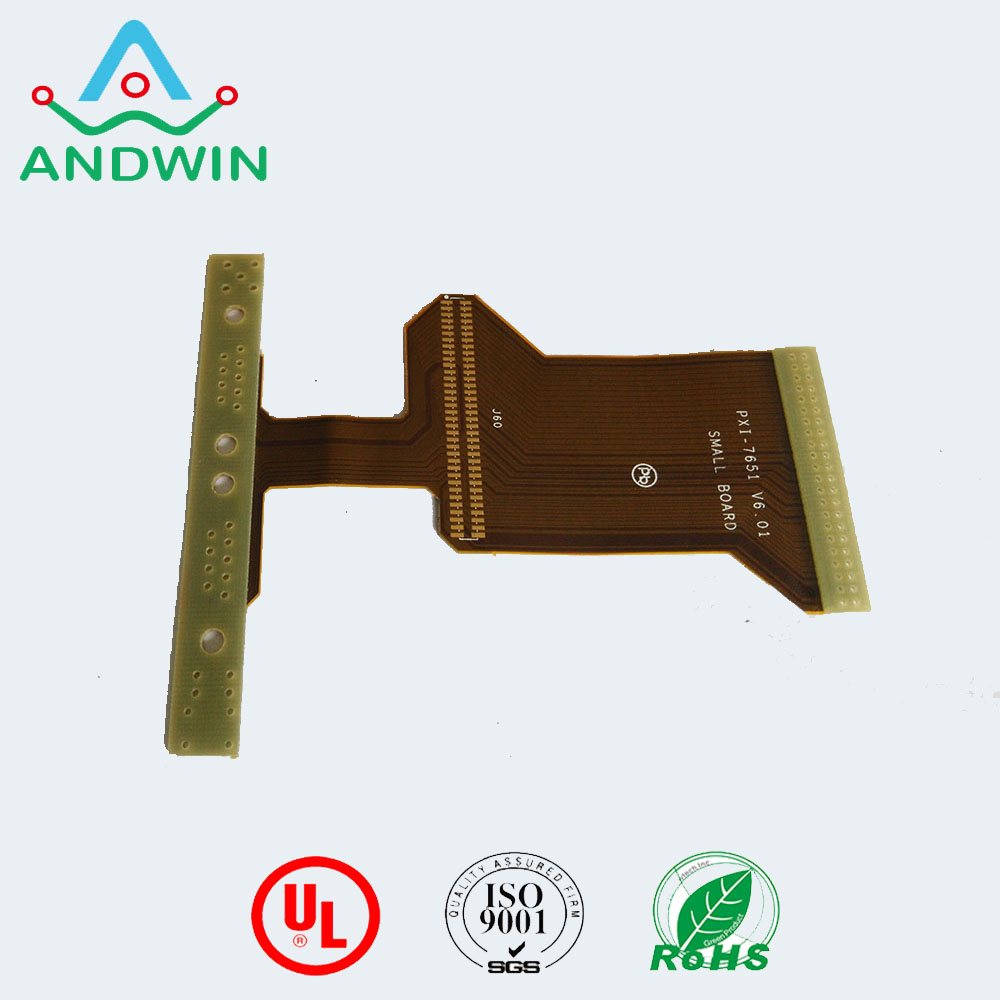
Aluminum pcb through hole
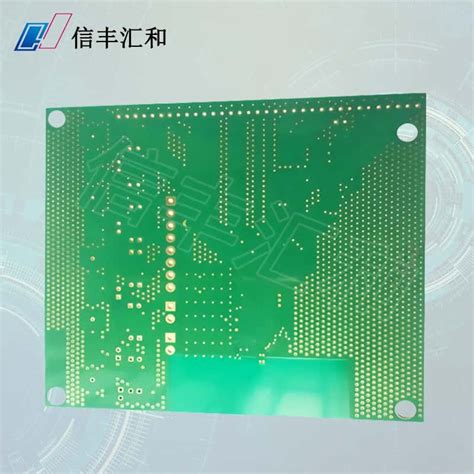
Aluminum PCB (printed circuit board) with through-hole technology refers to a type of PCB that has holes drilled through the aluminum substrate and copper layers to allow components to be inserted and soldered on both sides of the board.

Through-hole technology is commonly used in PCBs for electronic devices that require high power or high current handling capabilities.
Aluminum PCBs with through-hole technology are widely used in LED lighting applications, power supplies,
automotive electronics, and other high-performance electronic devices.
The aluminum substrate provides excellent thermal management,
while the through-hole technology allows for reliable and secure connections between the components and the board.
The manufacturing process for aluminum PCBs with through-hole technology involves drilling holes through the aluminum substrate and copper layers, inserting components into the holes, and then soldering them in place.
The process requires precision and accuracy to ensure that the components are properly aligned and securely attached to the board.
Overall, aluminum PCBs with through-hole technology are a reliable and effective solution for high-performance electronic devices that require robust and durable circuit boards.
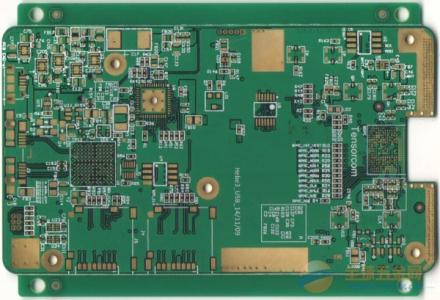
what is aluminum pcb through hole
Aluminum PCB through hole refers to a type of printed circuit board (PCB) made of aluminum material with through-hole technology.
Through-hole technology involves drilling holes through the PCB and inserting component leads through the holes before soldering them to the opposite side of the board.
Aluminum PCBs with through-hole technology are commonly used in applications that require high thermal conductivity and heat dissipation,
such as LED lighting, power supplies, and automotive electronics.
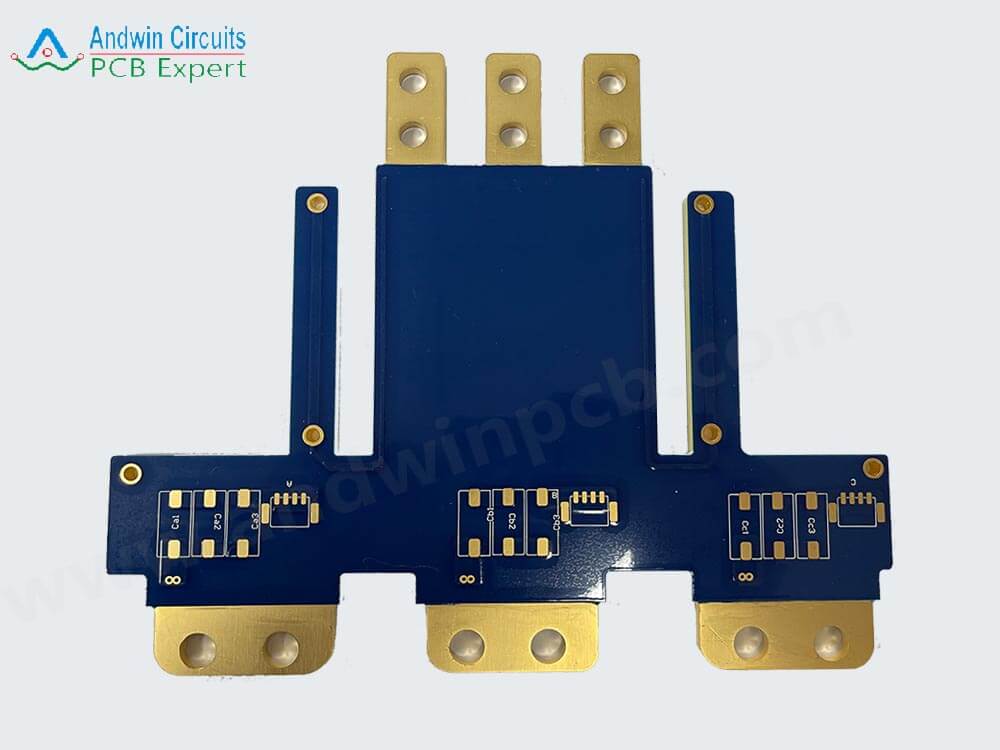
where is the aluminum pcb through hole used?
Aluminum PCB through-hole is used in various applications such as LED lighting,
power supplies, automotive electronics, and consumer electronics.
The through-hole technology allows for the insertion of components into pre-drilled holes on the PCB,
providing a secure connection and improved thermal management.
Aluminum PCBs are also known for their high thermal conductivity,
which makes them ideal for applications that require efficient heat dissipation.