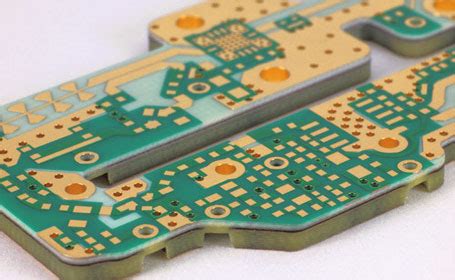
Aluminum pcb vs fr4
Advantages Of Aluminum PCB Over FR4 In Thermal Management
In the realm of printed circuit boards (PCBs), the choice of substrate material plays a crucial role in determining the performance and reliability of electronic devices.
Among the various options available, aluminum PCBs and FR4 PCBs are two of the most commonly used materials.
While FR4, a composite material made of woven fiberglass cloth with an epoxy resin binder, has been the industry standard for many years, aluminum PCBs are gaining traction due to their superior thermal management capabilities.
This article delves into the advantages of aluminum PCBs over FR4 in the context of thermal management, highlighting why aluminum is becoming the preferred choice for high-performance applications.
One of the primary advantages of aluminum PCBs is their exceptional thermal conductivity.
Aluminum, being a metal, has a much higher thermal conductivity compared to the fiberglass and epoxy resin composition of FR4. This property allows aluminum PCBs to dissipate heat more efficiently, thereby reducing the risk of overheating and thermal damage to electronic components.
In high-power applications, such as LED lighting, power supplies, and automotive electronics, effective heat dissipation is critical to maintaining performance and extending the lifespan of the device.
Consequently, aluminum PCBs are often favored in these applications due to their ability to manage heat more effectively than FR4.
Moreover, the enhanced thermal management capabilities of aluminum PCBs contribute to improved reliability and durability of electronic devices.
Excessive heat can lead to thermal stress, which in turn can cause solder joints to weaken and components to fail prematurely.
By efficiently dissipating heat, aluminum PCBs help mitigate these risks, ensuring that electronic devices operate within safe temperature ranges.
This is particularly important in environments where devices are subjected to high temperatures or where consistent performance over extended periods is required. In contrast, FR4 PCBs, with their lower thermal conductivity, may struggle to maintain optimal operating temperatures, potentially compromising the reliability of the device.
In addition to superior thermal conductivity, aluminum PCBs also offer better mechanical stability compared to FR4.
The metal core of aluminum PCBs provides a robust structure that can withstand mechanical stresses and vibrations more effectively than the relatively brittle FR4 material.
This makes aluminum PCBs an ideal choice for applications that involve harsh operating conditions or where mechanical integrity is paramount. For instance, in automotive and aerospace industries, where electronic systems are exposed to constant vibrations and mechanical shocks, the durability of aluminum PCBs ensures that the devices remain functional and reliable.
Furthermore, the use of aluminum PCBs can lead to more compact and lightweight designs.
The efficient heat dissipation properties of aluminum allow for higher power densities, meaning that more components can be packed into a smaller area without the risk of overheating. This is particularly advantageous in modern electronic devices, where space is often at a premium, and there is a constant push towards miniaturization.
In contrast, FR4 PCBs may require additional thermal management solutions, such as heat sinks or cooling fans, to achieve the same level of performance, thereby increasing the overall size and weight of the device.
In conclusion, while FR4 PCBs have been the industry standard for many years, aluminum PCBs offer significant advantages in terms of thermal management. The superior thermal conductivity, improved reliability and durability, better mechanical stability, and potential for more compact designs make aluminum PCBs an attractive option for high-performance applications. As electronic devices continue to evolve and demand higher power densities, the adoption of aluminum PCBs is likely to increase, driven by their ability to effectively manage heat and enhance the overall performance and longevity of electronic systems.
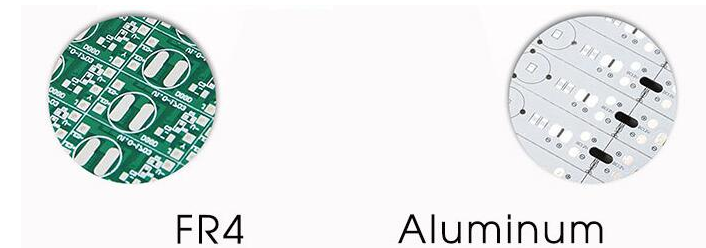
Cost Comparison: Aluminum PCB Vs FR4
When comparing the costs of Aluminum PCBs and FR4 PCBs, it is essential to consider various factors that influence the overall expenditure.
Both types of printed circuit boards (PCBs) have distinct characteristics and applications, which directly impact their cost structures.
Understanding these differences can help in making an informed decision based on budgetary constraints and specific project requirements.
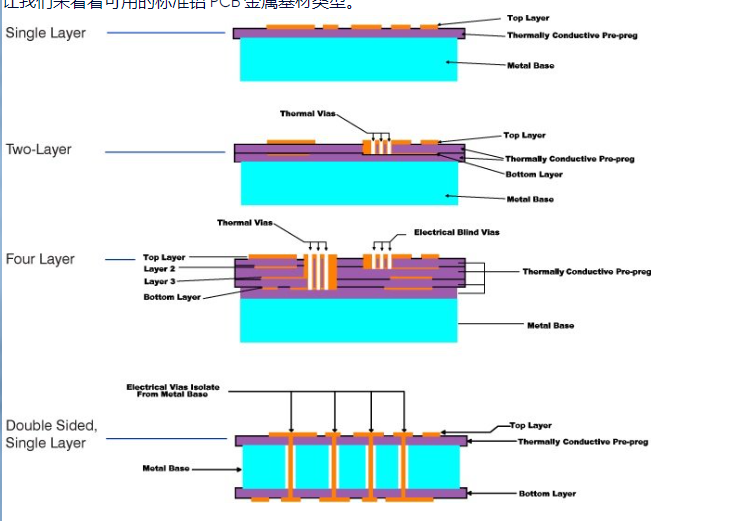
To begin with, the base material is a significant determinant of cost. Aluminum PCBs are constructed using a metal substrate, typically aluminum, which provides excellent thermal conductivity and mechanical stability.
This metal core is more expensive than the fiberglass-reinforced epoxy resin used in FR4 PCBs. Consequently, the raw material cost for Aluminum PCBs is inherently higher. However, this initial cost difference can be justified by the superior thermal management properties of aluminum, which are crucial for high-power applications.
Manufacturing processes also play a crucial role in the cost comparison.
The production of Aluminum PCBs involves additional steps, such as the application of a dielectric layer and the bonding of the aluminum substrate, which are not required for FR4 PCBs. These extra steps contribute to higher manufacturing costs.
On the other hand, FR4 PCBs benefit from a more straightforward and well-established manufacturing process, resulting in lower production costs. This simplicity makes FR4 a cost-effective choice for a wide range of standard applications.
Another factor to consider is the performance and longevity of the PCBs.
Aluminum PCBs are known for their excellent heat dissipation capabilities, which can significantly enhance the performance and lifespan of electronic components.
This attribute is particularly beneficial in applications where heat management is critical, such as LED lighting, power converters, and automotive electronics. While the initial cost of Aluminum PCBs may be higher, the potential savings in terms of reduced cooling requirements and extended component life can offset this expense over time.
In contrast, FR4 PCBs, while less expensive upfront, may incur additional costs related to thermal management solutions, such as heat sinks or cooling fans, especially in high-power applications.
Volume production is another aspect that influences cost. For large-scale production runs, the cost per unit of both Aluminum and FR4 PCBs tends to decrease due to economies of scale.
However, the reduction in cost is generally more pronounced for FR4 PCBs because of their simpler manufacturing process and lower material costs. This makes FR4 a more attractive option for high-volume projects where budget constraints are a primary concern.
It is also important to consider the specific application requirements when comparing costs
For instance, in applications where thermal performance is not a critical factor, the additional expense of Aluminum PCBs may not be justified.
In such cases, FR4 PCBs offer a more economical solution without compromising on performance. Conversely, in high-power or high-temperature environments, the superior thermal properties of Aluminum PCBs can lead to better overall system performance and reliability, making them a worthwhile investment despite the higher initial cost.
In conclusion, while Aluminum PCBs generally come with a higher price tag compared to FR4 PCBs, their superior thermal management capabilities and potential long-term savings can make them a cost-effective choice for specific applications.
On the other hand, FR4 PCBs offer a more economical solution for standard applications with less stringent thermal requirements. Therefore, the decision between Aluminum and FR4 PCBs should be based on a careful evaluation of the specific needs and budgetary constraints of the project at hand.
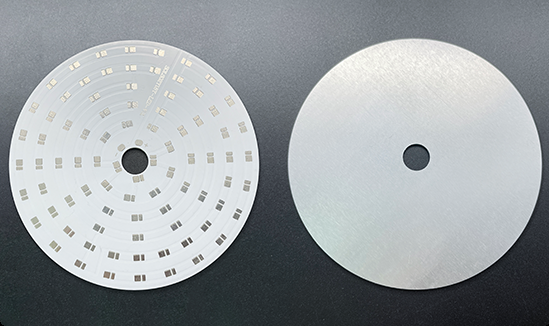
Durability And Reliability: Aluminum PCB Vs FR4
When evaluating the durability and reliability of printed circuit boards (PCBs), two prominent materials often come into consideration: aluminum and FR4. Each material offers distinct advantages and limitations, making the choice between them crucial for the performance and longevity of electronic devices.
Understanding the differences in durability and reliability between aluminum PCBs and FR4 PCBs can guide engineers and designers in selecting the most appropriate material for their specific applications.
Aluminum PCBs are renowned for their excellent thermal conductivity, which significantly enhances their durability. The aluminum substrate effectively dissipates heat away from critical components, reducing the risk of thermal damage and extending the lifespan of the PCB.
This characteristic is particularly beneficial in high-power applications, such as LED lighting and power electronics, where efficient heat management is essential.
By maintaining lower operating temperatures, aluminum PCBs help prevent overheating, which can lead to component failure and reduced reliability.
In contrast, FR4 PCBs, made from woven fiberglass cloth with an epoxy resin binder, offer a different set of durability attributes. FR4 is known for its excellent mechanical strength and rigidity, making it highly resistant to physical stress and deformation.
This robustness ensures that FR4 PCBs can withstand harsh environmental conditions, including vibrations and mechanical shocks, without compromising their structural integrity.
Consequently, FR4 PCBs are often preferred in applications where mechanical stability is paramount, such as in automotive and aerospace industries.
However, the thermal performance of FR4 PCBs is generally inferior to that of aluminum PCBs. The lower thermal conductivity of FR4 can result in higher operating temperatures, which may accelerate the aging process of electronic components and reduce overall reliability.
To mitigate this issue, designers often incorporate additional thermal management solutions, such as heat sinks or thermal vias, to enhance heat dissipation in FR4-based designs. While these measures can improve thermal performance, they may also increase the complexity and cost of the PCB.
Another aspect to consider is the electrical performance of both materials.
Aluminum PCBs typically exhibit lower electrical resistance due to the conductive properties of aluminum. This characteristic can contribute to improved signal integrity and reduced power losses, which are critical factors in high-frequency and high-power applications.
On the other hand, FR4 PCBs offer excellent dielectric properties, providing reliable insulation between conductive layers. This makes FR4 a suitable choice for multilayer PCBs, where maintaining electrical isolation is crucial for preventing signal interference and ensuring reliable operation.
In terms of environmental resistance, both aluminum and FR4 PCBs have their strengths. Aluminum PCBs are highly resistant to moisture and corrosion, making them suitable for use in humid or corrosive environments. 、
This resistance enhances their durability and reliability in outdoor applications or industrial settings where exposure to harsh conditions is common. Conversely, FR4 PCBs are known for their excellent chemical resistance, which protects them from damage caused by exposure to various chemicals and solvents.
This property is particularly advantageous in applications involving chemical processing or medical devices.
In conclusion, the choice between aluminum PCBs and FR4 PCBs depends on the specific requirements of the application. Aluminum PCBs excel in thermal management and electrical performance, making them ideal for high-power and high-frequency applications. FR4 PCBs, with their superior mechanical strength and dielectric properties, are well-suited for environments requiring robust structural integrity and reliable electrical insulation. By carefully considering the durability and reliability attributes of each material, engineers can make informed decisions that optimize the performance and longevity of their electronic designs.
Applications Of Aluminum PCB And FR4 In Different Industries
Aluminum PCBs and FR4 PCBs are two of the most commonly used materials in the printed circuit board industry, each offering distinct advantages and applications across various sectors. Understanding the specific applications of aluminum PCBs and FR4 in different industries can provide valuable insights into their respective roles and benefits.
Aluminum PCBs, known for their excellent thermal conductivity and heat dissipation properties, are predominantly used in industries where managing heat is crucial. One of the primary applications of aluminum PCBs is in the LED lighting industry. LEDs generate significant amounts of heat, and aluminum PCBs help in efficiently dissipating this heat, thereby enhancing the longevity and performance of the LED lights. Additionally, aluminum PCBs are widely used in power supply units, where they help in managing the heat generated by high-power components, ensuring stable and reliable operation.
Moreover, the automotive industry also benefits from the use of aluminum PCBs. Modern vehicles are equipped with numerous electronic components that require efficient heat management to function correctly. Aluminum PCBs are used in automotive lighting systems, engine control units, and power converters, among other applications. Their ability to withstand high temperatures and provide reliable performance makes them an ideal choice for automotive electronics.
In contrast, FR4 PCBs, made from woven glass-reinforced epoxy resin, are known for their versatility and cost-effectiveness. They are widely used in consumer electronics, including smartphones, computers, and home appliances. The excellent electrical insulation properties of FR4 make it suitable for a wide range of applications where thermal management is not as critical. Furthermore, FR4 PCBs are used in telecommunications equipment, where they provide reliable performance in various networking devices and infrastructure.
The medical industry also relies on FR4 PCBs for various applications. Medical devices, such as diagnostic equipment, monitoring systems, and imaging devices, require high precision and reliability. FR4 PCBs offer the necessary electrical insulation and mechanical stability, making them suitable for these critical applications. Additionally, the aerospace industry utilizes FR4 PCBs in various avionics systems, where their lightweight and durable nature is advantageous.
While both aluminum and FR4 PCBs have their unique applications, there are instances where they are used together to leverage their respective strengths. For example, in high-power applications where both thermal management and electrical insulation are essential, a hybrid approach may be employed. This involves using aluminum PCBs for heat dissipation and FR4 PCBs for electrical insulation, ensuring optimal performance and reliability.
In conclusion, the applications of aluminum PCBs and FR4 in different industries highlight their distinct advantages and roles. Aluminum PCBs excel in thermal management and are widely used in LED lighting, power supplies, and automotive electronics. On the other hand, FR4 PCBs offer versatility and cost-effectiveness, making them suitable for consumer electronics, telecommunications, medical devices, and aerospace applications. Understanding the specific requirements of each industry and the unique properties of these materials can help in selecting the appropriate PCB type for various applications, ensuring optimal performance and reliability.