Assembling PCB Components: A Comprehensive Guide
Key Takeaways
When embarking on PCB assembly, it’s crucial to fully understand the components involved in the process. Each element—whether it’s a resistor, capacitor, or integrated circuit—plays a vital role in the functionality of the PCBA. Having an organized approach to component placement not only optimizes space on the board but also ensures an efficient flow of signals. Utilizing the right tools is equally important; they contribute significantly to achieving precision in soldering and assembly techniques. One common pitfall to avoid is neglecting quality control throughout the process. Regular checks help identify flaws early, preventing costly rework later on. Additionally, becoming acquainted with troubleshooting methods will prepare you for unexpected challenges during PCB assembly. Mastering these key aspects will enhance your overall efficiency and result in a high-quality electronic project that meets professional standards.
Understanding PCB Components: An Overview
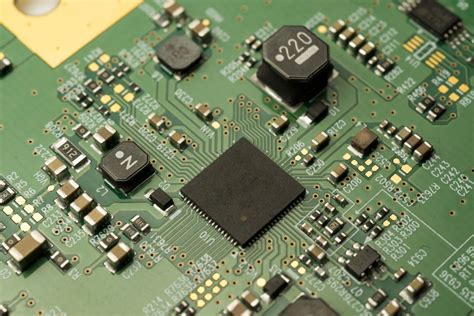
In the world of pcb assembly, every component plays a critical role in the overall functionality of the circuit board. Understanding these PCB components is essential for anyone looking to engage in electronic design or assembly processes. At the heart of it, each component serves a specific purpose—resistors manage voltage levels, capacitors store and release energy, and integrated circuits (ICs) serve as the brain of the operation.
Here’s a quick overview of commonly used PCB components in pcba projects:
| Component Type | Function |
|---|---|
| Resistors | Control voltage and current |
| Capacitors | Store and release electrical energy |
| Inductors | Store energy in a magnetic field |
| Diodes | Allow current to flow in one direction |
| Transistors | Act as switches or signal amplifiers |
| Integrated Circuits | Perform complex functions |
Understanding how these components interact within a circuit is crucial. For example, utilizing resistors alongside capacitors can form timing circuits, while diodes can protect sensitive components from voltage spikes. Through careful consideration of these interactions during pcb assembly, one can achieve optimal performance and reliability in electronic systems.
For those embarking on their journey into pcb assembly, familiarizing oneself with these essentials lays a solid foundation for more advanced techniques and troubleshooting down the line. As you progress, you’ll find that knowledge about PCB components is indispensable for successfully completing your electronic projects.
Essential Tools for PCB Assembly
To achieve successful PCB assembly, having the right tools at your disposal is crucial. A well-equipped workspace can greatly enhance the quality of your work and streamline the assembly process. Key tools include a reliable soldering iron, which should have adjustable temperature settings to accommodate different types of components, as well as a soldering station for stability and ease of use. Additionally, a quality pair of tweezers is essential for handling small components with precision.
For inspecting your work, a magnifying glass or microscope is invaluable, ensuring that you can catch any issues before moving forward. A good set of wire cutters will help you to trim excess leads efficiently. As part of your toolkit, having a PCB holder or a fixture is also recommended, as it allows for better manipulation and stability during the soldering process.
“Using the right tools can make all the difference in creating high-quality printed circuit board assemblies.”
Furthermore, consider having an anti-static wrist strap to prevent damage to sensitive components and ensure safety during the assembly process. Beyond these essential items, investing in cleaning supplies—like isopropyl alcohol and lint-free wipes—will help maintain a tidy workspace and keep your boards free from contamination.
In sum, assembling PCB components (PCBA) effectively hinges on utilizing appropriate tools that enhance both precision and efficiency. Building out this foundational toolkit will not only improve your workflow but also contribute positively to the overall quality of your electronic projects.
Step-by-Step Process for Assembling PCB Components
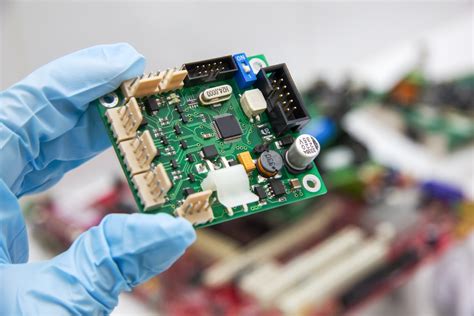
Assembling PCB components is an intricate process that requires careful attention to detail. The first step in this PCB assembly journey is to ensure you have a clean and organized workspace. This helps minimize errors and keeps components easily accessible. Next, gather all your essential tools such as soldering irons, tweezers, and magnifying glasses, which will aid in the precise handling of tiny components. Begin by placing the components onto the Printed Circuit Board (PCB) according to the schematic diagram. It is crucial to align the components accurately, as misalignment can lead to performance issues in your final product.
Once the components are in place, proceed with soldering them securely to the board. For beginners, utilizing techniques like through-hole soldering can provide a more manageable approach before advancing to surface mount technology (SMT). Remember that applying too much heat can damage both the components and the PCB, so practice patience and control during this phase.
After soldering each component, inspect for any potential cold joints or bridges—common issues that can arise during the PCBA process. Utilizing tools like a multimeter can assist in verifying connections before proceeding further. Following these steps diligently not only ensures high-quality results but also enhances your skills as you engage more deeply with electronic projects.
Techniques for Soldering and Component Placement
When it comes to pcb assembly, the techniques employed for soldering and component placement are crucial for achieving a reliable and functional circuit. Soldering can be broadly categorized into two methods: through-hole soldering and surface mount soldering. Through-hole techniques involve inserting component leads through holes on the PCB, then soldering them from the opposite side. This method is particularly suitable for components that require physical support, such as connectors and large capacitors. On the other hand, surface mount soldering involves placing components directly onto the surface of the PCB, which is favored in modern designs for its efficiency and compactness.
A key aspect of successful pcba lies in accurately placing components before the soldering process begins. Using a precision placement tool can significantly enhance accuracy, reducing misalignments that lead to defects. For those opting for manual assembly, employing tweezers or a vacuum pick-up tool can aid in handling delicate components without causing damage.
Once components are placed correctly, attention to detail during the soldering phase is paramount. Ensure that your solder joints are clean and free from excess material to prevent shorts or open circuits. The use of a quality soldering iron with an appropriate tip is essential; a fine tip allows for precise application while preventing heat damage to nearby components. Additionally, keeping your workspace organized helps in maintaining focus during assembly and minimizes mishaps.
For beginners, practicing on scrap PCBs before attempting more intricate projects can build confidence and proficiency. Implementing these techniques in your pcb assembly will enhance both performance and reliability, paving the way toward successful electronic projects.
Common Mistakes in PCB Assembly and How to Avoid Them
When delving into pcb assembly, many enthusiasts and professionals alike often encounter pitfalls that can compromise the integrity of their projects. One of the most frequent errors is poor component placement. Misaligned components can lead to short circuits or failed connections, ultimately affecting the performance of the entire board. It is essential to meticulously double-check each placement before securing components—this practice can mitigate many issues.
Another common mistake involves inadequate soldering techniques. Insufficient heat application may result in weak joints, while excessive heat can damage sensitive components. Adopting proper soldering methods not only enhances connection reliability but also contributes to a cleaner appearance for your pcba. Emphasizing consistent soldering temperature and technique can lead to professional-level results.
Moreover, failing to clean the PCB before assembly is a misstep that should be avoided at all costs. Dirt, oils, or residues from manufacturing can hinder solder adhesion and compromise electrical pathways. Regular cleaning practices with appropriate solvents help maintain the necessary standard for successful pcb assembly.
Finally, neglecting quality control checks throughout the assembly process could turn trivial errors into major setbacks. Implementing a routine for inspecting all connections and components before finalizing your project ensures that any potential flaws are identified early, saving time and resources in the long run.
By being vigilant about these common mistakes in pcb assembly, one can significantly enhance both the efficiency and quality of their electronic projects, paving the way for success whether you are a novice or an experienced assembler.
Quality Control: Ensuring High Standards in Your Assembly
Quality control is a critical step in the pcb assembly process that directly impacts the performance and reliability of the final product. It involves a series of systematic checks and evaluations throughout the pcba process to ensure that each component is correctly placed and soldered, meeting predefined specifications. One fundamental practice is to conduct visual inspections after component placement; this helps to identify common issues such as misalignment, incorrect orientation, or component damage before soldering takes place. Utilizing automated optical inspection (AOI) systems can enhance this phase significantly, detecting defects that might be overlooked by the human eye.
Moreover, keeping meticulous records during pcb assembly aids in tracking any discrepancies nearly as they arise. Establishing robust testing protocols, such as functional testing or in-circuit testing (ICT), allows for immediate identification of faults in the assembled board which can save time and resources in troubleshooting later on. As you refine your pcba processes, don’t forget to emphasize training for your team on quality control measures. Investing effort into quality assurance not only enhances product integrity but also cultivates trust with your end-users by delivering consistently reliable electronic solutions. Consequently, understanding and implementing these quality control measures is indispensable for achieving high standards throughout your assembly operations.
Advanced Tips for Professional-Level PCB Assembly
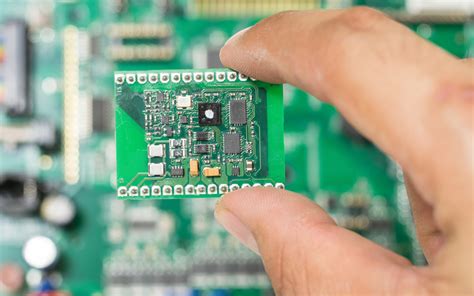
Achieving professional-level PCB assembly requires a combination of precise techniques and a keen attention to detail. One of the most critical aspects of PCBA is the optimization of your workflow. Start by organizing your workspace; keep all necessary tools and components within reach to minimize disruptions during assembly. Solder paste application is another crucial step, and using a stencil can help in achieving consistent thickness, ensuring even deposition on the pads.
Implementing best practices, such as working with a temperature-controlled soldering iron, is essential. This not only prevents damaging sensitive components but also ensures that the solder flows appropriately for strong connections. Moreover, consider the orientation of through-hole components. Proper alignment before soldering can save time and effort in later stages.
In addition to these tips, it’s important to utilize modern inspection techniques such as automated optical inspection (AOI) or even manual checks with magnification tools. This will help in identifying any potential soldering defects or misalignments early in the process, ultimately leading to improved performance in your final product.
Remember that patience and precision are keys; rushing through PCB assembly will likely lead to common pitfalls such as cold solder joints or unintentional bridging between pads. By incorporating these advanced strategies, you can elevate your skills from basic assembly processes to a level that mirrors professional standards, significantly enhancing the reliability and efficiency of your electronic projects.

Troubleshooting: Resolving Issues During the Assembly Process
When it comes to pcb assembly, encountering issues is not uncommon, especially for those new to the process. Identifying and resolving these problems quickly is crucial for maintaining the integrity of your pcba. One of the most frequent challenges is poor solder joints, which may result from insufficient heat during soldering or inadequate solder material. To address this, ensure that your soldering iron is properly calibrated and that you are using sufficient solder to create a reliable connection. Another common issue is misalignment of components, which can lead to malfunctioning circuits. To prevent this, always double-check component orientation before securing them in place. Additionally, employing a good quality control system during assembly can significantly reduce mistakes caused by human error. If you discover components that do not fit well on the board, it’s essential to review your design files and components’ specifications. Promptly resolving these issues will enhance the outcome of your overall pcb assembly project, leading to better functionality and reliability in your electronic circuits.
Conclusion
In summary, assembling PCB components, or PCBA, is a critical skill for anyone looking to engage in electronic projects. As discussed throughout this guide, the success of pcb assembly hinges on understanding the types of components you are working with, alongside employing the correct tools and methods. Each phase—from initial preparation to final quality control—plays an integral role in achieving high-quality results. Remember to pay attention to common pitfalls that can occur during the assembly process and implement techniques that ensure precision in your soldering and component placement. As you continue to experiment and refine your skills, you’ll find that mastering the nuances of pcb assembly will not only enhance your current projects but also empower you to take on more complex designs in the future. Embrace these practices for a more efficient and rewarding experience in your world of electronics!
FAQs
What is the importance of pcb assembly in electronics?
PCB assembly is crucial as it brings together various electronic components to form a functional circuit. This process ensures that your device operates effectively and reliably.
What are the most common techniques used in pcba?
Common techniques in pcba include surface mount technology (SMT) and through-hole technology. Both methods have their advantages, depending on the specific requirements of your project.
How can I avoid mistakes during pcb assembly?
To decrease errors, be sure to follow a detailed assembly checklist, double-check component placement, and use appropriate soldering techniques. Practice also plays a key role in mastering these skills.
What tools are essential for pcb assembly?
Essential tools include soldering irons, tweezers, magnifying glasses, and multimeters. These tools help ensure precision and quality throughout the assembly process.
How does quality control affect the success of my pcba?
Quality control is vital as it helps identify and rectify potential issues earlier in production, thereby ensuring that the final product meets high standards of performance and reliability.