Assembling PCB Components for Efficient Electronic Design
Key Takeaways
In the realm of PCB assembly, understanding the foundational practices can significantly influence the performance and durability of electronic designs. The process of assembling PCB components is not just about placing parts but involves a meticulous approach that ensures every element is correctly positioned and soldered. A well-executed PCBA can lead to enhancements in both functionality and reliability, which are critical for the success of a project. Moreover, being aware of the common pitfalls during PCB assembly can save time and resources. For instance, issues such as improper solder joints or component misalignment may arise, which can severely impact the overall performance of the electronic device. Therefore, embracing best practices not only streamlines the assembly process but also paves the way for innovations in circuit design. Ultimately, effective PCB assembly is pivotal in creating efficient and robust electronic systems that meet modern technological demands.
Introduction to PCB Assembly: Importance and Overview
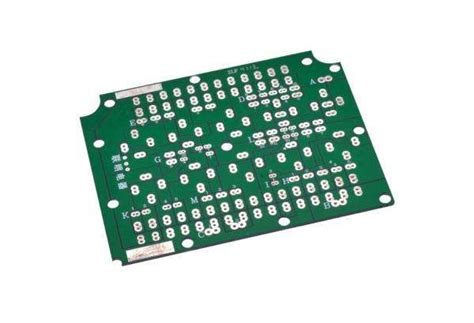
PCB assembly, or PCBA, is a critical phase in the production of electronic devices, as it involves the meticulous arrangement and soldering of various components onto a printed circuit board (PCB). This process is foundational for ensuring that the electronic design not only functions as intended but also maintains longevity and reliability. Understanding the scope of pcb assembly is imperative for engineers, as it directly influences multiple aspects of device performance, including electrical connectivity, thermal management, and overall functionality. Each component plays a pivotal role—ranging from passive elements like resistors and capacitors to active components such as microcontrollers and sensors. The manner in which these elements are assembled can either enhance or undermine the effectiveness of the final product, making it indispensable to adopt best practices throughout the process. Furthermore, modern innovations in techniques such as surface mount technology (SMT) have revolutionized the way PCBs are produced, allowing for greater density and complexity while conserving space. In today’s competitive market, understanding these fundamentals not only aids in achieving superior electronic designs but also contributes to meeting stringent reliability standards and reducing costs associated with troubleshooting failures later in the product lifecycle. Thus, mastering pcba techniques is essential for professionals aiming to excel in electronic design and development.

Essential Components of a PCB: Understanding the Basics
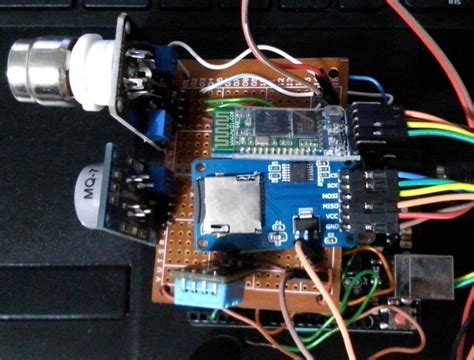
In any pcb assembly process, understanding the essential components is foundational for creating efficient electronic designs. A printed circuit board (PCB) integrates various parts, each serving a specific purpose that contributes to the overall functionality of the electronic device. Key components include:
| Component | Description |
|---|---|
| Resistors | Control current flow and divide voltages. |
| Capacitors | Store and release electrical energy. |
| Inductors | Store energy in a magnetic field. |
| Diodes | Allow current to flow in one direction only. |
| Transistors | Act as switches or amplifiers for signals. |
| Integrated Circuits (ICs) | Combine multiple functions in a compact form. |
The arrangement and selection of these components greatly influence performance and reliability in your designs, making them critical for effective pcb assembly. The layout must account for electrical characteristics like impedance and signal integrity, ensuring that each component can operate optimally without interference. Utilizing advanced techniques such as proper grounding and component placement can furthermore enhance both thermal management and signal clarity within the PCB.
Incorporating these fundamental elements into your design not only improves usability but also paves the way for more complex electronic systems, demonstrating how critical it is to grasp the basics as you embark on your journey in PCB assembly or PCBA processes.
Step-by-Step Guide to Assembling PCB Components
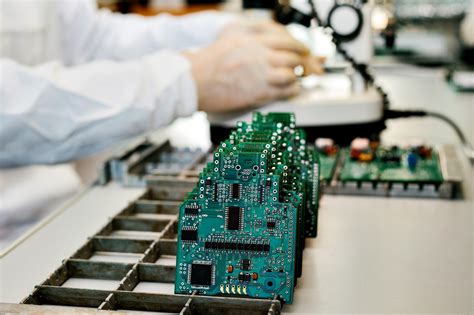
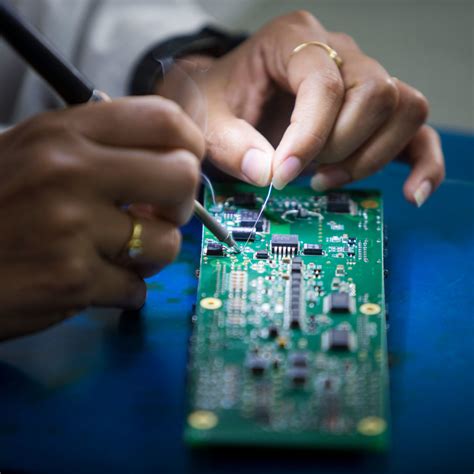
Assembling PCB components is a process that requires careful attention to detail and adherence to best practices. The initial step in pcb assembly involves gathering all necessary materials, including the essential components such as resistors, capacitors, and integrated circuits. Once gathered, the next phase is to ensure that the printed circuit board (PCB) is clean and free of contaminants. Utilizing a suitable soldering technique is crucial; whether opting for hand soldering or reflow techniques, ensuring precise application of solder will significantly affect the final outcome of your pcba. Following this, positioning the components accurately on the board is vital. This can be accomplished by using alignment tools or templates, which help maintain uniformity during assembly. After all components are placed correctly, it’s essential to double-check for any misalignments before proceeding with soldering. Once soldered, performing a visual inspection or a functional test allows for early detection of any issues that may compromise your electronic design. Employing these systematic steps not only enhances efficiency in pcba but also contributes to the reliability and functionality of your finished product. This meticulous approach forms a solid foundation for successful electronic project execution.
Best Practices for Efficient PCB Assembly
When embarking on PCB assembly, it is crucial to follow certain best practices that not only streamline the process but also enhance the overall quality of your printed circuit board assemblies (PCBA). First and foremost, a well-organized workspace can significantly impact your efficiency. Ensure that all necessary tools and components are readily accessible and labeled appropriately to minimize time spent searching for materials.
Another important aspect of efficient PCB assembly is to prioritize cleanliness. Dust, hair, or moisture can severely compromise the integrity of the components assembled on the PCB, leading to potential failures. For soldering, adopt techniques such as using a solder stencil and an appropriate solder paste application method, which can help in achieving uniform distribution across components.
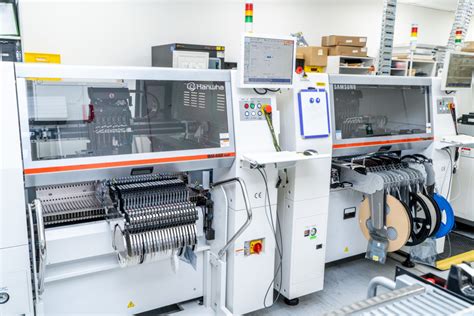
Moreover, consider pre-testing components before installation. This practice helps in identifying faulty elements early in the assembly process, thus preventing further complications down the line. Additionally, using automated assembly equipment can enhance precision and speed up the overall process.
“Investing time in thorough preparation will save countless hours in troubleshooting later on.”
Lastly, ensure you maintain clear documentation throughout the PCBA process to track changes or issues that arise during assembly. This not only aids current projects but also serves as a valuable reference for future designs.
By adopting these best practices in your PCB assembly, you foster an environment that encourages enhanced performance and reliability of your electronic designs. Each step taken with care contributes not just to immediate outcomes but also builds a foundation for sustained excellence in future projects.
Techniques to Enhance Performance and Reliability in PCBs
When it comes to PCB assembly and achieving high-quality, reliable electronics, several techniques can be employed to enhance both performance and reliability. Firstly, selecting the right components is crucial; utilizing high-grade materials helps in ensuring durability and optimum functionality. Implementing a proper thermal management strategy is also vital, as overheating can lead to failures in a circuit board. This can be accomplished by incorporating heat sinks or choosing components that have built-in thermal protection.
In addition, ensuring accurate PCB assembly through precise placement of components on the board minimizes potential misalignments or errors during production. Automated placement systems can increase precision and speed, enhancing the overall efficiency of the process. Moreover, considering the layout design is critical; optimizing trace widths and lengths for PCBA can significantly reduce signal degradation and improve overall performance.
Finally, rigorous testing throughout the assembly process cannot be overstated. Conducting tests at different stages helps in identifying any defects or inconsistencies early on, allowing for corrections before reaching the final product stage. By focusing on these techniques—component selection, thermal management, precise assembly practices, optimized design layouts, and thorough testing—engineers can significantly enhance both the performance and reliability of their PCBs and ensure successful electronic designs.
Troubleshooting Common PCB Assembly Issues
As with any complex process, pcb assembly can present a range of challenges that require careful attention and problem-solving skills. Common issues often include misalignment of components, insufficient soldering, and inadequate inspection procedures. One prevalent problem is the occurrence of cold solder joints, which can impair the performance and reliability of the pcba. To combat this, it’s essential to maintain optimal temperature settings during soldering to ensure proper melting and adherence of the solder material, thus securing a strong electrical connection. Furthermore, misplaced components can lead to circuit failures; therefore, meticulous attention during component placement is crucial. Regular use of inspection techniques such as Automated Optical Inspection (AOI) can help identify issues early in the process before they escalate into significant problems. Effective communication among team members throughout the pcb assembly process can also mitigate misunderstandings that often contribute to errors, ensuring that everyone is aligned with the project specifications. By implementing these strategies for troubleshooting common issues in pcba, electronics designers can enhance both the efficiency and reliability of their projects, ultimately leading to a superior final product.

Future Trends in PCB Design and Assembly Techniques
As technology advances, PCB assembly processes are continually evolving to meet the demands of increasingly sophisticated electronic devices. The future holds exciting developments in PCBA (printed circuit board assembly) methodologies, driven by the rising need for faster production times and enhanced functionality. One emerging trend is the integration of artificial intelligence (AI) in the PCB assembly process, allowing for real-time quality control and analysis, which drastically reduces the likelihood of defects. Furthermore, automation is becoming more prevalent, with smart machines capable of performing complex soldering and placement tasks with precision. These innovations not only improve efficiency but also drive down costs associated with labor and human error.
Another significant trend is the push towards more sustainable practices within PCBA operations. As manufacturers embrace eco-friendly materials and processes, the industry is witnessing a shift towards greener methodologies that reduce waste and energy consumption. This focus on sustainability does not compromise quality; rather, it enhances it by promoting new materials that can withstand greater thermal and electrical stress.
Additionally, the growing popularity of compact footprints in electronics design pressures engineers to develop smaller components without sacrificing performance. Consequently, techniques like 3D fabrication are being explored to create long-lasting, reliable connections in tighter spaces.
In conclusion, as we look ahead in PCB design and assembly techniques, it is evident that innovations focusing on automation, sustainability, and compactness will redefine industry standards. Staying abreast of these trends will be crucial for designers aiming to enhance their electronic projects’ performance while maintaining cost-effectiveness and reliability.
Conclusion: The Impact of Proper Assembly on Electronic Functionality
In the realm of PCB assembly, the significance of meticulous assembly processes cannot be overstated. Properly assembled PCBs—or PCBA (Printed Circuit Board Assembly)—directly influence the performance, reliability, and longevity of electronic devices. When components are thoughtfully positioned and securely soldered, the likelihood of electrical failures diminishes significantly. This not only ensures that the devices function correctly under varied conditions but also enhances efficiency in broader applications. Factors such as thermal management and signal integrity are closely tied to how well a PCB is assembled. Further, neglecting any aspect of PCB assembly can lead to costly consequences, including product recalls or device malfunctions in critical applications. Emphasizing best practices during the assembly phase, such as using appropriate soldering techniques and conducting thorough inspections post-assembly, plays a pivotal role in maintaining high standards for electronic functionality. Ultimately, investing time and resources into proper PCBA creates a strong foundation for successful electronic designs that meet user expectations consistently.
Conclusion: The Impact of Proper Assembly on Electronic Functionality
Effective PCB assembly directly influences the overall performance and longevity of electronic devices. When components assembled on a PCB are integrated with precision and care, the resulting PCBA enhances not only the aesthetic value but also the functionality of the device. Ensuring that the assembly process adheres to best practices leads to reduced electrical noise, improved signal integrity, and increased robustness against environmental factors. Furthermore, focused attention on the quality of each component during assembly can mitigate common troubleshooting issues that arise during operation. Moreover, as technology advances, embracing innovative techniques in pcb assembly becomes essential for achieving superior results. The meticulous arrangement and soldering of components play a pivotal role in allowing for complex functionalities while maintaining reliability and efficiency—key attributes for any successful electronic project. Consequently, investing time and resources into mastering techniques of PCBA will yield dividends in performance upgrades across various applications, reinforcing that proper assembly is foundational to achieving optimal electronic design outcomes.
FAQs
What is PCB assembly?
PCB assembly, often abbreviated as PCBA, is the process of connecting electronic components to a printed circuit board (PCB) to create a functional electronic device. This process typically involves soldering components onto the board and ensuring all connections are established correctly for optimal performance.
Why is it important to follow best practices in PCB assembly?
Adhering to best practices in pcb assembly plays a crucial role in enhancing the reliability and functionality of electronic circuits. Following standardized procedures helps mitigate potential issues, reduces manufacturing errors, and ensures that the product performs as intended under various conditions.
What common problems occur during PCB assembly?
Several issues can arise during pcb assembly, including solder bridging, misalignment of components, and component placement errors. These problems can lead to malfunctioning devices or reduced performance, making it essential to implement thorough quality checks throughout the assembly process.
How can I improve the reliability of my PCBA?
To enhance the reliability of your PCBA, consider utilizing high-quality components, maintaining precise soldering techniques, and implementing rigorous testing procedures. Additionally, investing in advanced manufacturing technologies can significantly contribute to achieving high reliability in your final products.
Where can I learn more about efficient PCB assembly?
For more insights into efficient pcb assembly, please click here. This resource offers detailed guidance on techniques that improve performance and streamline your electronic design processes.